Are you confused by shipping terms? This confusion can lead to surprise costs and risks. I will explain exactly what the CIF Incoterm1 means for your business.
CIF means the seller pays for ocean freight and minimum cargo insurance to the destination port. But, the risk transfers to you, the buyer, once goods are loaded onto the vessel. This distinction is critical because your financial exposure2 begins much earlier than you might expect.

I often see U.S. importers get tripped up by the details of Incoterms. They see a price from a supplier that includes "Cost, Insurance, and Freight3" and assume they are covered from the factory to their warehouse. This is a common and costly mistake. The reality is much more complex. Understanding exactly where your responsibility begins and the seller's ends is the key to avoiding unexpected bills and managing your supply chain effectively. Let's break down what CIF really means for you, the importer.
CIF (Cost, Insurance, and Freight3) means the seller pays ocean freight and minimum insurance, but risk transfers to the buyer4 once goods are loaded on the vessel?
You might think CIF covers you until your shipment arrives. But if a loss happens at sea, it could be your problem, not the seller's. Let's clarify when the risk really transfers.
CIF means the seller pays for ocean freight and minimum cargo insurance to the destination port, but the risk transfers to the buyer4 once goods are loaded onto the vessel. For U.S. importers, this distinction is critical because responsibility and financial exposure2 begin earlier than many expect.
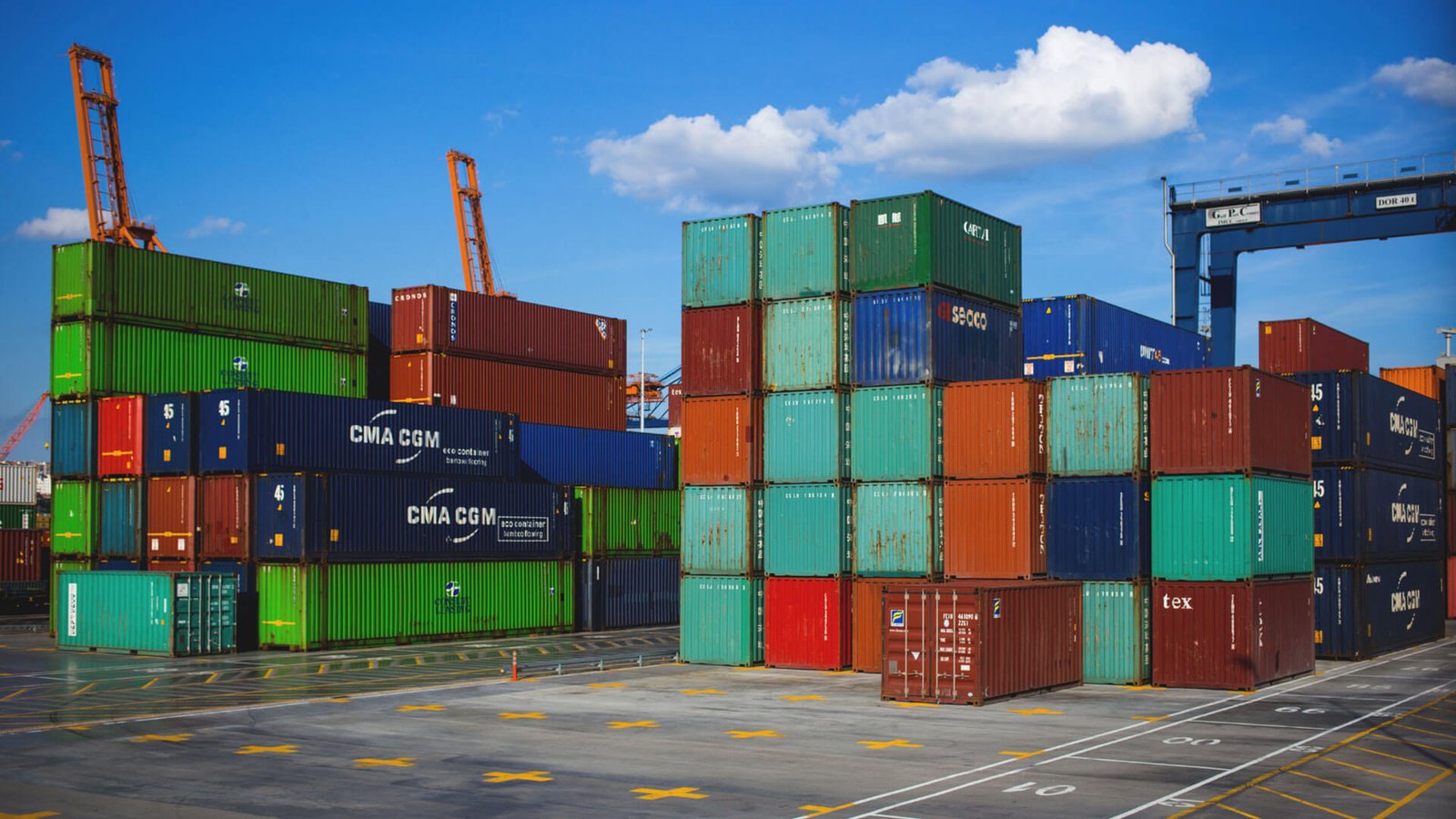
The most important thing to understand about CIF is that the point where costs transfer and the point where risk transfers are different. I once had a client, we'll call him Mark, who was new to importing. He bought a container of goods from China on CIF terms, shipping to Los Angeles. A storm in the Pacific damaged some of his products. He was shocked when I told him the financial risk was his from the moment the container was loaded in Shanghai. The seller fulfilled their obligation by paying for freight and a basic insurance policy. But Mark was the one who had to file the claim and bear the potential loss. This gap is where many importers get into trouble.
Here is a simple timeline from a U.S. importer's perspective:
- Seller's Responsibility: The seller prepares the goods and delivers them to the port of shipment.
- Risk Transfer Point: Goods are loaded onto the vessel. Risk now transfers to you, the buyer.
- Seller's Cost Responsibility: The seller pays for the ocean freight and minimum insurance for the main sea journey.
- Buyer's Responsibility: The vessel arrives at the U.S. port. You handle customs, duties, and all costs from this point forward.
U.S. importers often choose CIF for pricing simplicity, but this convenience reduces control over carrier selection5, routing, and insurance coverage?
A simple, all-in CIF price from your supplier looks very attractive. But this means you have no say in how your goods get to you. Let's weigh this convenience against the lack of control.
Many U.S. importers choose CIF for simple, all-in pricing from suppliers. However, this convenience often reduces control over carrier choice, routing, and service levels. This can increase transit risk, delay resolution, and limit visibility compared to buyer-controlled Incoterms.

The appeal of CIF is its simplicity. Your supplier gives you one price that seems to cover the big-ticket items: the goods, the shipping, and the insurance. It feels easy. But you are giving up all control over the most critical part of your supply chain. The seller and their freight forwarder will almost always choose the cheapest shipping line, not the fastest or most reliable one. You have no control over the vessel's route, which could add weeks to your transit time if it makes multiple stops. When you need a status update, you are asking your supplier, who then asks their forwarder. You are always two steps removed from the information. If there is a problem, like a customs hold or a delay, you are relying on people who work for the seller, not for you.
For detail-oriented importers, this lack of control can be a major source of frustration and hidden costs.
CIF Pros vs. Cons for the Buyer
| Pros of CIF | Cons of CIF |
|---|---|
| Simple, upfront pricing from the seller. | No control over carrier selection5. |
| Seller handles export logistics. | Potential for slower, less reliable carriers. |
| Convenient for new or infrequent importers. | Limited visibility and tracking. |
| More difficult to resolve in-transit issues. |
Under CIF, importers remain responsible for import duties6, customs clearance7, and inland delivery8 despite freight and insurance being prepaid?
You might think CIF means your goods are delivered to your door. But surprise bills for customs, port fees, and trucking can easily ruin your budget. Let's look at what CIF does not cover.
Even under CIF, U.S. importers remain responsible for import duties6, customs clearance7, compliance, and inland delivery8. Freight and insurance are prepaid by the seller only to the destination port, leaving significant cost and execution responsibility with the importer after arrival.
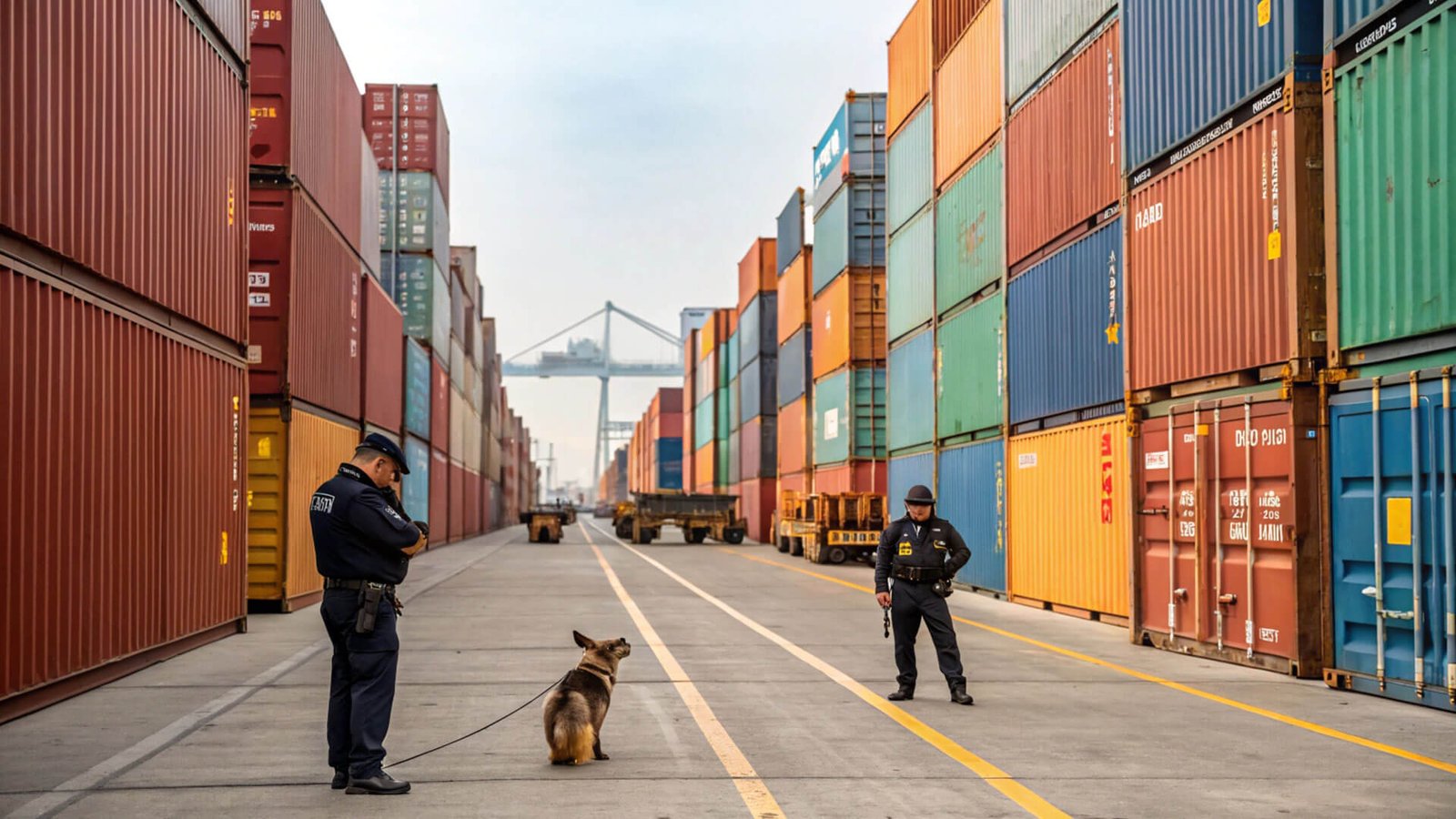
This is where the "landed cost" of your goods can balloon unexpectedly. The seller's responsibility under CIF ends when the ship arrives at the U.S. port you named, for example, the Port of Long Beach. The freight is paid to that port, not from it. Once the container is off the ship, all costs and tasks become yours. I've seen many importers' budgets get completely wrecked by these "post-arrival" charges. They had a great CIF price from their supplier but didn't account for everything else needed to get the goods to their warehouse. For a cost-saving-oriented importer, these are not small details; they can add up to thousands of dollars.
Costs Not Included in CIF for the Importer:
- Destination Terminal Handling Charges (THC): Fees charged by the port to move your container.
- Customs Clearance: The fee for a customs broker to file your entry.
- Import Duties & Taxes: Tariffs and taxes owed to the U.S. government.
- Customs Bond: A required bond to guarantee payment of duties.
- Demurrage/Detention: Fees if your container is not picked up or returned on time.
- Inland Transportation: The cost of trucking the container from the port to your final destination.
The insurance included in CIF is typically minimal, leaving U.S. importers exposed to uncovered losses unless additional coverage is arranged?
You see the word "Insurance" in CIF and feel secure. But the reality is that the seller's minimal policy might not cover your full loss if something goes wrong. Let's look at the truth about CIF insurance.
CIF requires the seller to provide only minimum cargo insurance. This often does not cover the full value of the goods or common loss scenarios. U.S. importers frequently need to arrange supplemental insurance9 to avoid significant financial exposure2 during transit.
The "I" in CIF can create a false sense of security. Under Incoterms rules, the seller is only obligated to purchase the most basic level of coverage, known as Institute Cargo Clauses10 (C) or a similar policy. This minimum insurance only covers major catastrophes like the ship sinking, fire, or a general average event. It does not cover more common risks like water damage from heavy weather, theft, or damage during loading and unloading. Furthermore, the policy is typically for 110% of the invoice value. This may not be enough to cover the full replacement cost of your goods, your lost profit, and the freight charges you've incurred. Relying on the seller's cheap policy is a big gamble. I always advise my clients to take control. By purchasing your own "All-Risk" (Institute Cargo Clauses10 A) policy, you get comprehensive coverage and a much simpler claims process if the worst happens.
You might only be familiar with CIF terms. But using the wrong Incoterm can cost you money and, more importantly, control over your own shipments. Let's compare CIF to other common terms.
Comparing CIF with FOB, CFR, and DAP helps importers understand the trade-offs between cost simplicity and operational control. CIF can work in limited scenarios, but alternative Incoterms often provide better transparency and risk management for experienced importers.

For most U.S. importers I work with, the goal is to have predictability and control over their supply chain. While CIF offers a simple price, it works against this goal. The best way to gain control is to use a different Incoterm, most often FOB (Free On Board). Under FOB, the seller's responsibility ends once the goods are loaded on the vessel at the origin port. From that point on, you, the buyer, control everything. You choose the shipping line, you control the schedule, you get direct tracking information, and you purchase an insurance policy that truly protects your financial interest. You work with a freight forwarder who works for you, not the seller. While it requires a bit more management, FOB almost always leads to better cost control and fewer surprises than CIF.
Incoterm Comparison Table
| Incoterm | Who Pays Ocean Freight | Who Pays Insurance | When Risk Transfers | Importer Control Level |
|---|---|---|---|---|
| CIF | Seller | Seller (minimum) | At vessel loading | Low |
| FOB | Buyer | Buyer | After vessel loading | High |
| CFR | Seller | Buyer | At vessel loading | Medium |
| DAP | Seller | Seller | At named destination | Very low |
For most importers focused on cost and detail, FOB provides the control needed to manage a healthy supply chain.
Conclusion
CIF offers simplicity, but it hides risks in control, cost, and insurance. Understanding these details is essential to protect your business and make smart importing decisions.
Understanding CIF Incoterm is crucial for managing shipping costs and risks effectively in international trade. ↩
Exploring financial exposure under CIF can help importers mitigate unexpected costs. ↩
Understanding the components of CIF helps importers know what costs are covered. ↩
Knowing when risk transfers helps importers prepare for potential losses during shipping. ↩
Understanding carrier selection limitations under CIF can help importers manage transit risks. ↩
Importers need to be aware of duties not covered by CIF to avoid budget overruns. ↩
Understanding customs clearance responsibilities helps importers plan for additional costs. ↩
Knowing inland delivery responsibilities can prevent logistical issues for importers. ↩
Supplemental insurance can provide better coverage and peace of mind for importers. ↩
Understanding Institute Cargo Clauses helps importers evaluate insurance coverage. ↩