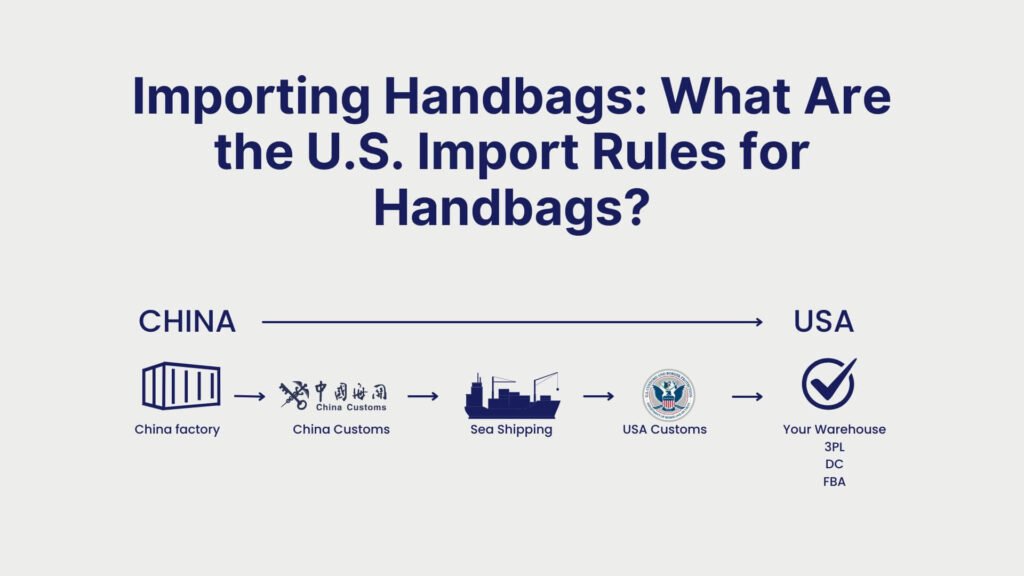
U.S. import rules for handbags center on correct HS classification1 based on material, country of origin2, and value. These factors determine duty rates, potential tariffs like Section 301, and documentation requirements. Accurate compliance is essential to avoid penalties and delays with U.S. Customs and Border Protection (CBP)3.
Navigating the world of handbag imports can feel like a maze. I've seen many importers, especially those new to fashion goods, get tangled in the complexities of customs regulations. The rules aren't just paperwork; they directly impact your landed cost and supply chain reliability4. But once you understand the key risk areas, you can build a solid compliance strategy. Let's break down the most important rules you need to know.
Importing handbags into the U.S. requires correct HS classification1 based on material, construction, and use, which directly determines duty rates and tariff exposure?
Getting your handbag's classification wrong is a common but expensive error. A small detail can shift the HS code, leading to a much higher duty rate than you budgeted for.
Handbags imported into the U.S. must be classified under the correct HS code based on material, structure, and intended use. Even small differences—such as leather versus synthetic materials—can change duty rates significantly, making accurate classification critical for cost control and compliance.
Let's dive deeper into this. The Harmonized System (HS) code is a universal language for classifying goods, but handbags are a tricky category. The primary question customs asks is: What is the outer surface made of? This single factor is the main driver of classification under heading 4202. For example, I once worked with a client, Mark, who was importing a new line of bags. He assumed they were all "synthetic bags." However, a few designs had small genuine leather patches for branding. This small detail risked moving the classification from heading 4202.22 (bags with an outer surface of plastic sheeting or textile) to 4202.21 (bags with an outer surface of leather). The duty rate difference5 was significant. We caught this before shipment, saving him from a major customs bill and potential penalties. You can't just guess the HS code for handbags. You must know the exact material composition6.
Key Classification Factors for Handbags
- Outer Surface Material: Is it leather, plastic sheeting (like PU), textile, or something else? This is the number one question.
- Construction: Is it rigid or soft-sided? Does it have a frame?
- Intended Use: Is it a handbag, a travel bag, or a sports bag? The design and features help determine its primary use.
U.S. import duties on handbags vary significantly by material composition6, with leather and synthetic bags often subject to higher tariff rates?
You've planned your costs, but did you account for the right duty rate? The material of your handbag is the biggest factor in how much duty you will pay at the border.
U.S. import duties on handbags vary widely depending on material composition6. Leather and synthetic handbags often carry higher duty rates than textile bags. This means incorrect material declarations can result in underpaid duties, penalties, or post-entry audits.
The reason handbag duty rates vary so much comes down to trade policy7. Higher rates on certain materials, like leather and synthetics, were often put in place to protect domestic industries. While the manufacturing landscape has changed, the duty rates remain. This makes material choice a critical business decision, not just a design choice. For an importer, this means you must be precise. A bag with an outer surface of polyurethane (PU) leather falls under a different classification and duty rate than one made of woven cotton. You can't simply declare "handbag." Your commercial invoice8 must specify the material. Failure to do so is a red flag for U.S. Customs. They will scrutinize your entry, which can lead to cargo holds and requests for more information, delaying your market entry. Planning for the correct duty rate from the start is key to maintaining your profit margins.
Handbag HS Code & Duty Rate Comparison Table
| Handbag Type | Primary Material | Typical HS Heading | Approx. Duty Rate |
|---|---|---|---|
| Leather Handbag | Genuine Leather | 4202.21 | High (e.g., 9% - 20%) |
| Synthetic Handbag | PU / Plastic Sheeting | 4202.22 | High (e.g., 16% - 20%) |
| Textile Handbag | Fabric / Cotton | 4202.22 / 4202.92 | Medium (e.g., 5.3% - 17.6%) |
| Small Clutch / Pouch | Mixed Materials | 4202.xx | Varies (Medium to High) |
| Travel / Sports Bag | Textile or Synthetic | 4202.9x | Varies (Medium) |
Importer insight: Material selection alone can change duty exposure by double-digit percentages, making early classification planning essential.
Country of origin, trade remedies, and Section 301 tariffs9 can materially increase landed cost for handbags imported from certain regions?
Sourcing from a low-cost country might not save you money. Additional tariffs, like Section 301 on Chinese goods, can erase those savings and significantly inflate your total import costs.
Country of origin plays a major role in determining handbag landed cost. Handbags imported from certain countries, like China, may be subject to additional tariffs, such as Section 301 duties. These can materially increase total duty exposure and erode profit margins.
The base duty rate is only part of the story. The country of origin2 is just as important. In my line of work, the biggest factor here for the last few years has been the Section 301 tariffs9 on goods from China. These are additional duties applied on top of the regular customs duty. Many handbag classifications are subject to these tariffs, which can add an extra 7.5% or even 25% to your cost. I've seen importers get huge, unexpected bills because their customs broker didn't account for Section 301. It's crucial to verify if your specific HS code is on a Section 301 list when importing from China. This applies to all handbags, from low-cost promotional bags to high-end luxury items. The tariff doesn't care about the brand; it only cares about the HS code and the origin. This makes origin verification and landed cost calculation10 before you even place an order absolutely essential.
Incorrect valuation, misclassification, or incomplete documentation are the most common causes of customs audits and penalties11 for handbag imports?
Trying to save a few dollars by fudging numbers is a recipe for disaster. U.S. Customs is very strict, and penalties for non-compliance can be severe, far outweighing any initial savings.
Customs audits and penalties for handbag imports are most often triggered by misclassification, undervaluation12, or missing documentation. Because handbags are a high-duty product category, U.S. Customs closely reviews entries for accuracy and consistency.
Let's be direct: handbags are a high-scrutiny category13 for U.S. Customs. This is because the duty rates are high, and the potential for revenue loss from errors is significant. The most common mistakes I see are not intentional fraud, but simple errors that trigger audits. For example, a commercial invoice8 that just says "1000 pcs - Handbags" is not enough. It needs a detailed description14: "Women's handbags with outer surface of polyurethane plastic sheeting." Another major issue is valuation. You must declare the "price actually paid or payable15" for the goods. Undervaluing your shipment to pay less duty can lead to civil penalties that can be multiples of the duty you tried to avoid. The key is to be proactive and detailed. Your paperwork is your first line of defense. A clean, accurate, and detailed entry is less likely to be flagged for review.
Step-by-Step Handbag Import Compliance Workflow
- Identify: Pinpoint handbag materials, construction, and use before production.
- Classify: Determine the correct 10-digit HS classification and base duty rate.
- Confirm Origin: Verify the country of origin2 and check for any trade remedies like Section 301.
- Calculate Cost: Figure out the total landed cost, including all duties and tariffs.
- Prepare Docs: Create a commercial invoice8 with detailed description14s and accurate values.
- File Entry: File the customs entry using the correct classification and complete documents.
- Respond: Promptly answer any customs inquiries (CF-28) or exam notices.
- Retain Records: Keep all import records for at least five years for potential audits.
Key insight for U.S. importers: Handbags are a high-duty, high-scrutiny category13. Most compliance failures stem from classification and valuation errors made before shipment.
End-to-end logistics and customs expertise helps U.S. importers manage classification, duties, and clearance efficiently from factory to final delivery?
Managing handbag imports is more than just shipping a box. You need a partner who understands the whole process, from advising on materials to final customs clearance, to avoid costly surprises.
End-to-end logistics and customs expertise helps importers manage handbag imports more effectively. It aligns classification, duty planning, customs clearance, and transportation. This integrated approach16 reduces audit risk, prevents delays, and improves landed cost predictability.

So, how do you tie all this together? You work with a partner who sees the full picture. As a customs and logistics advisor, my job starts long before the container is loaded. When a client like Mark wants to import a new handbag line, we don't just ask for the shipping documents. We ask for the product specs. We help him understand how choosing PU over leather, or sourcing from Vietnam instead of China, will impact his landed cost. This is what "end-to-end" means. It's about proactive compliance17. We help classify the product correctly from the start. We calculate the total duties and tariffs so there are no surprises. Then we manage the ocean freight, the customs filing, and the final delivery. This integrated approach16 is the best way for handbag importers to reduce risk. It turns a complex, reactive process into a predictable and efficient supply chain, letting you focus on selling your products, not fighting customs issues.
Conclusion
Importing handbags requires careful planning around classification, materials, and origin. Getting these details right from the start protects your business from costly duties, audits, and delays.
Correct HS classification is crucial to avoid penalties and ensure compliance with U.S. Customs regulations. ↩
The country of origin can lead to additional tariffs, impacting your landed costs and profit margins. ↩
Knowing CBP's compliance requirements helps prevent penalties and ensures smooth customs clearance. ↩
Improving supply chain reliability ensures timely delivery and reduces unexpected costs. ↩
Understanding duty rate differences helps in budgeting and cost control for your handbag imports. ↩
Material composition directly influences duty rates, impacting your profit margins. ↩
Trade policies can lead to varying duty rates, affecting your import strategy and costs. ↩
A detailed commercial invoice is essential for compliance and avoiding customs scrutiny. ↩
Section 301 tariffs can significantly impact your costs, especially if sourcing from certain countries like China. ↩
Accurate landed cost calculation is crucial for budgeting and maintaining profit margins. ↩
Avoiding common triggers for audits and penalties can save you from costly fines and delays. ↩
Undervaluation can lead to severe penalties, making it crucial to declare accurate values. ↩
Knowing why handbags are scrutinized helps in preparing accurate documentation and avoiding issues. ↩
A detailed description ensures compliance and reduces the risk of customs holds and audits. ↩
Understanding this term helps in accurate valuation and compliance with customs regulations. ↩
An integrated approach aligns all aspects of import, reducing risks and improving cost predictability. ↩
Proactive compliance helps in avoiding costly mistakes and ensures a smooth import process. ↩