Struggling to understand how your goods get from here to there? The world of international shipping seems complex. I am here to help you understand the major pathways for your cargo.
Global shipping routes1 are the established ocean, air, and land corridors that move goods between suppliers, ports, and markets. They create predictable networks2 that connect countries. This allows importers like you to plan transit time3s, manage costs, and secure capacity for your shipments.
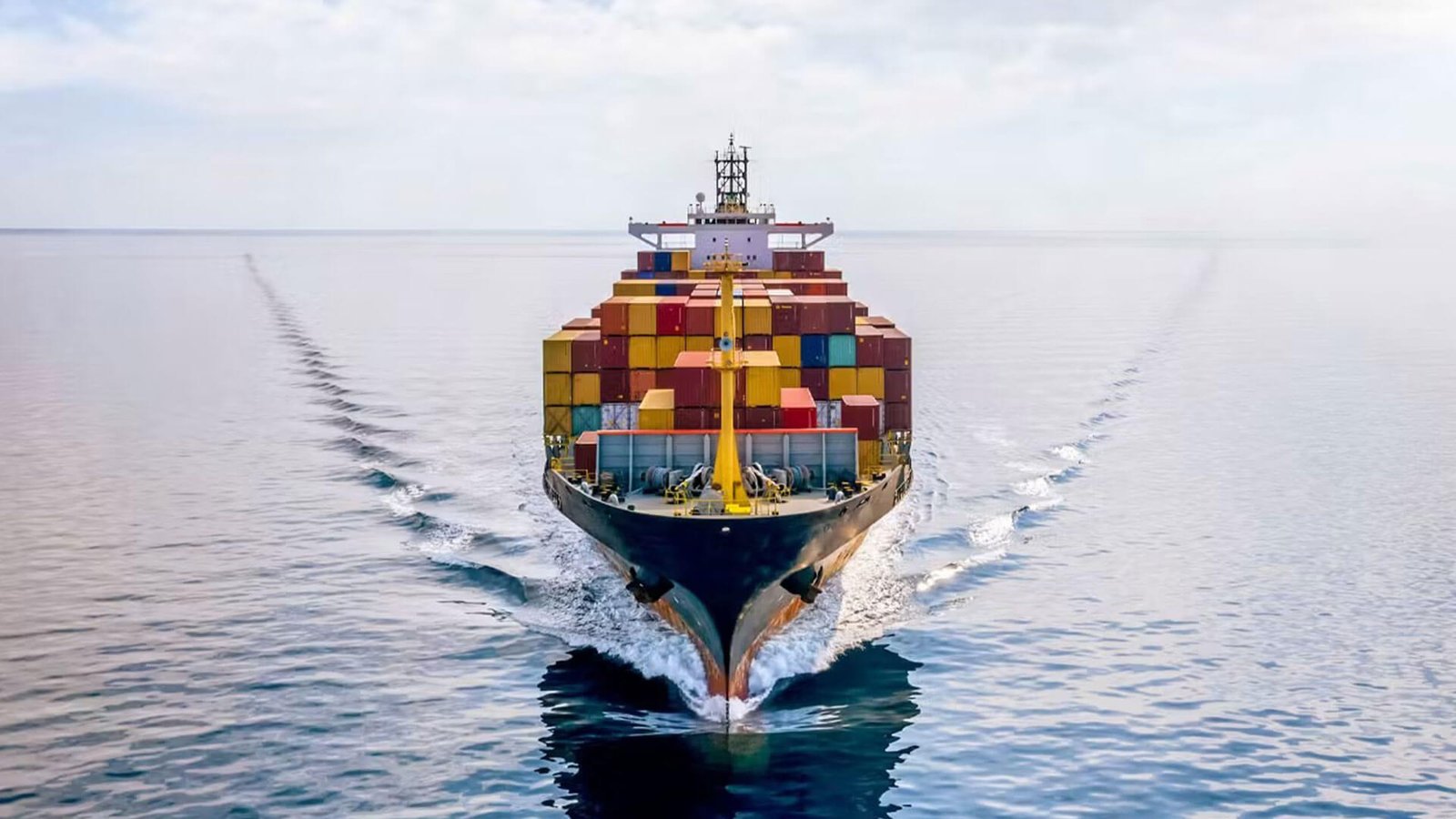
I've worked in logistics for years, helping importers like you navigate these routes. Many people think a container just gets put on a ship and sails directly to its destination. But it is more like a carefully planned highway system. Understanding this system is the first step to taking control of your supply chain4. Let’s dive into how these routes really work, so you can make smarter decisions for your business.
What Are Global Shipping Routes and How Do They Connect Suppliers, Ports, and Markets Worldwide?
Feeling lost in the web of global trade? It's hard to visualize how your supplier in China connects to your warehouse in the USA. We map out these connections for you.
Global shipping routes1 are established transportation corridors that move goods between production regions, ports, and consumer markets. They connect suppliers to destination countries through predictable ocean, air, and multimodal networks5, allowing importers to plan transit time3s, costs, and capacity across international trade lanes.
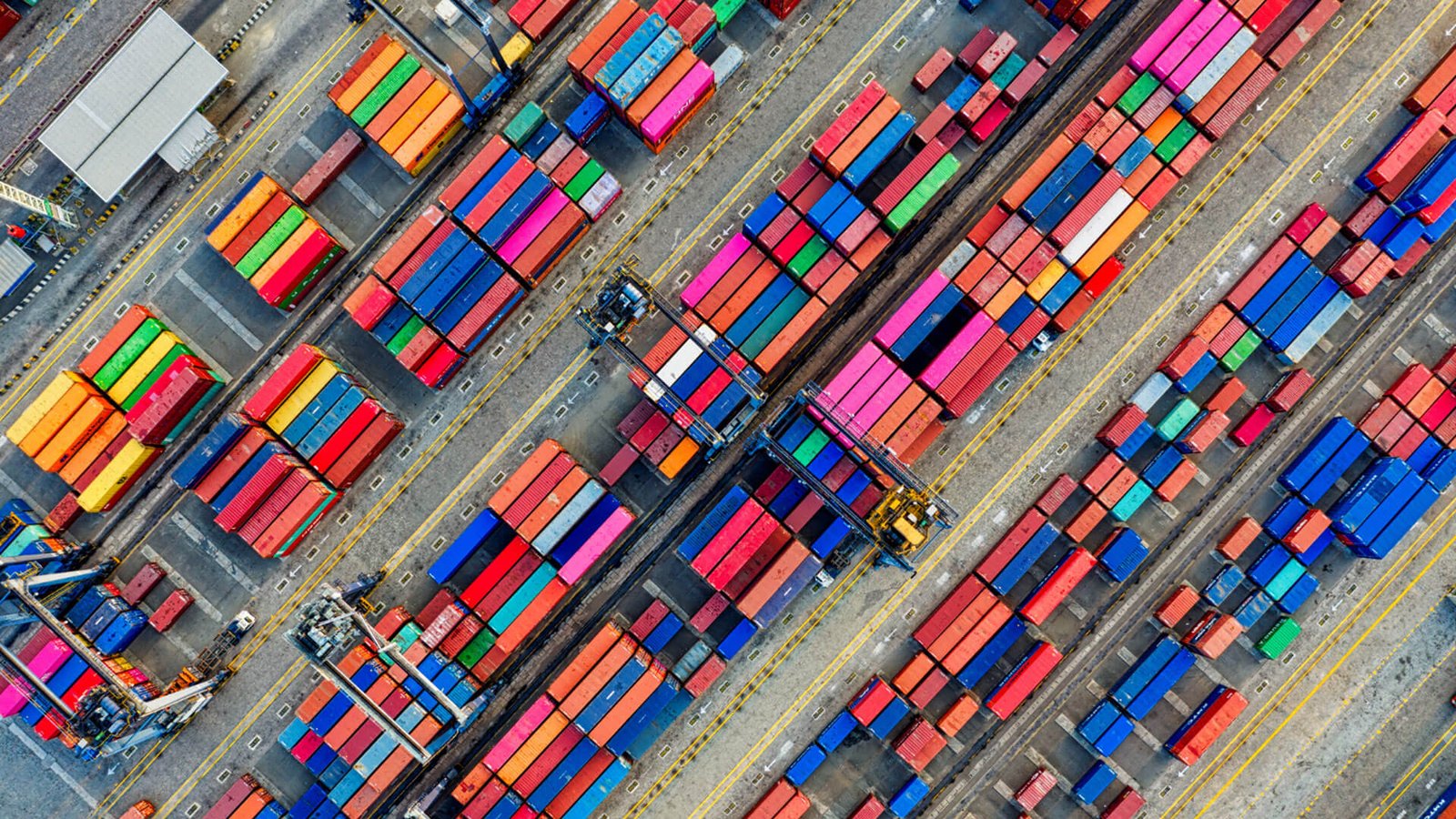
When I help a client ship a container, we aren't just picking a random path. We are tapping into a massive, established network. Think of these routes as the world's commercial arteries6. They are designed for efficiency and volume. The entire process follows a clear flow, which is crucial for importers to understand.
The Journey of a Shipment
The path from your supplier to your door has several key stages. Each stage relies on a different part of the global shipping network.
| Stage | Description | Key Network Component |
|---|---|---|
| 1. First-Mile7 | Your goods are moved from the supplier's factory to a nearby port or airport. | Local trucking or rail networks. |
| 2. Main Transit8 | The cargo is loaded onto a vessel or aircraft and travels along a major international route. | Ocean trade lanes or air cargo routes. |
| 3. Port/Hub | The cargo arrives at the destination port or airport for customs clearance and processing. | Major ports like Los Angeles or hubs like Chicago O'Hare. |
| 4. Last-Mile9 | After clearing customs, the goods are transported inland to your final warehouse or facility. | Domestic trucking or rail networks. |
This structured flow is what allows millions of containers to move around the world predictably. My job is to manage each step for you, ensuring a smooth transition from one part of the network to the next.
How Are Major International Shipping Routes Structured Across Ocean, Air, and Multimodal Networks?
Does your cargo take a direct flight or a winding sea path? The structure is not always direct. Understanding how carriers build their networks helps you see why your shipment stops along the way.
International shipping routes are structured around core ocean trade lanes, global air cargo hubs, and inland rail and trucking links. Containers and cargo move through hubs and feeder routes rather than direct point-to-point paths, enabling carriers to consolidate volume and maintain regular service schedules worldwide.
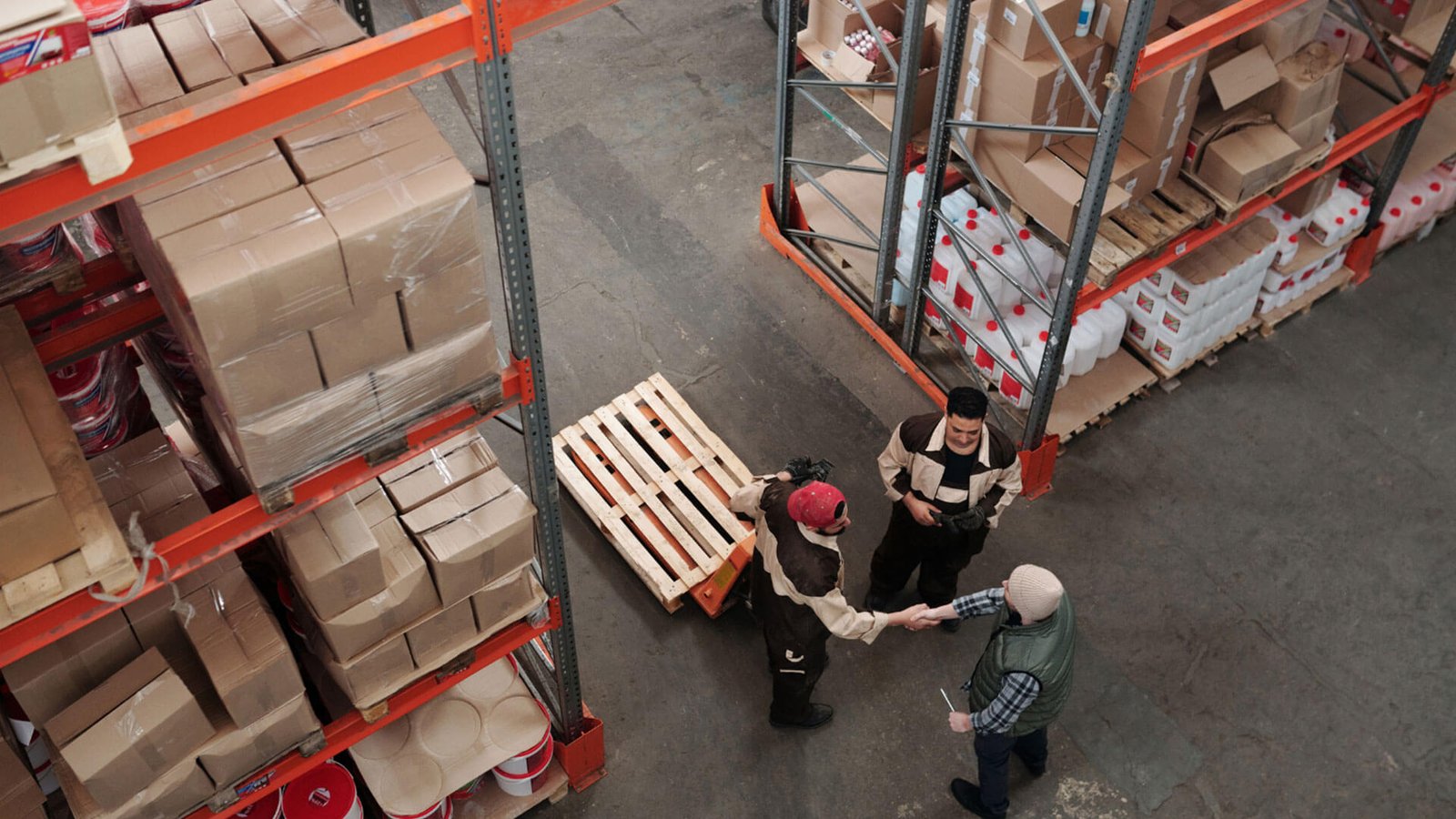
Most international shipping doesn't follow a simple A-to-B path. Instead, it uses a "hub-and-spoke" model, much like major airlines do for passenger flights. Carriers consolidate cargo at major ports (hubs) and then use smaller vessels or trucks (spokes) to reach final destinations. This model allows them to offer regular, reliable service on a global scale. It's a system built on consolidation and efficiency. For importers, this means your container might be on a massive ship with thousands of others, making the journey across a primary trade lane.
Comparing Shipping Network Structures
Ocean, air, and multimodal networks5 are structured differently to meet various needs for speed, cost, and capacity.
| Network Type | Structure | Best For | My Experience |
|---|---|---|---|
| Ocean Routes10 | Fixed weekly or bi-weekly service strings connecting major ports on a rotational basis. | Large volume, non-urgent goods where cost is a primary factor. | This is the backbone of global trade. I see most clients use this for stock replenishment. |
| Air Routes11 | Hub-and-spoke networks centered around major cargo airports. Offers high frequency and speed. | High-value, time-sensitive, or smaller shipments. | Perfect for urgent parts or new product launches, but the cost is a major consideration. |
| Multimodal Routes12 | A combination of ocean, air, rail, and truck, often called "Sea-Air" or "Rail-Truck." | Balancing cost and speed. For example, ocean to a West Coast port, then rail to the Midwest. | This is a strategic choice. We often use it to bypass port congestion13 or speed up a late ocean shipment. |
Understanding these structures helps you and me decide the best way to move your goods based on your specific priorities.
Why Does Route Selection Matter for Transit Time, Freight Cost14, and Supply Chain Reliability?
Does picking a shipping route really make a difference? It can be the difference between profit and loss. The path your cargo takes directly impacts your timeline, budget, and peace of mind.
Route selection directly affects transit time3, freight rates, and reliability. Longer or congested routes increase lead times and costs, while optimized routes balance speed and price. For importers, choosing the right route reduces delays, stabilizes inventory planning, and lowers total landed cost across repeat shipments.

I once had a client, let's call him Mark, who only focused on the cheapest sea freight rate from China. The route he chose went through several smaller, congested ports before crossing the Pacific. His shipment was delayed by three weeks, causing a stockout. We then switched him to a slightly more expensive, direct "premium" service. The transit time3 was consistent, his inventory planning improved, and he actually saved money by avoiding lost sales. This story shows that the cheapest route is not always the most cost-effective one.
The Trade-Offs in Route Selection
Every shipping route presents a trade-off between speed, cost, and risk. Choosing the right one depends on your business needs.
| Factor | Impact of Route Choice | Example |
|---|---|---|
| Transit Time | Direct routes are faster. Routes with more port calls or that pass through canals can be slower. | A direct service from Shanghai to Los Angeles might take 14 days. A trans-shipment service might take 25+ days. |
| Freight Cost14 | High-demand, faster routes are more expensive. Slower, "all-water" routes to the East Coast via the Panama Canal can be cheaper than using rail from the West Coast. | The cost difference can be hundreds or even thousands of dollars per container, depending on the route. |
| Reliability | Routes that avoid congested ports or known chokepoints are more reliable. Carrier service quality on a specific route also matters. | A carrier known for on-time arrivals on a less-crowded route provides better schedule reliability for your inventory planning. |
My role is to help you analyze these trade-offs. We look at your inventory needs, your budget, and your tolerance for delays to find the route that truly optimizes your supply chain4.
What Are the Key Global Trade Lanes U.S. Importers Use and the Bottlenecks That Affect Them?
Are your goods moving on the world's busiest shipping highways? Knowing the main routes and their common traffic jams is essential. This knowledge helps you anticipate problems before they happen.
U.S. importers rely heavily on transpacific, transatlantic, and North American trade lanes. These routes can be disrupted by port congestion13, canal chokepoints, labor issues, or capacity shortages. Understanding where bottlenecks occur helps importers anticipate delays and adjust routing or inventory strategies accordingly.
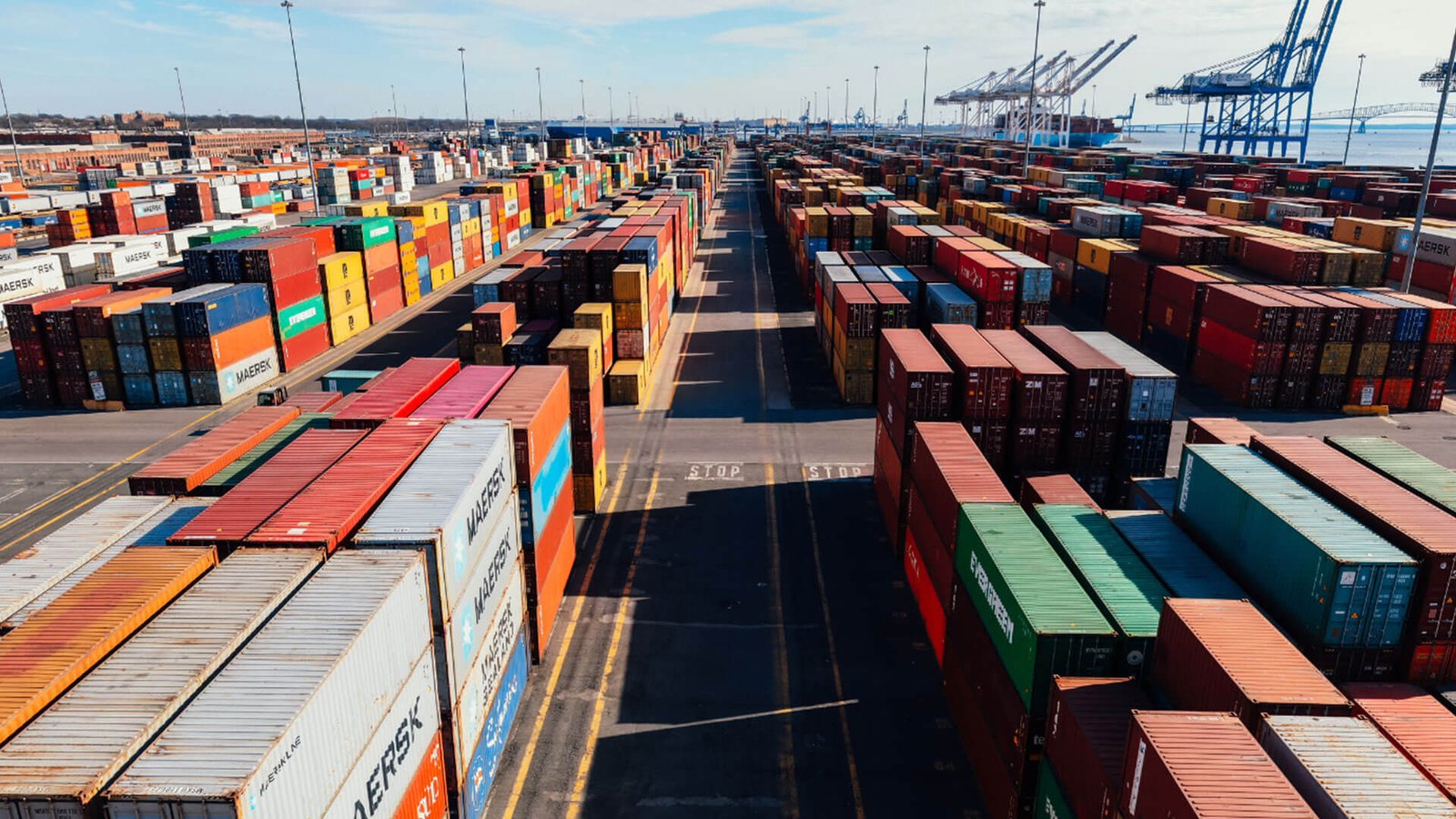
As a logistics provider specializing in shipments to the USA, I spend most of my time managing cargo on a few key trade lanes. The vast majority of goods coming from Asia, especially China, travel on the Transpacific route15. It is the single most important trade lane for U.S. importers. However, its popularity also makes it prone to significant bottlenecks. When ports like Los Angeles and Long Beach get backed up, the ripple effects are felt across the entire country.
Major U.S. Import Lanes and Their Chokepoints
| Trade Lane | Description | Common Bottlenecks |
|---|---|---|
| Transpacific | Connects Asia (China, Vietnam, etc.) to the U.S. West Coast (USWC) and East Coast (USEC) via the Panama Canal. | USWC Ports: Congestion at LA/Long Beach. Canals: Water level issues or transit limitations at the Panama Canal. Origin Ports: Holiday rushes (like Chinese New Year) and weather (typhoons). |
| Transatlantic | Connects European ports to the U.S. East Coast. | European Ports: Labor strikes are more common. USEC Ports: Can face congestion from vessel bunching. |
| Latin America | Connects Central and South American countries to U.S. ports, primarily in the Gulf and East Coast. | Infrastructure: Less developed port infrastructure in some origin countries. Customs: Can be complex and cause delays at the border. |
Knowing these potential trouble spots allows us to plan proactively. For example, if we see signs of congestion building on the West Coast, we might advise a client to route their next shipment to an East Coast port instead.
What Are the Risks That Disrupt International Shipping Routes and How Can Importers Plan Around Them?
Worried about your shipment being delayed by something you can't control? From hurricanes to port strikes, disruptions are a reality. The key is not to avoid risk, but to plan for it.
International shipping routes face risks such as weather events, port congestion13, labor disruptions, geopolitical issues16, and equipment shortages. Importers manage these risks through diversified routing, buffer inventory, flexible carrier selection, and proactive freight planning that reduces reliance on a single route or port.
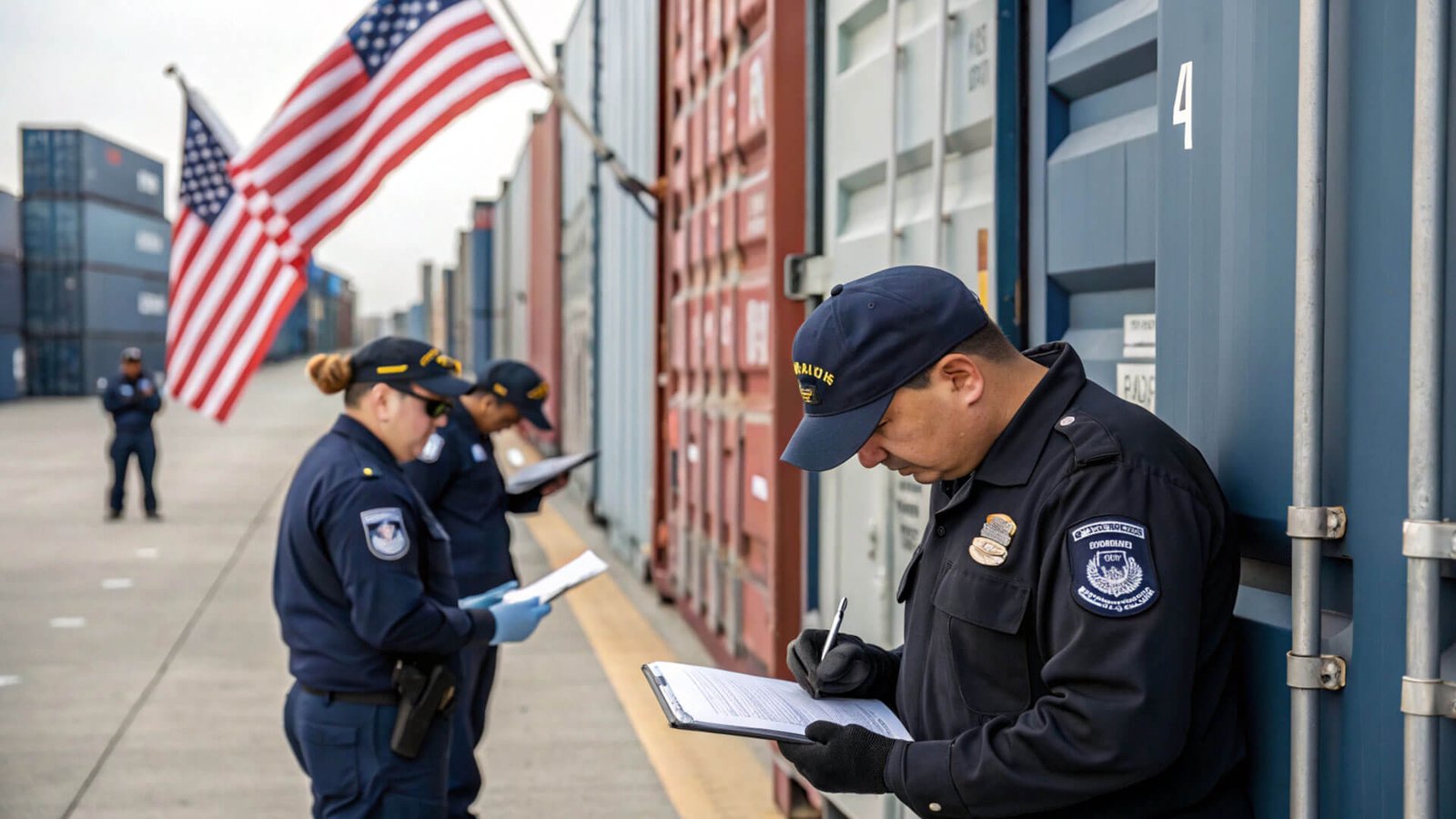
Risk is a constant in global logistics. I've seen it all: a typhoon shutting down a port for days, a sudden tariff announcement causing a rush of cargo, or a vessel breaking down mid-ocean. You cannot eliminate these risks, but you can build a resilient supply chain4 that can withstand them. The goal is to create flexibility. Relying on a single port, a single carrier, or a just-in-time inventory strategy is a recipe for disaster when a disruption hits. A smart importer builds buffers and backup plans.
Common Risks and Mitigation Strategies
Let's break down the major risk categories and how we help clients prepare for them.
Operational Risks
This includes port congestion13, equipment shortages (containers, chassis), and carrier service failures.
- Mitigation: We work with a network of carriers, not just one. This allows us to find capacity even when the market is tight. We also suggest diversifying your ports of entry. For example, instead of sending everything to Los Angeles, consider a mix of LA, Prince Rupert, and Houston.
Environmental Risks
These are weather-related events like hurricanes, typhoons, and winter storms that can close ports and delay vessels.
- Mitigation: We monitor weather patterns on key trade lanes. If a major storm is forecast, we can work with you to either expedite a shipment or hold it at origin to avoid the storm's path. Holding a small amount of "buffer stock" in your warehouse is also a crucial defense.
Geopolitical & Labor Risks
This covers everything from trade wars and tariffs to labor strikes at ports or railways.
- Mitigation: This is about staying informed and being agile. We keep our clients updated on potential labor negotiations or policy changes. Having alternative routes planned in advance (e.g., a West Coast vs. East Coast option) allows for a quick pivot if a strike shuts down a major port.
How Can Importers Optimize Global Shipping Routes Through Carrier Choice, Routing Strategy, and Planning?
Are you actively managing your shipping strategy or just reacting to problems? True optimization comes from proactive choices. It involves picking the right partners, routes, and planning your shipments in advance.
Importers optimize global shipping routes by selecting reliable carriers, evaluating alternative ports, and aligning routing with cost and service goals. Strategic freight planning allows companies to adapt quickly to disruptions, improve delivery performance, and maintain consistent supply chain4s despite changing global conditions.
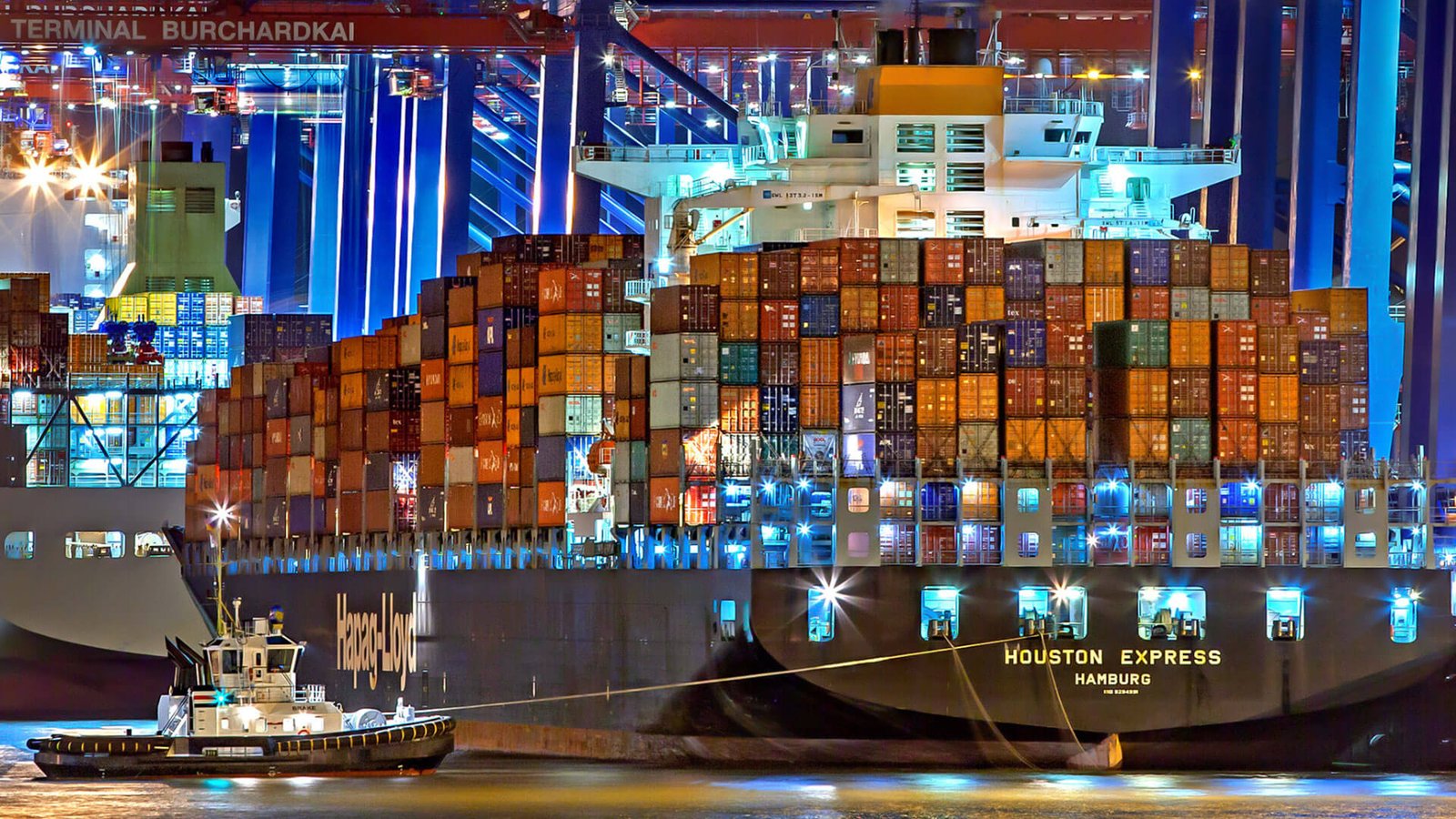
Optimization is an ongoing process, not a one-time fix. It’s about making deliberate choices to balance cost, speed, and reliability. I work with my clients to move them from a reactive mode ("My container is late!") to a proactive one ("Let's route our Q4 shipments through the Port of Savannah to avoid West Coast peak season congestion"). This strategic shift is what separates successful importers from those who are always fighting fires. It requires a partnership between you and your logistics provider.
A Three-Step Optimization Framework
We focus on three core areas to help you build a better, more optimized shipping strategy.
1. Strategic Carrier Selection
Choosing a carrier is about more than just the lowest price. We analyze carrier performance on specific lanes.
- What to look for: On-time performance data, vessel capacity, and reliability during peak seasons. A carrier that costs 5% more but is 20% more reliable is often the better value. We help you find that balance.
2. Dynamic Routing Strategy
Your best route today might not be your best route tomorrow. A dynamic strategy means having options.
- How it works: We identify primary and secondary port pairs for your shipments. For example, your primary route is Shanghai to Los Angeles. Your secondary could be Shanghai to Houston. If LA becomes too congested or expensive, we can quickly switch to the secondary route.
3. Proactive Freight Planning
The best way to optimize is to plan ahead.
- Actions to take: Provide your logistics partner with forecasts of your shipping needs. Book your shipments well in advance of the cargo-ready date, especially before holidays or peak seasons. This gives us more options for carriers and routes, often at better prices.
By focusing on these three areas, we can turn your shipping routes from a source of stress into a competitive advantage.
Conclusion
Understanding and optimizing global shipping routes is essential for a reliable supply chain. By planning ahead and choosing the right partners, you can control costs, reduce delays, and grow your business.
Understanding global shipping routes helps you plan transit times, manage costs, and secure capacity for your shipments. ↩
Predictable networks allow importers to plan transit times and manage costs effectively, ensuring a smooth supply chain. ↩
Choosing the right route can significantly impact transit time, affecting delivery schedules and inventory planning. ↩
Understanding your supply chain is crucial for making smarter decisions and taking control of your logistics operations. ↩
Multimodal networks combine different transportation modes, offering flexibility and efficiency in moving goods globally. ↩
These routes are designed for efficiency and volume, acting as the main pathways for international trade. ↩
The First-Mile is crucial as it involves moving goods from the supplier's factory to a nearby port or airport. ↩
Main Transit is the stage where cargo travels along major international routes, crucial for timely delivery. ↩
The Last-Mile is the final step in the delivery process, crucial for getting goods to their final destination. ↩
Ocean Routes are the backbone of global trade, ideal for large volume, non-urgent goods. ↩
Air Routes offer high frequency and speed, perfect for high-value, time-sensitive shipments. ↩
Multimodal Routes balance cost and speed, using a combination of transportation modes for efficiency. ↩
Port congestion can cause significant delays, impacting delivery schedules and increasing costs. ↩
Route selection can affect freight rates, with faster routes often being more expensive but potentially more reliable. ↩
The Transpacific route is crucial for U.S. importers, connecting Asia to the U.S. and prone to bottlenecks. ↩
Geopolitical issues can lead to trade disruptions, affecting shipping schedules and costs. ↩