Struggling with import rules? A small oversight like a missing bond can halt your entire shipment. A customs bond1 is the key to smooth U.S. customs clearance.
A U.S. customs bond1 is a financial guarantee2 required by CBP to ensure importers pay all duties, taxes, and fees and comply with import regulations. The bond protects the government against non-payment or violations and is mandatory for most commercial imports entering the United States.
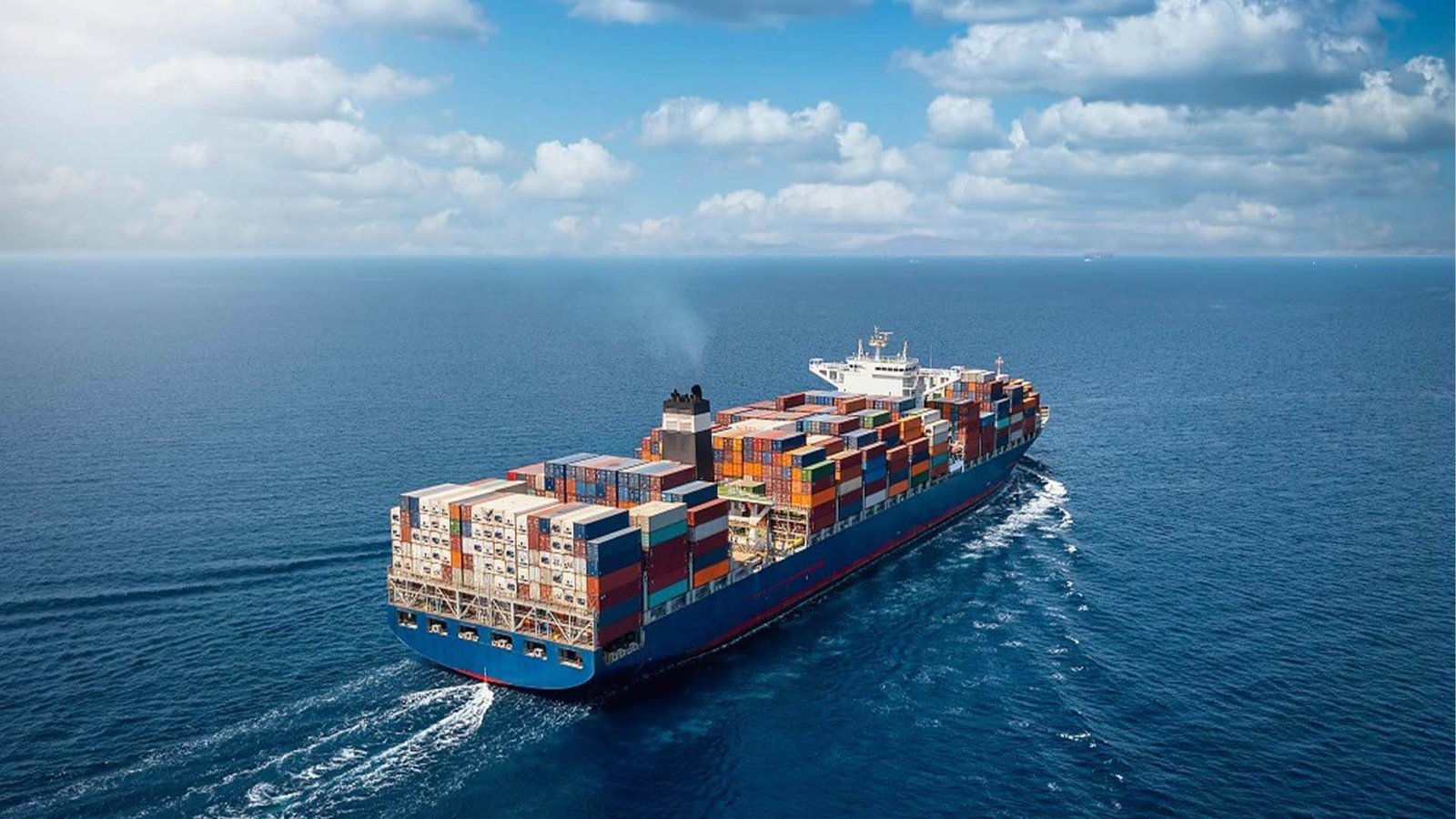
Getting this right is crucial for your business. I've seen many importers get stuck at the border because of a simple bond issue. It's a foundational piece of the import puzzle. So, let's break down what a customs bond1 really is and why it's so important for your shipments from China to the USA.
What Is a U.S. Customs Bond and Why Does CBP Require It?
Confused by CBP's bond requirement? It feels like another fee, but it's a financial promise. Understanding its purpose helps you see why it's a non-negotiable step for importing.
A U.S. customs bond1 is a financial guarantee2 required by CBP to ensure importers pay all duties, taxes, and fees and comply with import regulations. The bond protects the government against non-payment or violations and is mandatory for most commercial imports entering the United States.
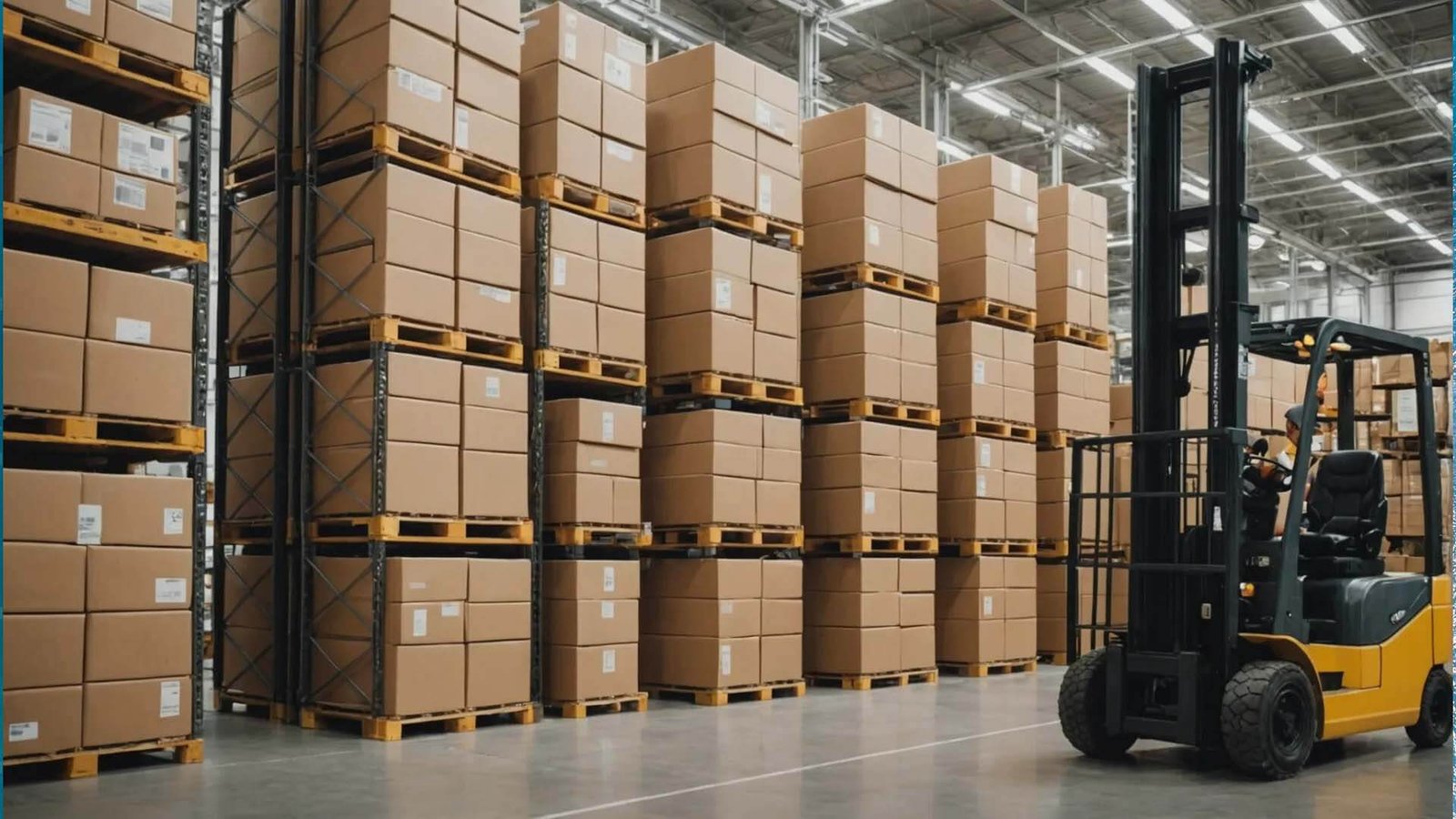
Think of a customs bond1 as a security deposit for the U.S. government. When you import goods, U.S. Customs and Border Protection (CBP)3 wants a guarantee that you will pay all required costs and follow all the rules. The bond is that guarantee. It's a three-party contract that ensures you fulfill your obligations as an importer. I always tell my clients it's not just about money; it’s about trust.
The Bond as a Financial Promise
The contract involves three parties:
- The Principal: This is you, the importer. You are responsible for paying duties and following regulations.
- The Surety: This is an insurance company that issues the bond. They promise to pay CBP if you fail to do so.
- The Obligee: This is CBP. They are the ones protected by the bond.
This setup ensures that the government gets paid no matter what.
Why CBP Insists on It
CBP manages a huge volume of imports every day. They don't have the resources to chase down every importer for payment. The bond system simplifies this. It shifts the financial risk from the government to the surety company. This allows CBP to release goods quickly while still being sure that duties and taxes will be collected. It's a system built for efficiency and security.
When Is a Customs Bond Required and Who Must Have One?
Think your shipment is too small for a bond? Many importers are surprised by the low value threshold. This mistake can lead to costly delays at the port for your goods.
A customs bond1 is required for commercial imports valued over $2,500, shipments subject to other government agency regulations, or when an importer files formal entries. Both first-time and repeat importers must have a valid bond in place before CBP will release cargo.
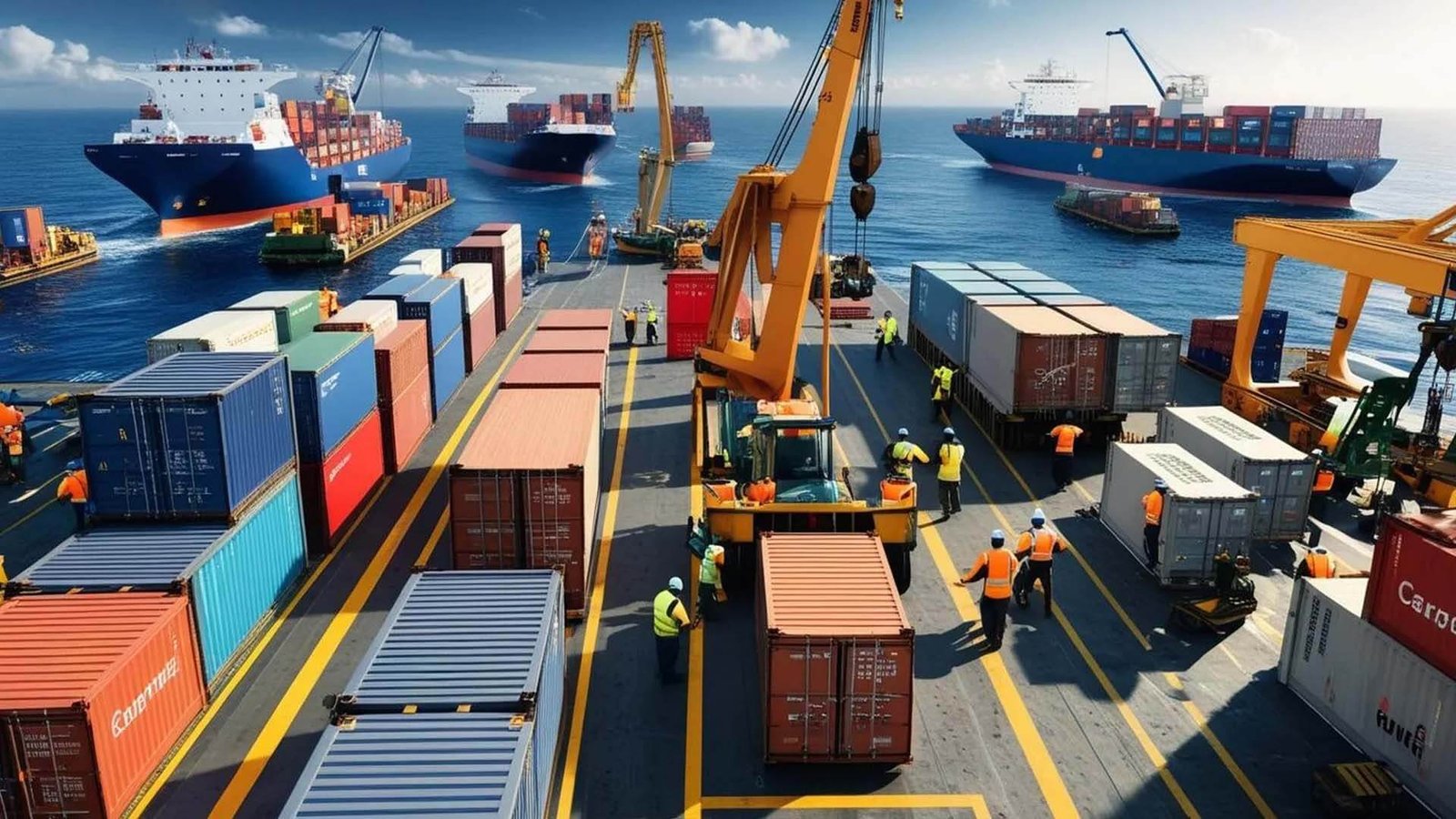
The rules for when you need a bond are quite clear, but they often catch new importers by surprise. I've had many calls from clients like Mark whose shipments are held up because they missed one of these requirements. It's not just about the value of your goods; other factors can trigger the need for a bond. Let's look at the specific situations.
The $2,500 Rule for Commercial Goods4
This is the most common trigger. If you are importing goods for commercial purposes and their value is over $2,500, you must have a customs bond1. This is considered a "formal entry." For goods under this value, you might be able to use an "informal entry," which does not require a bond, but there are exceptions.
Shipments Needing Extra Attention
Even if your shipment is valued under $2,500, you will still need a bond if it is subject to the requirements of other government agencies (OGAs). This is a big one that people miss.
| Agency | Examples of Regulated Goods |
|---|---|
| FDA | Food, cosmetics, medical devices |
| USDA | Wood products, plants, animal products |
| DOT | Vehicles and vehicle parts |
| EPA | Pesticides, chemicals |
If your goods fall under the authority of any OGA, a bond is mandatory, regardless of the shipment's value.
What Are the Different Types of Customs Bonds and How Do They Work?
Buying a bond for every shipment feels costly and slow. But what if there's a better way? Choosing the right bond type can save you time, money, and headaches.
The most common customs bond1s are single entry bonds, which cover one shipment, and continuous bonds, which cover multiple imports over a year. Importers choose bond types based on shipment frequency, value, and long-term import plans to balance cost and compliance coverage.

Choosing the right bond is a strategic decision. I explain it to my clients like choosing a transportation pass. You can buy a single ticket for one trip, or you can buy an annual pass for unlimited trips. The best choice depends on how often you travel. The same logic applies to customs bond1s. Your import frequency is the key factor.
The One-Time Option: Single Entry Bond5
A Single Entry Bond5 (SEB), also known as a Single Transaction Bond, is exactly what it sounds like. It covers a single import shipment. This option is great for businesses that import very infrequently, maybe only once or twice a year. The cost is calculated based on the specific value of that one shipment. However, if you start importing more often, the costs of buying an SEB for each shipment can add up quickly and become a hassle.
The Frequent Importer's Choice: Continuous Bond
A Continuous Bond covers all your shipments for an entire year. It's the "annual pass" for importing. For any of my clients who import three or more times a year, I almost always recommend a continuous bond. The minimum bond amount is typically $50,000. While this sounds like a lot, you only pay a small premium for it. It simplifies the customs process for every shipment and is far more cost-effective for regular importers. It renews automatically each year, making it a set-it-and-forget-it solution for compliance.
How Do Customs Bonds Protect the Government and Create Liability for Me?
You hired a broker, so you are covered, right? Wrong. The ultimate financial responsibility for duties and penalties falls on you. This misunderstanding can be a costly mistake.
While customs bond1s protect the government, they also create ongoing liability for importers. CBP can make claims against a bond if duties, taxes, or penalties go unpaid. Importers remain financially responsible even when brokers or forwarders file entries on their behalf.
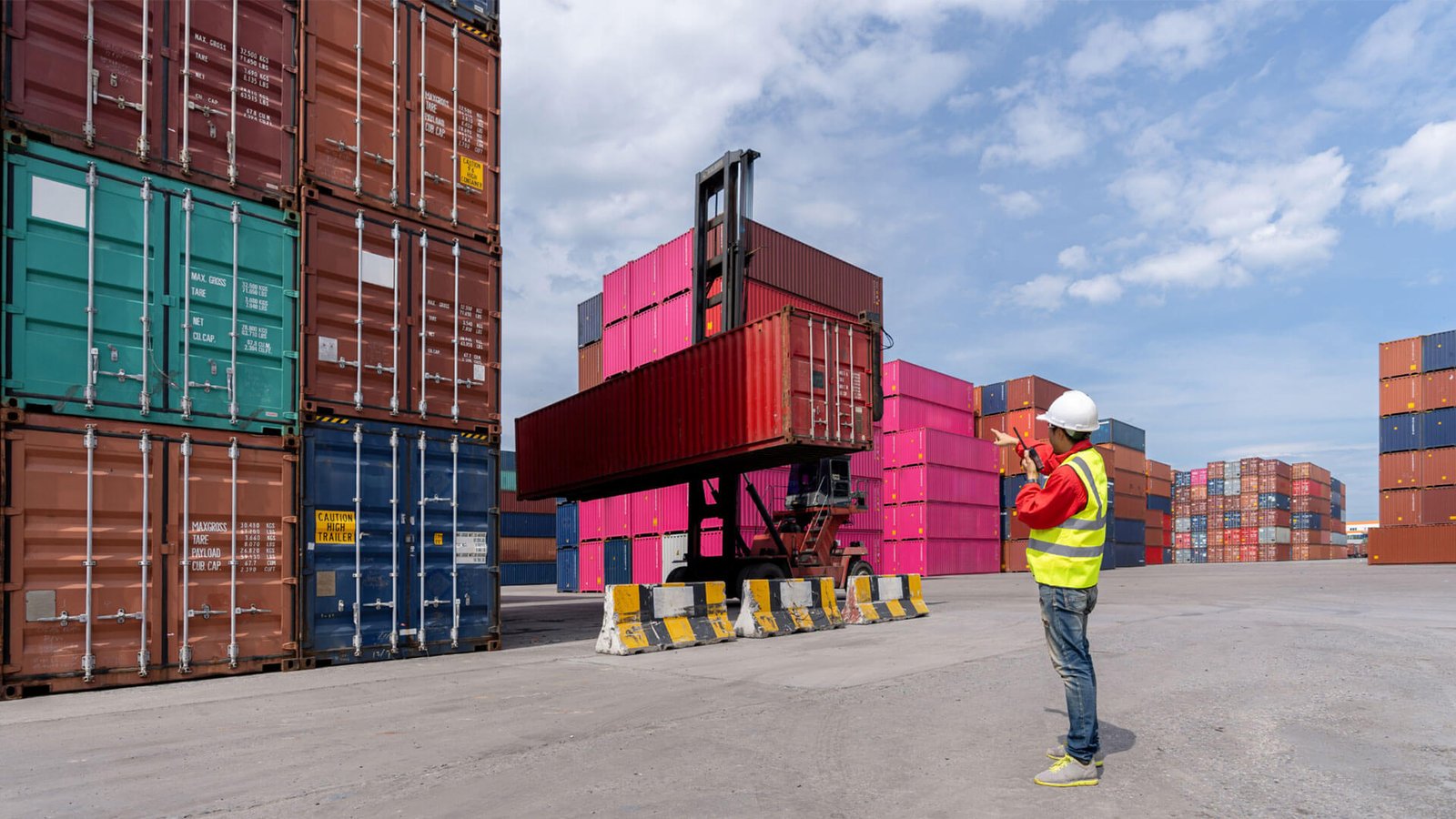
This is one of the most important things for an importer to understand. A customs bond1 is not an insurance policy for you; it's an insurance policy for the U.S. government. You, the Importer of Record (IOR)6, are always the one on the hook. Even if your customs broker makes a mistake when filing your entry, CBP will hold you liable for any unpaid duties or penalties.
Your Financial Responsibility
When you sign for a bond, you are making a legal promise. If CBP determines that more duties are owed after your goods are released, they will send you a bill. If you don't pay, CBP will file a claim against your bond. The surety company will pay CBP, but then they will come to you to get that money back. This liability is ongoing and doesn't disappear just because you use a third party to handle your paperwork.
The Customs Clearance Flow
Understanding your liability is easier when you see the process.
- Importer of Record: You must have a bond in place.
- Customs Bond: The bond guarantees payment to CBP.
- Entry Filing7: Your broker files the shipment details with CBP.
- CBP Review: CBP reviews the entry for accuracy and compliance.
- Cargo Release: If everything is in order, CBP releases your cargo.
Your liability covers the entire process.
How Long Does a Customs Bond Last and What If It's Missing?
Your bond is set, so you can forget it, right? An expired bond can bring your imports to a sudden halt. Proactive management is the only way to prevent this problem.
Single entry bonds expire after the shipment clears, while continuous bonds remain valid for one year and renew automatically. Missing or insufficient bond coverage8 can cause shipment holds, delayed clearance, or rejected entries, making bond management9 critical for uninterrupted importing.
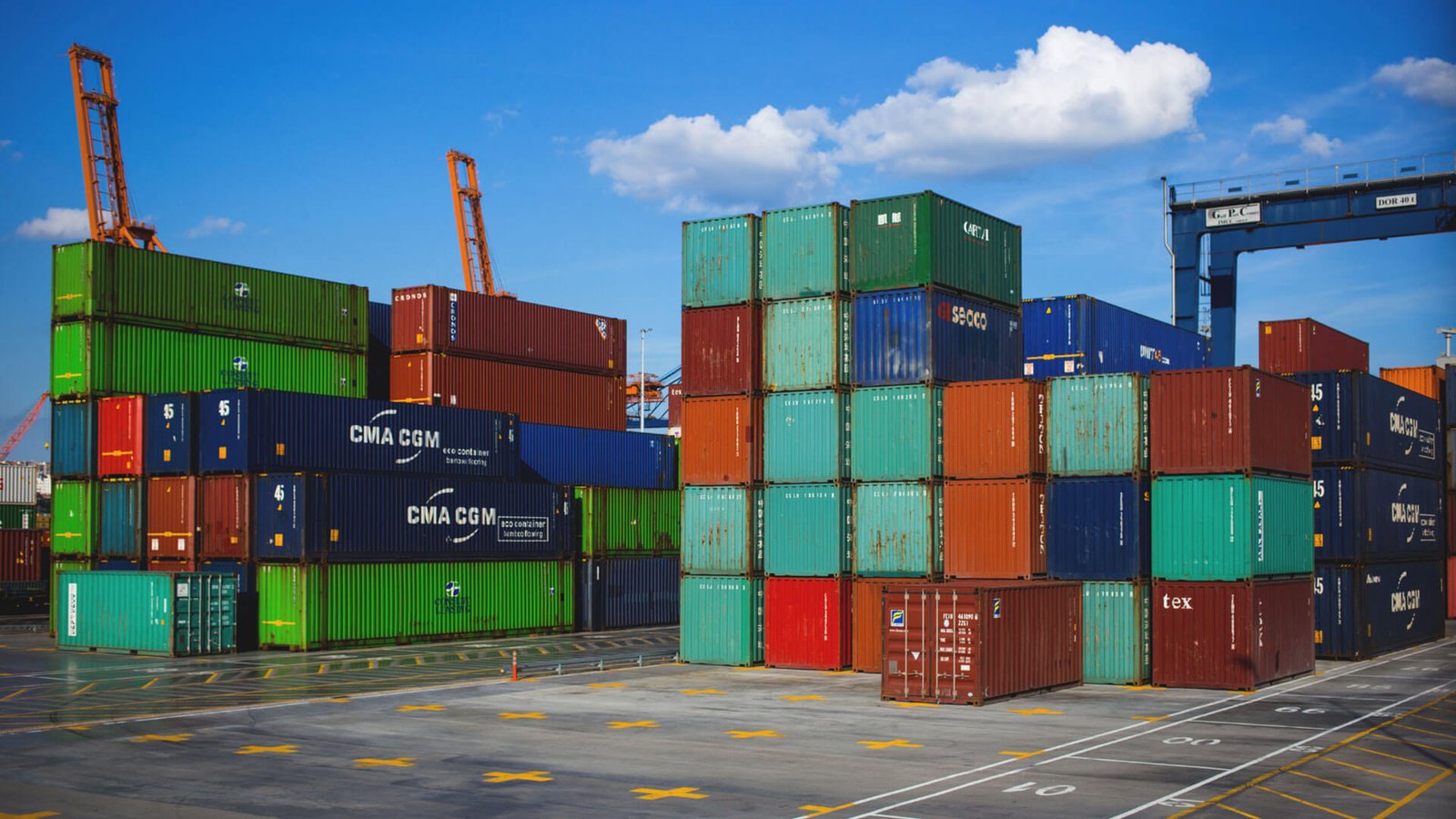
Bond validity is not something you can afford to overlook. I once had a client who missed the renewal notice for their continuous bond. The email went to their spam folder. Their container arrived at the port of Los Angeles and just sat there. CBP wouldn't release it. It took us over a week to get a new bond in place, and all that time, storage fees10 were piling up. It was a very expensive lesson in bond management9.
Bond Validity Periods
The duration of your bond depends on its type.
- Single Entry Bond5: This bond is tied to a specific shipment. Once that shipment has cleared customs and all final duties are paid (which can be long after release), the bond's obligation is complete.
- Continuous Bond: This bond is valid for one year from the date it becomes effective. It is designed to renew automatically, but you must pay the annual premium to the surety company to keep it active.
The High Cost of Missing Coverage
Importing without a valid bond is impossible for formal entries. If your bond has expired, is missing, or is not large enough for your shipment's value, CBP will reject the entry. This means your cargo will not be released from the port. The consequences are immediate and expensive:
- Shipment Holds: Your goods are stuck.
- Storage Fees: Demurrage and per diem charges start accumulating daily.
- Supply Chain Disruptions: Your production or sales timelines are thrown off.
How Can I Choose and Manage a Customs Bond to Avoid Delays?
Choosing a bond feels like a guess. Pick the wrong one and you either overpay or face compliance issues. Let's make this a clear, strategic business decision for your company.
Importers manage customs bond1s by selecting appropriate bond amounts, monitoring renewal dates, and aligning bond coverage8 with import volume. Working with experienced brokers and surety partners helps prevent under-bonding11, missed renewals, and clearance delays that disrupt supply chains.

Effectively managing your customs bond1 is just as important as choosing the right one. It’s an active process, not a one-time task. As your business grows, your bonding needs will change. For my detail-oriented clients like Mark, I provide a clear framework for managing this to save costs and avoid any surprises at the border. The goal is to ensure your bond is always sufficient but never excessive.
Selecting the Right Bond Amount
You can get a bond through a licensed customs broker12 like us or directly from a surety company. For a continuous bond, the amount is usually set at 10% of the total duties, taxes, and fees you expect to pay over the next 12 months. CBP requires a minimum continuous bond amount of $50,000. So, if you anticipate paying $200,000 in duties for the year, you would need a $50,000 bond. If you expect to pay $600,000, you would need a $60,000 bond.
Best Practices for Bond Management
Here is a simple checklist to stay on top of your bond:
- Work with a Partner: A reliable customs broker or logistics partner can help you monitor your import activity and advise if your bond amount needs to be adjusted.
- Calendar Your Renewal: Put your bond's renewal date on your calendar with multiple reminders.
- Review Annually: Before your bond renews, review your past year's import volume and forecast the next year's. Adjust your bond coverage8 up or down as needed.
- Keep Information Updated: Ensure your contact information with the surety company is always current so you don't miss important notices.
Conclusion
A customs bond1 is a non-negotiable part of importing. Proper selection and management are essential for keeping your supply chain moving smoothly and avoiding costly delays at the border.
Understanding customs bonds is crucial for importers to ensure smooth customs clearance and avoid shipment delays. ↩
Discover why a financial guarantee is essential for protecting the government and ensuring compliance with import regulations. ↩
Learn how CBP's regulations and requirements impact your import process and compliance. ↩
Learn about the value threshold that triggers the need for a customs bond and how it affects your shipments. ↩
Find out if a Single Entry Bond is the right choice for your import needs and how it can save costs for infrequent shipments. ↩
Understand the responsibilities and liabilities of the IOR in ensuring compliance with customs regulations. ↩
Learn about the entry filing process and its importance in ensuring your goods are released by customs. ↩
Learn how to assess and select the appropriate bond coverage to align with your import volume and compliance requirements. ↩
Explore strategies for managing your customs bonds to avoid delays and ensure compliance with import regulations. ↩
Find out how storage fees can impact your costs during customs delays and how to minimize them. ↩
Discover the risks of under-bonding and how to ensure your bond coverage is adequate for your import volume. ↩
Explore the benefits of working with a licensed customs broker to manage your customs bonds and ensure compliance. ↩