Food import regulations can be overwhelming. Are you clear on how USDA rules impact the food products you import into the United States?
USDA import rules1 determine whether certain food products are eligible to enter the U.S. market and under what conditions. These rules establish safety standards2, inspection requirements3, and eligibility criteria4 that importers must meet before shipment and at port of entry to avoid delays or refusals.
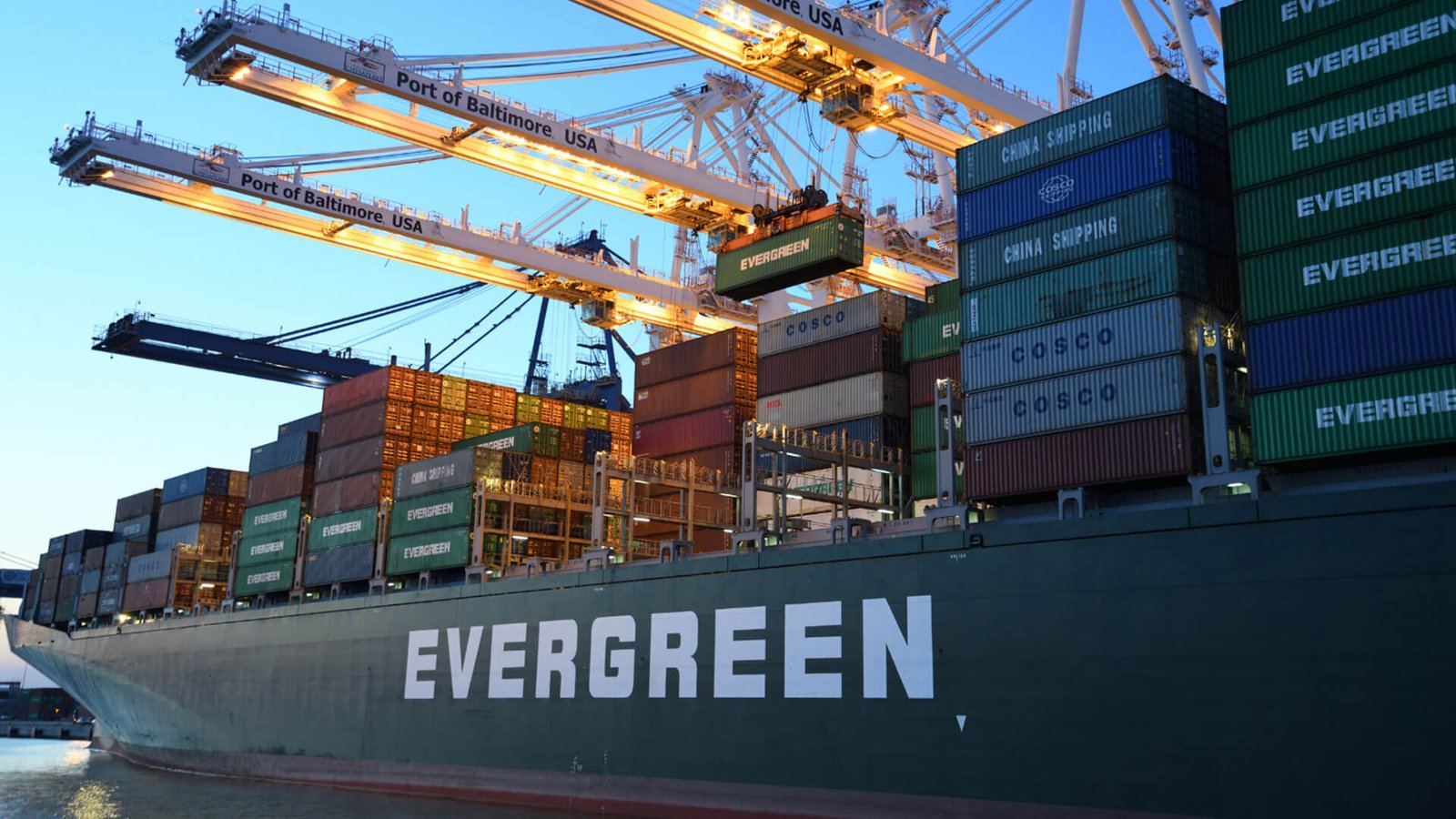
Understanding USDA import regulations is essential for avoiding costly mistakes. With non-compliance, you risk delays, increased costs, and significant disruptions. Knowing the USDA rules is not just beneficial; it is critical for a smooth import process.
USDA import rules1 govern which food products can enter the United States and set mandatory requirements for safety, inspection, and eligibility?
Every food importer must navigate the complex landscape of USDA import rules1. These regulations are not just guidelines; they serve as a framework for safety and compliance. The USDA ensures that food products entering the United States meet specific safety and quality standards.
USDA import rules1 stipulate that only eligible food products can enter the U.S. market and they must meet safety standards2, inspection requirements3, and eligibility criteria4. Understanding these rules helps importers avoid delays and refusals.
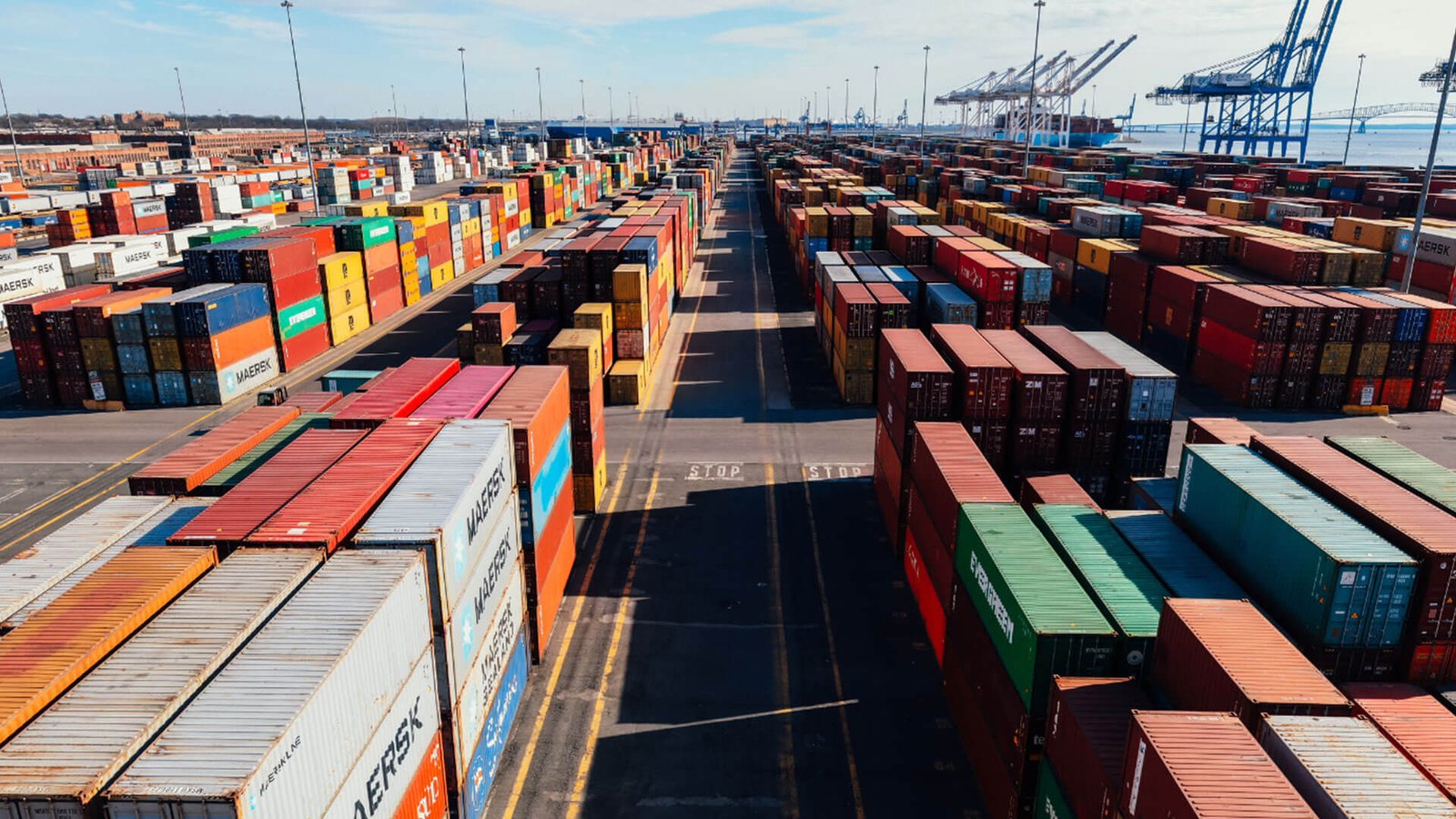
The USDA has a clear mandate: to protect consumers and ensure food safety. This means that every item you wish to import must be compliant with USDA guidelines. Failing to do so can lead to serious consequences, including shipment delays and financial losses.
USDA regulations primarily affect imported meat, poultry, egg products, and certain agricultural goods subject to FSIS oversight5?
What types of food products fall under USDA regulations? This is a critical question for every food importer.
USDA regulations mainly apply to meat, poultry, processed egg products, and selected agricultural items regulated by the Food Safety and Inspection Service (FSIS). Importers of these goods must comply with stricter eligibility and inspection standards than those applied to most FDA-regulated food products.
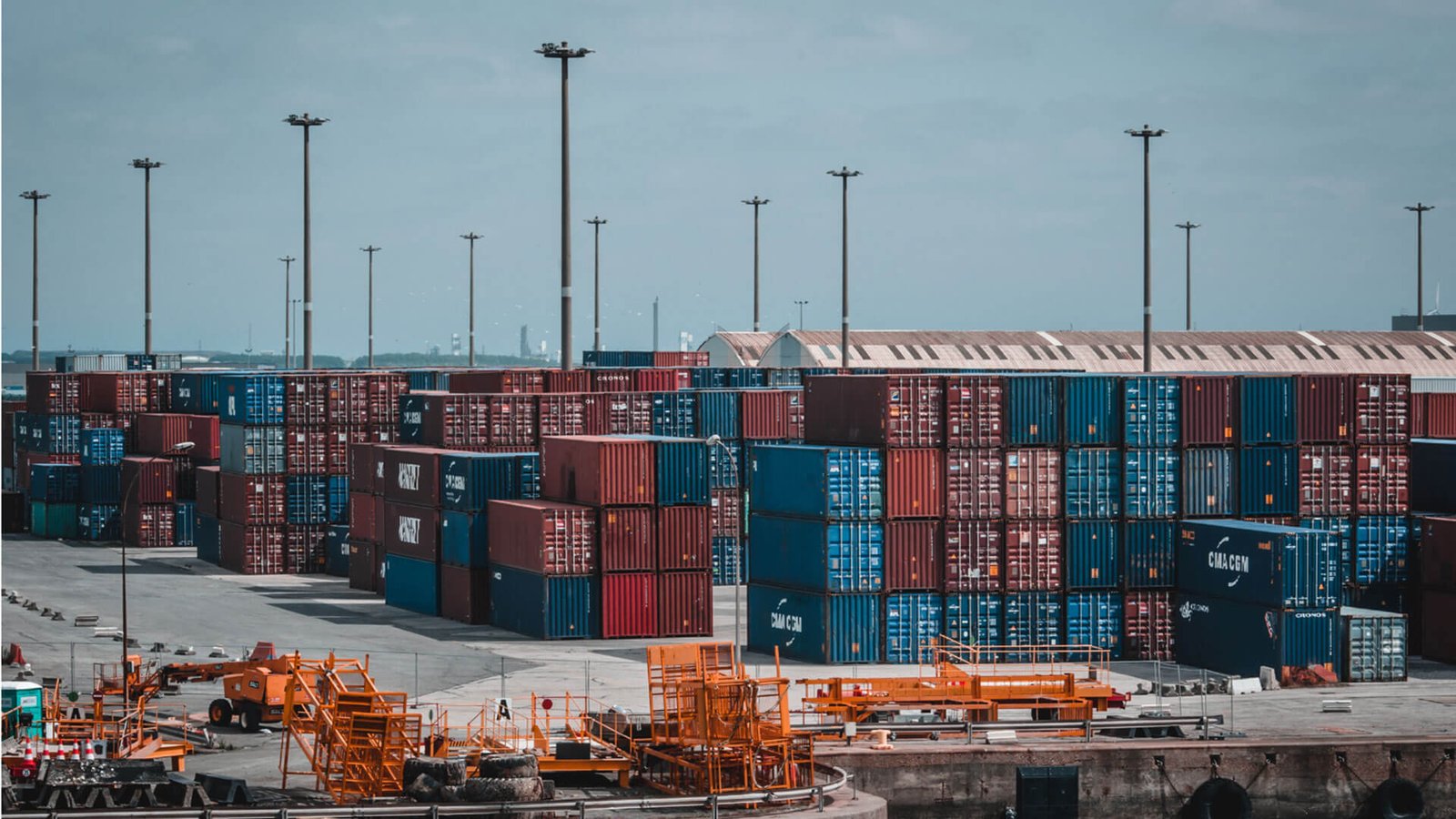
To break it down, the USDA’s regulations focus heavily on products like meat and poultry. It’s important to note that these items require specific inspections and documentation that differ from other food categories. Understanding this distinction can save you from costly mistakes and ensure your shipments clear customs smoothly.
Food imports regulated by USDA must meet equivalency standards6, documentation requirements7, and pre-approval conditions before shipment?
Navigating the paperwork for food imports can be daunting. But what documentation is actually required?
USDA-regulated food imports must originate from countries and facilities approved as equivalent to U.S. standards. Importers must secure proper certifications, export health documents, and prior approvals before shipping, as missing or incorrect documentation can trigger inspection holds8 or entry refusal.
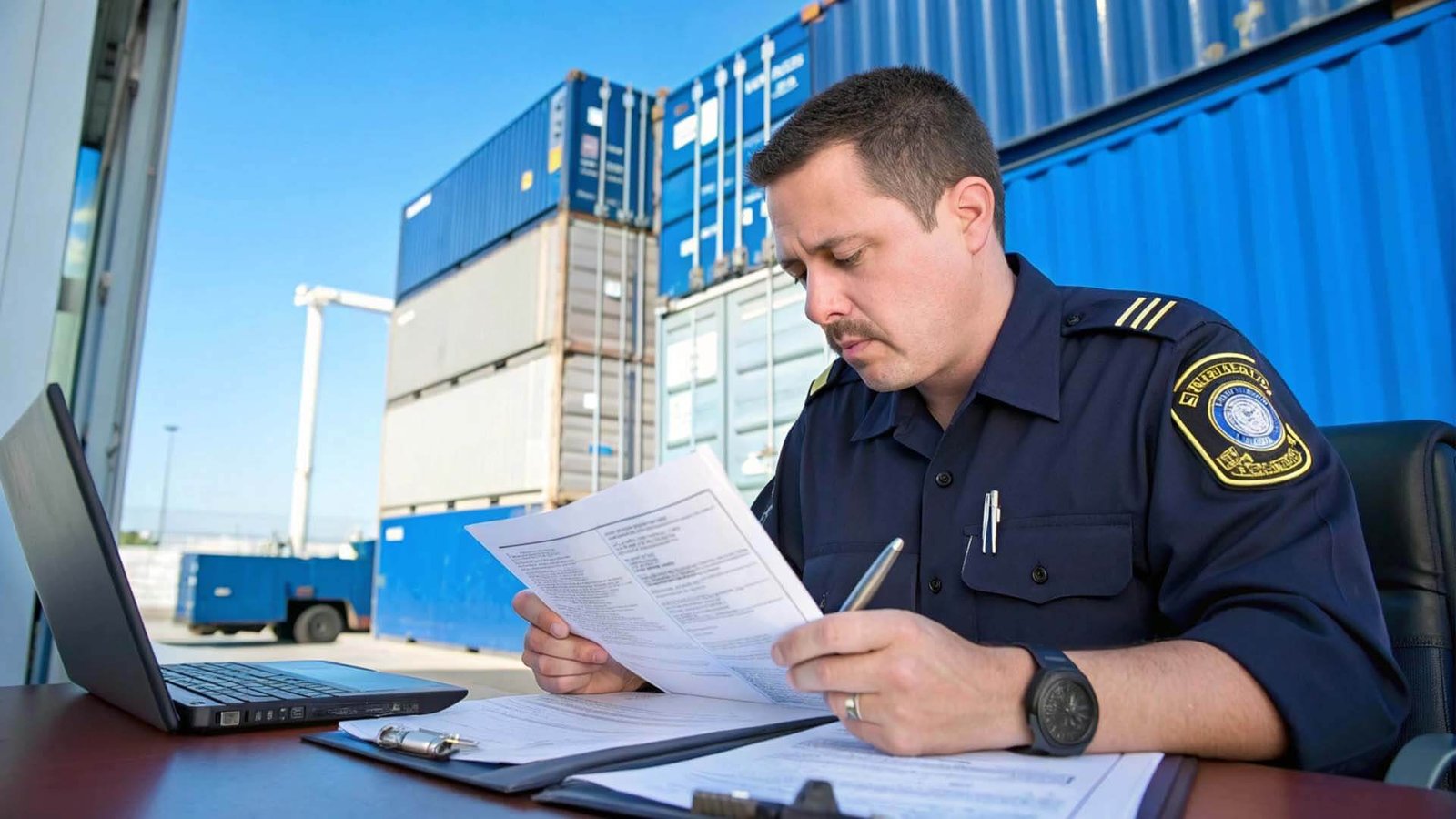
The USDA’s equivalency standards6 ensure that foreign food products meet U.S. safety requirements. This means that you need the right documentation before shipping. Missing a single document can lead to significant delays and added costs. It’s imperative to double-check all requirements and secure proper certifications before embarking on your import journey.
USDA inspections9, holds, and rejections can delay food imports and significantly increase storage, compliance, and landed costs?
What happens when your shipment is held at the port? This scenario is all too common for importers.
USDA inspections9 may involve document review, identity checks, or physical exams at the port of entry. When shipments are held or rejected, importers incur additional storage, demurrage, re-export, or destruction costs, making inspection readiness critical for protecting delivery timelines and margins.
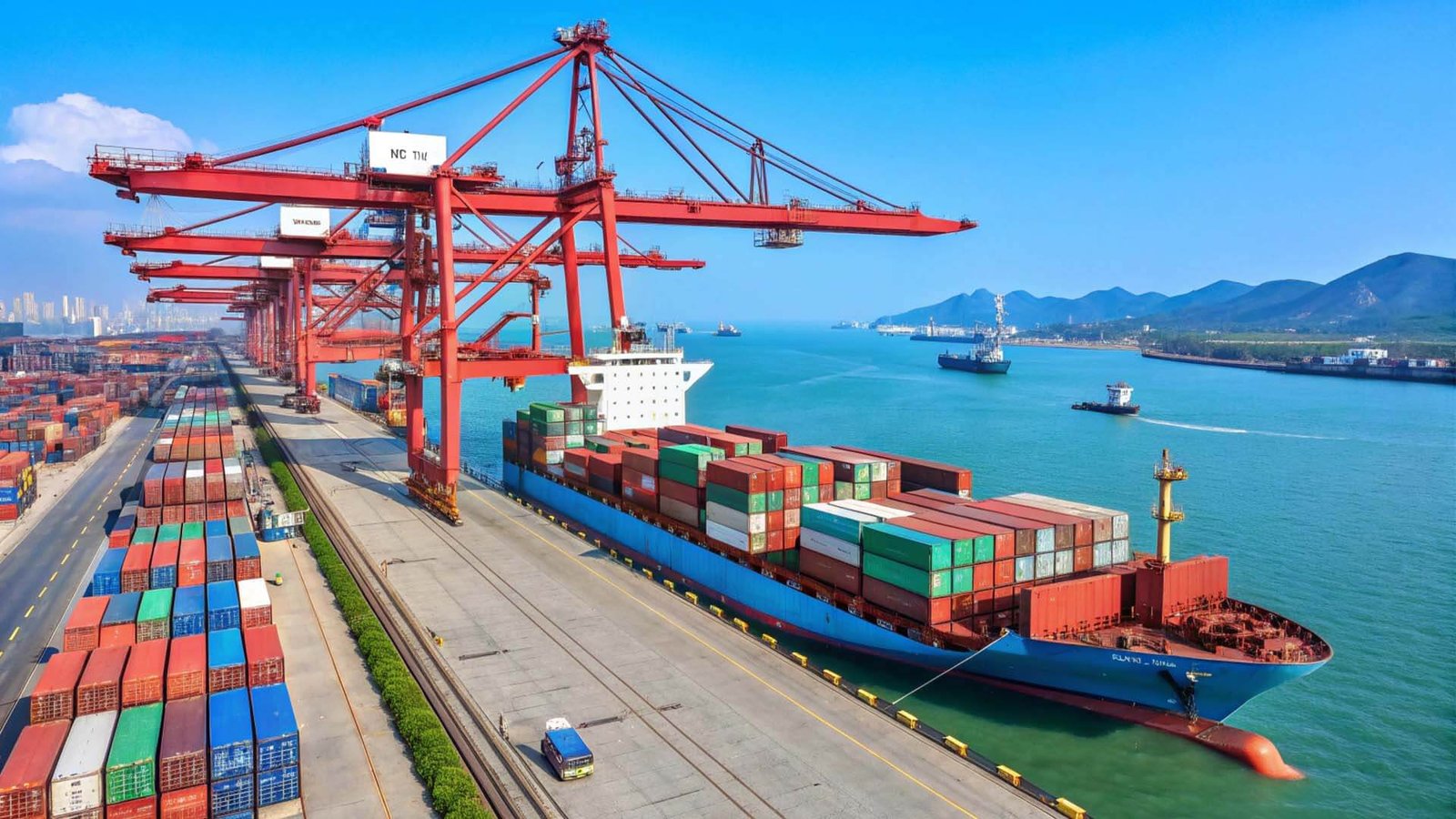
Delays can escalate costs quickly. If your shipment is held due to an inspection, you might incur additional charges that can impact your bottom line. It’s essential to be prepared for inspections by ensuring that all documentation is in order and your goods comply with USDA standards. This preparedness can mitigate delays and reduce overall costs.
Understanding the difference between USDA and FDA jurisdiction is critical to avoiding misfilings and clearance delays for food imports?
Do you know whether your product falls under USDA or FDA regulation? This distinction is crucial.
USDA and FDA regulate different categories of food imports, and filing under the wrong agency can delay or block clearance. Importers must correctly determine jurisdiction before shipping, as USDA-regulated products face different approval, inspection, and documentation requirements7 than FDA-regulated foods.

Misclassifying your product can result in lengthy delays and costly fees. It’s vital to identify the correct regulatory body before shipping your goods. This knowledge not only streamlines the clearance process but also helps in avoiding penalties that can arise from non-compliance.
Navigating the complexities of USDA regulations isn’t something you have to do alone.
Specialized logistics and customs partners10 coordinate USDA documentation, inspection scheduling, and port communication on behalf of importers. This support reduces clearance risk, prevents costly holds, and ensures food shipments meet regulatory requirements while moving efficiently through U.S. ports.
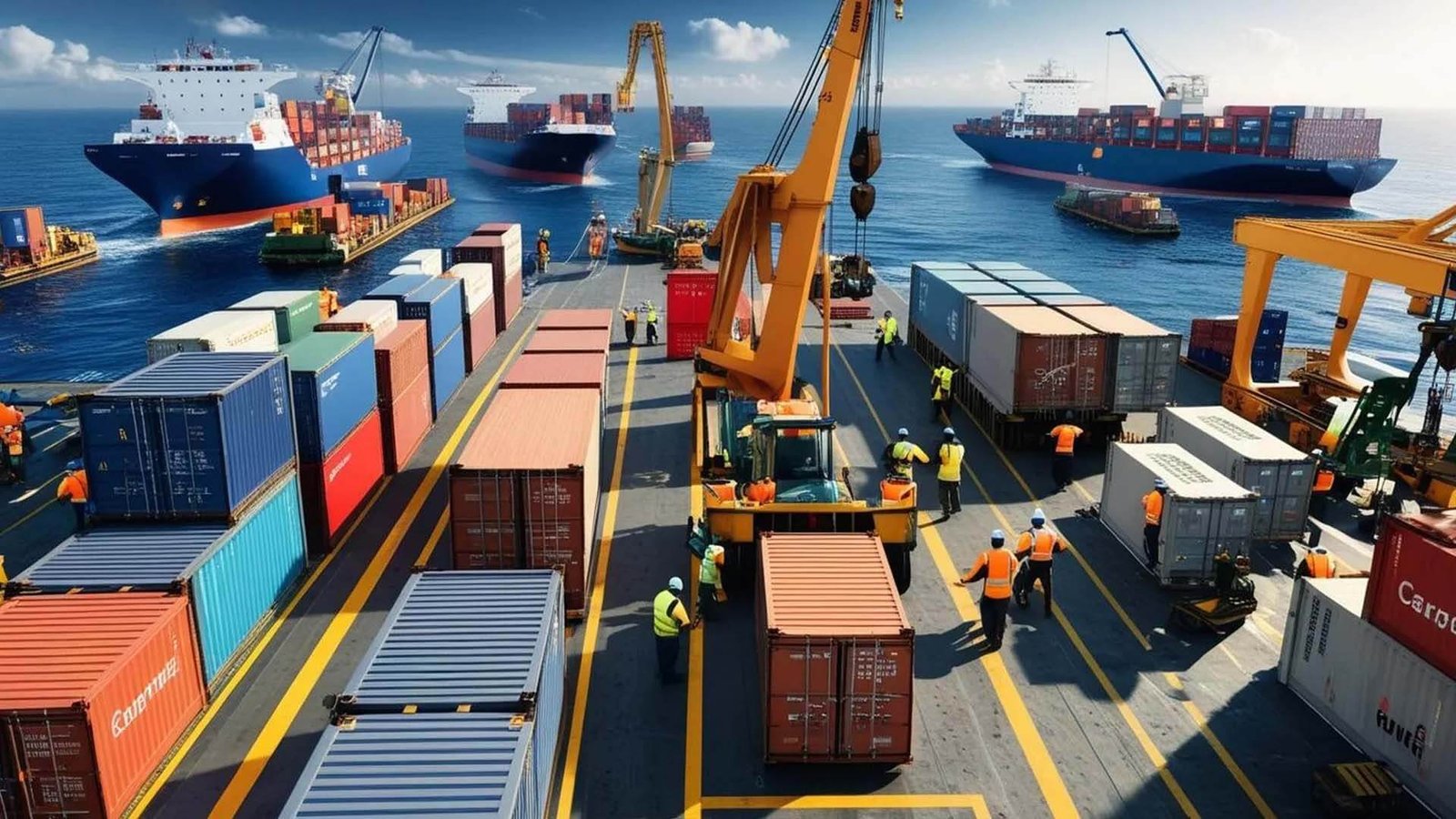
Working with experienced logistics partners can significantly ease the burden of compliance. They understand the intricacies of the USDA import process and can help you keep your shipments moving smoothly. Their expertise can save you time, reduce costs, and help you avoid the headaches of regulatory compliance11.
Conclusion
Understanding USDA import rules1 is essential for successful food imports, avoiding delays, and ensuring compliance.
Understanding USDA import rules is crucial for ensuring that your food products meet safety and eligibility standards, avoiding costly delays. ↩
Knowing the safety standards set by the USDA helps ensure that your food imports are compliant and safe for U.S. consumers. ↩
Inspection requirements are vital to ensure that your food products pass USDA checks and avoid entry refusals. ↩
Meeting eligibility criteria is essential for your food products to be accepted into the U.S. market without issues. ↩
FSIS oversight is crucial for understanding how meat, poultry, and egg products are regulated under USDA rules. ↩
Equivalency standards ensure that foreign food products meet U.S. safety requirements, crucial for compliance. ↩
Proper documentation is necessary to avoid shipment delays and ensure smooth customs clearance. ↩
Understanding inspection holds can help you prepare and avoid costly delays and additional charges. ↩
USDA inspections are critical for compliance, and knowing their impact can help you prepare and avoid delays. ↩
Experienced partners can navigate USDA rules, reducing risks and ensuring efficient shipment clearance. ↩
Regulatory compliance is essential to avoid penalties, delays, and ensure your products meet U.S. standards. ↩