It's frustrating when unexpected fees cut into your profits. Demurrage and detention charges1 can add up quickly and become a significant cost for U.S. importers. Understanding these fees can help you avoid them.
Demurrage and detention are accessorial charges2 applied when containers exceed their allotted free time3. Demurrage applies when containers remain at the port or terminal, while detention applies when containers are held outside the terminal. Both fees are designed to encourage faster cargo movement and equipment return.
When I first encountered these fees, it was overwhelming. I had containers sitting longer than anticipated, leading to unexpected costs. The key to managing these issues lies in understanding the specific terms and how to navigate the logistics process effectively.
The key difference between demurrage and detention lies in whether the container is delayed at the port or held outside the terminal?
Understanding the distinction between demurrage and detention is crucial. Demurrage is charged when containers are at the terminal beyond permitted free time3. Detention fees apply when containers are not returned on time after being taken from the terminal. Recognizing these differences can help you identify where delays occur in your supply chain.
Demurrage is charged when containers sit at the terminal beyond free time3, while detention is charged when containers are not returned on time after leaving the terminal. Understanding this distinction helps importers pinpoint where delays occur and which part of the supply chain needs correction.
It helps to think of it this way: demurrage is like a late fee for not picking up your grocery order, while detention is like a penalty for not returning a rented movie on time. Both can drain your resources, but knowing what triggers each will empower you to take action.
Demurrage and detention fees are triggered by port congestion4, customs delays5, documentation issues, and poor delivery coordination?
These fees can catch you off guard. Port congestion is a common cause, as are slow customs clearances and missing documents. Any delay in picking up or returning containers can lead to charges stacking up quickly.
These fees commonly arise from congestion at ports, slow customs clearance, missing documents, or lack of truck and warehouse availability. When containers cannot be picked up or returned promptly, free time3 expires and charges accumulate, increasing landed costs for importers.
One time, a shipment I was coordinating faced significant delays due to a backlog at the port. It seemed that every day we waited resulted in higher costs. This experience taught me the importance of proactive measures and clear communication with all parties involved in the shipping process.
Responsibility for paying demurrage and detention depends on Incoterms6, carrier contracts, and how the shipment is managed after arrival?
Understanding who is responsible for these fees can be tricky. Liability often depends on Incoterms6 and the specific agreements made with carriers. In many cases, once your cargo arrives, you could be on the hook for any additional charges.
Liability for demurrage and detention varies based on Incoterms6, carrier terms, and local handling arrangements. In many cases, the importer becomes responsible after cargo arrival, making it essential to clearly define responsibilities and coordinate post-arrival activities to avoid unexpected charges.
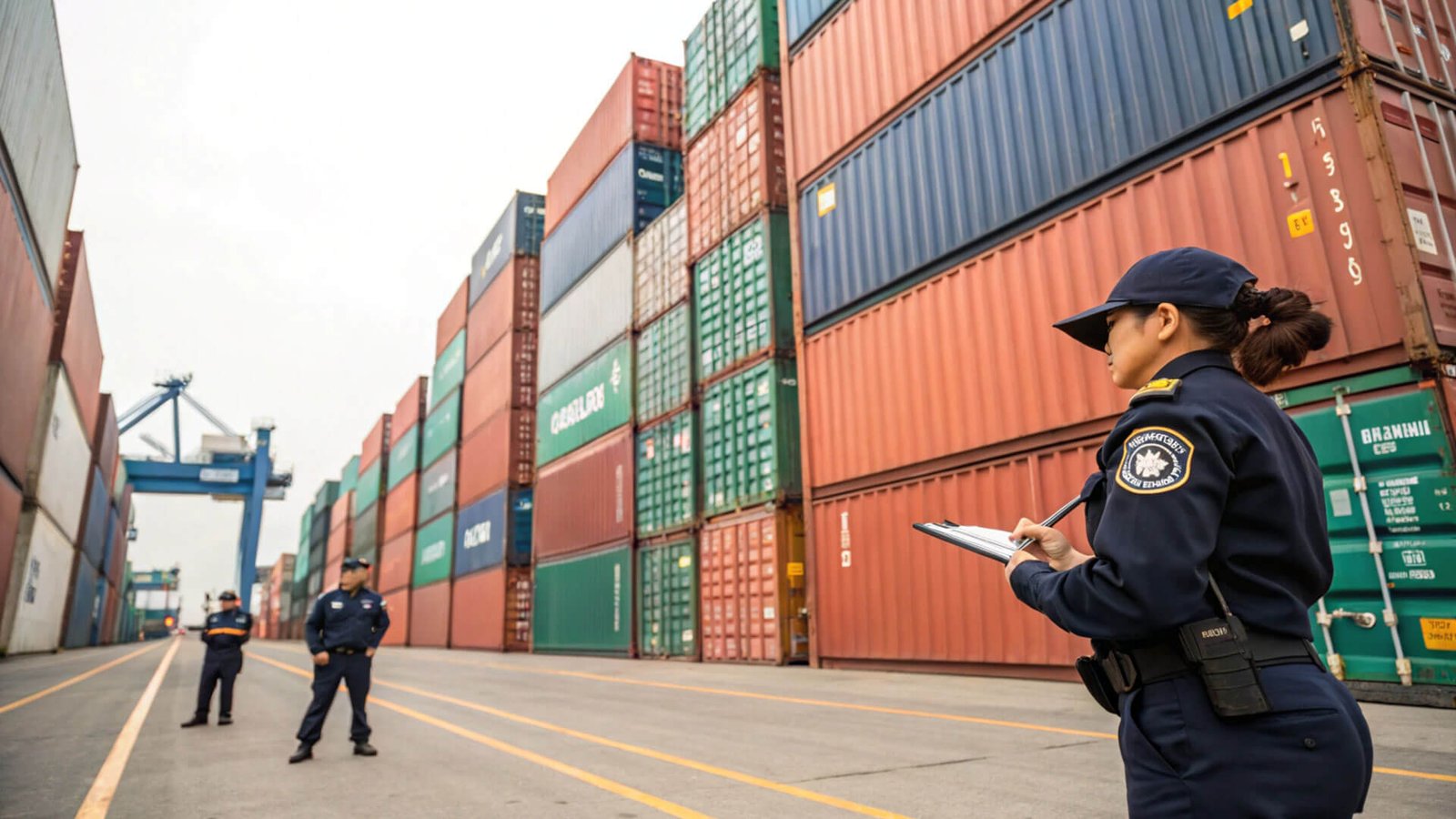
I’ve learned that having a clear agreement in place regarding fees can save you a lot of headaches. I always ensure that I know how responsibilities are divided before the shipment arrives to avoid any surprises later.
Importers can reduce or avoid demurrage and detention fees through proactive planning7, visibility, and coordination across customs, trucking, and warehouses?
There are steps you can take to minimize these fees. Early preparation of customs documents, timely monitoring of vessel arrivals, and securing transportation and storage in advance are critical actions that can save you money.
Importers can minimize these fees by preparing customs documents early, monitoring vessel arrivals, securing trucking and warehouse appointments in advance, and maintaining real-time shipment visibility8. Coordinated planning across logistics partners9 helps containers move within free time3 and keeps accessorial costs under control.
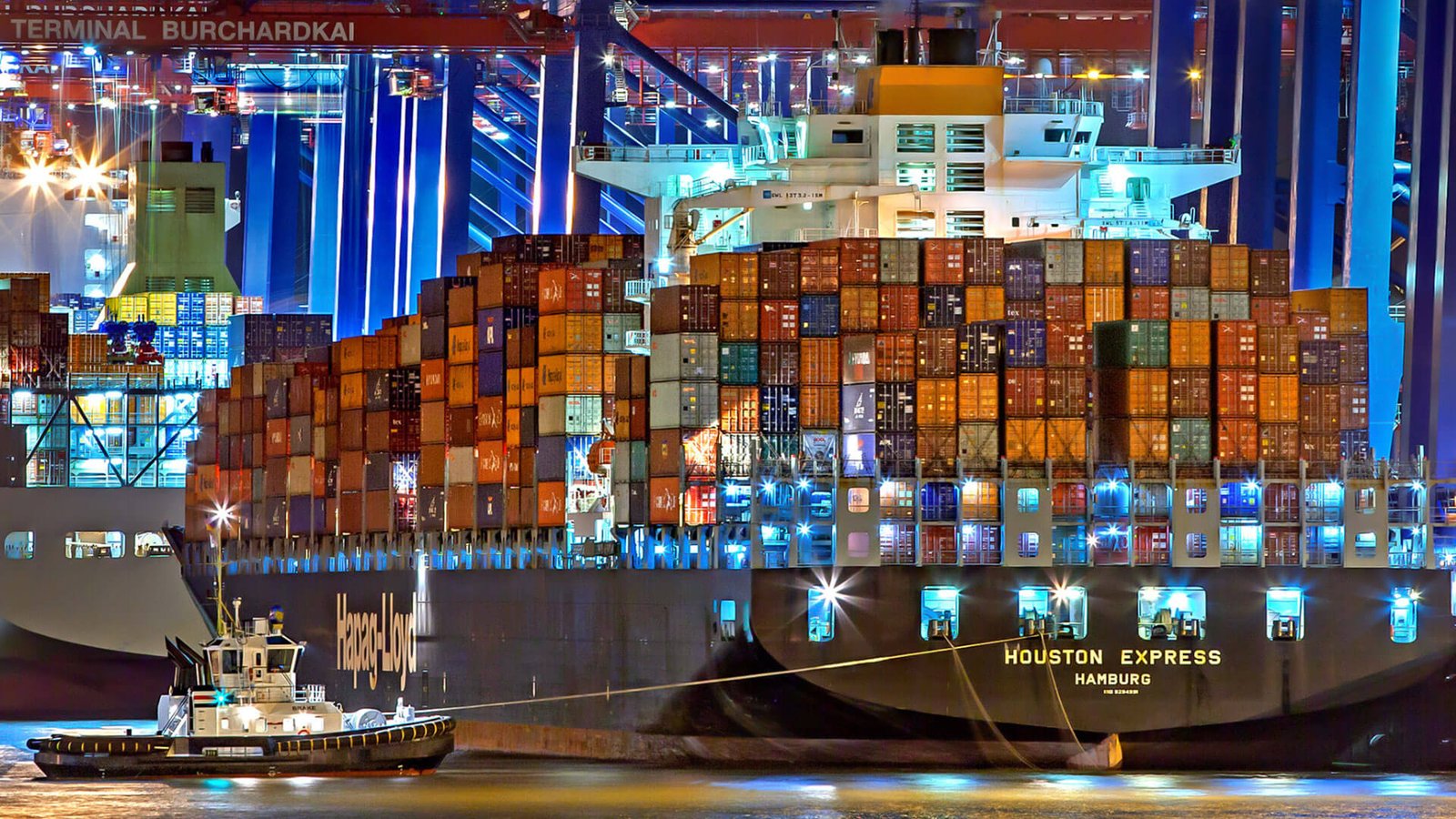
In my experience, keeping communication open with all logistics partners9 has proven invaluable. When I proactively manage the process, I reduce the risk of incurring extra charges significantly.
🔗 Google-Friendly Process Flow
- Vessel Arrival – Container discharged at port or terminal
- Free Time Window – Importer has limited days to pick up and return equipment
- Demurrage or Detention – Fees apply if free time3 expires at port or off-terminal
- Final Delivery & Return – Cargo delivered and empty container returned
This visual timeline makes it easy to see when fees begin and how they accumulate, which is essential for preventing unexpected costs.
| 📦 Demurrage vs Detention vs Per Diem10 (Importer Comparison) | Fee Type | Description | When It Applies | Prevention Strategies |
|---|---|---|---|---|
| Demurrage | Charged when containers remain at the terminal beyond free time3 | When containers are delayed at the port | Plan pickup promptly | |
| Detention | Charged when containers are kept outside the terminal too long | When containers are not returned on time | Schedule timely returns | |
| Per Diem10 | Equipment usage charges similar to detention | Often used interchangeably | Ensure swift equipment return |
By breaking down these fees, you can understand how to avoid them effectively. Each fee can be calculated differently, but with careful planning and coordination, you can prevent them.
Conclusion
Understanding detention and demurrage fees can save you from unnecessary costs and streamline your logistics process.
Understanding these charges can help you avoid unexpected costs and manage your logistics more effectively. ↩
Knowing about accessorial charges can help you anticipate additional costs in your shipping process. ↩
Learning about free time can help you manage your shipping schedule to avoid extra fees. ↩
Port congestion can lead to delays and increased costs, so understanding its impact is crucial for importers. ↩
Customs delays can cause unexpected fees, so knowing how to navigate them is essential for smooth shipping. ↩
Understanding Incoterms can clarify who is responsible for fees and liabilities in international shipping. ↩
Proactive planning can help you avoid unnecessary fees and ensure a smooth logistics process. ↩
Real-time visibility helps you track shipments and avoid delays that could lead to extra charges. ↩
Working with reliable logistics partners can streamline your shipping process and reduce costs. ↩
Understanding Per Diem charges can help you manage equipment usage costs effectively. ↩