The world of trade is complex, and understanding reciprocal tariffs1 can feel overwhelming. But knowing how these tariffs work is essential for U.S. importers who want to navigate global trade2 successfully.
Reciprocal tariffs are import duties3 imposed in response to how other countries tax or restrict U.S. exports. Rather than applying uniform rates, these measures adjust tariffs by country and product, directly linking trade policy4 to foreign treatment of U.S. goods and creating uneven duty exposure for importers.
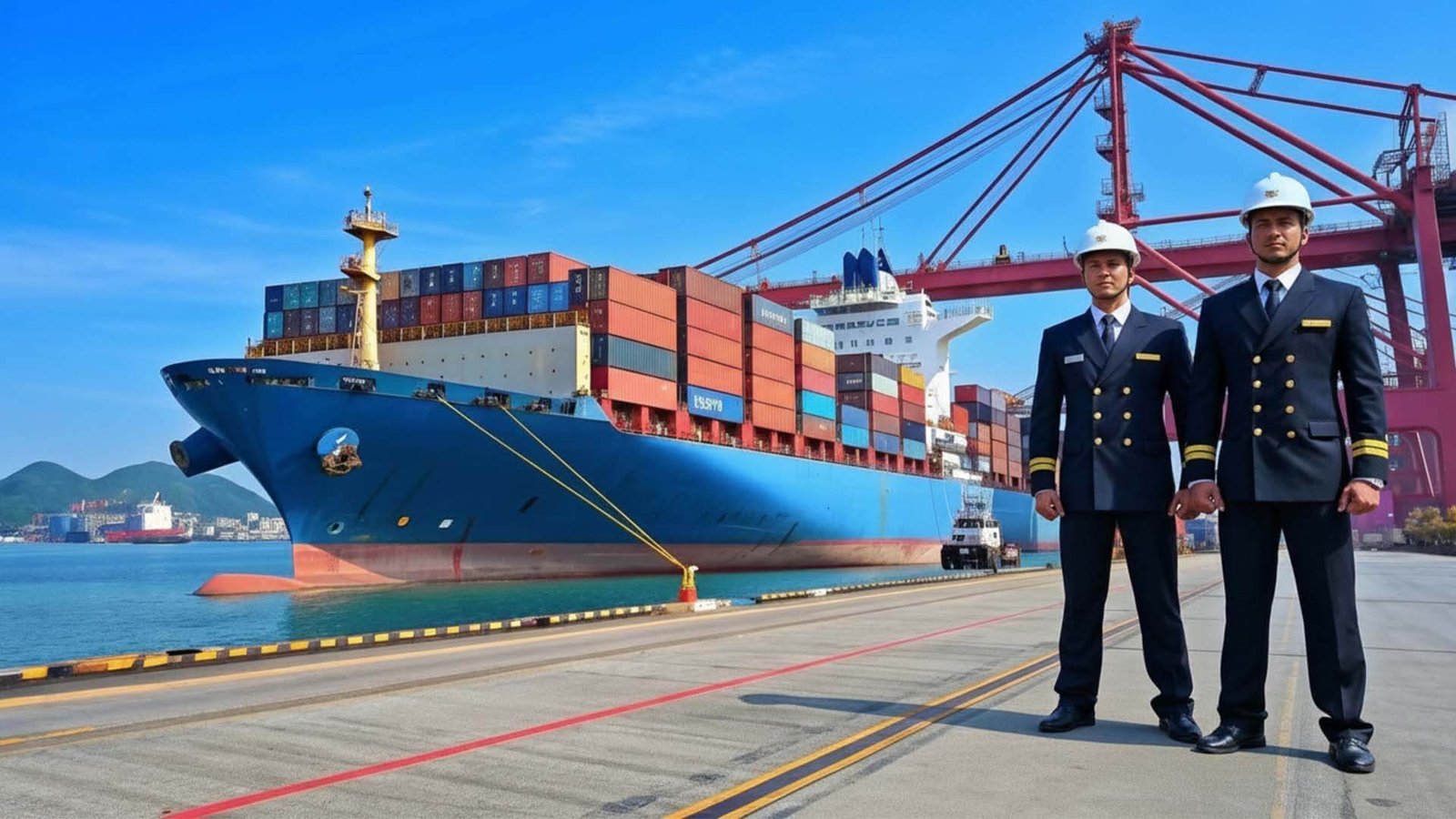
Navigating the realm of reciprocal tariffs1 is crucial. The effects ripple through the entire supply chain5, influencing costs and decisions. Understanding these impacts can shape our strategies effectively.
Reciprocal tariffs are trade measures that adjust import duties3 based on how U.S. exports are treated by foreign governments?
The understanding of reciprocal tariffs1 is fundamental for any importer. These tariffs are not just an arbitrary set of rules; they respond to how foreign governments treat American exports. If a country imposes high tariffs on U.S. goods, the U.S. may retaliate with similarly high tariffs on imports from that country.
Reciprocal tariffs are import duties3 that adjust based on other countries' treatment of U.S. exports. This dynamic system creates a link between trade policies and impacts U.S. importers differently depending on the country and product.
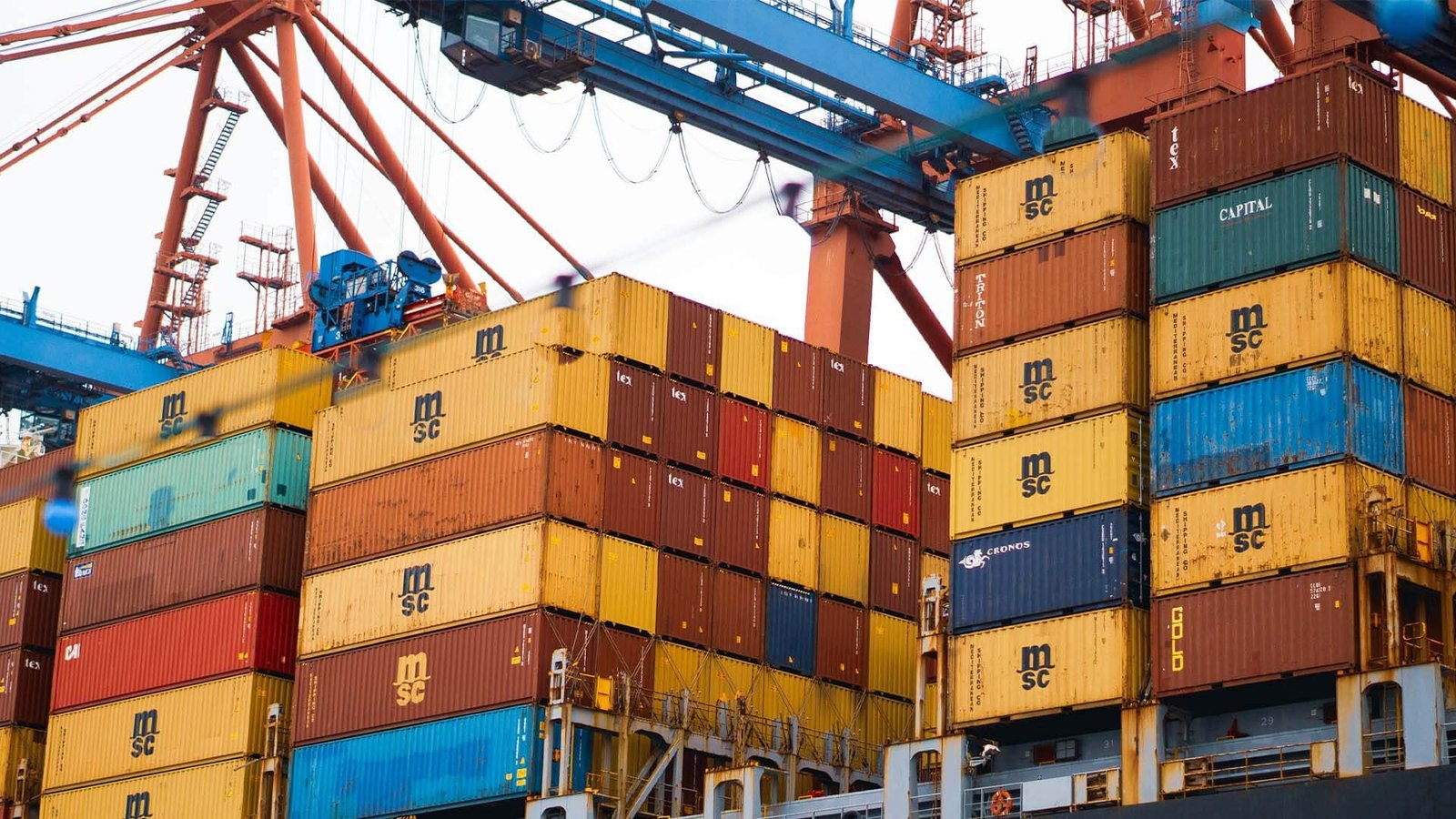
Understanding the purpose behind reciprocal tariffs1 can help us navigate the related complexities. They are designed to create fairness in trade by ensuring that countries cannot benefit from unfair practices. However, their introduction often brings volatility and unpredictability.
What Are Reciprocal Tariffs?
Reciprocal tariffs are essentially a trade response mechanism. They serve to balance trade relationships. When a foreign government imposes a tax on U.S. goods, reciprocal tariffs1 allow the U.S. to impose a tax on imports from that country. This creates a system where countries are incentivized to engage fairly in trade.
Purpose of Reciprocal Tariffs
The primary purpose of these tariffs is to level the playing field. By adjusting tariffs based on how U.S. goods are treated, these measures aim to deter unfair practices. However, the reality is that they can create confusion, especially for importers who have to adapt quickly to changes in duty rates.
Reciprocal tariffs impact global trade2 by increasing duty volatility and reshaping sourcing, pricing, and supply chain5 decisions?
Trade is rarely predictable, but reciprocal tariffs1 inject a new level of uncertainty. As duties change, importers must constantly reevaluate their strategies, making it vital to stay informed.
By introducing country-specific tariff adjustments, reciprocal tariffs1 increase uncertainty in global trade2. Importers must constantly reassess sourcing locations, pricing strategies6, and inventory planning, as changes in tariff treatment can quickly alter landed costs7 and make previously viable trade lanes uncompetitive.
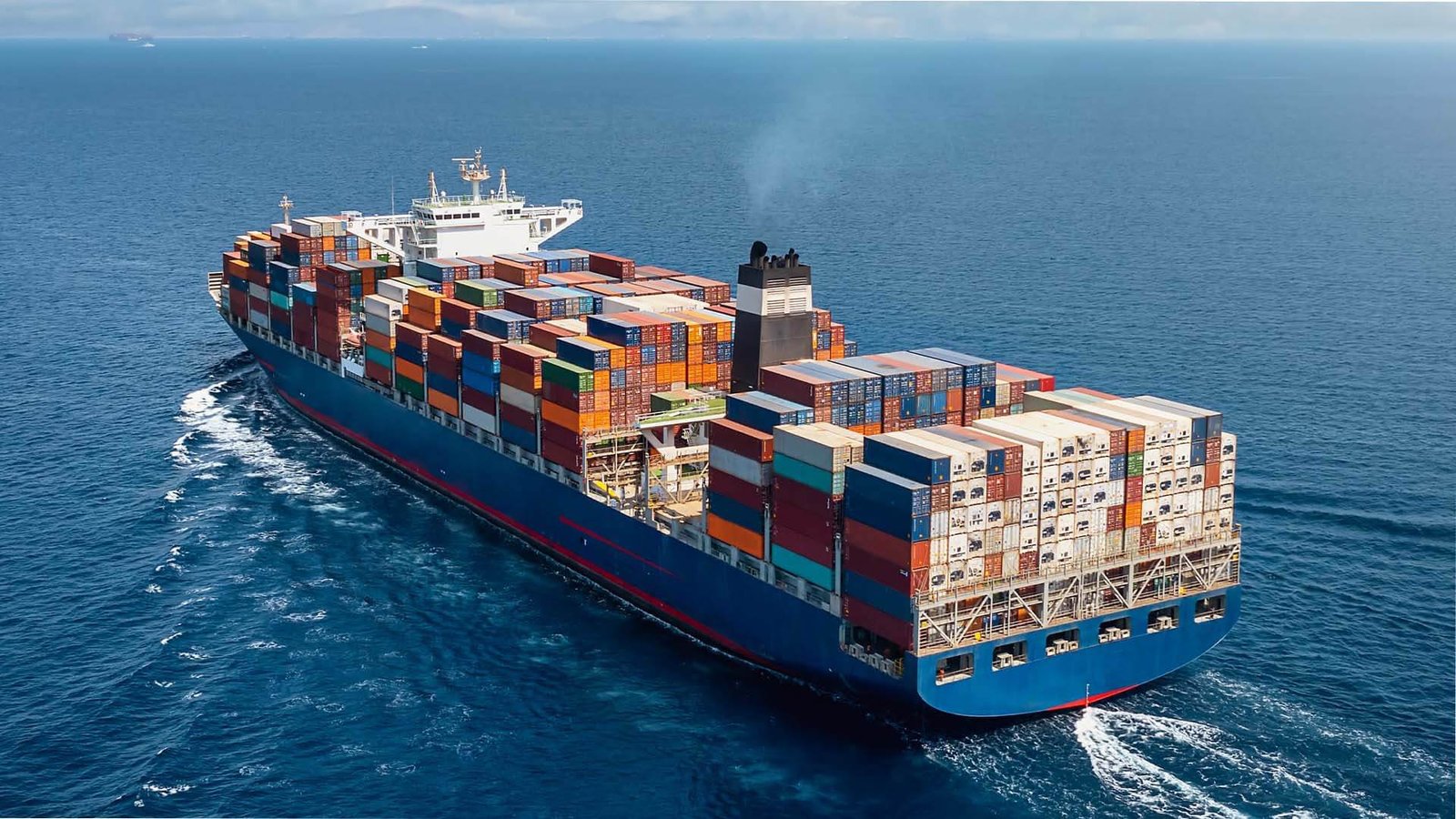
This volatility can lead to higher costs and may nearly double the time it takes to get goods to market. Importers often find themselves scrambling to adapt their sourcing and pricing strategies6 in response to shifting tariffs. It's a balancing act that requires constant monitoring of trade policies and tariff schedules.
Implications of Tariff Volatility
- Sourcing Decisions: Importers may need to look elsewhere for suppliers if costs become unsustainable.
- Pricing Strategies: Pricing adjustments may be necessary, impacting customer relationships.
- Inventory Management: Changes in tariff rates might lead to overstocking or stockouts, complicating logistics.
U.S. importers are affected differently by reciprocal tariffs1 depending on product classification, country of origin8, and existing tariff exposure?
The impact of reciprocal tariffs1 is not uniform across all importers. Different products and classifications can lead to vastly different experiences.
Reciprocal tariffs are applied at the product and country level, not across all imports. The impact depends on HS classification9, declared country of origin8, and whether goods already face duties such as Section 301 or safeguard tariffs, creating uneven cost exposure among importers.

Understanding how tariffs are classified is critical. The Harmonized System (HS) codes determine how products are treated under trade law. Even a slight difference in product classification can lead to significant cost differences, making it essential to get it right.
Factors Influencing Tariff Impact
- HS Classification: Each product's specific code dictates tariff rates.
- Country of Origin: Tariffs can change significantly based on where the product is coming from.
- Existing Tariffs: If products already face tariffs, the introduction of reciprocal tariffs1 may exacerbate costs.
Reciprocal tariffs can disrupt global supply chain5s by shifting trade flows, increasing compliance complexity10, and raising landed costs7?
The ripple effect of reciprocal tariffs1 is often felt across the entire supply chain5. Importers must consider not only the direct costs but also the potential for disruption.
When reciprocal tariffs1 are introduced, importers may reroute sourcing, split production, or change suppliers to control costs. These shifts add compliance complexity10, increase documentation risk, and often raise total landed cost due to longer transit times or higher logistics expenses.

Managing these changes requires careful planning. Importers must be proactive and strategic in their approach. Each decision can have far-reaching consequences, making it vital to understand both immediate and long-term impacts.
Impact on Supply Chains
- Trade Flow Changes: New routes may need to be established, affecting lead times.
- Compliance Complexity: New regulations and documentation requirements can increase the risk of non-compliance.
- Landed Costs: Overall costs may rise, affecting pricing and profit margins.
Importers can reduce the impact of reciprocal tariffs1 through proactive tariff analysis11, sourcing diversification12, and customs strategy planning13?
The good news is that importers can take steps to mitigate the effects of reciprocal tariffs1. A proactive approach can help navigate the complexities these tariffs introduce.
Importers mitigate reciprocal tariff risk by reviewing HS classification9s, validating country-of-origin rules, and diversifying sourcing where possible. Coordinating tariff analysis11 with customs entry timing and logistics planning helps stabilize landed cost and avoid sudden margin erosion.
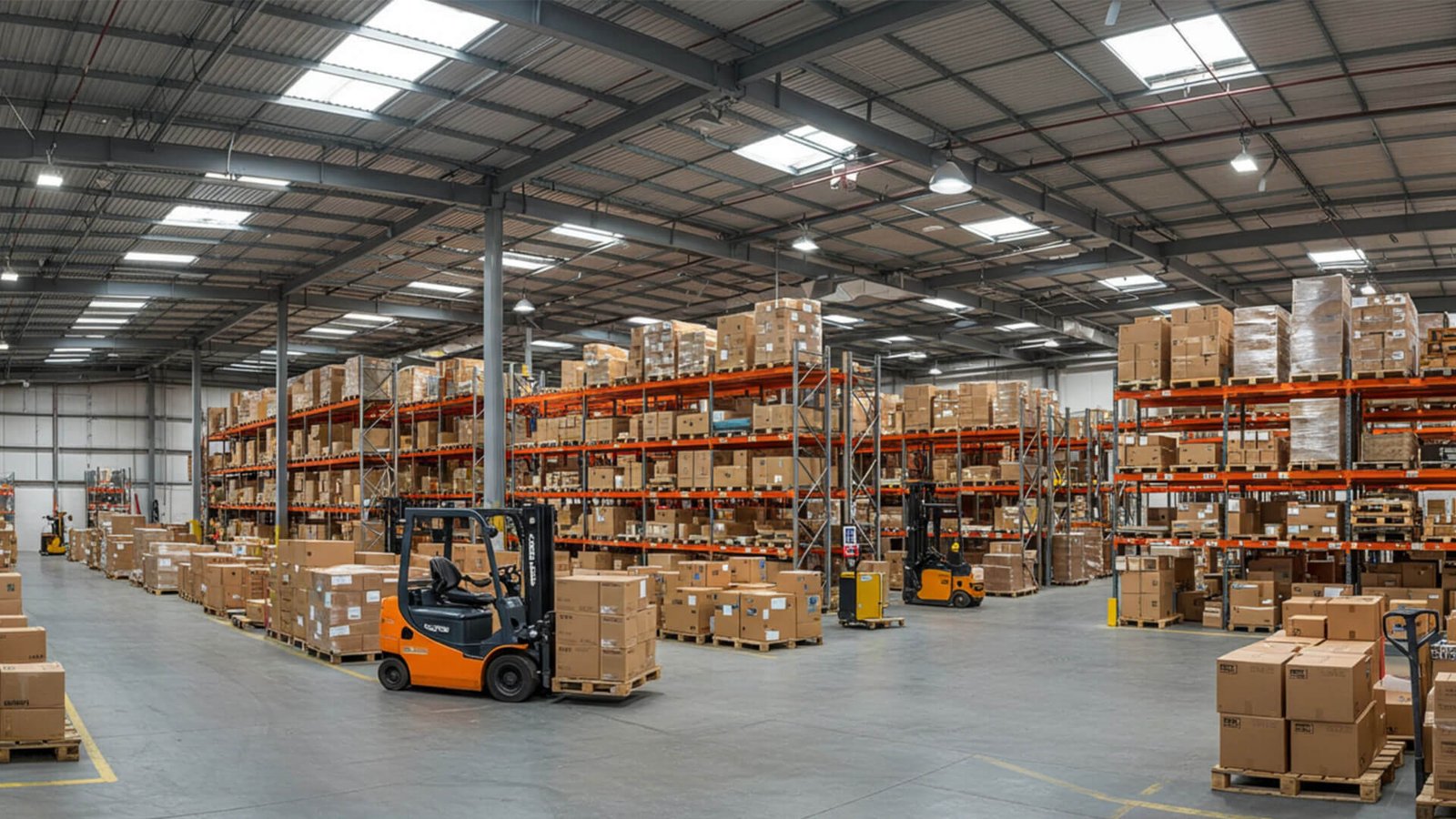
By staying ahead of tariff changes and understanding the regulatory landscape, importers can position themselves for success. This strategic planning not only helps manage costs but can also lead to enhanced supplier relationships and better overall efficiency.
Strategies to Reduce Tariff Impact
- Proactive Tariff Analysis: Regularly review tariff classifications to ensure compliance.
- Sourcing Diversification: Explore alternative suppliers and sourcing locations to reduce risk.
- Customs Strategy Planning: Coordinate logistics and customs entry timing to manage costs effectively.
Conclusion
Understanding reciprocal tariffs1 is crucial for U.S. importers. By grasping their impact, we can make informed decisions that help navigate global trade2 successfully.
Understanding reciprocal tariffs is key to navigating global trade, as they directly impact import duties and trade relationships. ↩
Staying informed about global trade trends helps businesses anticipate changes and adapt their strategies accordingly. ↩
Import duties are a fundamental aspect of trade, influencing costs and decisions for importers and exporters alike. ↩
Trade policy shapes the rules and regulations that govern international trade, affecting how countries interact economically. ↩
Reciprocal tariffs can disrupt supply chains, leading to changes in sourcing, pricing, and logistics strategies. ↩
Adapting pricing strategies to tariff changes is essential for maintaining competitiveness and customer relationships. ↩
Landed costs include all expenses to get goods to market, crucial for pricing and profit margin calculations. ↩
The country of origin can significantly influence tariff rates, impacting the overall cost of imported goods. ↩
HS classification determines tariff rates and compliance requirements, making it crucial for accurate cost assessment. ↩
Compliance complexity can increase the risk of non-compliance, leading to potential fines and disruptions in trade. ↩
Regular tariff analysis helps importers stay compliant and manage costs, avoiding sudden financial impacts. ↩
Diversifying sourcing reduces risk and can help mitigate the impact of tariffs and other trade barriers. ↩
Effective customs strategy planning helps manage costs and compliance, ensuring smooth import operations. ↩