Importing coffee into the U.S. can be daunting. It involves navigating FDA food import rules1, customs entry filing2, and product admissibility requirements3. Understanding these regulations is vital to avoid delays and unexpected costs.
Coffee imports must comply with U.S. food safety and customs regulations. Importers are responsible for filing accurate entries with U.S. Customs and Border Protection4 and ensuring products meet food safety requirements enforced by FDA before arrival to avoid holds or refusals.
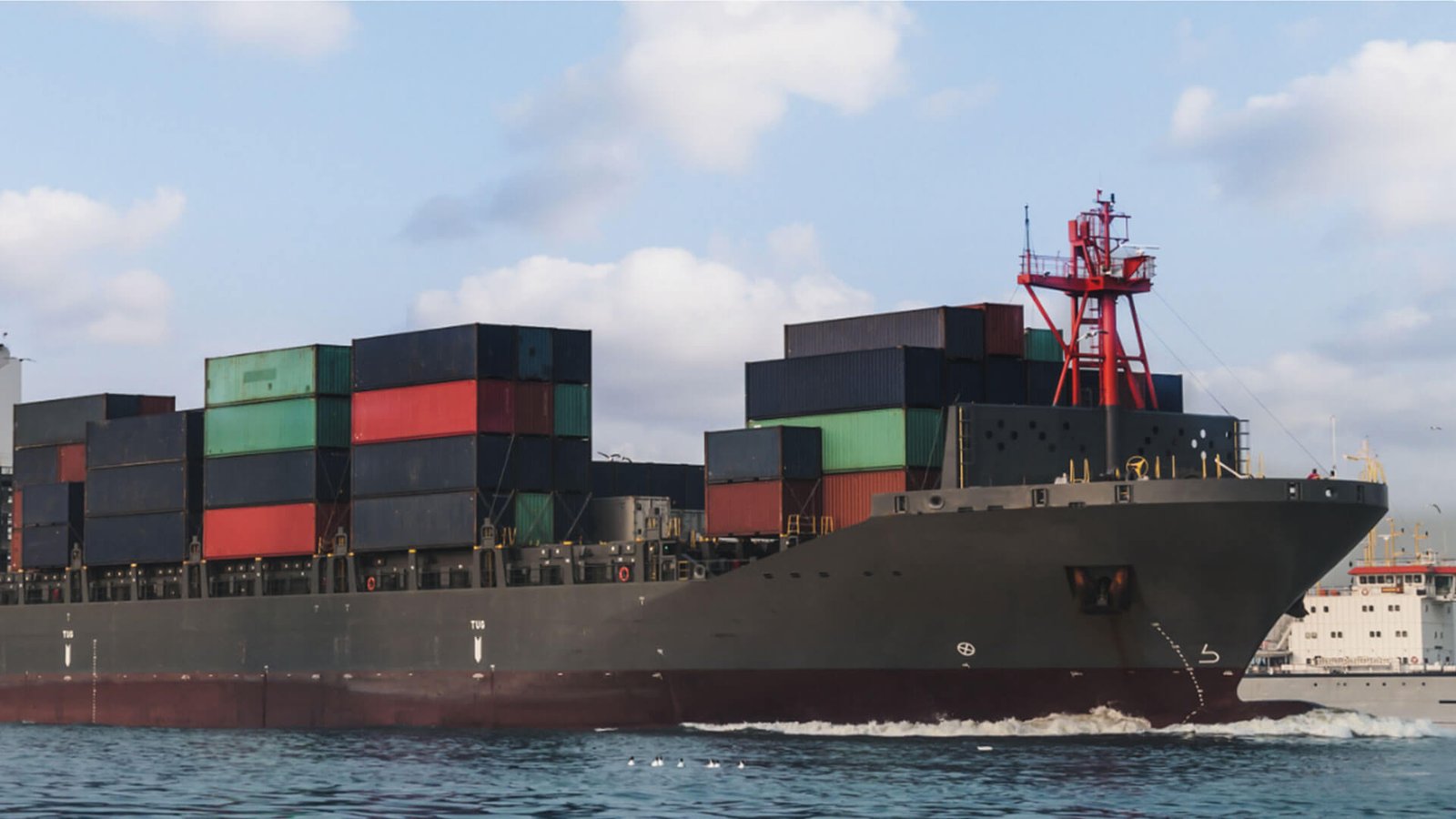
Importing coffee is not a straightforward process. It requires knowledge of food safety regulations, customs procedures, and specific documentation. If you miss any detail, it can lead to significant delays and increased costs.
Importing coffee into the U.S. requires compliance with FDA food import rules1, customs entry filing2, and product admissibility requirements3?
Importing coffee is filled with complexities. Many importers are unaware of the extensive regulations that govern coffee imports. This lack of knowledge can lead to severe consequences, including shipment delays and financial losses.
Coffee generally does not need pre-market FDA approval, but importers must register their facilities with the FDA and submit Prior Notice5 for each shipment. Missing or incorrect Prior Notice5 is a common reason coffee shipments are held at the port.
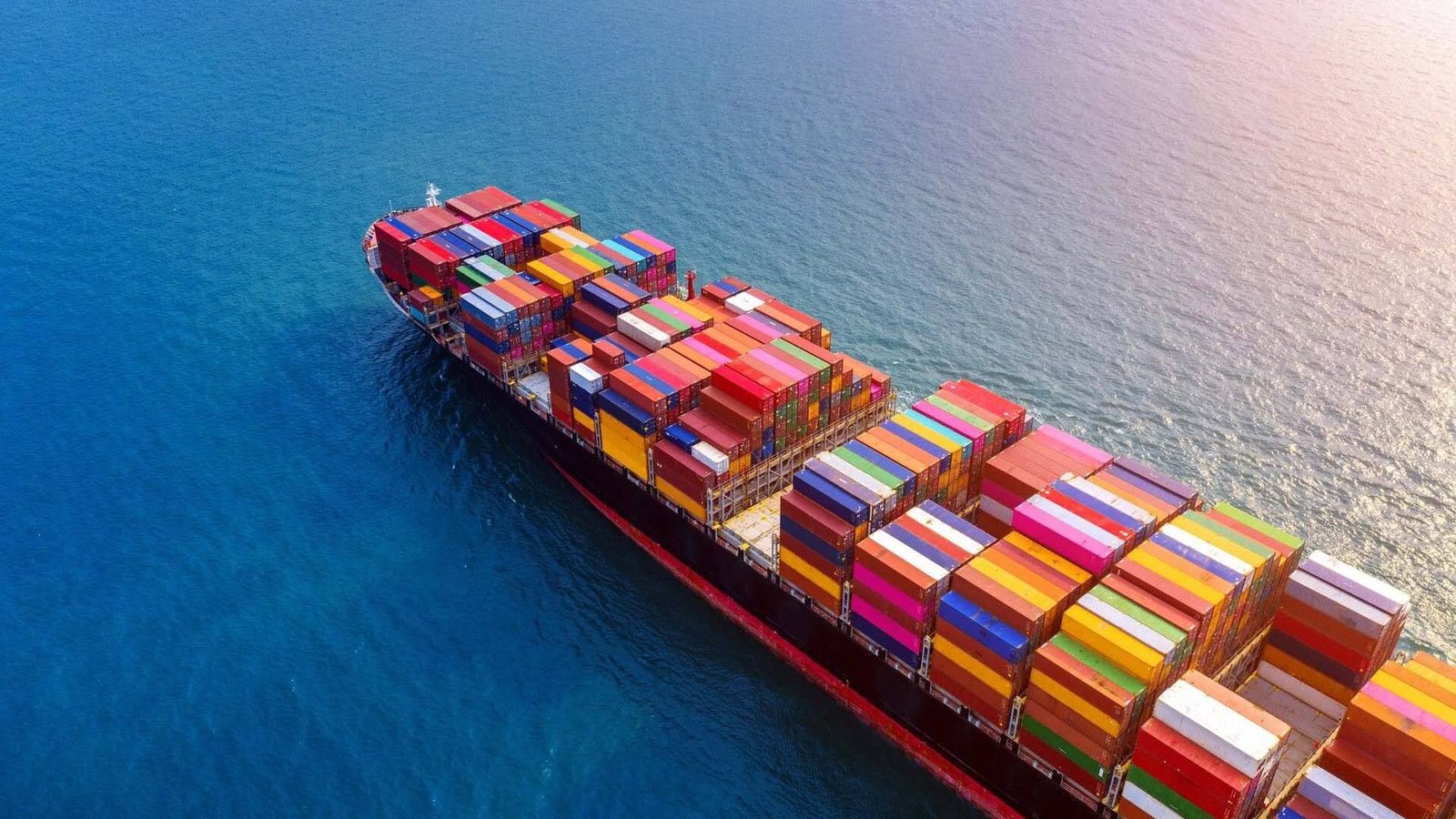
Understanding the need for FDA registration6 and prior notice is essential. Importers must be cautious to ensure that each shipment complies with these requirements. It's a critical step in the import process that should not be overlooked.
To dive deeper into FDA registration6, here's a breakdown of what's required:
| Requirement | Explanation |
|---|---|
| FDA Registration | Importers must register their facilities with the FDA. |
| Prior Notice5 | Notification to FDA about the shipment before it arrives. |
| Documentation Compliance | Ensuring all paperwork is complete and accurate. |
Failing to comply with these requirements can lead to shipment holds and other complications.
Different regulatory requirements apply to green coffee beans, roasted coffee7, instant coffee8, and coffee products with added ingredients?
Not all coffee is created equal in the eyes of the FDA. Different types of coffee face varying regulations. Importers often misunderstand these nuances, leading to compliance issues.
Green coffee beans face fewer FDA controls than roasted or processed coffee. Instant coffee and coffee with additives9 may trigger additional ingredient, labeling, or food safety requirements. Correctly identifying product type is essential to avoid misfilings and unexpected compliance issues.

Understanding the classification of your coffee is crucial. Misidentifying your product type can result in unnecessary holds and complications at customs.
Here’s a detailed look at the types of coffee and their associated regulations:
| Coffee Type | FDA Requirements |
|---|---|
| Green Coffee Beans | Minimal oversight, prior notice still required. |
| Roasted Coffee | Must comply with FDA food safety and labeling rules. |
| Instant Coffee | Additional ingredient checks and labeling requirements. |
| Coffee with Additives | Subject to further scrutiny and safety checks. |
Misclassifications are common and can cause headaches for importers who are unprepared.
Accurate documentation, including commercial invoices10, FDA prior notice, and importer registration, is essential for smooth coffee clearance?
Proper documentation is the backbone of any successful coffee import. Importers must ensure that every document is accurate and complete. Incomplete paperwork can lead to significant delays.
Coffee imports require complete commercial invoices10, packing lists11, FDA Prior Notice5, and valid importer registration. Incomplete or inconsistent documentation often leads to FDA holds, CBP exams, and increased storage or demurrage costs at U.S. ports.
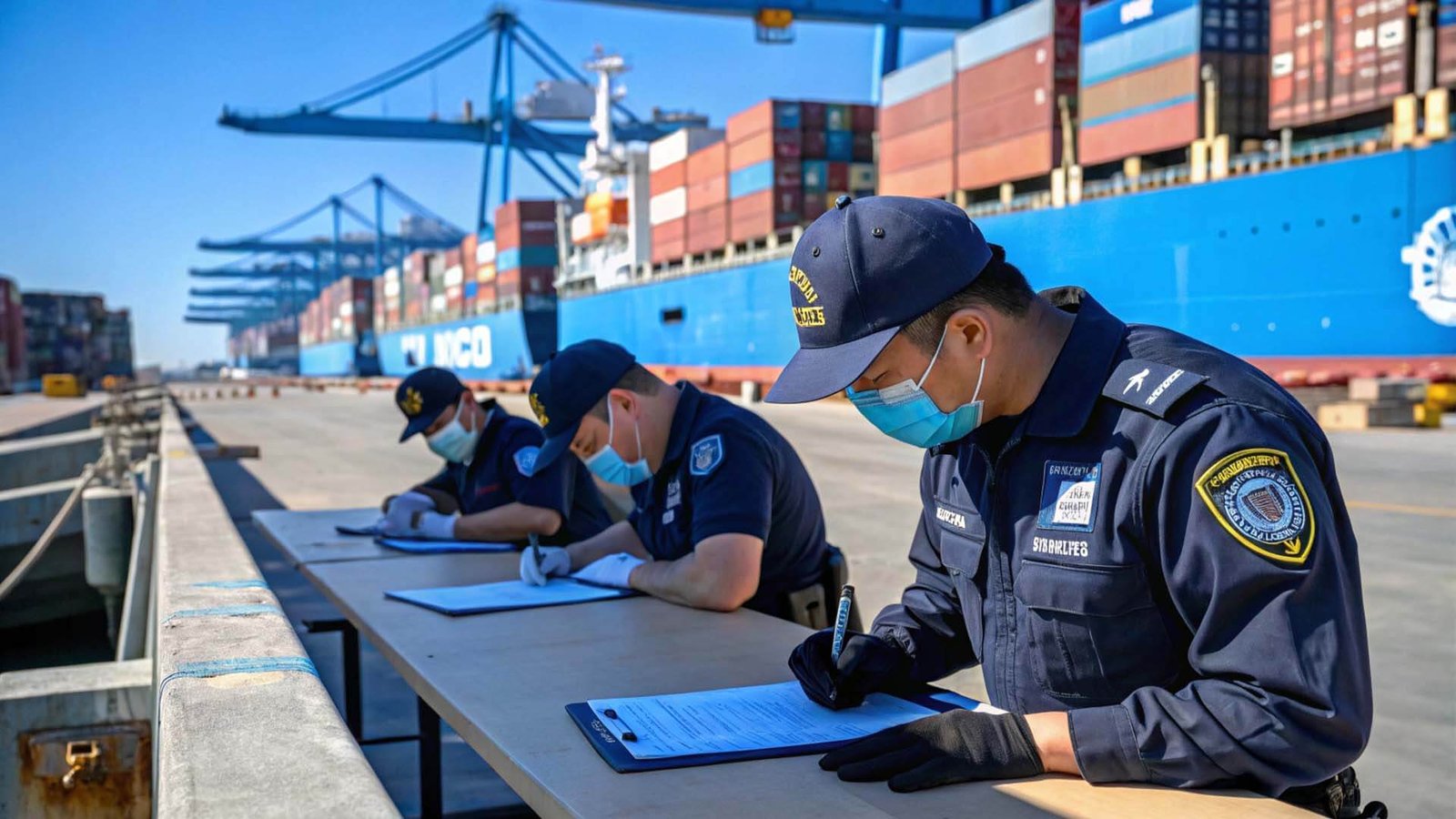
Having the right documents ready can make or break your shipment. In my experience, I’ve seen delays due to a single missing document.
Here's a checklist of essential documents needed for coffee import:
| Document | Importance |
|---|---|
| Commercial Invoice | Details product value and classification. |
| Packing List | Lists the contents of the shipment. |
| FDA Prior Notice5 | Notifies FDA of shipment details before arrival. |
| Importer Registration | Proves compliance with U.S. laws. |
Completing this documentation accurately is critical for a smooth import process.
FDA inspections12, holds, and sampling can delay coffee imports and increase storage and compliance costs if requirements are not met?
FDA inspections12 are a reality for many coffee shipments. If regulations are not met, the FDA may hold the shipment, leading to increased costs.
The FDA may inspect or sample coffee shipments to verify compliance with food safety standards. When shipments are held, importers incur additional storage, demurrage, or testing costs, making pre-shipment compliance preparation critical to protecting delivery timelines.

I’ve witnessed firsthand the impact of an FDA inspection gone wrong. It’s not just about compliance but about managing costs and timelines.
When thinking about FDA inspections12, consider these factors:
| Inspection Outcome | Implications |
|---|---|
| Pass | Shipment proceeds without delay. |
| Hold | Additional costs for storage and testing. |
| Fail | Rejection of shipment and potential fines. |
Preparation is key to avoiding these pitfalls.
Working with experienced customs and food-import logistics partners13 helps importers manage FDA compliance and deliver coffee to the U.S. market efficiently?
Working with experts in customs and logistics can save importers time and money. These professionals understand the intricate details of FDA compliance and can help streamline the process.
Experienced customs brokers14 and food-import logistics partners13 coordinate FDA filings, customs clearance, and inspections. This integrated approach reduces compliance risk15, shortens clearance time, and ensures coffee moves efficiently from origin to U.S. warehouses and roasters.
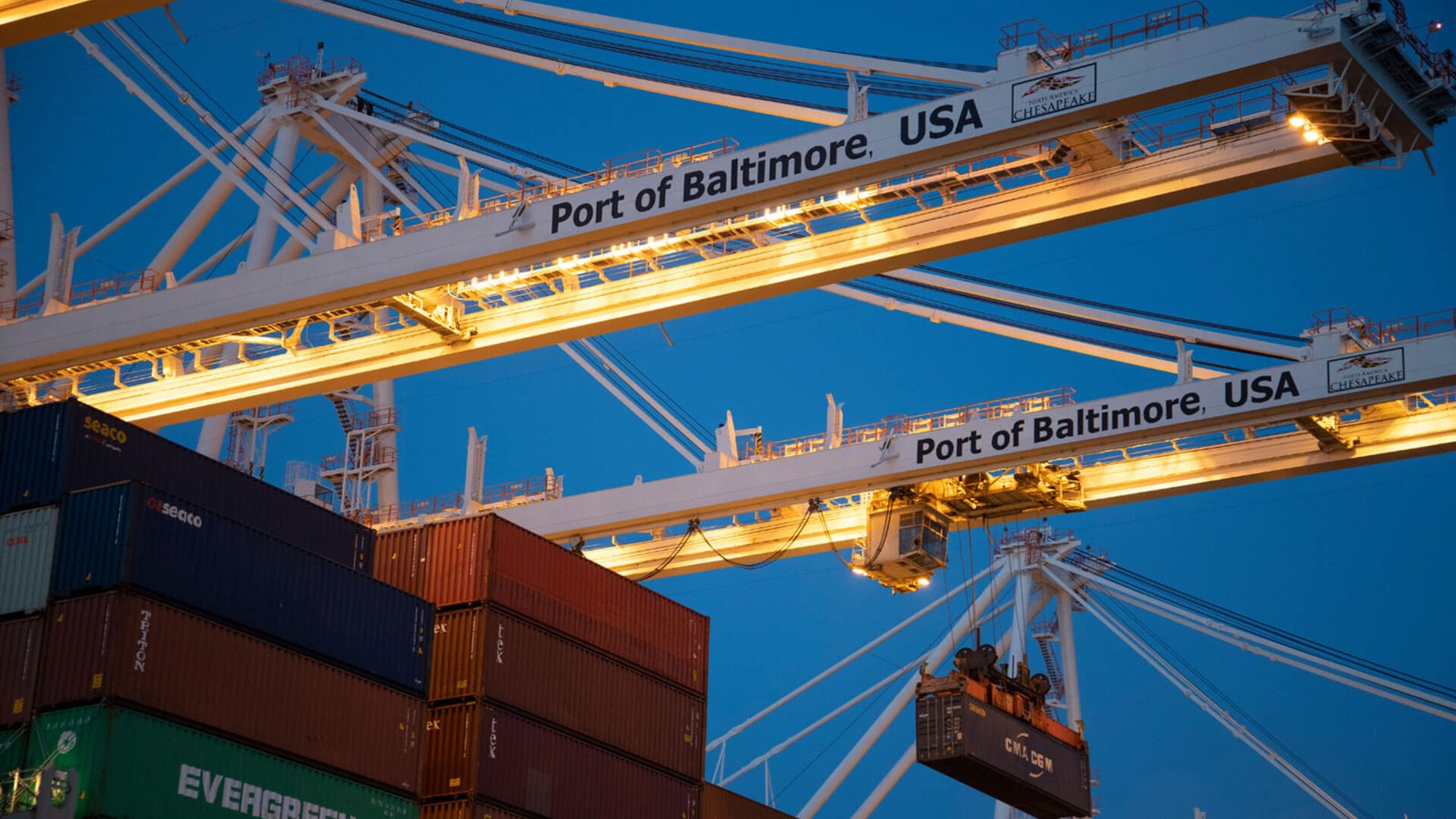
In my own experience, collaborating with an experienced logistics partner made a significant difference in my ability to navigate the complexities of coffee import regulations.
Consider these benefits when choosing a partner:
| Benefit | Description |
|---|---|
| Compliance Expertise | Knowledge of FDA regulations and customs procedures. |
| Streamlined Processes | Faster clearance and reduced delays. |
| Cost Management | Helping to avoid unexpected storage fees and penalties. |
Choosing the right partner is essential for a successful import process.
Conclusion
Importing coffee to the U.S. requires careful attention to FDA regulations and documentation. Ensuring compliance can help avoid costly delays and facilitate smooth customs clearance.
Understanding FDA food import rules is crucial to ensure compliance and avoid shipment delays or refusals. ↩
Proper customs entry filing is essential to prevent delays and ensure smooth importation of coffee into the U.S. ↩
Knowing product admissibility requirements helps avoid unexpected costs and ensures your coffee shipment is accepted. ↩
Understanding the role of U.S. Customs and Border Protection is key to navigating the import process effectively. ↩
Submitting Prior Notice is crucial to avoid shipment holds and ensure timely delivery of coffee imports. ↩
FDA registration is a mandatory step for importers to ensure their facilities comply with U.S. regulations. ↩
Roasted coffee must meet certain FDA food safety and labeling rules, making compliance essential. ↩
Instant coffee imports face additional ingredient checks and labeling requirements, which are important to understand. ↩
Coffee with additives is subject to further scrutiny, making it vital to understand these specific FDA requirements. ↩
Accurate commercial invoices are crucial for detailing product value and classification, preventing delays. ↩
Packing lists provide essential details about shipment contents, aiding in smooth customs clearance. ↩
FDA inspections can delay shipments and increase costs, making pre-shipment compliance preparation critical. ↩
Logistics partners streamline the import process, ensuring efficient delivery and compliance with regulations. ↩
Customs brokers offer expertise in FDA filings and customs clearance, reducing compliance risks and delays. ↩
Managing compliance risk is essential to avoid costly delays and ensure successful coffee importation. ↩