The complexities of international trade can be daunting. With various taxes at play, understanding VAT is crucial for importers to ensure compliance and avoid financial pitfalls.
Value Added Tax (VAT)1 is a consumption tax2 applied at each stage of production and distribution, including imports. In international trade, VAT is typically charged when goods enter a country, ensuring imported products are taxed the same way as domestic goods and preventing unfair price advantages.
Navigating VAT can be challenging for U.S. importers. It's essential to understand how this tax impacts your operations and finances.
What Is VAT (Value Added Tax) and How Does It Work in International Trade and Imports?
VAT is a tax levied on the value added at each stage of production and distribution of goods and services. In international trade, this includes imports, where the tax is applied when goods arrive in a VAT-based country3. This ensures that foreign products are subjected to the same tax treatment as domestic goods, promoting a level playing field.
The mechanics of VAT are fairly straightforward. When goods are imported, customs authorities4 assess the value of the goods, including any applicable duties and transportation costs. This total forms the tax base upon which VAT is calculated. The goods' classification is critical as it determines the appropriate VAT rate.
The concept may seem complex, but it's vital for successful import operations. Understanding VAT helps businesses avoid unexpected costs and ensures compliance with local regulations.
Understanding the intricacies of VAT is essential for U.S. importers, especially when engaging in international trade.
Does VAT Apply to U.S. Imports and Who Is Legally Responsible for Paying It?
While the U.S. does not impose VAT domestically, it is essential for U.S. importers to be aware of VAT when bringing goods into countries that have this tax system. Importers must pay VAT on goods entering VAT-based countries. The responsibility for paying VAT typically lies with the importer of record5 or consignee, as specified in the Incoterms6 and local laws.
This means that U.S. importers can face unexpected financial burdens when shipping to countries with VAT. It is crucial for importers to plan accordingly, as the VAT implications can significantly affect the total landed cost7 of goods.
Additionally, importers should be aware that in some cases, VAT can be reclaimed later, depending on the regulations in the destination country. This places an emphasis on proper documentation and adherence to local VAT laws to ensure compliance and optimize cash flow8.
Being informed about VAT responsibilities can help U.S. importers avoid costly missteps when entering global markets.
How VAT Is Calculated on Imported Goods and What Costs Are Included in the Tax Base
VAT calculation on imports can be quite involved. It is typically based on the customs value9 of the goods, which includes the cost of the goods, any applicable duties, freight, insurance, and other landed costs. This means that importers need to account for multiple factors when determining the total VAT liability.
Understanding the broader tax base is crucial. For instance, if logistics costs are high, the VAT can be significantly more than expected, directly impacting the total landed cost7 for importers.
Additionally, the classification of goods10 plays a pivotal role in how VAT is assessed. Different products may attract different VAT rates, making accurate classification essential for proper VAT calculation. Manufacturers and suppliers must provide precise documentation to avoid discrepancies and ensure compliance with customs regulations.
Proper knowledge of VAT calculations is necessary for U.S. importers to maintain control over their financial commitments.
How VAT Differs from U.S. Sales Tax and Why This Difference Matters for Importers
It's important to understand the distinction between VAT and U.S. sales tax11. While sales tax is charged only at the final sale to the end customer, VAT is collected at every stage of the supply chain, including imports. This systemic difference can significantly affect pricing strategies, cash flow8, and compliance for U.S. companies engaging in international trade.
For U.S. importers, this means that VAT is often paid upfront when goods are imported. Later, they may be able to reclaim this tax if they meet the necessary requirements in the importing country. This upfront cost can strain cash flow8, particularly for smaller businesses.
Understanding these differences is vital because it directly impacts the financial planning and operational strategies of importers. Importers need to consider VAT implications when pricing goods, managing cash flow8, and ensuring compliance with tax regulations.
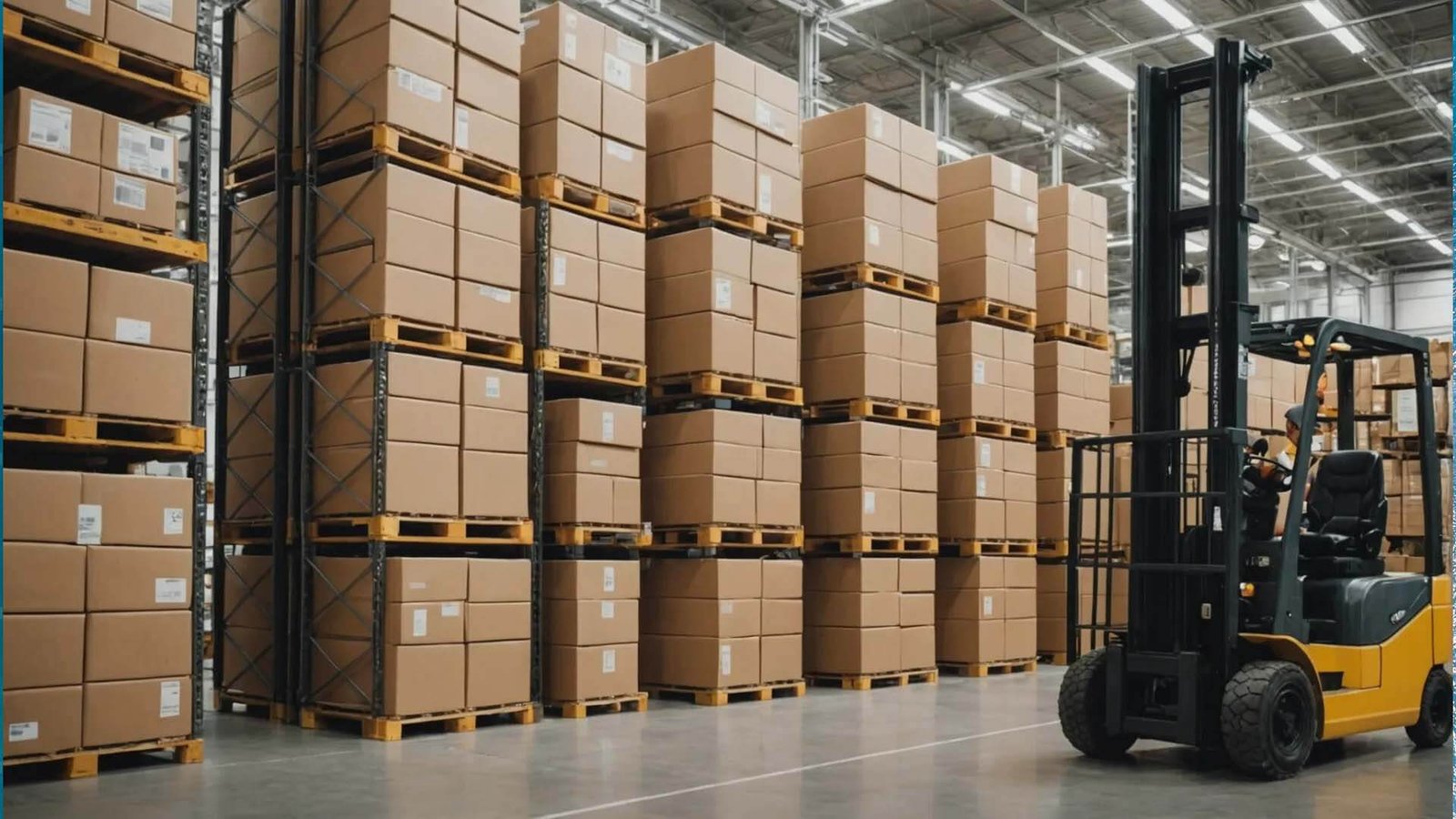
Recognizing the differences between VAT and sales tax is crucial for U.S. importers navigating international markets.
What Are the Biggest VAT Risks for Importers, Including Cash Flow, Compliance, and Penalties?
The risks associated with VAT for importers can be significant. One of the most pressing concerns is cash flow8, as VAT is often paid upfront. This can create a strain on finances, especially for businesses that rely heavily on imported goods.
Additionally, incorrect VAT valuation and missed recovery opportunities can lead to financial losses. Non-compliance with VAT regulations can result in severe penalties, which can further impact the bottom line. Errors in documentation or misunderstanding Incoterms6 can lead to overpayment or fines, making VAT not just a tax line item but a vital aspect of financial management.
To mitigate these risks, importers must stay informed about VAT regulations, classify goods correctly, and maintain thorough documentation. This proactive approach can help prevent costly errors and ensure compliance with tax requirements.

Recognizing VAT-related risks allows importers to take proactive measures and safeguard their financial interests.
How Importers Can Manage VAT Through Proper Classification, Documentation, and Logistics Planning
Managing VAT effectively requires a comprehensive approach. Importers can minimize their VAT exposure by ensuring that Incoterms6 align with logistics strategies and customs valuation. Proper documentation is crucial for compliance and for optimizing VAT recovery.
Collaboration with freight forwarders12 and customs brokers is essential. These professionals can provide valuable insights into local regulations and assist with navigating the complexities of VAT. By integrating VAT obligations into the overall logistics strategy, importers can streamline operations and reduce the likelihood of overpayment.
Importers should also be aware of the potential to reclaim VAT13, which can improve cash flow8. Keeping thorough records, accurate classifications, and timely filing of VAT returns can significantly enhance an importer’s financial position.

Implementing effective VAT management strategies14 can improve cash flow8 and ensure compliance for U.S. importers.
Conclusion
Understanding VAT and its implications is essential for U.S. importers to navigate international trade effectively and maintain financial health.
Understanding VAT is crucial for importers to ensure compliance and avoid financial pitfalls in international trade. ↩
Learning about consumption tax helps importers understand how VAT affects the cost of imported goods. ↩
Knowing about VAT-based countries helps importers prepare for tax obligations when shipping goods internationally. ↩
Knowing the role of customs authorities in VAT assessment is vital for accurate tax calculations. ↩
Identifying the importer of record is essential for understanding who is responsible for VAT payments. ↩
Understanding Incoterms is essential for determining VAT responsibilities and avoiding financial missteps. ↩
Understanding the impact of VAT on total landed cost helps importers plan their finances better. ↩
Managing cash flow is critical for importers, and understanding VAT's impact can help in financial planning. ↩
Understanding customs value is crucial for accurate VAT calculations on imported goods. ↩
Accurate classification ensures correct VAT rates and compliance with customs regulations. ↩
Understanding the difference between U.S. sales tax and VAT is important for pricing and compliance strategies. ↩
Freight forwarders provide valuable insights into VAT regulations and help streamline import operations. ↩
Learning about VAT reclamation can improve cash flow and reduce financial strain for importers. ↩
Implementing VAT management strategies can improve compliance and financial health for importers. ↩