Importing goods into the U.S. can be complicated. Many people are unaware of the role a Power of Attorney (POA)1 plays in customs broker2age. Understanding this can save time and prevent costly delays.
A Power of Attorney (POA)1 in customs broker2age is a legal authorization3 that allows a licensed customs broker2 to act on behalf of the importer of record4. CBP requires POA to ensure brokers have documented authority to file entries, transmit data5, and represent importers during the customs clearance6 process.
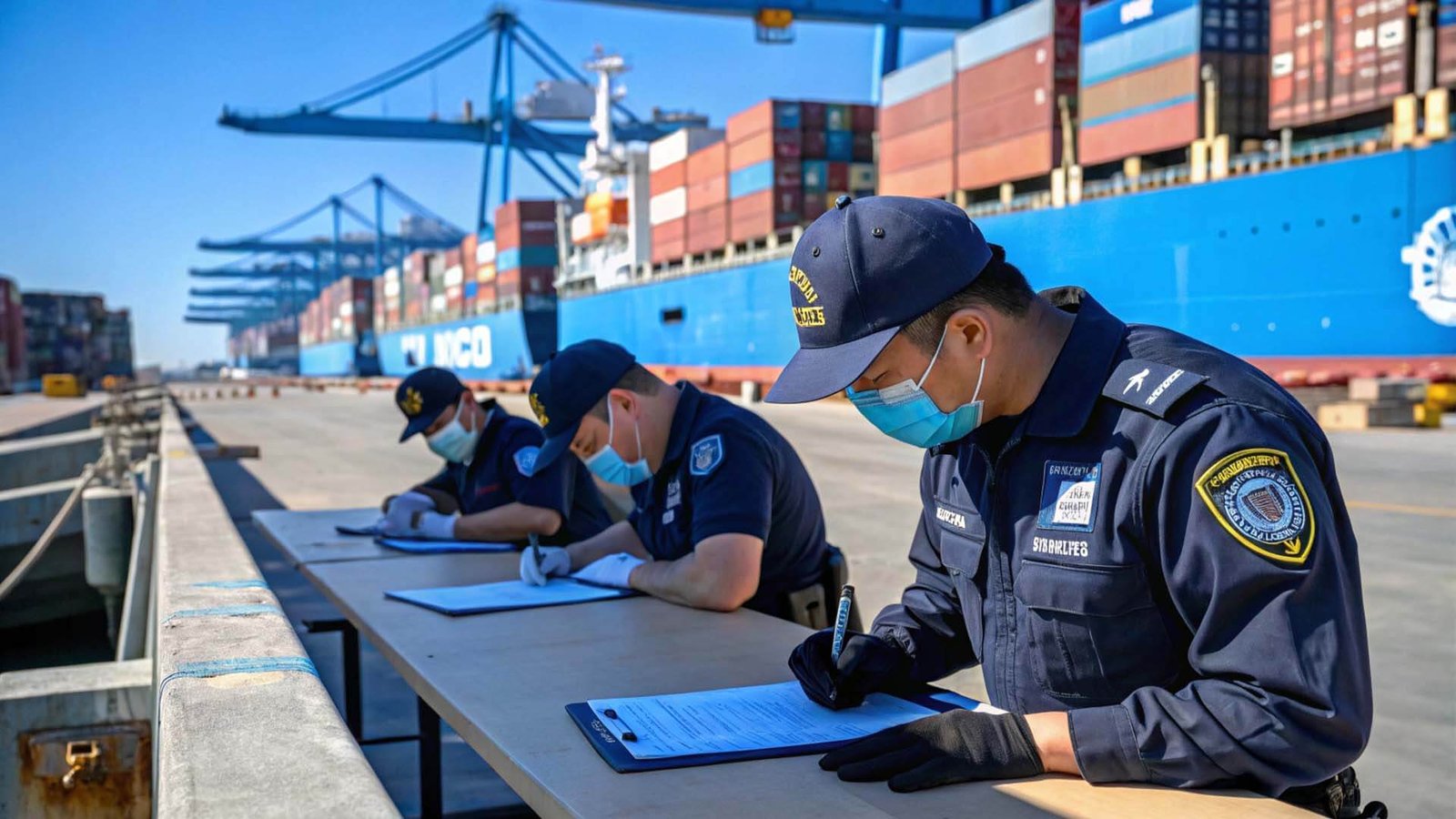
Customs clearance involves numerous regulations. A POA is essential for brokers to operate legally and efficiently. Without it, both brokers and importers face various challenges.
What Is a Power of Attorney (POA)1 in Customs Brokerage and Why It Is Required for Import Clearance?
A POA is a formal document that grants authority to a customs broker2 to perform specific tasks for the importer. This is necessary because the U.S. Customs and Border Protection (CBP)7 requires documented proof that a broker can act on behalf of the importer.
A Power of Attorney (POA)1 in customs broker2age is a legal authorization3 that allows a licensed customs broker2 to act on behalf of the importer of record4. CBP requires POA to ensure brokers have documented authority to file entries, transmit data5, and represent importers during the customs clearance6 process.
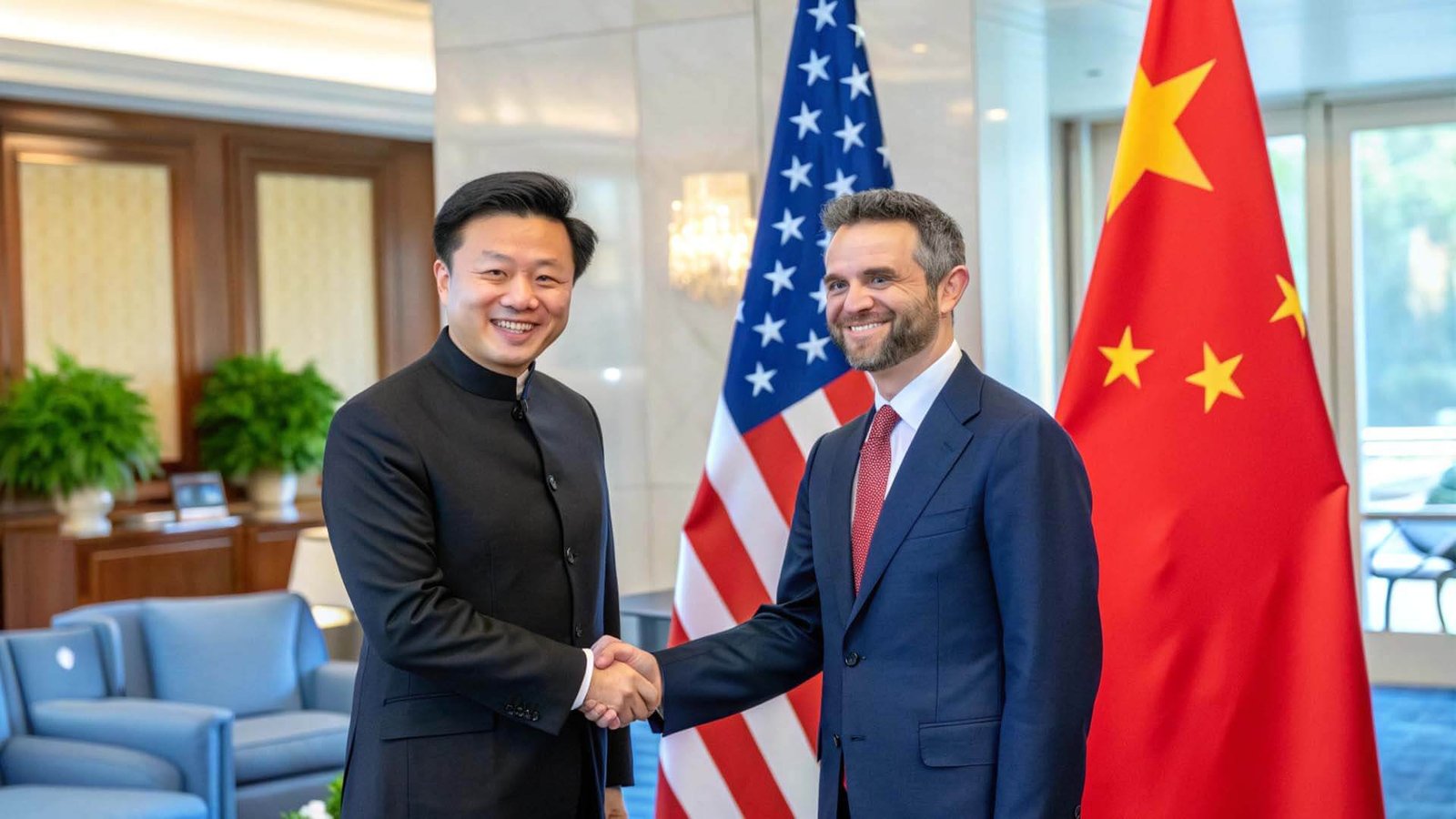
The requirement for a POA helps create a clear line of responsibility. It ensures that all actions taken by the customs broker2 are legally authorized. Without this documentation, an importer could face delays or complications.
Having a POA is not just about compliance8; it also streamlines the process. If a customs broker2 has the necessary authority, they can act quickly and efficiently. This is crucial in a world where time is money.
Why Customs Brokers Cannot File Entries or Act on Your Behalf Without a Valid POA?
Customs brokers are experts who facilitate the import process. However, they must operate within the law. Without a valid POA, brokers cannot file entries or communicate with CBP on behalf of an importer.
Customs brokers are prohibited from filing entries9 or communicating with CBP on an importer’s behalf without a valid POA. This requirement protects both CBP and importers by ensuring filings are legally authorized, traceable, and enforceable, preventing unauthorized representation or misuse of importer credentials.

The law mandates this requirement for several reasons. First, it protects the integrity of the customs process. Second, it ensures that all parties involved understand their rights and obligations. A valid POA acts as a safeguard against potential fraud.
For importers, this means that if a broker asks for a POA, it is not just a formality. It is a necessary step in ensuring smooth customs clearance6. Understanding this can help you avoid unnecessary delays.
Who Must Grant a POA and What Authority It Gives the Broker as Importer of Record Representation?
A POA is a powerful document. It must be granted by the importer of record4 or a legally authorized officer of the importing entity. This individual must understand the implications of granting such authority.
The POA must be granted by the importer of record4 or a legally authorized officer of the importing entity. It gives the broker authority to file customs entries, submit data to CBP, and manage clearance activities, while ultimate legal responsibility for compliance8 remains with the importer.
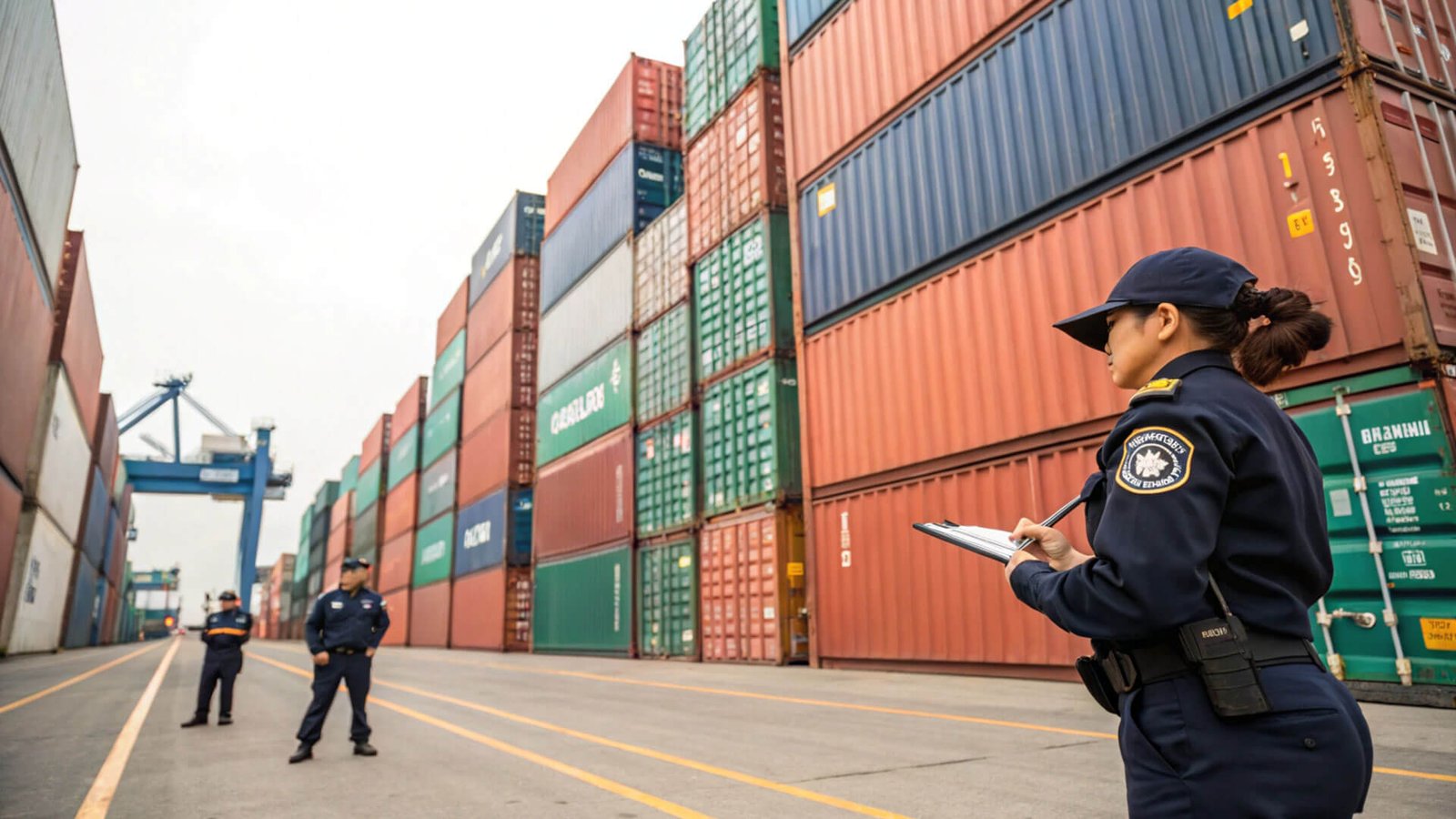
The authority given to a customs broker2 through a POA is significant. It includes the ability to file customs entries and manage clearance activities. However, it is critical to note that legal responsibility for compliance8 still lies with the importer.
Understanding who can grant a POA and the extent of the authority it provides is vital. Importers need to ensure they are comfortable with the person or entity they are granting these powers to.
What a Customs POA Allows—and Does Not Allow—a Broker to Do.
A customs POA empowers brokers to perform essential tasks for importers. However, there are limits to this authority.
A customs POA authorizes brokers to act for clearance, filing, and communication with CBP, but it does not transfer ownership, financial control, or compliance8 liability. Brokers cannot change business arrangements or assume importer responsibilities beyond the scope defined in the POA document.

Brokers can file entries and communicate with customs, but they cannot take ownership of the goods or assume financial control. Importers remain responsible for compliance8 and must ensure that brokers are acting within the agreed-upon scope.
Understanding these limits is crucial for importers. It ensures that there are no misunderstandings about what the broker can and cannot do. This clarity helps to maintain compliance8 and avoid potential issues.
What Risks Importers Face When POA Is Missing, Incorrect, or Poorly Controlled.
The risks associated with a missing or incorrect POA can be severe. Importers could face delays, increased costs, or even legal implications.
Missing or incorrect POA can stop customs clearance6 entirely, delay cargo release, and expose importers to compliance8 issues. Poorly controlled POAs also increase the risk of unauthorized filings or data misuse, making POA governance10 a critical part of import risk management11 rather than a one-time formality.
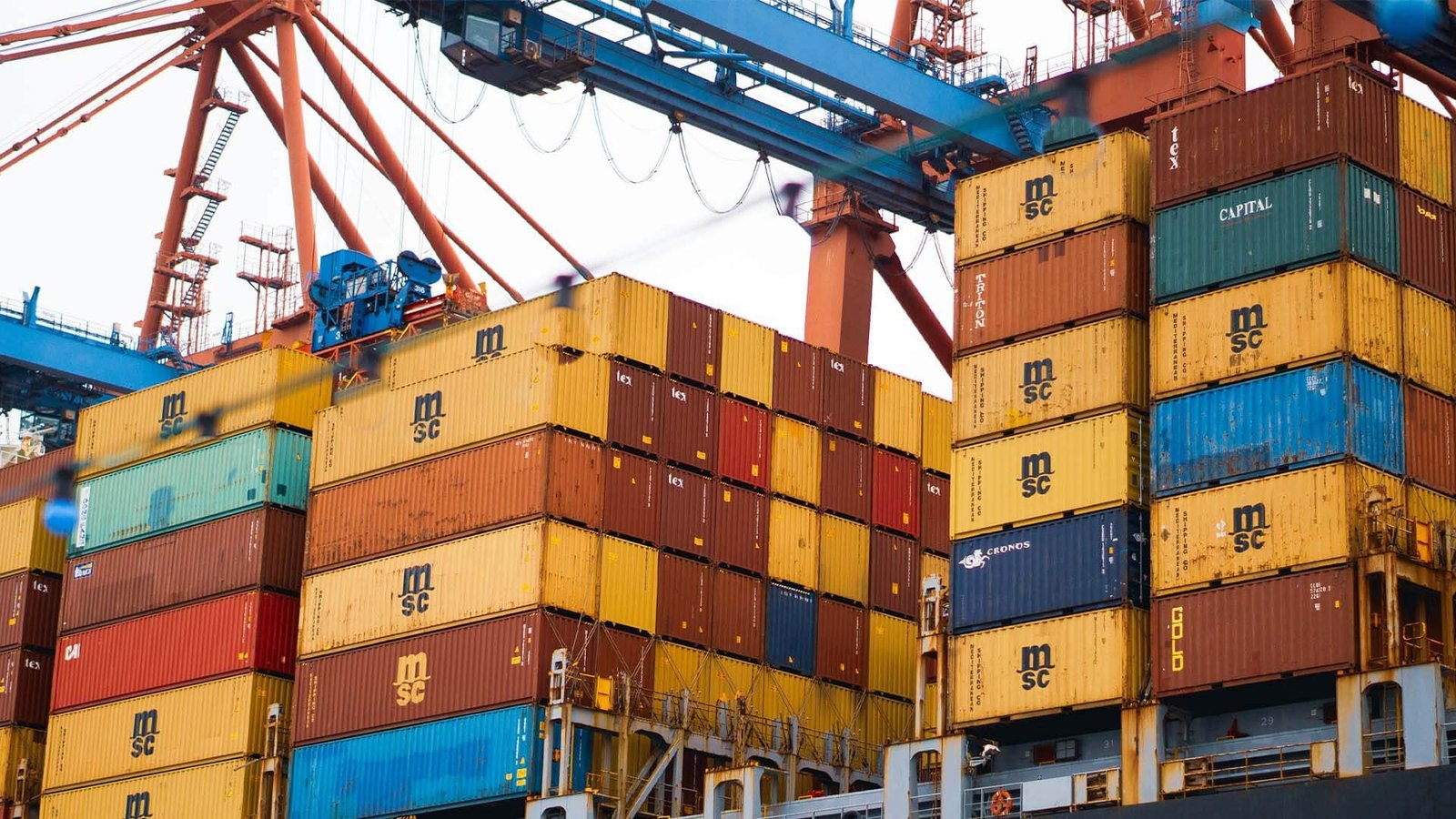
If a POA is missing, customs clearance6 may come to a halt. This can lead to delays in cargo release and ultimately reduce the efficiency of the supply chain. Furthermore, poor management of POAs can expose importers to unauthorized actions.
Understanding these risks highlights the importance of having a well-managed POA process. Regular reviews and proper documentation can mitigate these risks and streamline the customs clearance6 process.
How Importers Can Use POA Strategically to Protect Compliance While Streamlining Customs Clearance.
Importers can take proactive steps to manage their POA effectively. This is not just about compliance8; it is also about operational efficiency12.
Importers can use POA strategically by limiting scope, reviewing broker credentials, and maintaining clear internal controls13. When managed properly, POA enables faster customs clearance6, reduces administrative friction, and ensures brokers can act decisively without compromising importer oversight or compliance8 accountability.
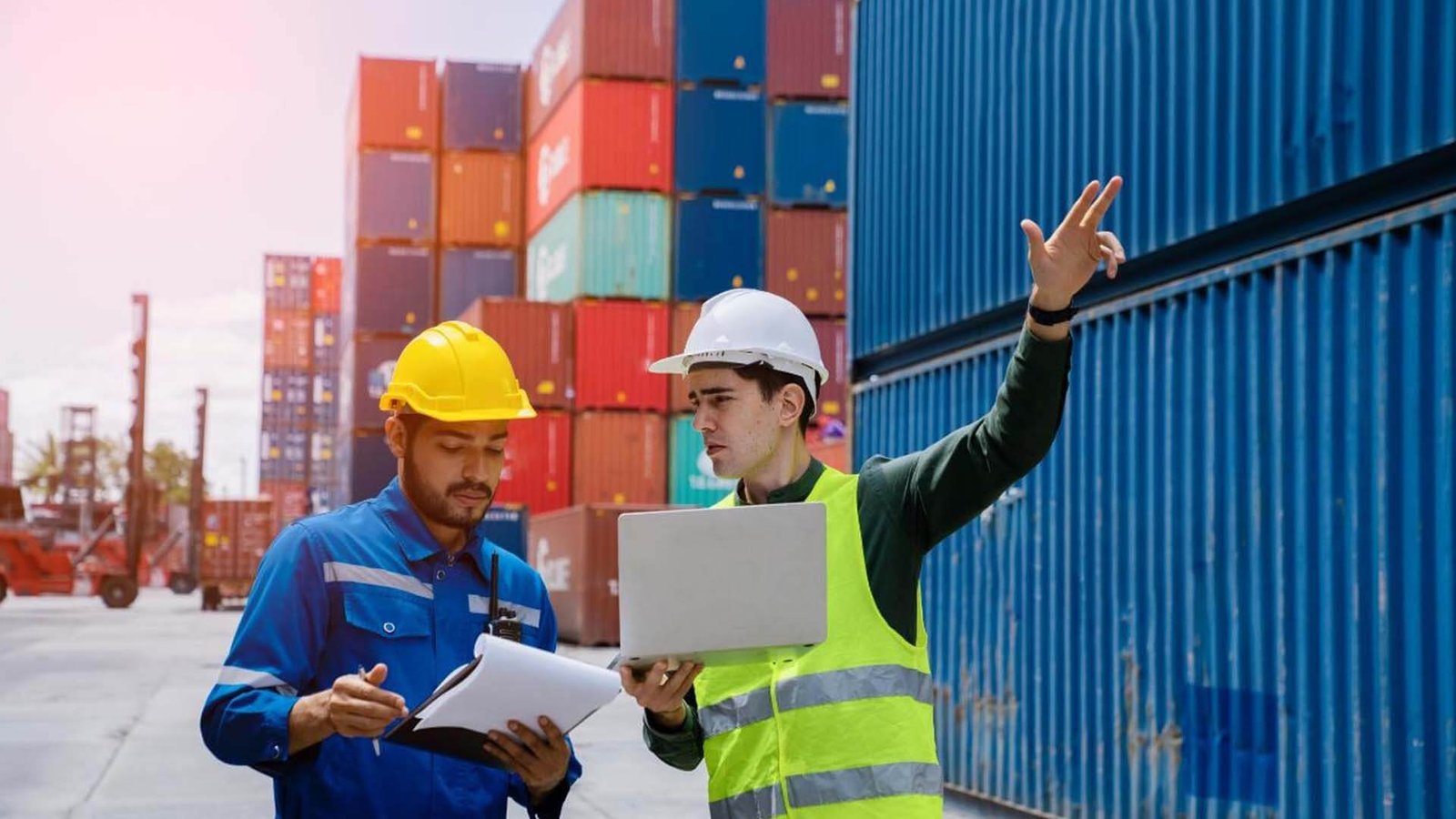
Establishing clear internal controls13 and regularly reviewing broker credentials can enhance compliance8. By limiting the scope of the POA, importers can maintain control over their processes. This not only protects compliance8 but also allows for smoother operations.
A well-managed POA can significantly reduce the administrative burden associated with customs clearance6. Understanding the strategic role of POAs can lead to improved compliance8 and operational efficiency12.
Conclusion
Understanding the role of POA in customs broker2age is essential for smooth and compliant import operations.
Understanding the role of a POA is crucial for importers to ensure smooth customs operations and avoid legal complications. ↩
Learn how customs brokers facilitate import processes and why their role is vital for compliance and efficiency. ↩
Legal authorization ensures that customs brokers can act on behalf of importers, preventing unauthorized actions. ↩
Knowing who the importer of record is helps in understanding legal responsibilities in the import process. ↩
Data transmission is vital for accurate and efficient customs processing and clearance. ↩
Understanding customs clearance can help importers navigate regulations and avoid delays. ↩
Discover how CBP regulates imports and the importance of compliance with their requirements. ↩
Compliance is key to avoiding legal issues and ensuring smooth import operations. ↩
Filing entries is a critical task in customs brokerage, essential for legal importation of goods. ↩
Proper POA governance ensures that customs brokers act within their legal authority, protecting importers. ↩
Effective import risk management helps prevent delays and legal issues in the import process. ↩
Achieving operational efficiency in customs clearance reduces costs and improves supply chain management. ↩
Internal controls help importers maintain oversight and compliance in the customs process. ↩