Logistics can be complex, especially when dealing with large, heavy, or specialized shipments. Understanding project cargo1 is crucial for U.S. importers navigating this landscape.
Project cargo refers to large, heavy, high-value, or complex shipments that require customized logistics planning2 rather than standard freight handling. These shipments often involve oversized dimensions3, tight timelines, or special handling needs, making traditional shipping processes insufficient for managing risk, cost, and execution.

When it comes to project cargo1, ordinary logistics methods fall short. Standard practices can't handle the unique demands of these oversized shipments. Importers need a tailored approach to ensure their cargo arrives safely and on time.
What Is Project Cargo and Why It Requires a Different Logistics Approach Than Standard Freight?
The term project cargo1 captures the essence of unique shipments that don’t fit neatly into standard categories. I remember one particular shipment that involved transporting heavy machinery across multiple modes of transport. It was a logistical puzzle that had to be solved with precision.
Project cargo cannot rely on standardized routes, equipment, or schedules. Each shipment requires bespoke planning, specialized carriers4, and contingency management. For importers, this means higher risk exposure and greater dependence on upfront planning to avoid delays, damage, or regulatory violations.

Importers face a myriad of challenges with project cargo1. The size and weight often exceed normal shipping limits. This necessitates unique transport solutions, like heavy lift shipping5, and can lead to increased costs and planning complexity. If anything goes wrong, the consequences can be significant, affecting the entire project timeline.
How Project Cargo Differs From General Cargo in Terms of Size, Risk, and Planning Complexity?
Project cargo is not just about transportation; it’s about comprehensive management. Unlike general cargo, which typically follows a set routine, project cargo1 demands a flexible, detailed strategy. For instance, transporting a large industrial generator requires different resources and planning than shipping standard consumer goods.
Unlike general cargo, project cargo1 cannot rely on standardized routes, equipment, or schedules. Each shipment requires bespoke planning, specialized carriers4, and contingency management. For importers, this means higher risk exposure and greater dependence on upfront planning to avoid delays, damage, or regulatory violations.

Understanding the differences between project cargo1 and general cargo is crucial for importers. The risks associated with project cargo1 include potential damage during transport, regulatory hurdles, and cost overruns. Each of these factors requires careful consideration and expert planning to mitigate.
What Types of Cargo Typically Fall Under Project Logistics for U.S. Importers?
When talking about project logistics, certain types of cargo are more common. U.S. importers often deal with industrial machinery6, construction equipment, and large-scale infrastructure materials. I’ve managed shipments that include everything from turbines to oversized tanks, each with its own unique challenges.
Typical project cargo1 includes industrial machinery6, energy equipment, construction components, infrastructure materials, and manufacturing systems. These shipments often support capital projects where delivery delays can halt operations, making logistics execution as critical as the cargo itself.
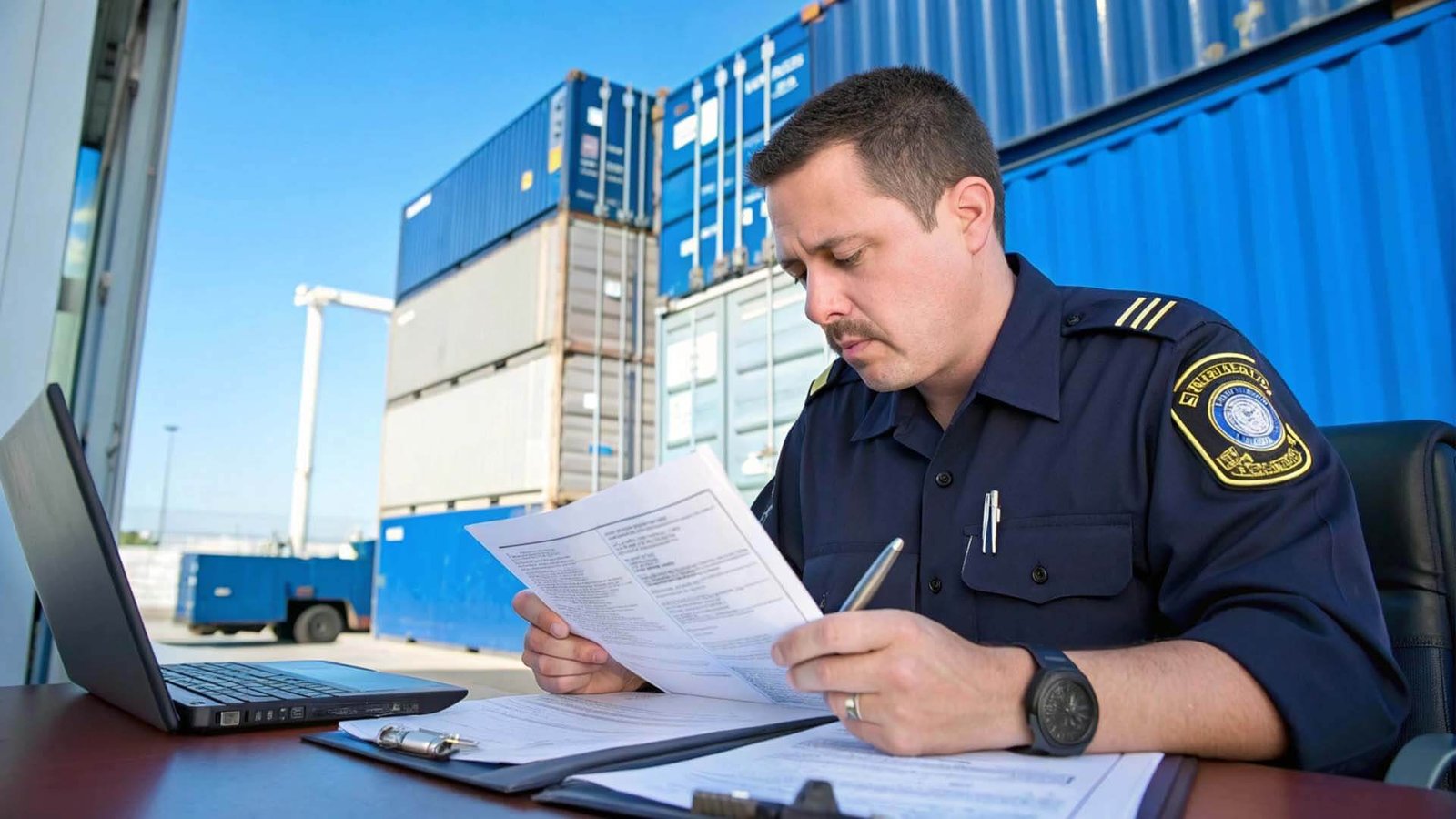
Project cargo is essential to industries that depend on timely delivery. Delays in these shipments can lead to significant financial implications. Therefore, understanding what types of cargo qualify for project logistics ensures that importers are prepared to handle them effectively.
How Project Cargo Is Planned, Routed, and Coordinated Across Multiple Transport Modes?
Effective project cargo1 management involves meticulous planning and coordination. The logistics provider must survey routes, select the right transport modes, and schedule everything to align with delivery timelines. I’ve personally overseen projects where timing was everything, and even a slight delay could have derailed operations.
Project cargo planning involves route surveys7, mode selection, equipment sourcing, and synchronized scheduling8 across ocean, road, rail, and sometimes inland waterways. Each leg must align precisely to avoid bottlenecks, requiring close coordination among carriers, authorities, and on-site teams throughout the shipment lifecycle.

The complexity of coordinating multiple transport modes cannot be understated. Each phase of the shipment must be managed closely. This level of detail ensures that projects proceed smoothly without unexpected interruptions, helping U.S. importers meet their delivery goals.
What Risks, Costs, and Regulatory Challenges Importers Face in Project Cargo Shipments?
While project cargo1 offers vast opportunities, it comes with a set of unique risks and costs. Navigating regulatory challenges is one of the most significant hurdles. There are permits to secure and compliance requirements9 that vary by region. I’ve seen firsthand how missing one detail can lead to catastrophic delays.
Project cargo carries elevated risks including permit delays10, infrastructure limitations11, cargo damage, and schedule overruns. Regulatory approvals for oversized or heavy loads vary by jurisdiction, and missed details can cause cascading delays. For importers, unmanaged project cargo1 risk can translate into significant financial and operational impact.
Importers need to proactively address these challenges. A thorough understanding of the regulatory landscape and the potential pitfalls can save considerable time and money. It’s about navigating through complexities to maintain smooth operations.
How Experienced Project Logistics Providers Manage Heavy, Oversized, and Time-Critical Imports End to End?
When it comes to project cargo1, partnering with an experienced logistics provider makes all the difference. These professionals understand the intricacies of managing complex shipments. They integrate all aspects of engineering, transport planning, and compliance to ensure a seamless process from start to finish.
Specialized project logistics providers manage project cargo1 by integrating engineering, transport planning, compliance, and execution under a single framework. This end-to-end approach12 reduces handoffs, improves accountability, and ensures complex shipments arrive safely, on time, and within budget constraints.

For U.S. importers, the choice of logistics provider is critical. A reliable partner who understands the nuances of project cargo1 can mean the difference between success and failure. Their expertise enables importers to focus on their core business while ensuring that logistics are handled expertly.
Conclusion
Understanding project cargo1 is essential for U.S. importers managing complex shipments. With the right approach and expertise, these challenges can be navigated effectively.
Understanding project cargo is crucial for managing large, complex shipments that don't fit standard logistics methods. ↩
Customized logistics planning ensures that unique shipment needs are met, reducing risks and ensuring timely delivery. ↩
Oversized dimensions require special handling and planning, impacting cost and logistics strategies. ↩
Specialized carriers are essential for handling unique shipment requirements, ensuring safe and efficient transport. ↩
Heavy lift shipping is crucial for transporting large, heavy items that exceed standard shipping limits. ↩
Industrial machinery requires special logistics due to its size and complexity, making it a common project cargo type. ↩
Route surveys identify the best paths for transporting oversized shipments, avoiding obstacles and ensuring safety. ↩
Synchronized scheduling ensures all transport modes align, preventing delays and bottlenecks in delivery. ↩
Meeting compliance requirements is essential to avoid legal issues and ensure smooth logistics operations. ↩
Permit delays can cause significant disruptions, affecting timelines and increasing costs for importers. ↩
Understanding infrastructure limitations helps in planning routes and avoiding potential obstacles during transport. ↩
An end-to-end approach integrates all logistics aspects, ensuring seamless and efficient shipment management. ↩