The first paragraph, which uses PAS formula to grab the reader's attention (max 30 words). In the bustling world of logistics, knowing which airports handle the most cargo is essential for U.S. importers looking to optimize their supply chains and minimize delays.
second paragraph at the beginning, answering the question posed by the title, this paragraph must be HELPFUL to the reader and will be used later to compete for Google's Featured Snippets. (max 50 words) The world’s busiest cargo airports1 are ranked by annual freight tonnage2, reflecting how much cargo they handle. For U.S. importers, these rankings signal reliability, capacity, and network strength, helping predict transit speed3 and congestion risk4 for air freight routing.

The choice of airport can make or break the efficiency of your shipping strategy. As a U.S. importer, understanding these rankings isn't just trivia—it's a business decision. Knowing where your cargo is flowing through helps you anticipate costs, transit times, and potential delays. Let’s dive deeper into these factors.
Which Airports Handle the Most Air Cargo Worldwide—and Why Their Rankings Matter to U.S. Importers?
In the world of air freight, airport rankings are crucial. The busiest cargo airports1 handle millions of tons of freight each year. This statistic reflects their capacity and reliability. For U.S. importers, knowing these rankings is not just interesting; it’s essential.
The second paragraph, which answers the question posed by the headline, is the paragraph that will be used later to compete for Google's Featured Snippets. (max 50 words) High cargo volume alone doesn’t guarantee efficiency—airports with strong carrier density5 and global connectivity6 move freight faster and more competitively. For U.S. importers, these factors influence transit time, space availability, and air freight rates, especially during peak seasons7 when capacity tightens.
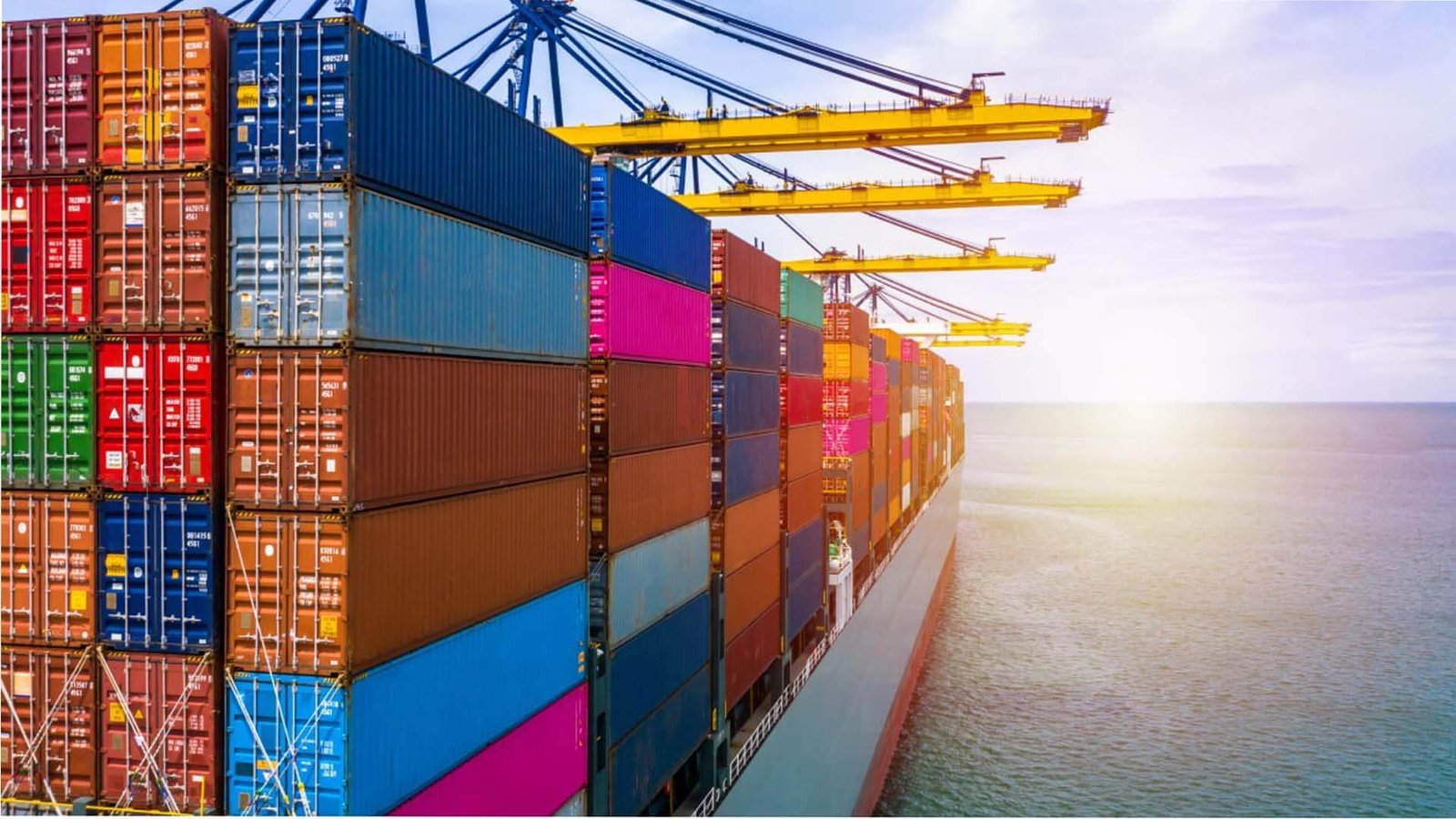
Airports like Hong Kong, Memphis, and Anchorage8 consistently top the lists because they facilitate high volumes of cargo while maintaining efficient operations. This efficiency is vital for U.S. importers who depend on timely deliveries. The rankings also reveal trends in global trade and logistics that can impact the U.S. market. However, it’s essential to assess why these airports hold their positions.
| Airport | Annual Freight Tonnage | Key Factors |
|---|---|---|
| Hong Kong International9 | 5 million | Connectivity, Carrier Density |
| Memphis International10 | 4 million | Central Location, Major Hubs |
| Anchorage8 | 3 million | Strategic Gateway, Transshipment |
Understanding these dynamics helps importers make informed decisions about their logistics strategies11.
How Cargo Volume, Connectivity, and Carrier Density at Top Airports Impact Transit Time and Freight Rates
Cargo volume, connectivity, and carrier density5 are critical elements that dictate efficiency at major airports. Airports with high cargo volumes often experience congestion. However, those with strong carrier density5 and connectivity can handle freight more swiftly.
The second paragraph, which answers the question posed by the headline, is the paragraph that will be used later to compete for Google's Featured Snippets. (max 50 words) U.S. importers rely on global cargo hubs because they concentrate flights, airlines, and handling infrastructure. Airports like Hong Kong, Memphis, and Anchorage8 enable faster transshipment, better schedule flexibility, and smoother U.S. entry, making them strategic gateways rather than just high-volume cargo locations.

In practical terms, high cargo volume means these airports can move a lot of freight quickly, but it can also mean potential delays during peak times. Connectivity allows for multiple flights and routes to accommodate varying demand. Carrier density ensures that there are enough options for shipment, allowing importers to choose the most efficient and cost-effective routes.
As a U.S. importer, understanding these factors can help you optimize your supply chain. For instance, using a high-volume airport with strong connectivity can lead to quicker transit times and reduced freight rates. When demand spikes, having several options at your disposal can save you both time and money.
Why U.S. Importers Route Freight Through Key Global Cargo Hubs Like Hong Kong, Memphis, and Anchorage8
Routing decisions are critical for U.S. importers. The choice of airport influences how quickly goods can be received, processed, and delivered. Key global cargo hubs play a significant role in this.
The second paragraph, which answers the question posed by the headline, is the paragraph that will be used later to compete for Google's Featured Snippets. (max 50 words) An airport’s efficiency depends on cargo handling capacity, customs coordination, and congestion management12. During peak seasons7, even top-ranked cargo hubs can experience delays, inspections, and backlogs. Understanding which airports pose higher risk helps U.S. importers plan routing, buffers, and compliance more effectively.

These hubs are not just busy airports; they provide essential services that streamline the shipping process. For instance, Hong Kong's strategic position allows for quick connections between Asia and the U.S. Memphis serves as a central hub for FedEx, expediting deliveries across the country. Anchorage8 provides a vital stop for international flights, helping U.S. importers cut down on transit times.
When considering your freight options, it's essential to weigh the advantages and disadvantages of routing through these key hubs. For example, while Hong Kong offers excellent connectivity, it may also face congestion during peak seasons7. Anchorage8 might provide a less congested alternative but could involve longer transport times. Understanding these nuances helps you make more informed decisions.
What Makes an Airport a High-Risk or High-Efficiency Cargo Hub for Customs Clearance and Peak Seasons
Not all airports are created equal, especially when it comes to customs clearance13 and operational efficiency14. Some may be high-performing during normal operations but can falter under peak conditions.
The second paragraph, which answers the question posed by the headline, is the paragraph that will be used later to compete for Google's Featured Snippets. (max 50 words) Busiest cargo airports shape air freight strategy by determining how shipments flow from origin factories to U.S. delivery points. Airport choice affects customs clearance13 speed, domestic transfer options, and final-mile timelines15, making it a critical link in the end-to-end international supply chain.

Airports like JFK and LAX can be efficient during off-peak times but may become congested during holidays or major events. This congestion can result in delays and increased costs due to extended handling times or additional inspections.
For U.S. importers, understanding the risk factors associated with specific airports is vital. Knowing which airports are prone to delays can help in planning and anticipating issues. It’s advisable to build in buffers into your logistics plans and consider alternative routing when congestion is expected.
How the World’s Busiest Cargo Airports Shape End-to-End Air Freight Strategy from Origin to Final Delivery
The journey of cargo does not end when it lands at the airport. The choice of airport significantly influences the entire air freight strategy, impacting everything from customs clearance13 to final delivery.
The second paragraph, which answers the question posed by the headline, is the paragraph that will be used later to compete for Google's Featured Snippets. (max 50 words) Experienced freight forwarders16 help U.S. importers navigate the world’s busiest cargo airports1 by selecting optimal routes, securing capacity, and coordinating customs clearance13. Their expertise reduces congestion exposure, controls landed costs17, and ensures freight moves smoothly from global hubs to final U.S. delivery.

When you think about the logistics of air freight, consider the complete process from supplier to delivery. The choice of airport affects every step, including how goods are handled, inspected, and delivered. Efficient airports can streamline customs processes, reducing the time it takes for goods to clear.
Furthermore, using experienced freight forwarders16 allows U.S. importers to optimize their routes through busy airports, ensuring that cargo moves without unnecessary delays. They can help you navigate the complexities of international shipping and customs regulations, making your shipping strategy more resilient and cost-effective.
Conclusion
Understanding the busiest cargo airports1 is essential for U.S. importers to optimize their supply chains and navigate the complexities of air freight effectively.
Discover which airports handle the most cargo globally, helping you understand their capacity and reliability for your shipping needs. ↩
Learn how airports are ranked by the amount of cargo they handle annually, a key factor in assessing their efficiency and capacity. ↩
Explore how selecting the right airport can influence the speed at which your cargo is transported, impacting delivery times. ↩
Understand the factors that lead to congestion at busy airports, helping you plan for potential delays in your supply chain. ↩
Find out how a high concentration of carriers at an airport can enhance shipping options and efficiency for importers. ↩
Learn how airports with strong global connections can facilitate faster and more competitive freight movement. ↩
Discover how seasonal demand spikes can impact airport efficiency, affecting transit times and freight rates. ↩
Understand Anchorage's strategic position for international flights and its benefits for U.S. importers. ↩
Explore the factors that make Hong Kong International a leading cargo hub, including its connectivity and carrier density. ↩
Learn about Memphis International's role as a central hub for FedEx and its impact on U.S. import logistics. ↩
Discover strategies to optimize your supply chain, including airport selection and routing decisions. ↩
Find out the strategies airports use to handle congestion, ensuring efficient cargo movement even during busy periods. ↩
Find out how selecting the right airport can streamline customs processes, reducing delays in your supply chain. ↩
Understand the elements that make an airport efficient, from cargo handling to customs coordination, impacting your shipping strategy. ↩
Explore how the choice of airport can impact the timing of the final delivery stage in your supply chain. ↩
Learn how experienced freight forwarders can help navigate complex shipping routes, ensuring smooth cargo movement. ↩
Understand the components of landed costs and how they affect the total expense of importing goods. ↩