Shipping goods internationally can be daunting. You may wonder about transit times and costs1 when importing from France to the U.S. This post will guide you through the essentials.
Shipping from France to the U.S. typically takes 1–5 days by air freight2, 3–7 days by express courier3, and 20–35 days by ocean freight4. Actual transit time depends on service level, airport or port selection, customs clearance5 speed, and whether the shipment moves direct or via transshipment hubs.
Timing is everything when it comes to international shipping. Knowing how long it takes can help you plan better. It’s frustrating to have delays that could affect your business. Let’s break down the various shipping methods.
How Long Does Shipping from France to the U.S. Take by Air, Ocean, and Express Services?
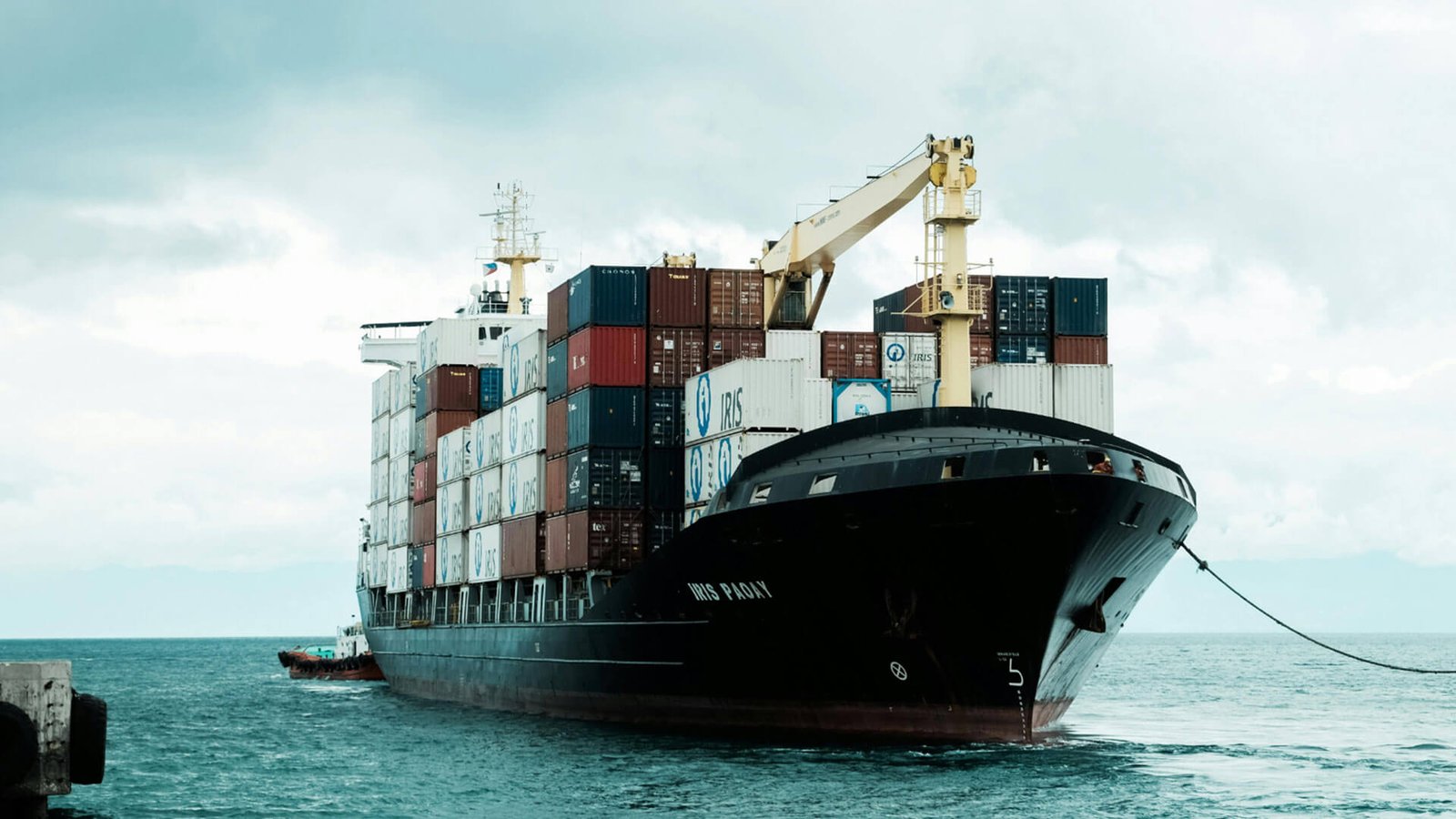
Shipping from France can be done through air, ocean, or express services. Each method has its own timeline. Air freight is fastest, while ocean freight4 is more economical.
Shipping costs from France to the U.S. vary based on mode, weight, volume, fuel surcharges, and destination. Air freight prioritizes speed but costs more, while ocean freight4 lowers per-unit cost. Final landed price also includes handling fees, customs duties, taxes, and inland delivery charges6.
When considering how to ship from France to the U.S., it’s essential to understand the different timeframes. Air freight typically takes 1–5 days. Express services are slightly slower, taking 3–7 days. On the other hand, ocean freight4 can take 20–35 days. The total time also includes waiting times at ports and customs clearance5.
Understanding the nuances of each shipping option can influence your decision. For example, if speed is vital, air freight2 is the way to go, despite the higher cost. However, if you’re shipping larger volumes and can afford to wait, ocean freight4 is more cost-effective.
How Much Does It Cost to Ship from France to the U.S., and What Drives the Final Landed Price?
Shipping costs can vary widely depending on several factors. Weight, dimensions, and shipping method all play significant roles.
Container shipping from France to U.S. ports generally takes 20–35 days port-to-port. Costs depend on container size, seasonal demand7, carrier availability, and U.S. port congestion8. Additional expenses may include terminal handling, drayage, customs clearance5, and inland trucking to the final destination.
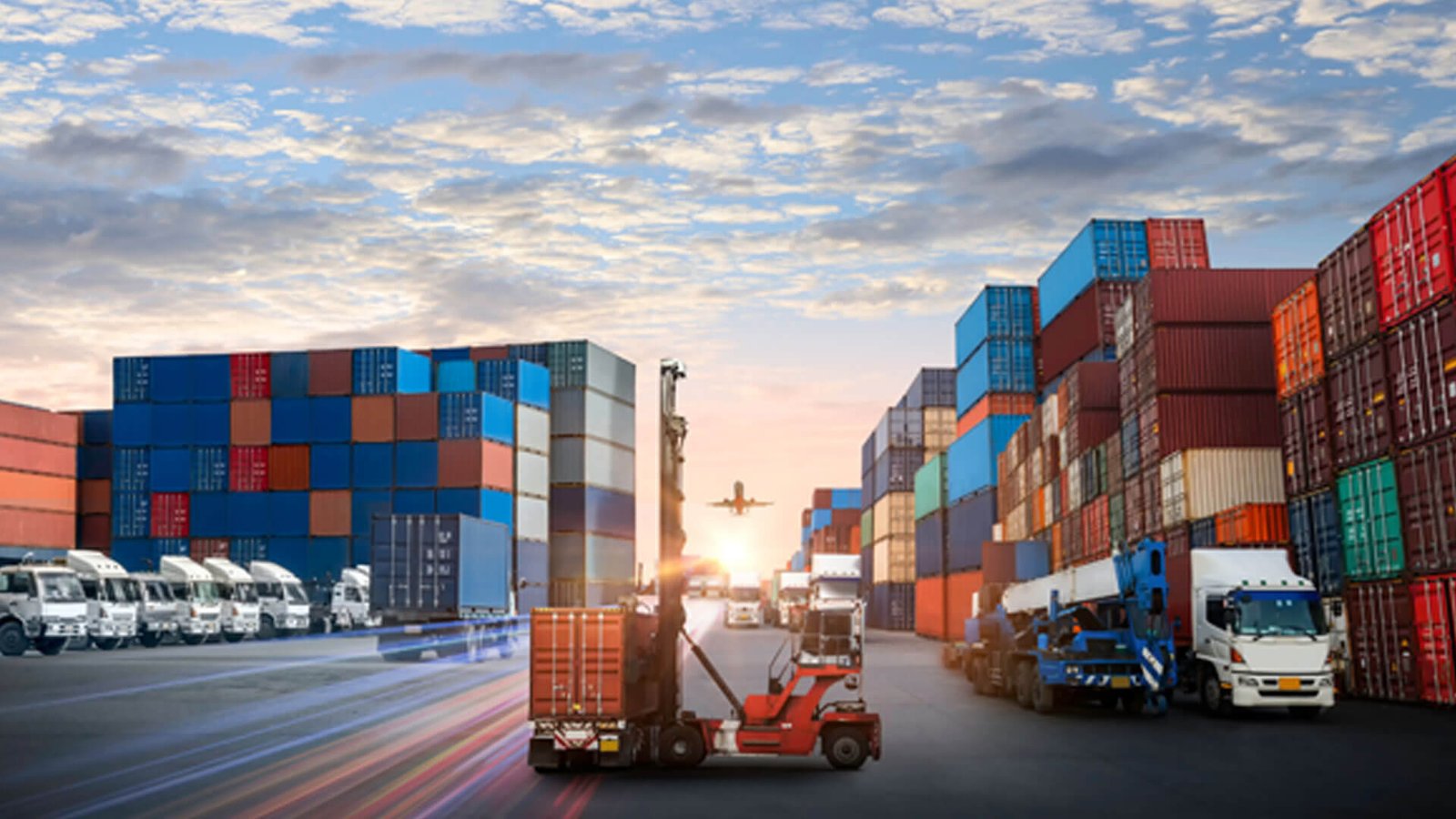
Factors that influence the cost of shipping include the mode selected—air freight2 is generally more expensive than ocean freight4. The weight and volume of the shipment also play a crucial role. Furthermore, additional charges, such as terminal handling and customs clearance5 fees, may apply.
The final landed price9 is the total cost incurred until the goods arrive at your specified location in the U.S. This includes all expenses from pick-up in France to delivery at your doorstep. It’s important to account for these factors when budgeting for your shipments to avoid surprises.
What Are Typical Transit Times and Costs for Containers Shipping from France to U.S. Ports?
When shipping containers, understanding the time and cost involved is key.
U.S. imports from France are subject to customs duties, taxes, and compliance requirements based on product classification and value. Importers must provide commercial invoices10, packing lists, and entry filings. Proper classification and documentation help avoid delays, penalties, and unexpected duty assessments at U.S. Customs.

Typically, a 20ft container from France to the U.S. can cost anywhere from $2,000 to $4,000, depending on several factors such as seasonal demand7 and the shipping route. The transit time for containers generally ranges between 20–35 days, which can be affected by port congestion8 or other logistical delays.
For larger shipments, consider the size of the container—40ft containers may cost more but can offer more value. The key is to assess your needs and find the right balance between cost and timing.
What Import Duties, Taxes, and Customs Requirements Apply When Shipping from France to the U.S.?
Navigating the customs landscape is essential for U.S. importers.
Delays and cost overruns often result from incomplete documentation, port congestion8, customs inspections, or poor routing decisions. Seasonal demand and carrier space shortages can also drive disruptions. Proactive planning, accurate filings, and route optimization11 significantly reduce risk when importing from France.
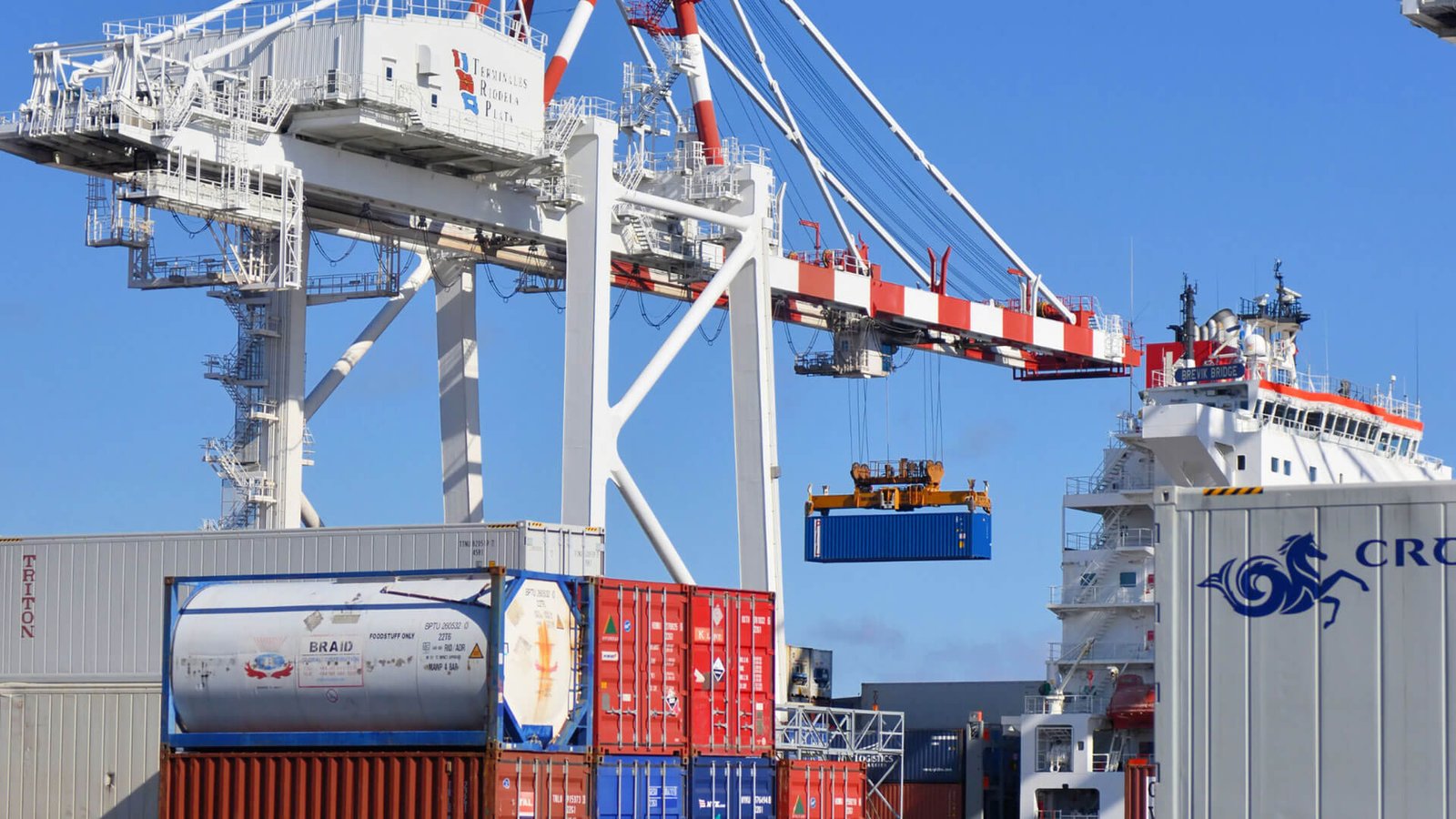
When importing products from France, you will need to understand the duties and taxes imposed on various goods. Each product category may have differing rates, and you must properly classify your goods to ensure compliance.
Key documentation such as commercial invoices10, packing lists, and entry filings is crucial. Inaccurate or incomplete documents can lead to delays and unexpected costs. By ensuring that everything is in order before shipping, you can significantly reduce the risk of issues during customs clearance5.
What Causes Delays or Cost Surprises When Importing from France—and How Can They Be Avoided?
Delays can lead to significant costs for U.S. importers.
Freight forwarders help U.S. importers manage France-to-U.S. shipments by selecting efficient routes, coordinating carriers, and handling customs clearance5. Their expertise minimizes delays, controls costs, and ensures compliance, allowing importers to move goods reliably from origin to final U.S. delivery.

Several factors can lead to delays or unexpected costs when importing goods from France. Incomplete documentation is among the most common issues. Also, port congestion8 can cause significant delays, especially during peak shipping seasons.
To avoid these issues, it’s crucial to plan ahead. Make sure all documents are completed accurately. Understanding the shipping route and potential delays is also essential. Working with a reliable freight forwarder can help identify and mitigate risks.
How Freight Forwarders Help U.S. Importers Control Time, Cost, and Risk on France-to-U.S. Shipments
Freight forwarders are invaluable in the shipping process.
Freight forwarders help U.S. importers manage France-to-U.S. shipments by selecting efficient routes, coordinating carriers, and handling customs clearance5. Their expertise minimizes delays, controls costs, and ensures compliance, allowing importers to move goods reliably from origin to final U.S. delivery.
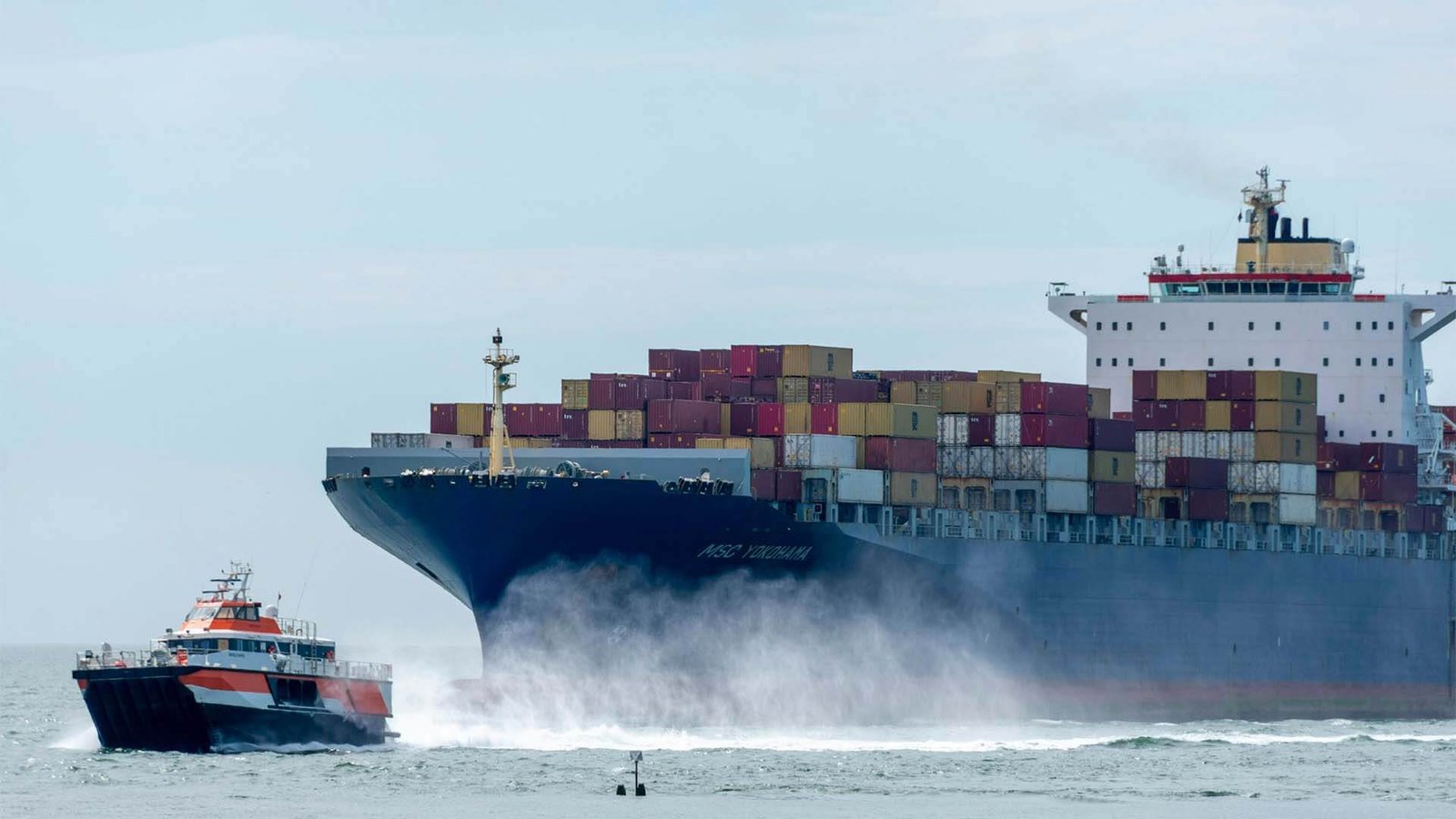
Freight forwarders possess the knowledge and resources to streamline the shipping process. They can help you select the best routes and manage all necessary documentation for customs. This not only saves time but also helps control costs.
Utilizing a freight forwarder means you won’t have to navigate the complexities of shipping alone. Their expertise can significantly reduce risks, ensuring that your goods arrive on time and within budget.
Conclusion
Shipping from France to the U.S. involves various factors affecting time and cost, but with proper planning and the right partners, it can be manageable.
Understanding transit times and costs is crucial for planning and budgeting your international shipments effectively. ↩
Air freight is the fastest shipping method, ideal for urgent deliveries, but it's important to weigh the costs against the speed benefits. ↩
Express courier services offer a balance between speed and cost, making them a viable option for many businesses. ↩
Ocean freight is cost-effective for large shipments, and understanding its process can help in making economical shipping decisions. ↩
Customs clearance can significantly impact shipping times and costs, so understanding this process is vital for smooth international trade. ↩
Inland delivery charges are part of the total shipping cost, and understanding them helps in budgeting for the entire shipping process. ↩
Seasonal demand can affect shipping costs and availability, so planning around these times can save money and ensure timely delivery. ↩
Port congestion can lead to significant delays, so understanding its impact helps in better planning and risk management. ↩
Knowing the components of the final landed price helps in accurate budgeting and avoiding unexpected costs. ↩
Commercial invoices are key documents for customs clearance, and ensuring their accuracy can prevent delays and penalties. ↩
Route optimization can reduce shipping times and costs, making it a valuable strategy for efficient international logistics. ↩