Customs clearance1 can be a daunting process for many U.S. importers. Understanding how it works can save time and money while ensuring compliance.
Customs clearance1 is the process of declaring imported goods to customs authorities for approval and release. In the U.S., the importer of record2 is legally responsible for accuracy, duties, and compliance, even when a broker files on their behalf. Understanding this responsibility is critical to managing risk and avoiding penalties.

Navigating the customs clearance process is essential for anyone involved in importing goods into the United States. This article will break down the steps involved, what to expect, and how to avoid common pitfalls.
What Is Customs Clearance and Who Is Legally Responsible for It in U.S. Imports?
Customs clearance1 is a critical function in international trade. It involves submitting necessary documents to customs authorities to get permission for goods to enter a country. This process ensures that all imports comply with local regulations.
The U.S. importer of record2 is legally responsible for customs clearance, including the accuracy of documentation and payment of duties. This responsibility remains with the importer even if a customs broker is hired to manage the process.
Understanding the legal responsibilities surrounding customs clearance is vital. The importer must ensure all documentation is filed accurately. This includes invoices, packing lists, and any necessary permits. Not doing so can lead to fines or the seizure of goods.
What Are the Exact Step-by-Step Stages of the U.S. Customs Clearance Process?
The customs clearance process consists of several important steps. Each step must be followed to ensure goods can enter the U.S. without delays.
The U.S. customs clearance process typically includes entry filing3, document review, duty and tax assessment, potential inspection, and cargo release. Each step must be completed accurately and on time to prevent delays. Most issues arise when data, classification, or valuation does not align with customs requirements.
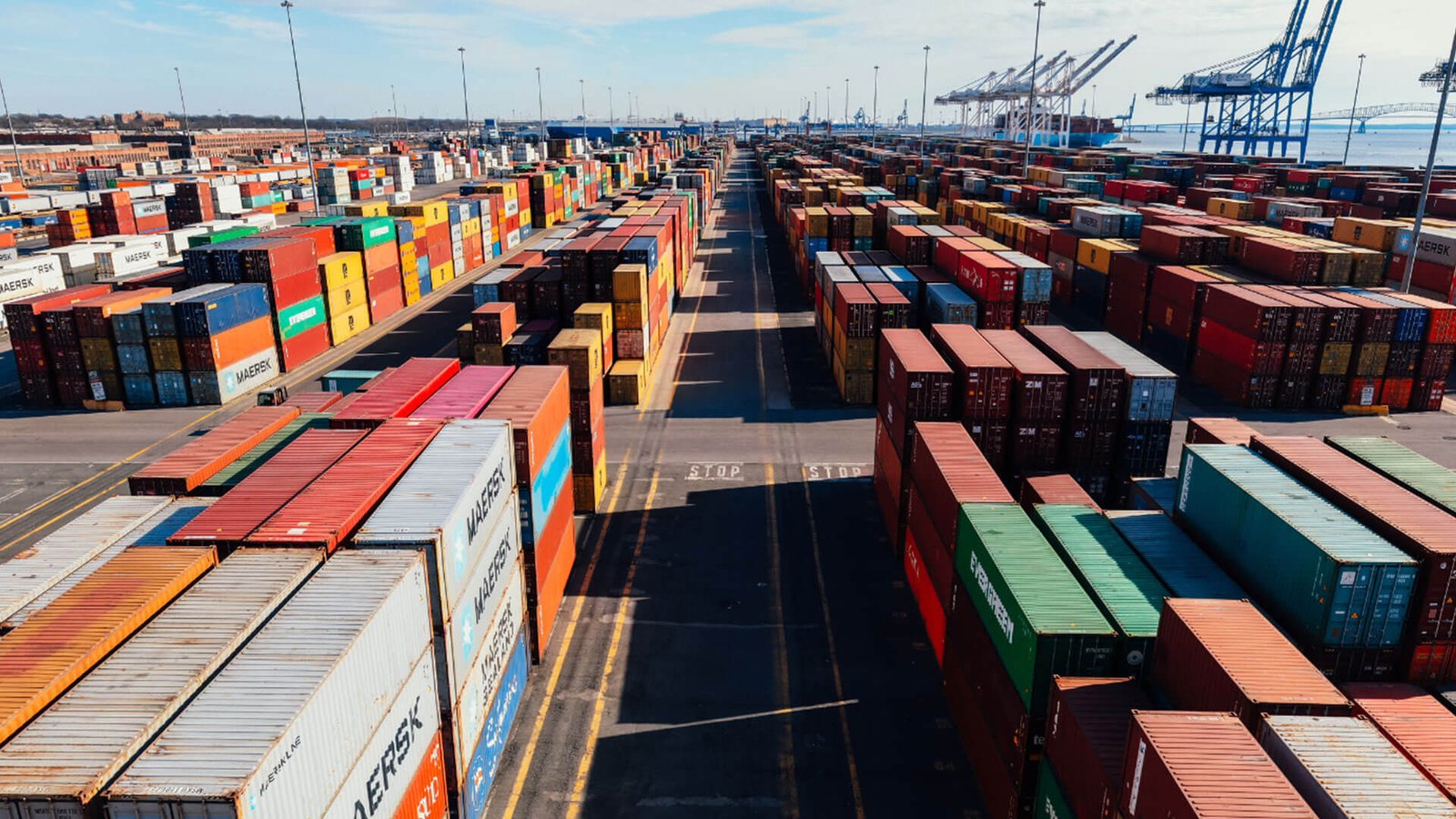
The key stages of the U.S. customs clearance process are as follows:
- Entry Filing: Submit all required documents to U.S. Customs and Border Protection (CBP).
- Document Review4: CBP will review the submitted documents for discrepancies.
- Duty and Tax Assessment5: Duties and taxes are calculated based on the value of the goods.
- Inspection: Random inspections may occur to ensure compliance.
- Cargo Release6: Once cleared, goods are released for transport.
Each of these steps plays a vital role in the overall clearance process. Missing or inaccurate information at any stage can lead to delays and additional costs.
How Long Does Customs Clearance Take and What Factors Most Commonly Cause Delays?
Understanding the time it takes for customs clearance is crucial for planning and logistics.
Customs clearance1 can take from a few hours to several days, depending on shipment complexity, accuracy of filings, and inspection requirements. Delays often result from missing documents, incorrect classifications, customs exams, or high-volume periods. Proactive preparation significantly reduces clearance time for U.S. imports.
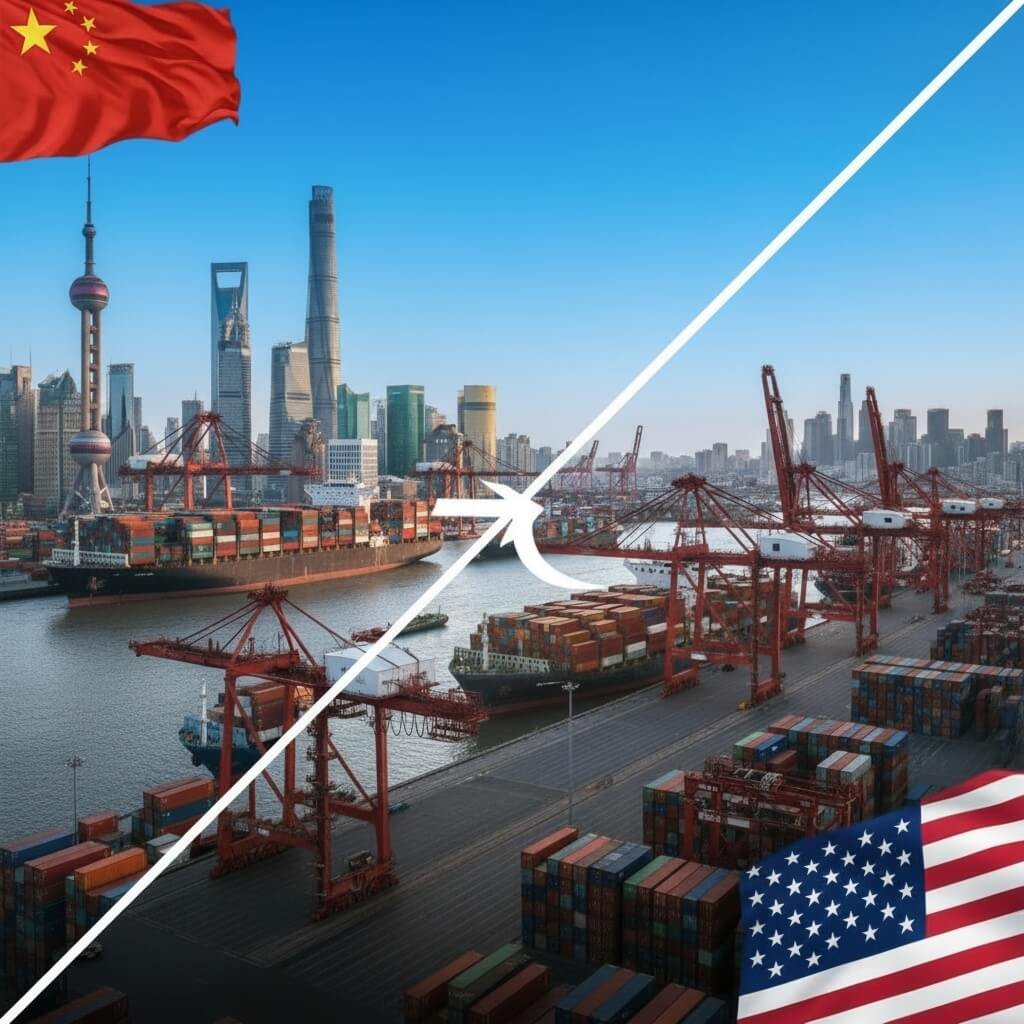
Several factors influence customs clearance times:
- Document Accuracy7: Ensure all documents are correct and complete to avoid delays.
- Inspection Requirements: Random inspections can prolong the clearance process.
- Customs Volume: Busy periods, like holidays, can slow down processing times.
- Classification and Valuation Issues: Mistakes in these areas can lead to lengthy holds.
By preparing all necessary information accurately, importers can speed up the customs clearance process.
What Documents, Data, and Filings Are Required for Successful Customs Clearance?
Documentation is a cornerstone of the customs clearance process. Without the proper paperwork, shipments can be held or rejected.
Successful customs clearance requires accurate commercial invoices, packing lists, transport documents, and customs entry filing3s. Additional licenses or certificates may be needed depending on the product. Complete, consistent data across all documents is essential to avoid holds, rejections, and costly post-entry corrections.
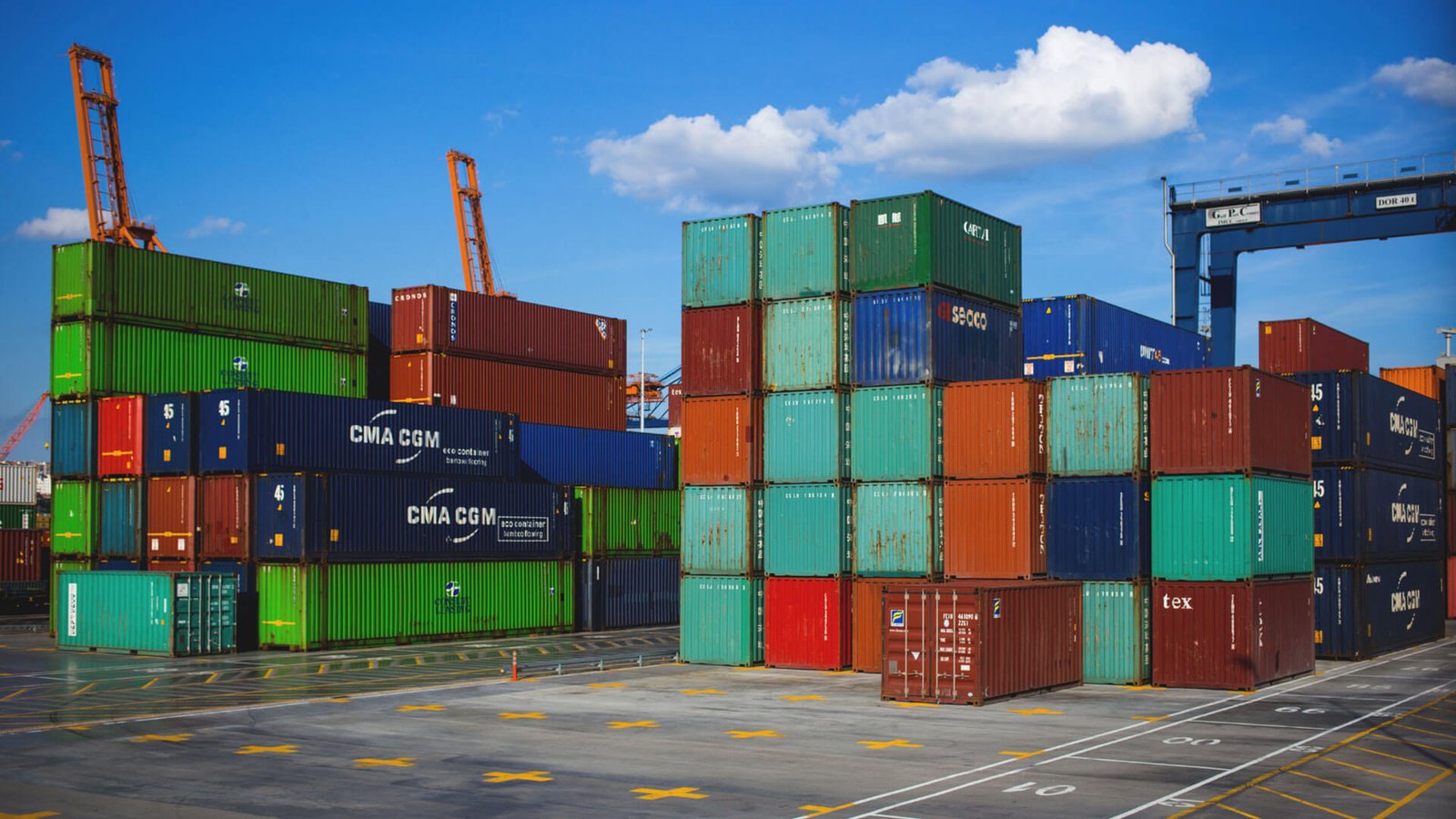
The following documents are typically required for customs clearance:
| Document Type | Description |
|---|---|
| Commercial Invoice | Details the transaction including product value. |
| Packing List8 | Lists all items in the shipment. |
| Transport Documents9 | Includes bills of lading or air waybills. |
| Customs Entry Filing10 | Required forms submitted to CBP. |
| Permits and Licenses | Specific to certain products (e.g., food, chemicals). |
Ensuring that all documents are complete and accurate can prevent significant delays and penalties.
What Happens When Goods Fail Customs Clearance and How Can Importers Resolve It?
Sometimes shipments do not clear customs as expected. Understanding what happens in these scenarios can help mitigate issues.
When goods fail customs clearance, shipments may be held, examined, returned, or seized. Common causes include misclassification, undervaluation, or missing permits. Importers must correct filings, provide supporting documentation, or pay additional duties to resolve the issue and secure cargo release.
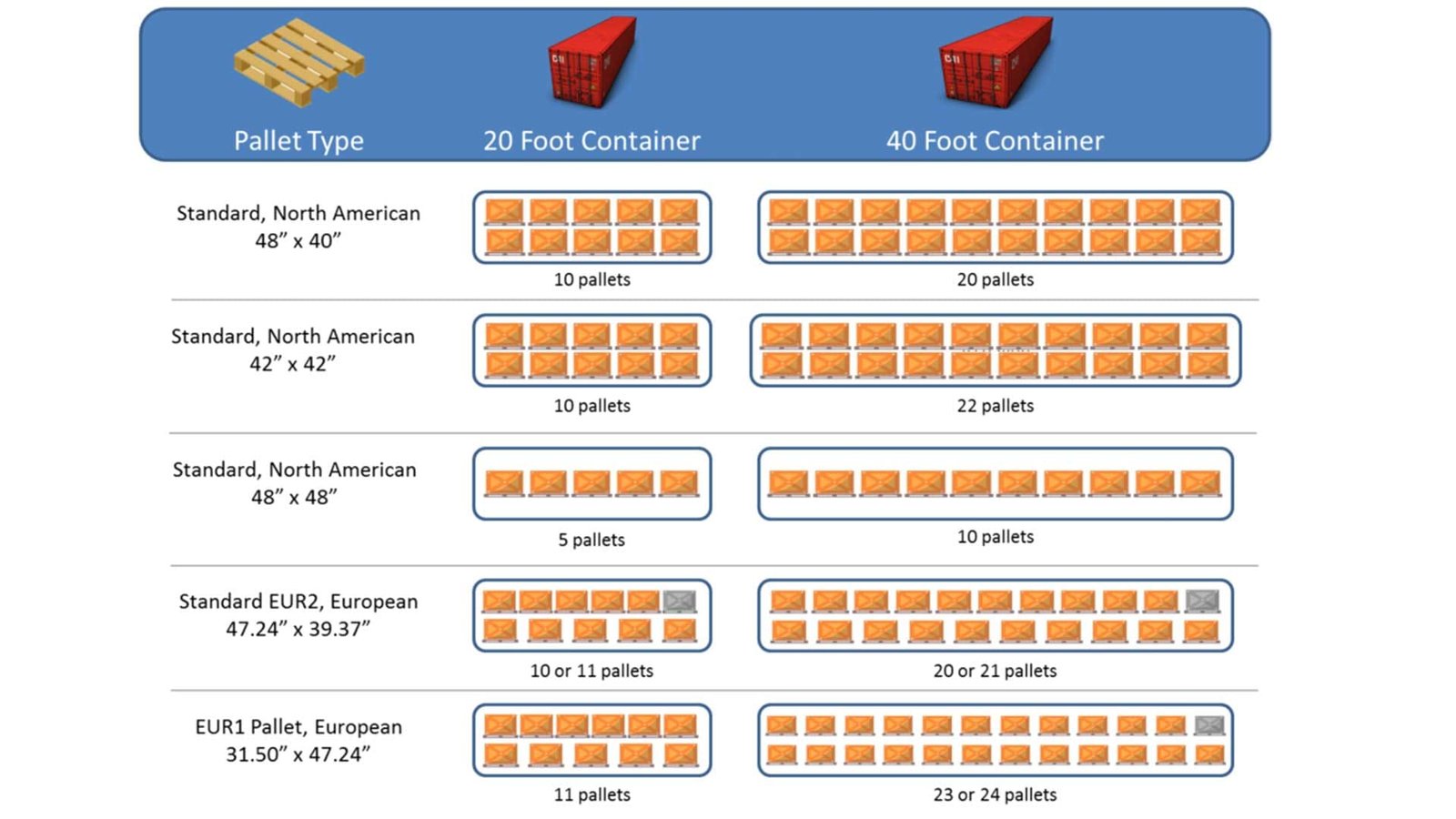
When a shipment fails to clear customs, several actions can be taken:
- Review Documentation: Analyze what went wrong with the filings.
- File Corrections: Resubmit any necessary corrections to CBP.
- Provide Additional Information: Submit any missing documents or supporting information.
- Pay Additional Duties: If required, pay any additional fees or duties assessed by customs.
Being proactive in addressing clearance failures11 can facilitate the timely release of goods.
How Customs Brokers12 and Freight Forwarders13 Help Importers Control Clearance Risk and Cost
Utilizing customs brokers and freight forwarders can significantly ease the customs clearance process.
Customs brokers and freight forwarders help importers manage clearance by ensuring accurate filings, coordinating with carriers, and addressing customs inquiries. Their expertise reduces delays, prevents compliance errors, and controls clearance costs, allowing importers to move goods efficiently from port arrival to final delivery.

Customs brokers provide several advantages:
- Expertise in Regulations: They understand the complexities of customs laws.
- Accurate Filings: Brokers ensure that all paperwork is completed and submitted correctly.
- Problem Resolution: They can assist in resolving any issues that arise during clearance.
- Cost Management: By avoiding penalties and delays, they can help save money.
Having a reliable broker can be the difference between smooth sailing and a turbulent clearance process.
Conclusion
Understanding customs clearance can save U.S. importers time and money while ensuring compliance and minimizing risks.
Understanding customs clearance is crucial for importers to ensure compliance and avoid costly delays and penalties. ↩
Knowing the role and responsibilities of the importer of record helps in managing risks and ensuring compliance with U.S. customs regulations. ↩
Entry filing is the first step in customs clearance, and understanding it can help prevent delays in the import process. ↩
Document review is critical to ensure all paperwork is accurate, preventing potential delays and fines. ↩
Understanding duty and tax assessment helps importers budget accurately and avoid unexpected costs. ↩
Knowing when and how cargo is released helps importers plan logistics and delivery schedules effectively. ↩
Accurate documentation is essential to avoid delays, fines, and potential seizure of goods during customs clearance. ↩
A packing list provides detailed information about the shipment, helping customs verify the contents and avoid discrepancies. ↩
Transport documents like bills of lading are essential for tracking shipments and ensuring smooth customs processing. ↩
Customs entry filing is a mandatory step, and understanding it ensures compliance and smooth clearance. ↩
Understanding clearance failures and their resolutions helps importers address issues promptly and avoid prolonged delays. ↩
Customs brokers provide expertise and support, reducing the risk of errors and delays in the clearance process. ↩
Freight forwarders coordinate logistics and documentation, ensuring efficient movement of goods through customs. ↩