Freight forwarding can be complex, especially when it comes to costs and logistics. Understanding the role of co-loaders1 can save you both time and money in your shipping process.
A co-loader is a freight forwarder that consolidates cargo2 from multiple shippers into shared containers3 or space agreements. By aggregating volume, co-loaders1 negotiate better carrier rates, secure space during peak seasons, and offer smaller importers access to competitive ocean and air freight capacity4.
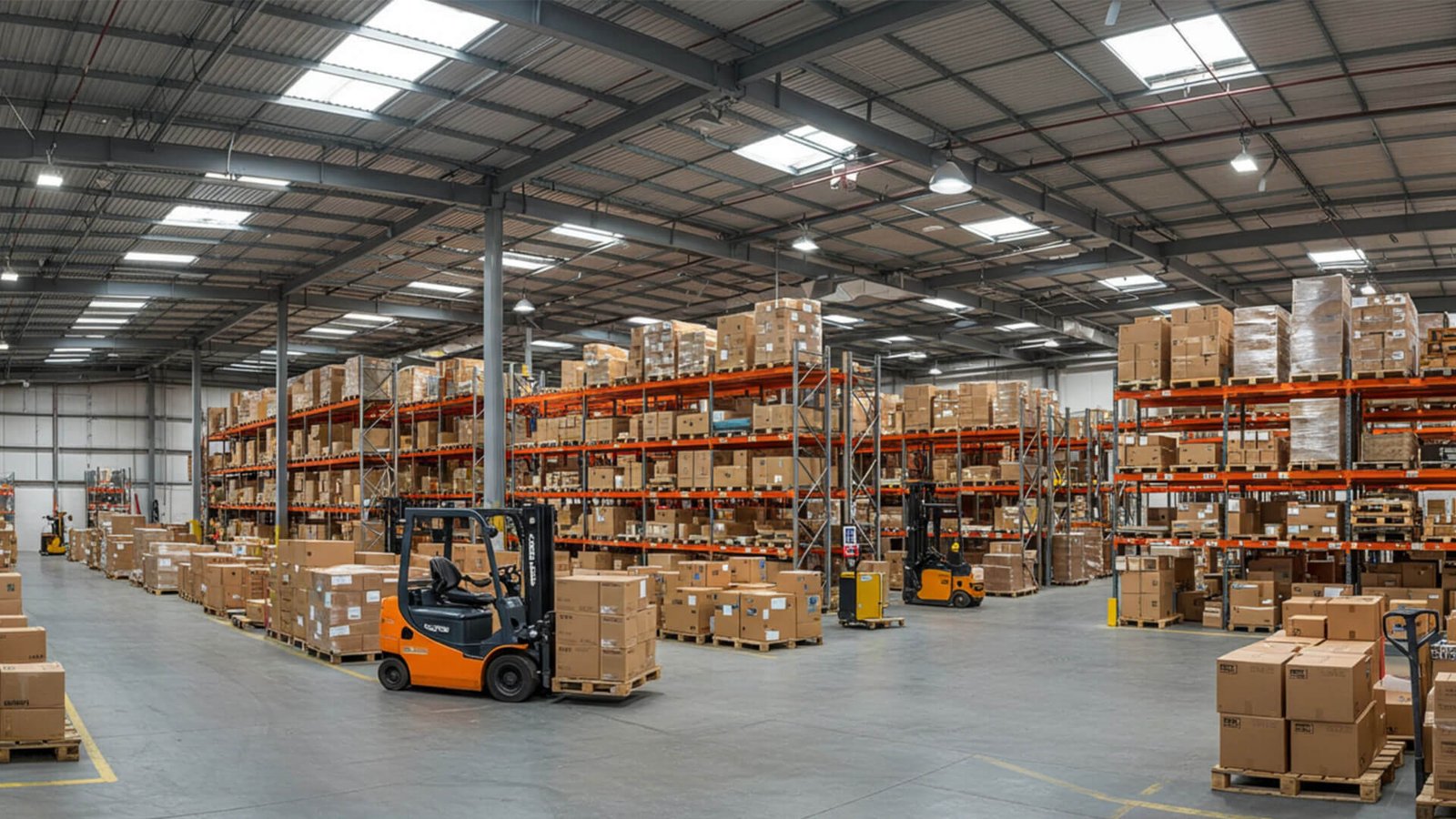
The logistics world is intricate. With so many moving parts, it’s essential to know who is managing your cargo. A co-loader can help you streamline your shipping process and reduce costs.
A co-loader is a freight forwarder that consolidates multiple shipments to secure better carrier rates, sailing schedules, and space allocation for importers?
The logistics landscape can be overwhelming. Co-loaders play a crucial role in making shipping easier for importers like you.
U.S. importers use co-loaders1 to lower LCL and FCL shipping costs5 while maintaining dependable transit schedules. Co-loaders leverage contracted carrier space6, broader port coverage, and consolidated volumes7, helping importers reduce per-unit freight expenses without sacrificing reliability or service consistency.

Co-loaders are crucial for managing your import costs effectively. By consolidating shipments, they can negotiate better rates and ensure space is available for your cargo. This not only saves you money but also provides a reliable shipping schedule.
Co-loading offers significant benefits, especially for U.S. importers. With the rising costs of shipping, it is essential to understand how these services can impact your bottom line. Co-loaders can help reduce costs in various ways, including:
| Aspect | Benefit |
|---|---|
| Cost Reduction | Lower freight costs through consolidation |
| Reliability | Access to dependable shipping schedules |
| Flexibility | Adapt to demand fluctuations |
| Better Negotiation | Aggregated volume leads to better rates |
| Service Consistency | Maintain quality of service |
Understanding these aspects can help you capitalize on the advantages of using a co-loader.
U.S. importers use co-loaders1 to reduce LCL and FCL costs while maintaining access to reliable carrier contracts and port coverage?
Navigating freight costs can be tricky. Co-loaders help importers like you save significantly on shipping expenses.
Co-loader charges usually include origin consolidation, cargo handling8, documentation, mainline freight9, and destination deconsolidation fees10. These costs directly affect landed cost11 and vary by lane, volume, and service level, making transparent rate breakdowns critical for U.S. importers managing freight budgets.
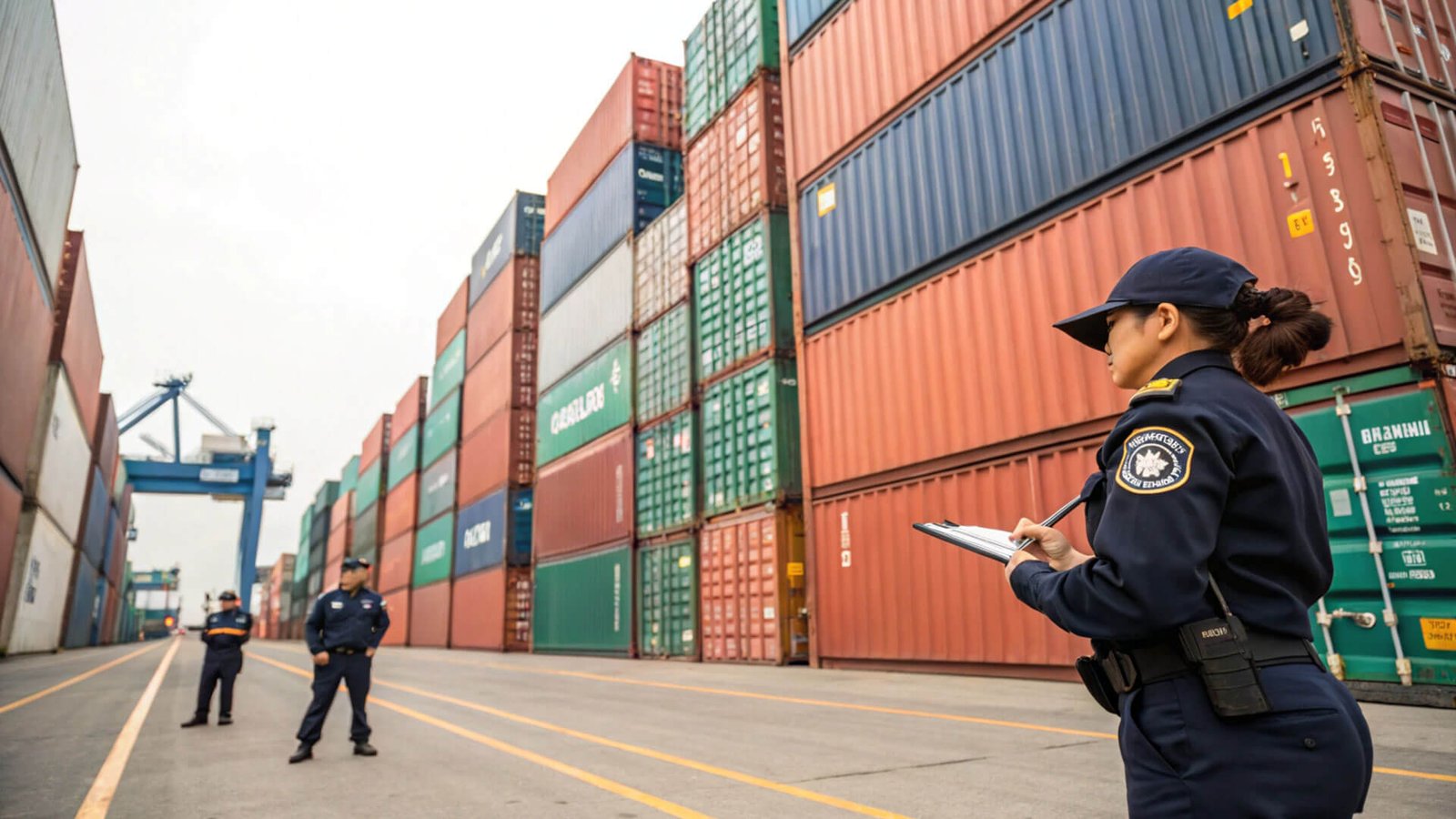
Understanding the costs associated with co-loaders1 is vital for managing your freight budget. By knowing what fees to expect, you can make informed decisions that positively impact your bottom line.
Co-loader charges are essential to grasp, especially when budgeting for your import costs. Here’s a breakdown of typical co-loader fees you might encounter:
| Fee Type | Description |
|---|---|
| Consolidation Fee | Charge for combining multiple shipments |
| Documentation Fee | Cost for paperwork processing |
| Handling Fee | Charge for physical handling of cargo |
| Deconsolidation Fee | Cost for breaking down shipments at the destination |
| Mainline Freight Fee | Charges for transportation of goods |
Being aware of these fees helps you better estimate your total costs and plan accordingly.
The key difference between a co-loader, carrier, and freight forwarder lies in who controls cargo space, liability, and operational execution?
Deciding who manages your shipping is crucial. Each role in logistics has distinct responsibilities that impact your shipment.
The difference between a co-loader, carrier, and freight forwarder depends on control and responsibility. Carriers operate vessels or aircraft, co-loaders1 control consolidated cargo space, and freight forwarders manage end-to-end logistics, customer service, and customs coordination for importers.
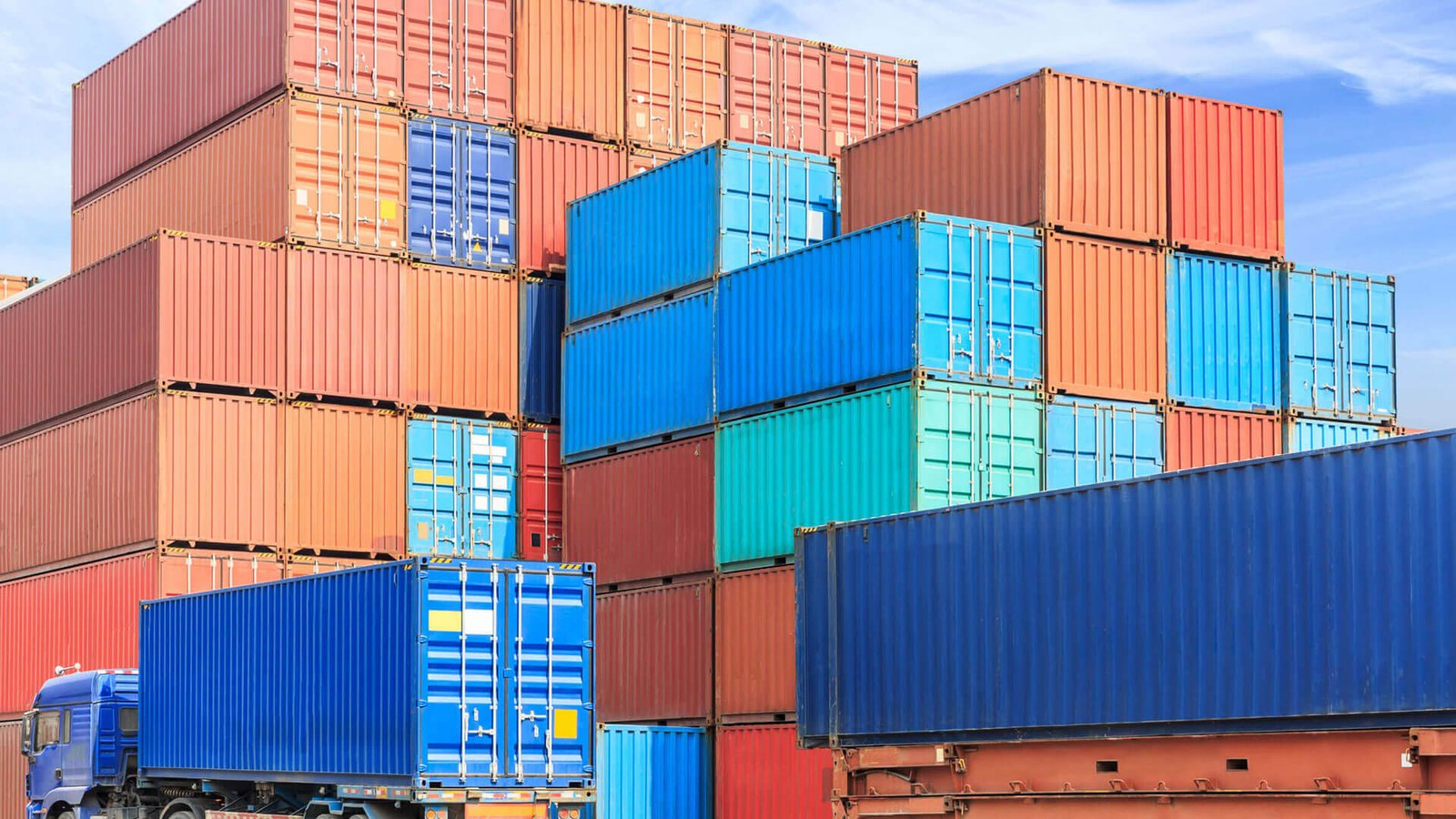
Understanding the differences between these roles can help you choose the right partner for your shipping needs. It’s essential to know who is responsible for what to avoid potential issues.
Here’s a quick comparison of these three roles in freight shipping:
| Role | Responsibilities |
|---|---|
| Carrier | Operates vessels or aircraft |
| Co-Loader | Consolidates cargo, manages space allocation |
| Freight Forwarder | Coordinates logistics, customer service, customs |
Knowing these differences allows you to better navigate the logistics landscape and select the best partners for your needs.
Co-loading fits into the shipping process from origin consolidation through mainline transport, U.S. customs clearance12, and final delivery13?
Understanding the shipping process is crucial for U.S. importers. Co-loading plays a significant role in this journey.
Co-loading occurs after supplier pickup and before international transport, starting with origin consolidation, followed by mainline shipping, U.S. customs clearance12, and final delivery13. This structure allows importers to move smaller volumes efficiently while still fitting into standard import and compliance workflows.
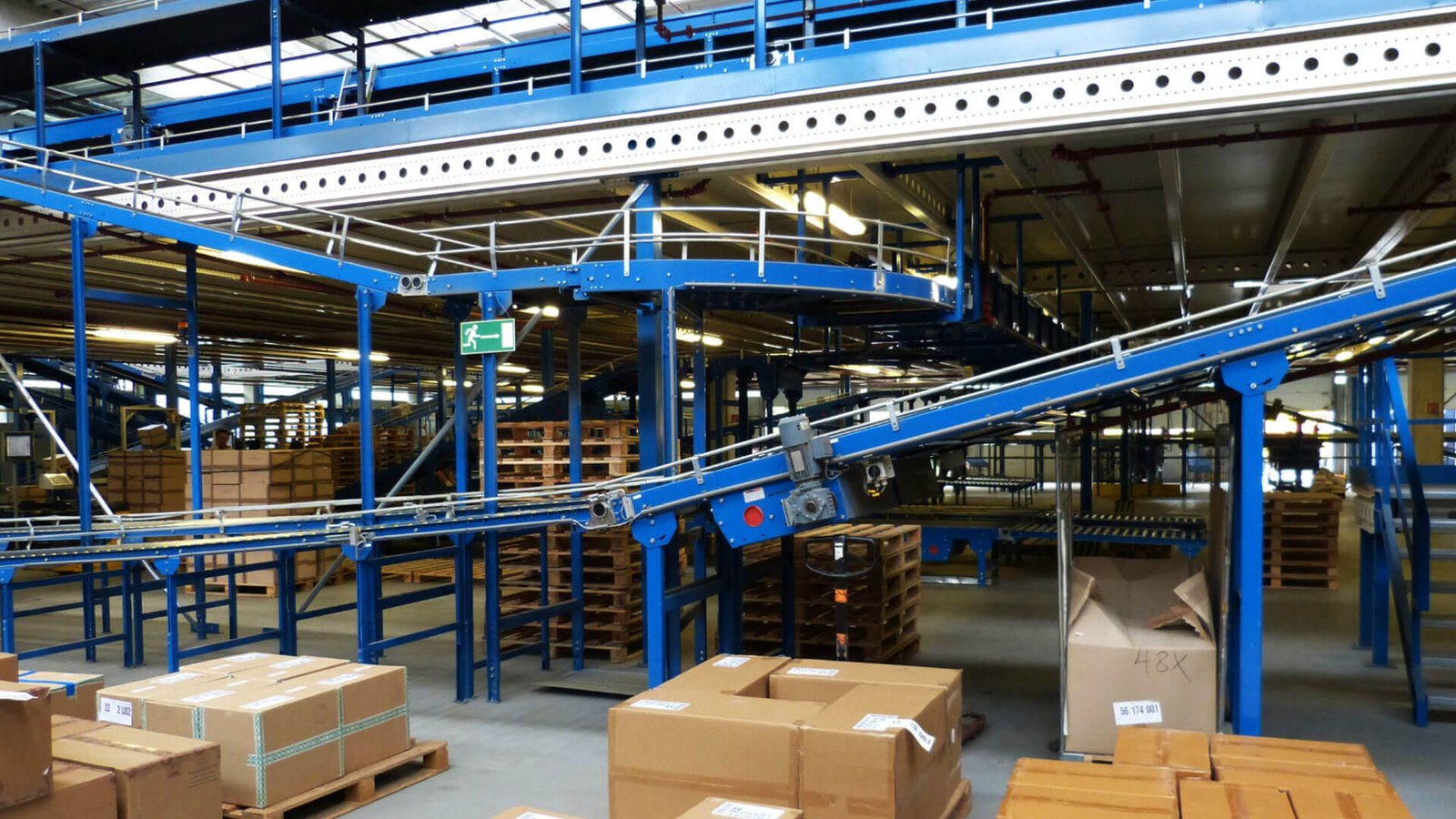
Being aware of each stage of the shipping process allows you to streamline operations and avoid delays. Co-loading integrates well into the overall import workflow, providing efficiency and reliability.
Here’s a flow of the co-loading process to visualize how it fits into shipping:
| Stage | Description |
|---|---|
| Supplier | Goods are picked up from the supplier |
| Co-Loader Consolidation | Multiple shipments are consolidated at the origin |
| Carrier Mainline Transport | Goods are shipped to the destination port |
| U.S. Customs Clearance | Cargo is cleared through customs |
| Deconsolidation | Shipments are separated and delivered |
This structured approach enhances efficiency, making it easier for you to manage your imports.
Selecting a co-loader is a critical decision. The right choice can save you from many headaches down the line.
Selecting the right co-loader helps U.S. importers prevent hidden fees14, shipment delays, and compliance issues. Experienced co-loaders1 provide clear pricing, reliable carrier access, accurate documentation, and contingency planning, especially during peak seasons when capacity shortages and port congestion increase risk.

Making the right choice in co-loaders1 can significantly impact your shipping experience. It ensures you maintain control over costs and avoid unexpected issues.
Here are some tips on selecting the right co-loader for your needs:
| Consideration | Importance |
|---|---|
| Transparency | Look for clear pricing and fee structures |
| Reliability | Choose a co-loader with a proven track record |
| Experience | A knowledgeable partner can help navigate complexities |
| Capacity Access | Ensure they can handle your needs during peak seasons |
| Compliance Knowledge | Make sure they understand regulations and requirements |
Making an informed decision here can lead to smoother shipping experiences and fewer headaches.
Conclusion
Understanding co-loaders1 enhances your shipping process, helping you control costs, mitigate risks, and navigate compliance effectively.
Understanding co-loaders can help you streamline your shipping process and reduce costs effectively. ↩
Learn how consolidating cargo can lead to better rates and more efficient shipping. ↩
Discover how shared containers can save you money and optimize space. ↩
Find out how to gain access to competitive freight capacity for cost-effective shipping. ↩
Explore strategies to lower your LCL and FCL shipping expenses. ↩
Understand the benefits of using contracted carrier space for reliable shipping. ↩
Learn how consolidated volumes can lead to better negotiation and reduced costs. ↩
Understand the costs associated with cargo handling to better manage your budget. ↩
Learn about mainline freight and its role in the transportation of goods. ↩
Find out how destination deconsolidation fees impact your shipping costs. ↩
Understand how co-loader charges influence your overall landed cost. ↩
Learn about the customs clearance process to ensure smooth import operations. ↩
Understand the final delivery stage to ensure timely receipt of your goods. ↩
Discover ways to prevent unexpected costs in your shipping process. ↩
Learn about compliance risks to avoid legal issues and fines. ↩
Find strategies to handle capacity shortages and ensure timely shipments. ↩