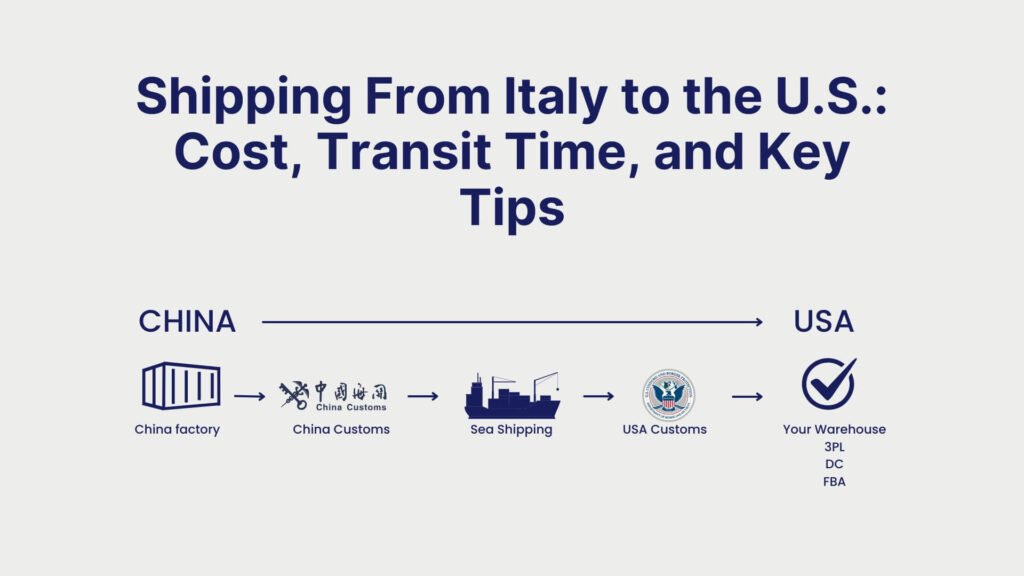
Shipping from Italy to the U.S. can be a complex process. Understanding the costs and transit times can save you money and time.
Shipping from Italy to the U.S. can be done by ocean or air, with significant differences in cost and transit time depending on origin city, destination port, and service level. Importers must evaluate not just transit speed, but reliability and total landed shipping cost when selecting the best option.
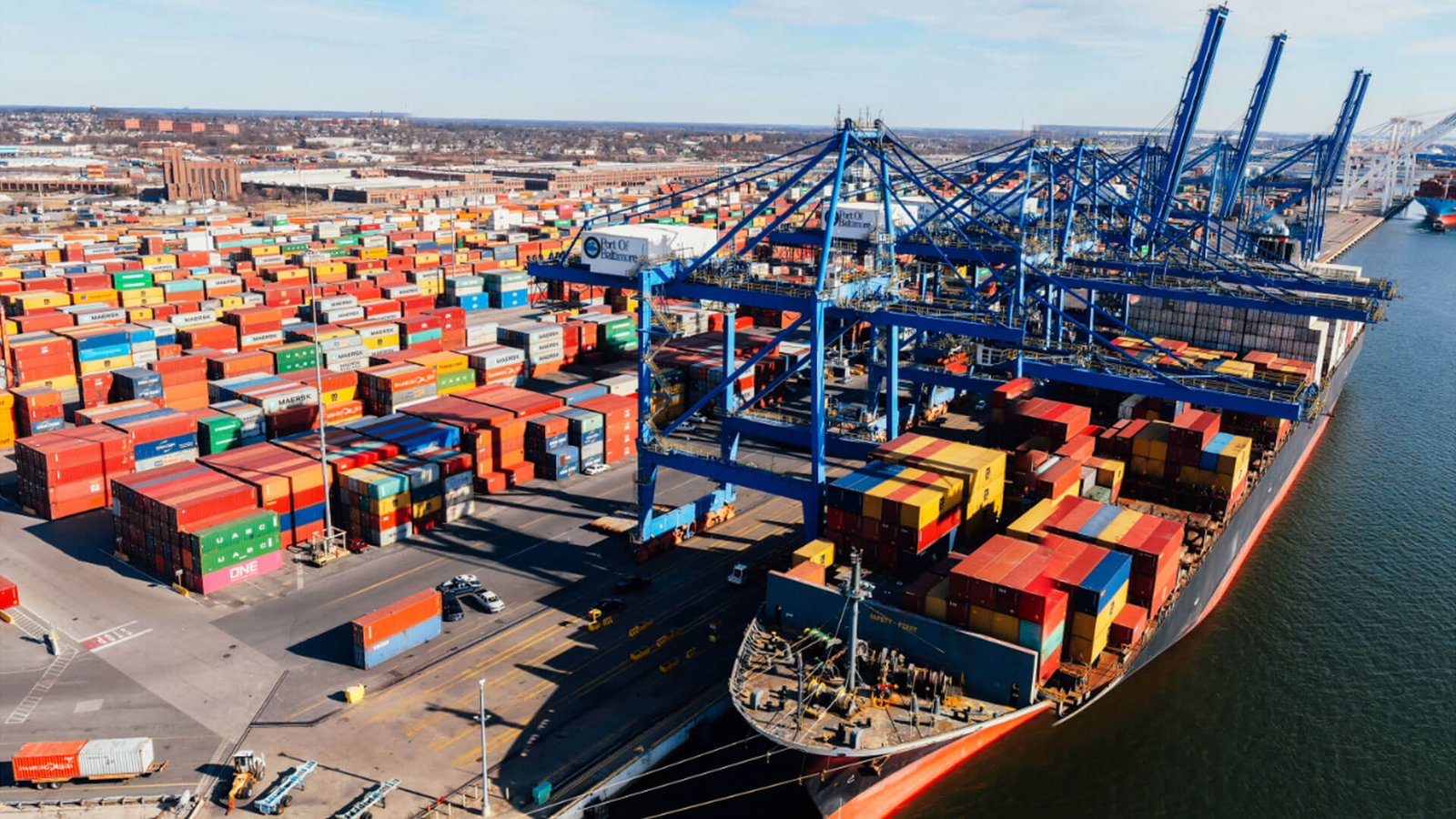
Choosing the right shipping method from Italy to the U.S. is essential for successful importing. The variations in freight options1 can lead to different outcomes in both cost and delivery times. It's critical to understand these options to make informed decisions.
Shipping from Italy to the U.S. involves multiple freight options1, with costs and transit times varying widely by mode and port pair?
Shipping from Italy to the U.S. can be an intricate affair. As an importer, you must navigate different freight options1, each with its own cost and transit time. If you're not careful, you could face unexpected challenges.
Shipping from Italy to the U.S. can be achieved through ocean or air freight2, both presenting varied costs and transit times. Key factors like origin city and destination port3 heavily influence your choices. Importers should consider speed, reliability, and expenses when making their selection.

Finding the right balance between cost and speed4 is vital. Ocean freight is generally more affordable, but it has longer transit times and can sometimes be unpredictable. Air freight, while much faster, comes with a higher price tag. Understanding these dynamics will guide you in making smart choices that fit your specific needs.
Ocean freight from Italy to the U.S. offers the lowest cost for bulk cargo but requires longer and less predictable transit times?
It's crucial to analyze how ocean freight works when shipping from Italy to the U.S. Many importers rely on this method because it’s often the most economical choice. However, the savings can come with a trade-off.
Ocean freight is the most cost-effective option for full containers and heavy shipments5 from Italy to the U.S. Typical transit times range from several weeks, with variability caused by port congestion6 and vessel schedules. Importers must balance lower freight rates against longer lead times and planning risk.

When using ocean freight, you might expect transit times of around 20 to 35 days. This lengthy period is due to several factors, including shipping schedules and port operations. Furthermore, delays can occur due to port congestion6, which is a common issue in busy shipping channels.
| Ocean Freight | Details |
|---|---|
| Transit time | ~20–35 days port-to-port |
| Cost | Lowest per unit for bulk |
| Best for | Full containers, heavy or non-urgent cargo |
| Risk | Schedule variability, port congestion6 |
Planning for these variables is essential. You'll want to consider your inventory needs and how much lead time you can afford. If you're shipping goods that aren't urgently needed, ocean freight can provide significant savings.
Air freight from Italy to the U.S. provides faster delivery for high-value goods at a significantly higher shipping cost?
If speed is a critical factor for your shipments, air freight might be the way to go. Many importers find themselves asking whether the expense is justified.
Air freight from Italy to the U.S. typically delivers in days rather than weeks, making it ideal for urgent or high-value cargo. However, air freight costs are substantially higher than ocean rates. Importers should reserve air freight for shipments where speed and inventory availability outweigh freight expense.

Air freight transit times range from 3 to 7 days, a stark contrast to ocean freight. The ability to receive goods quickly can be crucial for businesses that rely on timely inventory replenishment. However, the costs can add up fast. For high-value items or goods that are perishable, air freight is often the practical choice.
| Air Freight | Details |
|---|---|
| Transit time | ~3–7 days |
| Cost | Significantly higher per kg |
| Best for | High-value, urgent, or time-sensitive goods |
| Risk | Capacity constraints, fuel surcharges |
If you choose air freight, ensure that it's worth the investment. Assess the value of your goods against the shipping costs. In many cases, the speed of delivery can justify the price.
Total shipping cost from Italy includes not only freight rates but also origin charges, destination fees, and inland transportation7?
Understanding the total shipping cost is important for budget planning. Many importers focus solely on freight rates, which can lead to unexpected expenses down the line.
Freight rates represent only part of the total shipping cost. Importers must account for origin handling in Italy, destination port charges, inland delivery, and administrative fees. Failing to model these costs upfront often leads to budget overruns and inaccurate landed-cost calculations.
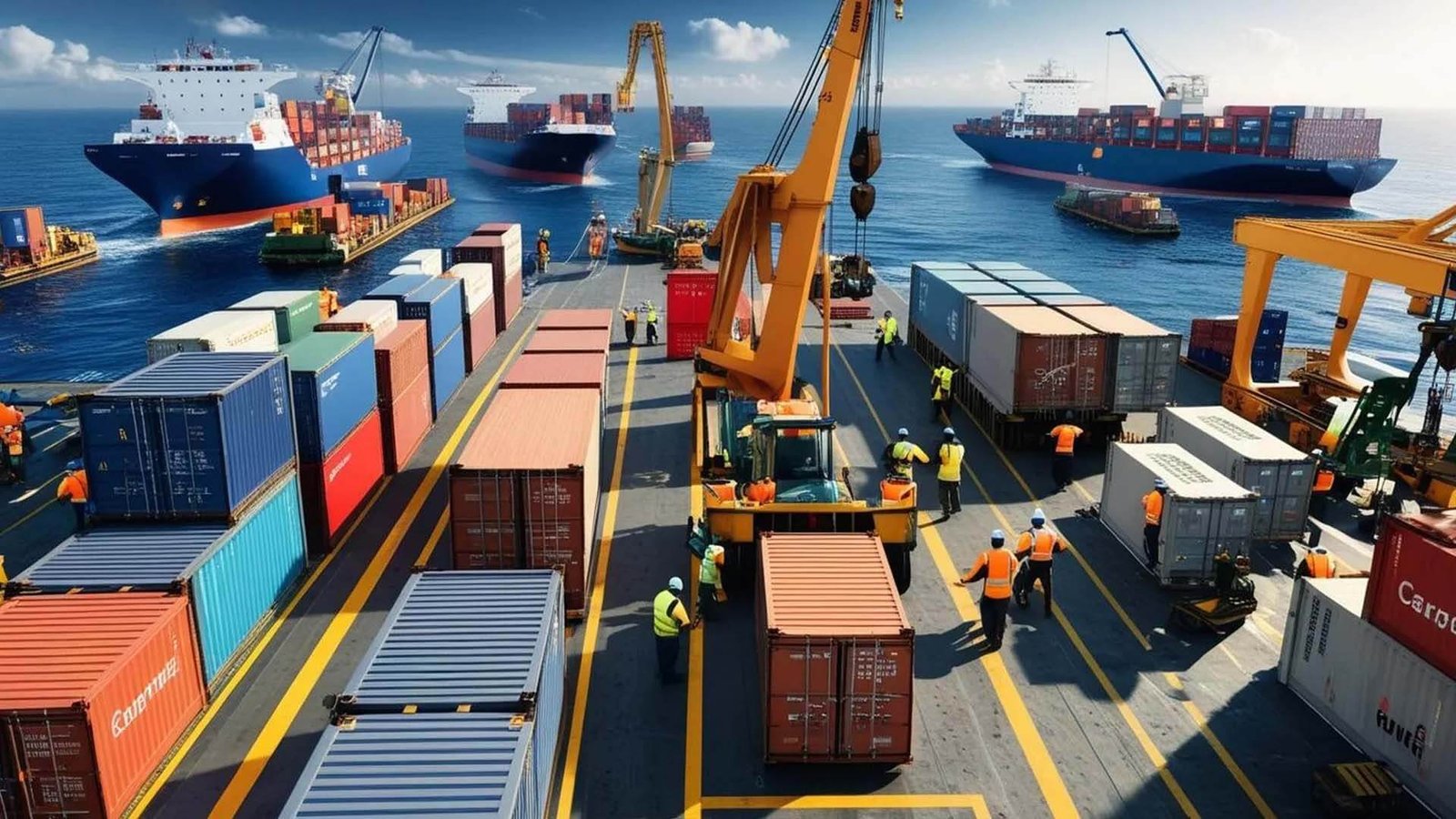
When calculating total shipping costs, remember to include:
- Origin charges: Fees for loading and handling at the departure point.
- Destination fees: Charges for unloading and processing at the receiving port.
- Inland transportation: Costs for moving goods from the port to their final destination.
These elements can significantly add to your shipping expenses. If you're not careful, your budget can quickly spiral out of control.
| Cost Components | Details |
|---|---|
| Origin Charges | Handling in Italy before shipping |
| Destination Fees | Unloading and processing in the U.S. |
| Inland Transport | Delivery to final destination |
Make sure to do your homework and calculate these costs beforehand. This foresight can prevent spending surprises.
U.S. customs clearance8, duties, and documentation play a critical role in determining final delivery time and cost?
Navigating U.S. customs is another hurdle that can impact your shipping experience. Many importers overlook the significance of customs clearance, leading to delays.
While Italian VAT is not paid on U.S. imports, customs clearance still determines when cargo is released. Accurate documentation, correct classification, and duty payment are essential. Errors at customs can delay delivery longer than the ocean or air transit itself, increasing storage and demurrage costs.
To ensure a smooth customs process, it's vital to prepare comprehensive documentation. This includes:
- Bill of Lading9: Shipment details and terms.
- Commercial Invoice10: Itemized listing and value of goods.
- Customs Declaration11: Necessary paperwork to clear customs.
Errors or missing information can lead to significant delays. Understanding the requirements ahead of time can save you from costly mistakes.
| Customs Documents | Purpose |
|---|---|
| Bill of Lading9 | Details of the shipment |
| Commercial Invoice10 | Lists items and their value |
| Customs Declaration11 | Required for clearance |
Always review your documents to ensure accuracy. This diligence can expedite your goods' journey to their final destination.
Importers that plan freight mode, routing, and customs strategy12 together can reduce delays, surprises, and landed cost?
Strategic planning is key to successful importing. Many importers fail to integrate their freight, routing, and customs strategies, leading to complications.
Successful Italy-to-U.S. shipping requires coordination across freight, customs, and delivery planning. Importers who align mode selection, routing, and customs preparation13 early gain better cost predictability, fewer clearance delays, and smoother delivery14 into U.S. distribution networks.

To streamline the process, consider the following steps:
- Choose the right freight mode: Assess whether ocean or air freight2 meets your needs.
- Plan your routing: Identify the best ports for departure and arrival.
- Prepare customs documentation: Ensure all paperwork is accurate and complete.
By integrating these aspects, you can minimize the risk of delays and unexpected costs. This proactive approach will make your importing experience smoother and more efficient.
| Strategic Steps15 | Benefits |
|---|---|
| Freight Mode16 | Cost savings and time efficiency |
| Routing | Optimal logistics planning |
| Customs Prep | Reduced delays and better compliance |
While fast shipping seems advantageous, it can be misleading if customs and delivery are not planned correctly.
Conclusion
In summary, understanding shipping from Italy to the U.S. is vital for effective importing, encompassing cost, transit time, and customs strategies.
Find out about the various freight options available for shipping from Italy to the U.S., and how they can affect your importing strategy. ↩
Explore this link to understand the key differences in cost and transit time between ocean and air freight, helping you make informed shipping decisions. ↩
Learn how the choice of origin city and destination port can impact your shipping costs and transit times, ensuring you select the best options. ↩
Learn how to find the right balance between cost and speed in shipping, ensuring you meet your business needs without overspending. ↩
Explore why ocean freight is the most cost-effective option for full containers and heavy shipments, despite longer transit times. ↩
Understand the causes of port congestion and its impact on shipping schedules, helping you plan for potential delays. ↩
Learn about the different components of total shipping cost, ensuring you budget accurately and avoid unexpected expenses. ↩
Understand the role of U.S. customs clearance in shipping, and how it can impact delivery times and costs. ↩
Discover the importance of a Bill of Lading in shipping, ensuring your documentation is complete and accurate for smooth customs clearance. ↩
Learn about the role of a Commercial Invoice in shipping, helping you prepare accurate documentation for customs clearance. ↩
Explore the significance of a Customs Declaration in shipping, ensuring you meet all requirements for a smooth customs process. ↩
Find out how to effectively plan your freight mode, routing, and customs strategy to reduce delays and costs in shipping. ↩
Understand the importance of aligning mode selection, routing, and customs preparation for successful shipping from Italy to the U.S. ↩
Learn strategies to achieve cost predictability and smoother delivery, ensuring a successful importing experience. ↩
Discover the strategic steps necessary for successful shipping, ensuring you minimize risks and optimize your importing process. ↩
Explore the benefits of selecting the right freight mode, helping you achieve cost savings and time efficiency in shipping. ↩