Door-to-door shipping simplifies logistics, but understanding its intricacies is crucial for U.S. importers. Knowing who controls each step can save you from costly surprises.
Door-to-door shipping is a bundled logistics service1 that coordinates pickup, international transport, customs clearance, and final delivery. While it simplifies coordination, responsibility for costs and risk depends on how the service is structured. Importers must understand exactly which steps are included to avoid gaps in coverage or unexpected charges.
Many U.S. importers are drawn to the convenience of door-to-door shipping2. However, they often overlook the complexities hidden within this seemingly straightforward service. Understanding the cost structure and responsibilities involved can make a significant difference in your logistics planning.
Door-to-door shipping covers the full movement from supplier pickup to final delivery, but responsibilities and costs vary by contract structure3?
Door-to-door shipping is designed to manage the entire journey of your goods. But not all services are structured the same way. Different contracts can assign varying responsibilities for costs and liabilities. This means that, while you may think you're fully covered, you might find unexpected gaps that lead to additional charges.
Door-to-door shipping is a bundled logistics service1 that coordinates pickup, international transport, customs clearance, and final delivery. It streamlines logistics but does not eliminate responsibility for costs, which may vary based on the contract. Each importer needs to carefully assess what responsibilities they are taking on.
When evaluating the door-to-door service, it's essential to consider each step involved. The process typically includes:
- Supplier Readiness4: The goods are packed, and necessary documents are prepared.
- Origin Pickup5: The freight forwarder arranges inland transport to the port.
- Export Handling6: This involves export clearance and port processing.
- Ocean or Air Transport: Moving the goods internationally.
- U.S. Customs Clearance7: Filing entry and managing duties and inspections.
- Final Delivery8: Last-mile transport to the consignee.
Each of these steps can have its own set of costs and responsibilities. Ensure you clarify who is responsible for what before committing to a contract.
Door-to-door shipping is a logistics service, not an Incoterm, and it should not be confused with DDP?
Importers often confuse door-to-door services with DDP or Delivered Duty Paid. However, they are fundamentally different. Knowing the distinction can prevent misunderstandings regarding cost and liability.
Door-to-door describes a service model, while DDP is an Incoterm that defines legal responsibility for duties and taxes. Both can be part of the same transaction, but confusing them can lead to unexpected costs and compliance risks for importers.
The key differences can be summarized as follows:
-
Door-to-Door (Service Model): This is a logistics service that may incorporate a variety of transport stages. The customs responsibility will depend on the Incoterm used. Costs can vary significantly based on the contract and the scope of services.
-
DDP (Delivered Duty Paid)9: Under this model, the seller takes on most logistics costs, including duties and taxes. The importer has less visibility into the costs but still remains exposed to compliance risks.
-
FOB (Free On Board)10: Here, the buyer controls the main freight and customs. While this gives maximum visibility into costs and compliance, it also requires more coordination effort.
As an importer, understanding these distinctions is crucial in navigating your responsibilities and potential costs. Always clarify the terms before proceeding.
The true cost of door-to-door freight includes customs clearance, duties, destination charges, and last-mile delivery?
Many importers assume that the quoted price for door-to-door shipping2 is the final cost. However, the reality is often more complex.
Door-to-door pricing often appears simple but includes multiple cost layers beyond freight. Customs brokerage, import duties, port fees, and domestic delivery charges all contribute to the final bill. Importers that only compare headline quotes frequently discover additional charges after cargo arrives.
To illustrate the costs involved, here's a breakdown:
| Cost Element | Description |
|---|---|
| Freight | The base cost for moving the cargo. |
| Customs Brokerage | Services for filing and managing customs paperwork. |
| Import Duties | Taxes that must be paid upon entry to the U.S. |
| Port Fees | Charges incurred at the port for handling. |
| Last-Mile Delivery Charges | Costs associated with delivering goods to the final destination. |
When you only look at the initial quote, you might be blindsided by the final bill. Always ask for a comprehensive cost breakdown to avoid unwelcome surprises.
U.S. importers remain legally responsible for customs compliance11 even when using door-to-door services?
One common mistake in door-to-door shipping2 is assuming that the freight forwarder or logistics provider will handle all customs compliance11 issues. This is not the case.
Regardless of service structure, U.S. customs law assigns import compliance responsibility12 to the importer of record. Even when a forwarder manages clearance under a door-to-door arrangement, errors in classification, value, or documentation remain the importer’s legal risk and can trigger penalties or audits.
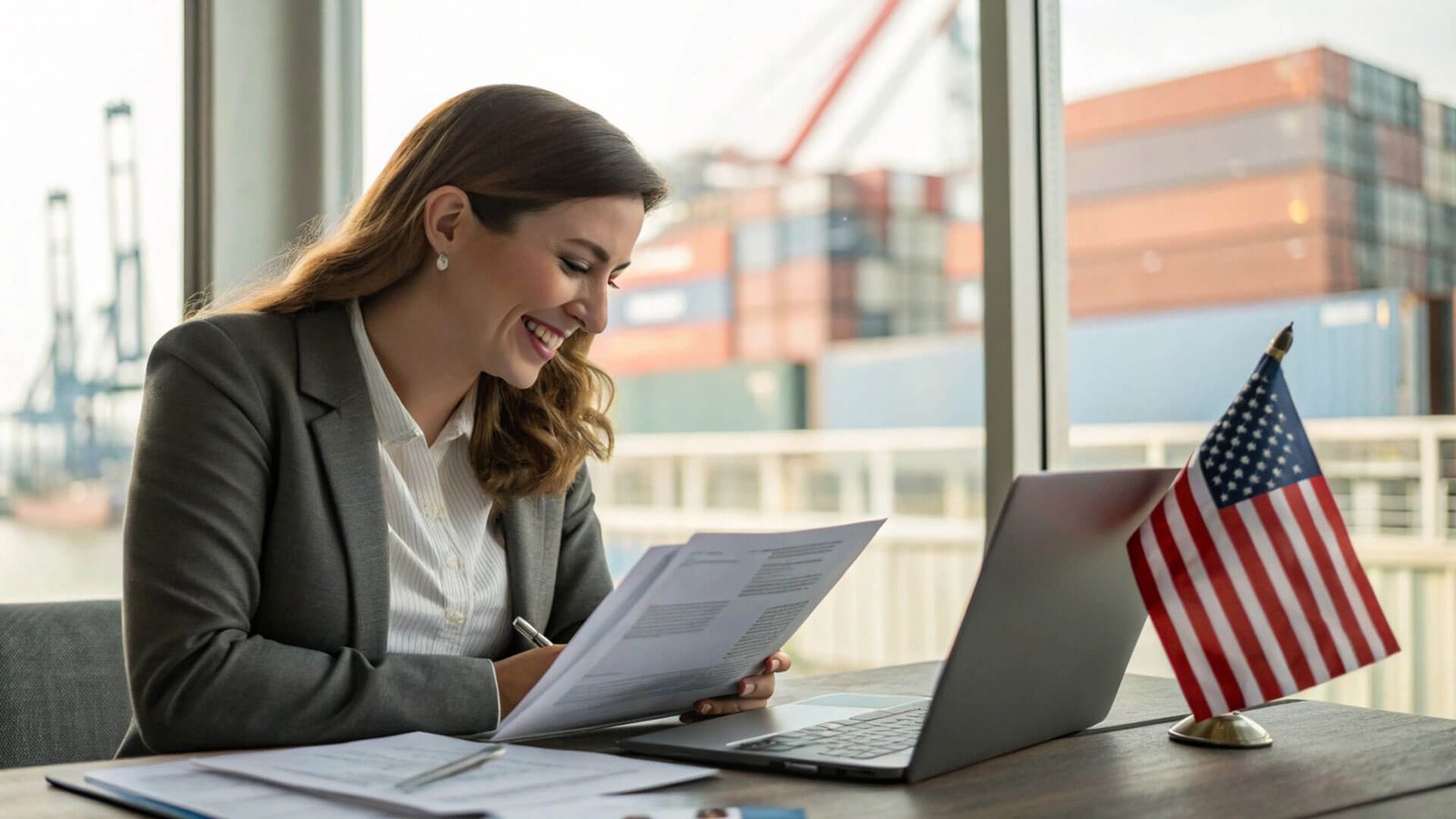
Importers must recognize their role in compliance. Here are some vital points to understand:
- Legal Obligations: As the importer, you are responsible for accurately declaring the value and classification of your goods.
- Risks: Any mistakes can lead to fines or delays, which can disrupt your supply chain.
- Forwarder's Role: While they can assist with customs clearance, they are not liable for your compliance issues.
Being proactive about compliance can save you from significant challenges later.
When done right, door-to-door shipping2 is a valuable tool for importers. However, poor management can lead to increased risks and hidden costs.
When properly structured, door-to-door shipping2 simplifies supplier coordination and delivery timing. When poorly defined, it hides cost responsibility and compliance gaps. Importers benefit most when service scope, customs roles, and cost ownership are clearly documented before goods move.
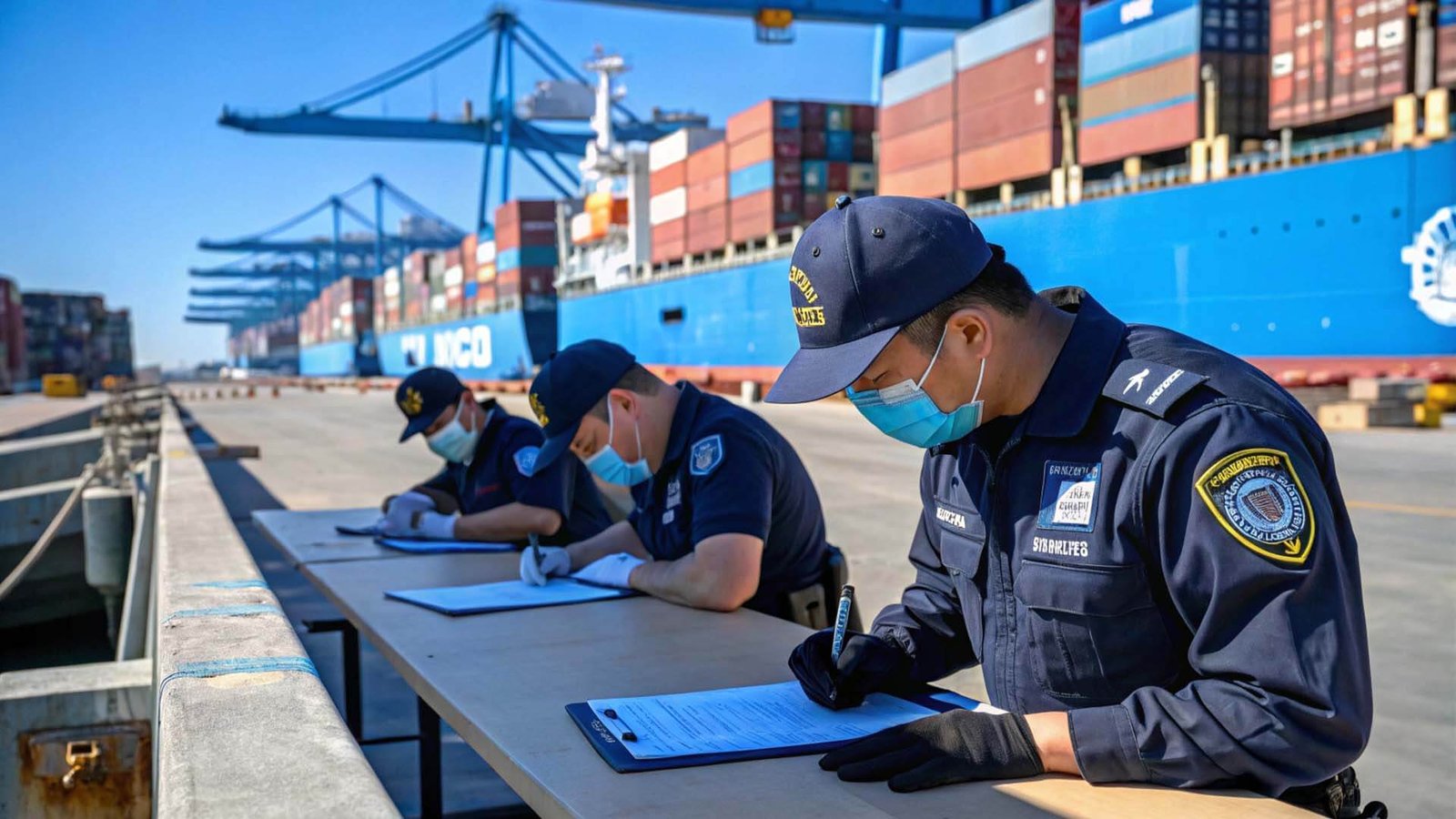
To help illustrate the benefits and pitfalls, consider this comparison:
| Advantage | Disadvantage |
|---|---|
| Simplified Coordination | Ambiguity in cost and responsibility |
| Time Efficiency | Potential for unexpected charges |
| Streamlined Delivery | Compliance gaps |
A well-structured door-to-door service can reduce the burden of coordination and enhance the overall efficiency of your shipping process.
Conclusion
Understanding door-to-door shipping2 is essential for U.S. importers to ensure compliance, manage costs, and streamline operations.
Learn how bundled logistics services can simplify your shipping process by coordinating multiple steps. ↩
Explore this link to understand the full scope and benefits of door-to-door shipping for your logistics needs. ↩
Discover how different contract structures can impact your shipping costs and responsibilities. ↩
Find out why Supplier Readiness is crucial for a smooth shipping process. ↩
Learn about the importance of Origin Pickup in the logistics chain and how it affects delivery. ↩
Understand the steps and responsibilities involved in Export Handling to ensure compliance. ↩
Explore the process of U.S. Customs Clearance to avoid delays and penalties. ↩
Learn about the Final Delivery stage and its significance in the logistics chain. ↩
Understand the DDP Incoterm and how it affects cost and liability in shipping. ↩
Explore the FOB Incoterm to understand buyer and seller responsibilities in shipping. ↩
Learn about the legal responsibilities of customs compliance to avoid fines and audits. ↩
Understand your legal obligations as an importer to ensure smooth customs clearance. ↩
Discover how door-to-door shipping can simplify logistics coordination and improve efficiency. ↩
Identify potential hidden risks and costs in shipping to better manage your logistics budget. ↩