The first paragraph, which uses PAS formula to grab the reader's attention (max 30 words). Freight terminals1 play a crucial role in the logistics chain2. Understanding what happens there can save you time and money in your shipping processes.
second paragraph at the beginning, answering the question posed by the title, this paragraph must be HELPFUL to the reader and will be used later to compete for Google's Featured Snippets. (max 50 words) A freight terminal is a centralized facility3 where cargo is received4 from one mode of transport and prepared for the next. Activities typically include unloading, sorting, temporary storage5, and transfer to trucks, rail, or aircraft. For importers, terminals are key control points that influence transit time and cost6.

The paragraph that begins and ends with a paragraph that will keep the customer from reading further. Diving deeper into how freight terminals operate can seem complex, but understanding their function is essential. A well-managed terminal can mean the difference between timely deliveries7 and costly delays8.
A freight terminal is a logistics facility where cargo is received4, sorted, stored, and transferred between transportation modes?
The first paragraph, which uses the PAS strategy to grab the reader's attention (max 30 words). As an importer, you may not think much about the terminal. However, it is a key point in your supply chain9 that can impact your bottom line.
The second paragraph, which answers the question posed by the headline, is the paragraph that will be used later to compete for Google's Featured Snippets. (max 50 words) At freight terminals, shipments may be consolidated or broken down10 depending on delivery requirements. Imported containers are often deconsolidated into individual shipments, staged for customs release11, and scheduled for pickup. Efficient terminal handling reduces dwell time12, while poor coordination leads to delays and extra charges.
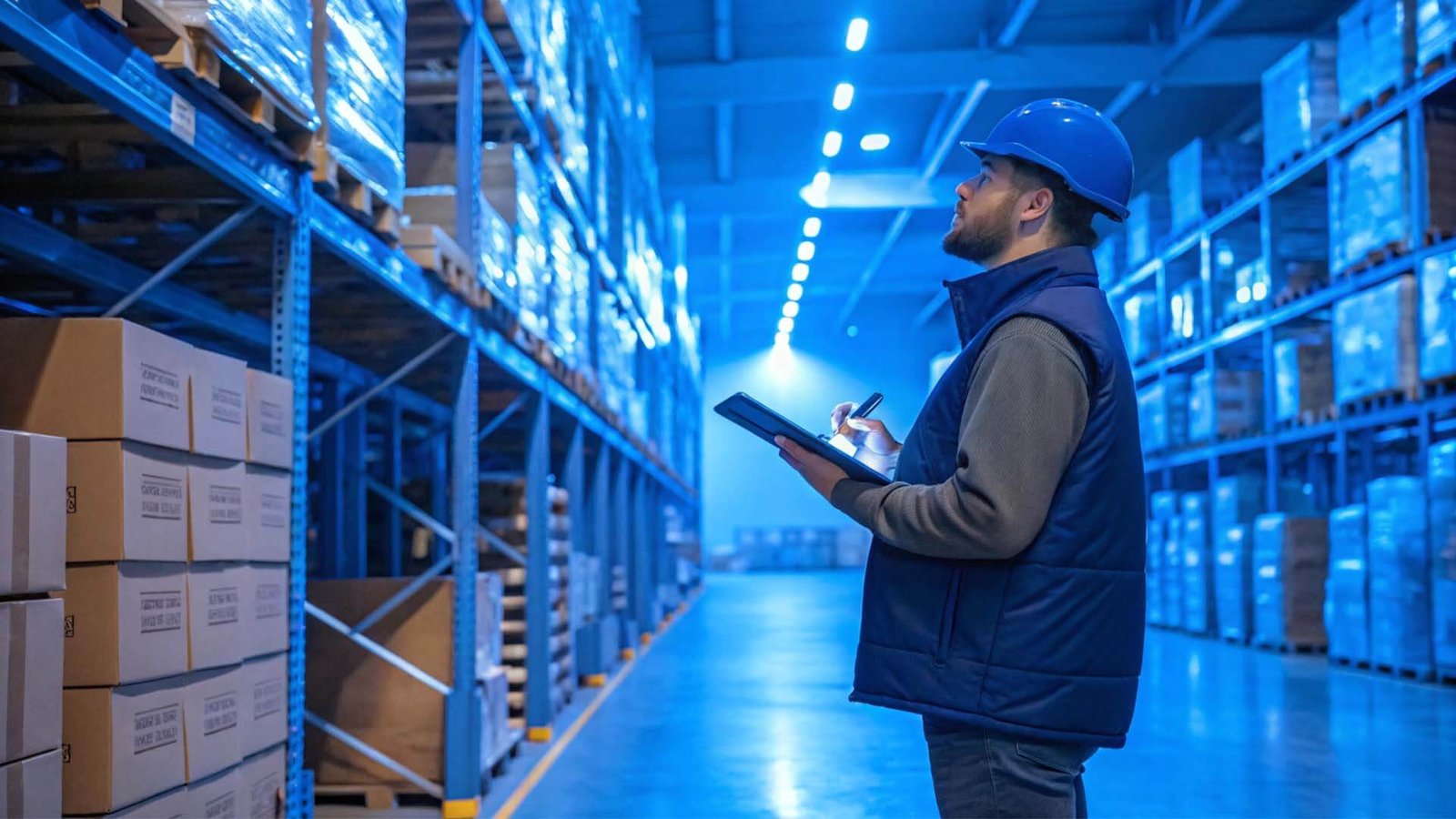
Based on the secondary headings, continue to extend and go deeper, can use critical thinking, to break down the question, to help the reader understand more deeply, need to use the tertiary headings, and Markdown formatting tables to express the ideas in a more structured way. (around 150 words) Freight terminals1 serve as the bridge between different transportation modes. When cargo arrives, it is unloaded and sorted based on its final destination. This can involve temporary storage and staging for customs clearance.
Understanding terminal operations is vital for managing costs. Delays at this stage can lead to demurrage and detention fees. These charges are often a result of dwell time12—how long cargo sits at the terminal waiting to be processed. For importers like you, knowing how to navigate these potential pitfalls can significantly improve your operational efficiency.
| Terminal Activity | Description |
|---|---|
| Unloading | Cargo is removed from transport vehicles |
| Sorting | Items are organized based on delivery routes |
| Temporary Storage | Cargo waits before final transit |
| Customs Clearance | Documentation and inspections are completed |
| Pickup Scheduling | Arrangements are made for final delivery |
Different types of freight terminals handle different cargo, including container, air cargo, rail, and LTL freight?
The first paragraph, which uses the PAS strategy to grab the reader's attention (max 30 words). When it comes to shipping, not all terminals are created equal. Each type specializes in handling specific cargo, affecting your logistics strategy.
The second paragraph, which answers the question posed by the headline, is the paragraph that will be used later to compete for Google's Featured Snippets. (max 50 words) Freight terminals1 are specialized by transport mode and cargo type. Container terminals manage ocean freight, air cargo terminals13 handle airport shipments, rail terminals14 connect inland transport, and LTL terminals15 process palletized freight. Importers must understand which terminal type applies to their shipment to plan timing and pickup correctly.
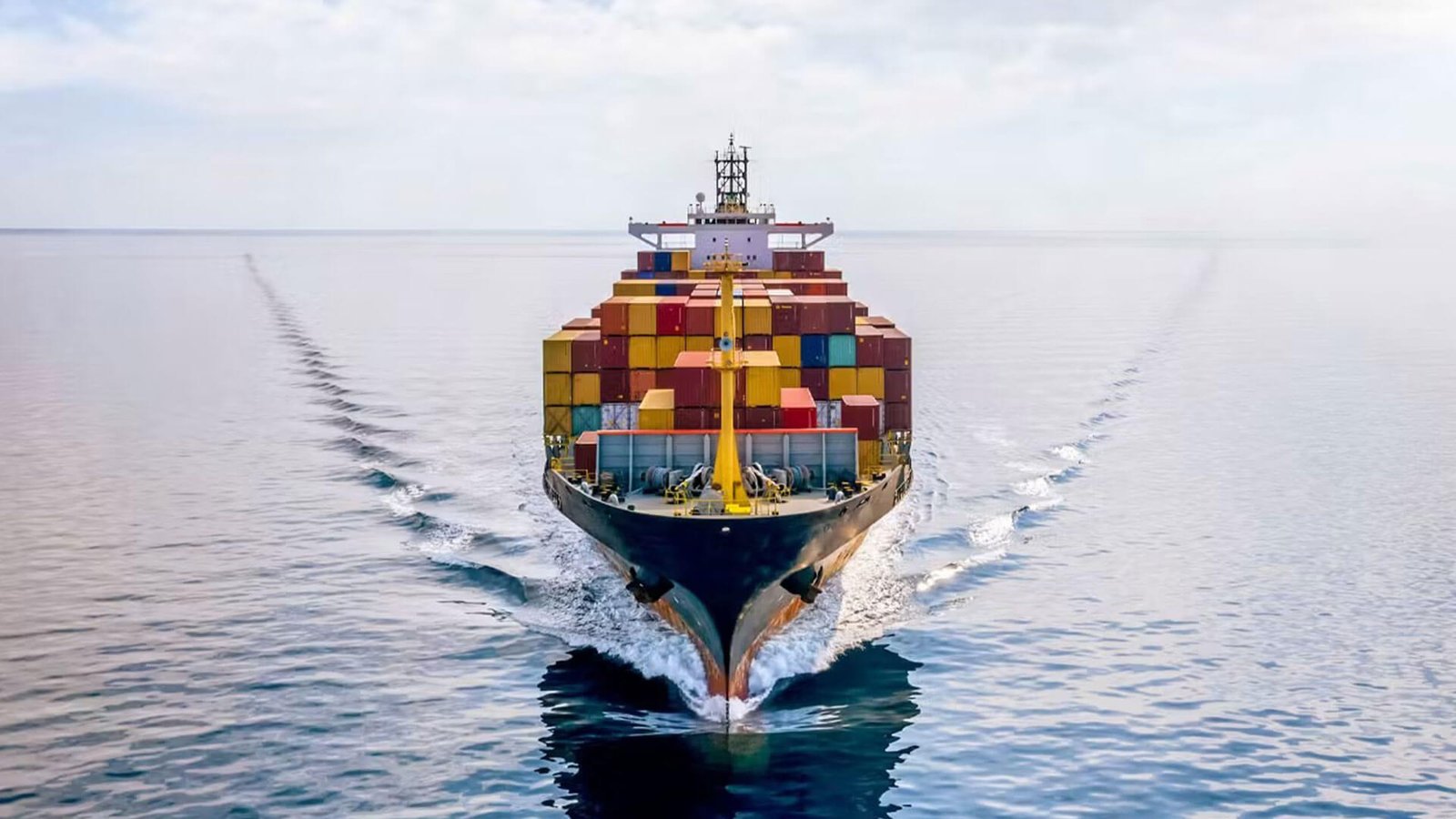
Based on the secondary headings, continue to extend and go deeper, can use critical thinking, to break down the question, to help the reader understand more deeply, need to use the tertiary headings, and Markdown formatting tables to express the ideas in a more structured way. (around 150 words) Understanding the different types of freight terminals is essential for any importer. Each terminal type has its own set of processes and timelines. Container terminals are designed for large ocean freight and often deal with the complexities of customs clearance. Air cargo terminals, on the other hand, focus on speed and efficiency, handling smaller shipments quickly to meet tight deadlines.
Rail terminals connect inland logistics with other transport options, while LTL (Less Than Truckload) terminals work with smaller, palletized shipments. Each of these terminals has unique handling and storage needs that can impact your shipping costs and timelines.
| Type of Terminal | Specialty | Considerations |
|---|---|---|
| Container Terminal | Ocean freight | Customs complexities |
| Air Cargo Terminal | Airport shipments | Speed of delivery |
| Rail Terminal | Inland transport | Coordination with rail lines |
| LTL Terminal | Small shipments | Cost-effectiveness |
What happens at a freight terminal directly affects transit time, visibility, and the risk of delays or extra charges?
The first paragraph, which uses the PAS strategy to grab the reader's attention (max 30 words). Every moment your cargo spends at a terminal can affect your bottom line. Delays can quickly turn manageable costs into unexpected fees.
The second paragraph, which answers the question posed by the headline, is the paragraph that will be used later to compete for Google's Featured Snippets. (max 50 words) Terminal congestion, documentation issues, or missed pickup windows can extend cargo dwell time12. Each additional day at a terminal may trigger storage, demurrage, or detention charges. Importers that lack visibility into terminal status often discover problems only after costs have already accrued.
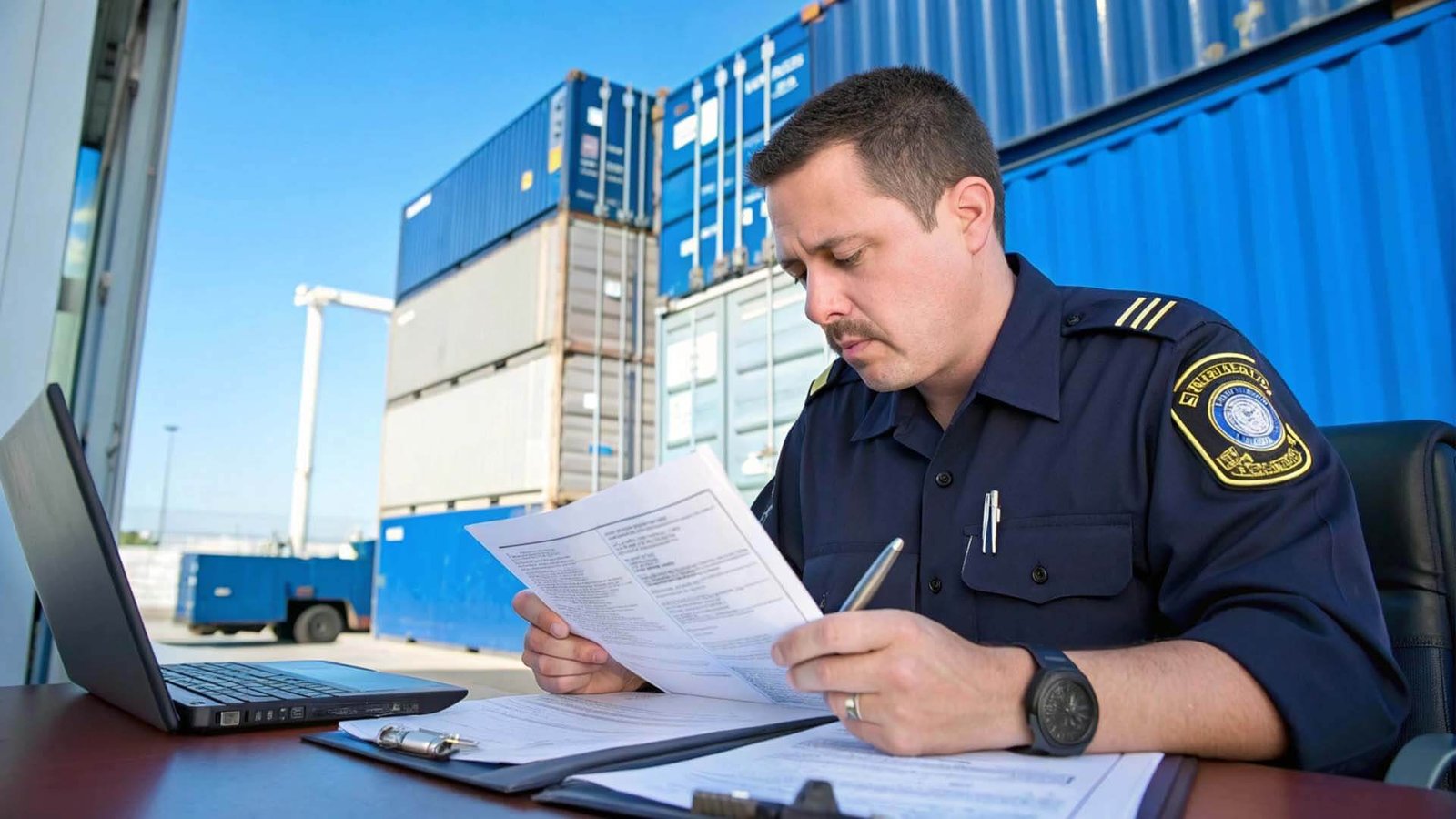
Based on the secondary headings, continue to extend and go deeper, can use critical thinking, to break down the question, to help the reader understand more deeply, need to use the tertiary headings, and Markdown formatting tables to express the ideas in a more structured way. (around 150 words) The impact of terminal operations on your cargo cannot be overstated. Delays at this stage can be caused by various factors such as documentation issues or terminal congestion16. When shipments are held up, additional costs often follow, including demurrage and detention fees.
Each day your cargo remains at the terminal may not just affect your budget, but also your delivery timelines. Lack of visibility into your shipment's status can prevent you from addressing these issues promptly. This is where having a solid plan and understanding terminal processes becomes integral to your logistics strategy.
| Potential Issue | Impact | Solution |
|---|---|---|
| Terminal Congestion | Increased dwell time12 | Plan for peak times |
| Documentation Delays | Unforeseen charges | Prepare paperwork in advance |
| Missed Pickup Windows | Extra fees incurred | Schedule pickups timely |
Freight terminals1 are distinct from ports, and confusing the two can lead to planning and cost miscalculations?
The first paragraph, which uses the PAS strategy to grab the reader's attention (max 30 words). Many importers mistakenly treat ports and terminals as the same. This confusion can lead to costly errors in planning and logistics.
The second paragraph, which answers the question posed by the headline, is the paragraph that will be used later to compete for Google's Featured Snippets. (max 50 words). A port is a geographic area where ships arrive, while a freight terminal is a specific facility within or near the port that handles cargo. Importers who treat these as the same often misjudge transit milestones, storage exposure, and pickup timing, leading to inaccurate delivery planning.
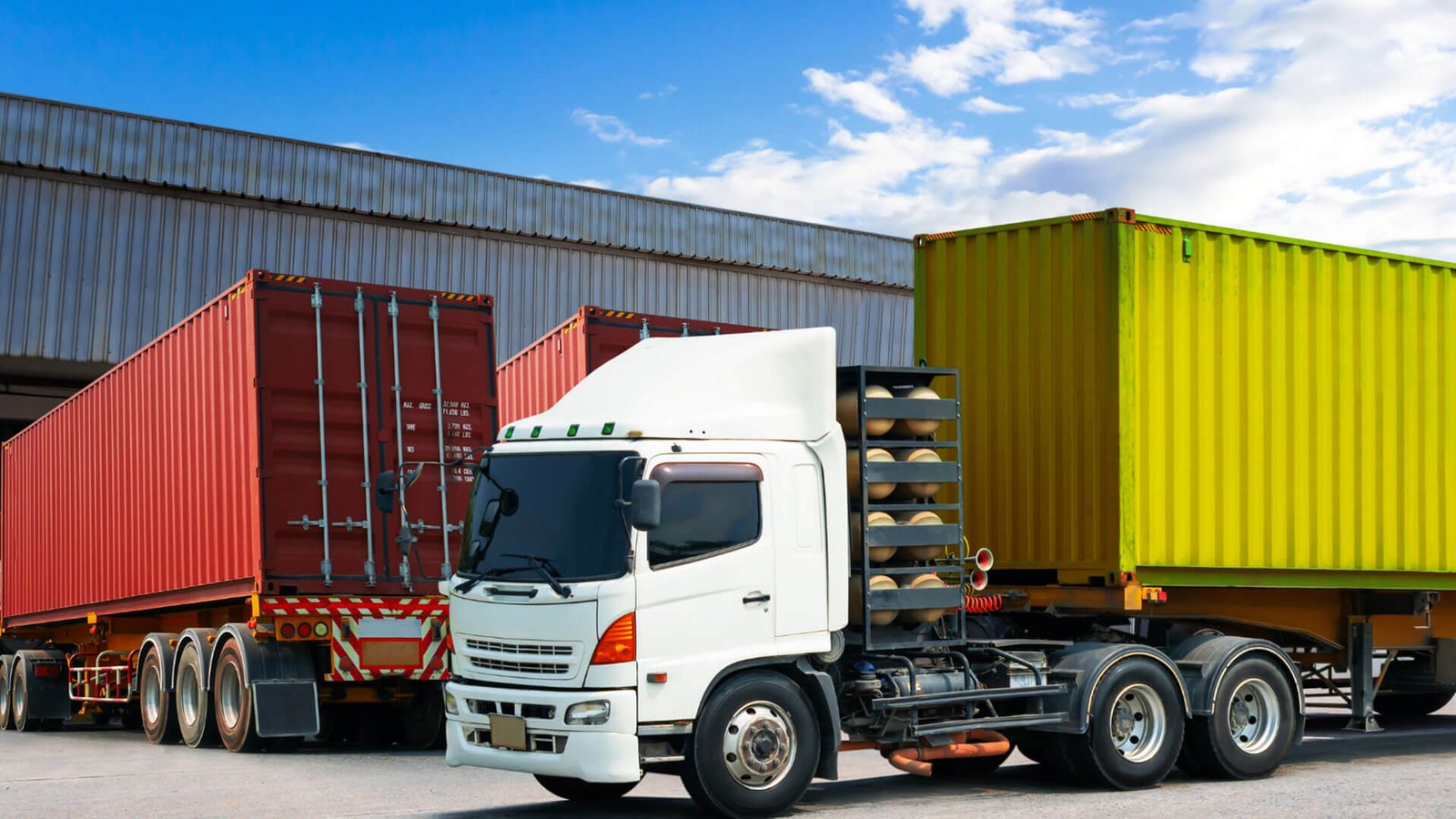
Based on the secondary headings, continue to extend and go deeper, can use critical thinking, to break down the question, to help the reader understand more deeply, need to use the tertiary headings, and Markdown formatting tables to express the ideas in a more structured way. (around 150 words) Understanding the distinction between ports and freight terminals is critical for effective logistics planning. A port serves as the entry point for maritime vessels but does not handle individual shipments directly. Instead, freight terminals within or adjacent to ports manage the unloading, sorting, and delivery of cargo.
When importers confuse these two terms, they risk misjudging the timeframes and costs associated with their shipments. For instance, delays at a freight terminal may be mistakenly attributed to port issues, leading to misinformed decisions and increased fees.
| Aspect | Port | Freight Terminal |
|---|---|---|
| Geographic Location | Entry point for vessels | Specific facility for cargo |
| Function | Oversees maritime access | Manages cargo processing |
| Cost Implications | Does not incur handling fees | Primary source of handling fees |
Importers that understand terminal processes can better manage demurrage, detention, and last-mile delivery timing?
The first paragraph, which uses the PAS strategy to grab the reader's attention (max 30 words). Proactive communication and understanding terminal processes can eliminate costly pitfalls often associated with importing goods.
The second paragraph, which answers the question posed by the headline, is the paragraph that will be used later to compete for Google's Featured Snippets. (max 50 words). Knowing how terminals operate allows importers to plan customs clearance, trucking appointments, and equipment returns more precisely. Proactive coordination reduces demurrage and detention exposure while improving delivery reliability. Terminal knowledge turns a major cost risk into a controllable part of the supply chain9.
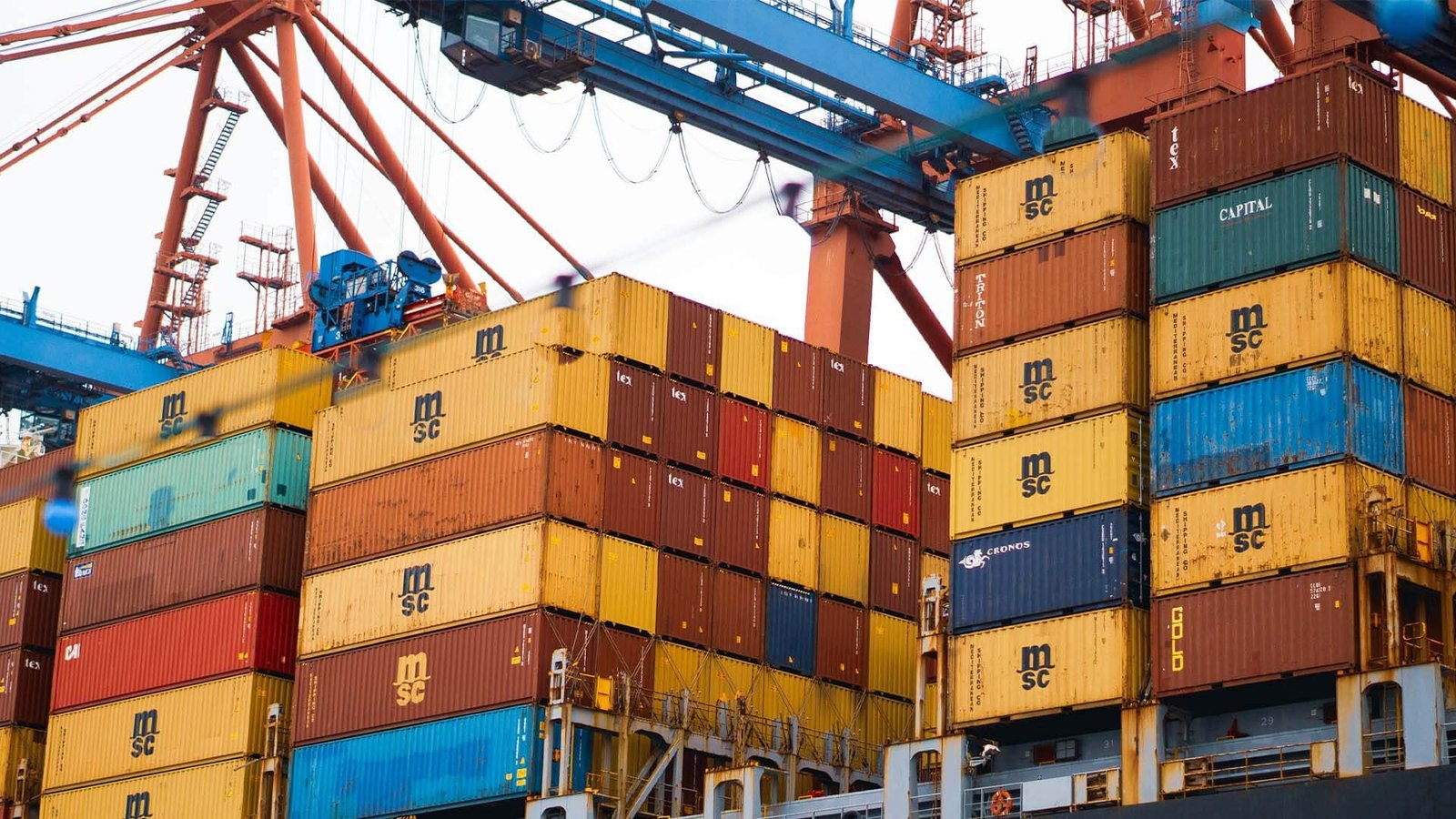
Based on the secondary headings, continue to extend and go deeper, can use critical thinking, to break down the question, to help the reader understand more deeply, need to use the tertiary headings, and Markdown formatting tables to express the ideas in a more structured way. (around 150 words) Understanding the workings of freight terminals can empower you as an importer to manage your logistics strategy effectively. Knowledge of terminal processes enables better planning for customs clearance and scheduling truck pickups. By knowing the timeline and requirements, you can significantly reduce the risk of incurring unnecessary fees like demurrage and detention.
For example, when you understand how long your cargo is likely to remain at the terminal, you can schedule your equipment returns accordingly. This foresight can save you both time and money. Furthermore, effective terminal coordination allows for a smoother last-mile delivery process, ensuring that your goods reach their final destination without unnecessary delays.
| Terminal Knowledge | Benefit | Outcome |
|---|---|---|
| Customs Procedures | Better preparation | Fewer delays |
| Pickup Coordination | Timely cargo retrieval | Reduced fees |
| Equipment Management | Optimal return scheduling | Improved supply chain9 flow |
Conclusion
Understanding freight terminals can save you money and time while improving your logistics operations.
Understanding freight terminals is crucial for optimizing your logistics chain, saving time and money in shipping processes. ↩
Exploring the logistics chain helps you understand the flow of goods and how each component, like freight terminals, plays a vital role. ↩
Learning about centralized facilities can provide insights into how cargo is efficiently managed and transferred between transport modes. ↩
Knowing the process of receiving cargo at terminals can help you anticipate and manage potential delays and costs. ↩
Understanding these steps can help you optimize your shipping strategy and reduce unnecessary delays. ↩
Exploring this can help you identify ways to optimize your shipping processes and reduce expenses. ↩
Understanding how terminals contribute to timely deliveries can improve your logistics efficiency and customer satisfaction. ↩
Learning about potential delays can help you implement strategies to avoid them and save money. ↩
Understanding the supply chain can help you see the bigger picture of how goods move from origin to destination. ↩
Knowing this process can help you plan your shipments more effectively and avoid unnecessary costs. ↩
Understanding customs release can help you navigate potential delays and ensure smooth transit of goods. ↩
Learning about dwell time can help you manage your shipping schedule and avoid extra charges. ↩
Understanding air cargo terminals can help you leverage their speed and efficiency for time-sensitive shipments. ↩
Learning about rail terminals can help you integrate inland transport into your logistics strategy. ↩
Understanding LTL terminals can help you optimize cost-effectiveness for smaller, palletized shipments. ↩
Knowing how to manage terminal congestion can help you avoid delays and additional costs. ↩