Storage charges can take a significant toll on your logistics budget. To avoid unexpected fees1, it’s crucial to understand what they are and how they arise.
Storage charges apply when imported cargo stays at a port, terminal, container freight station, or warehouse longer than the allotted free time. These fees compensate facilities for space usage and handling. For importers, storage charges often begin unexpectedly after customs or pickup delays2 and can accumulate rapidly.

Every importer dreads hearing about storage charges, as they can significantly increase costs. These fees are not just minor inconveniences; they reflect a failure in the logistics process. Understanding the factors that lead to storage charges is vital to mitigate their impact on your operations and bottom line.
Storage charges are fees assessed when imported cargo remains at a port, terminal, or warehouse beyond the allowed free time?
Storage charges are a common yet often misunderstood aspect of shipping. When your cargo arrives at a port, there is typically a set amount of free time allowed for it to clear customs and be picked up. Once that time expires, storage charges kick in, causing financial strain3 on your operations.
Storage fees are typically calculated per day4, per container, pallet, or cubic meter, depending on the facility. Rates often increase the longer cargo remains on site. Importers who miss free-time windows5 can see storage charges escalate quickly, turning minor delays into significant unplanned costs.
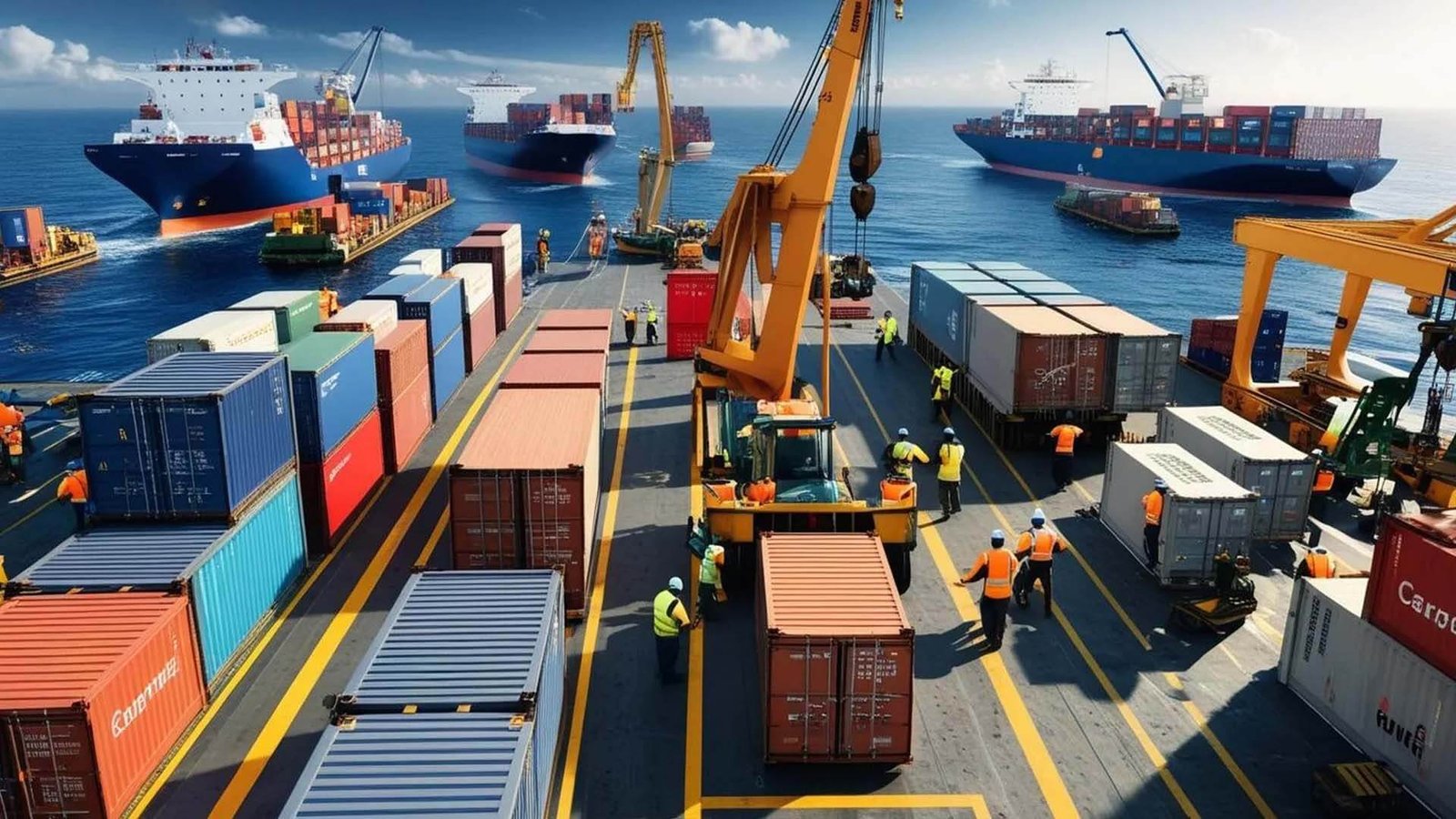
Many importers may not realize how quickly these charges can add up. The sudden spike in costs can catch you off guard, especially if you are not prepared for it. Importers need to remain aware of their cargo's status6 and coordinate effectively with customs and logistics partners to avoid unnecessary fees.
Storage charges are calculated based on location, cargo type, duration, and daily rate7, which can escalate quickly after free days expire?
The calculation for storage charges is not one-size-fits-all. It varies based on where your cargo is stored, the type of cargo, how long it stays, and the daily rate set by the facility. This complexity often leads to confusion.
Storage fees are typically calculated per day4, per container, pallet, or cubic meter, depending on the facility. Rates often increase the longer cargo remains on site. Importers who miss free-time windows5 can see storage charges escalate quickly, turning minor delays into significant unplanned costs.

Understanding these variables can help you anticipate potential storage costs. For example, some facilities impose higher charges for specific cargo types or after a certain number of days. By knowing these details, you can plan accordingly, making it easier to avoid late pickup and the ensuing storage fees.
Storage charges differ from demurrage and detention8, and confusing them often leads to unexpected shipping costs?
It’s easy to confuse storage charges with demurrage and detention8 fees. While they may seem similar, they serve different purposes and are billed by different parties. Misunderstanding these distinctions can lead to unexpected costs.
Storage charges apply to cargo occupying space, while demurrage applies to containers held at terminals and detention applies to containers held outside terminals. These fees can overlap but are billed by different parties. Importers who confuse them often underestimate total exposure and receive multiple surprise invoices.

To clarify, storage charges are related to the space your cargo occupies. In contrast, demurrage fees apply when containers remain at the terminal too long, and detention fees are incurred when containers are held outside of the terminal. Recognizing these differences is critical for managing logistics costs effectively.
Customs delays9, documentation errors10, and missed pickups11 are the most common reasons importers incur storage charges?
Many importers find themselves facing storage charges for reasons beyond their control. Customs delays9, documentation errors10, and missed pickups11 are common culprits that can lead to fees piling up.
Most storage charges are preventable. They commonly result from customs holds, missing documents, unpaid duties, or missed trucking appointments. When cargo cannot be released or picked up on time, storage fees begin accruing automatically, regardless of fault, increasing landed cost and operational pressure.

Knowing these common causes can help you prepare and possibly avoid them. By ensuring that all documentation is in order and coordinating pickup appointments in advance, you can significantly minimize the risk of incurring storage fees.
Importers that coordinate customs clearance, terminal pickup, and warehousing early can significantly reduce or avoid storage fees?
Planning ahead is the best strategy to keep storage charges at bay. By coordinating customs clearance, terminal pickup, and warehousing early, you can stay within the free time limits and avoid additional costs.
Reducing storage charges requires advance planning12. Importers that align customs clearance, trucking availability, and warehouse readiness before cargo arrival can move goods within free time. Proactive coordination transforms storage fees from an unavoidable cost into a manageable operational variable.

Effective coordination can turn logistics into a streamlined process. When everything aligns, your cargo can be picked up without delay, and you can save money, ensuring that storage charges don’t become a burdensome expense.
| Storage Charges | Demurrage | Detention |
|---|---|---|
| Charged for cargo occupying terminal, CFS, or warehouse space | Charged for containers remaining at port or terminal | Charged for containers held outside terminal |
| Starts after free time expires | Encourages fast container turnover | Applies after free days for equipment use |
| Applies to cargo, pallets, or containers | Billed by terminal or carrier | Billed by carrier |
Conclusion
Storage charges can significantly impact your logistics costs, but with careful planning and coordination, they can be minimized or avoided entirely.
Understanding unexpected fees can help you manage your logistics budget more effectively and avoid surprise costs. ↩
Learn how delays in customs or pickup can result in storage charges, helping you to plan better and avoid these costs. ↩
Understanding the financial impact of storage charges can help you manage your logistics budget more effectively. ↩
Learn how daily calculations of storage charges can affect your logistics costs and how to manage them. ↩
Knowing about free-time windows can help you avoid storage charges by ensuring timely cargo pickup. ↩
Monitoring your cargo's status can help you avoid unnecessary storage charges and manage logistics more efficiently. ↩
Understanding these factors can help you anticipate and manage potential storage costs effectively. ↩
Knowing the difference between these fees can help you avoid unexpected shipping costs and manage your budget better. ↩
Learn how customs delays can result in storage charges and how to mitigate these risks. ↩
Avoiding documentation errors can help you prevent storage charges and streamline your logistics process. ↩
Understanding the impact of missed pickups can help you avoid storage charges and improve logistics efficiency. ↩
Advance planning can significantly reduce storage charges, saving you money and improving logistics efficiency. ↩