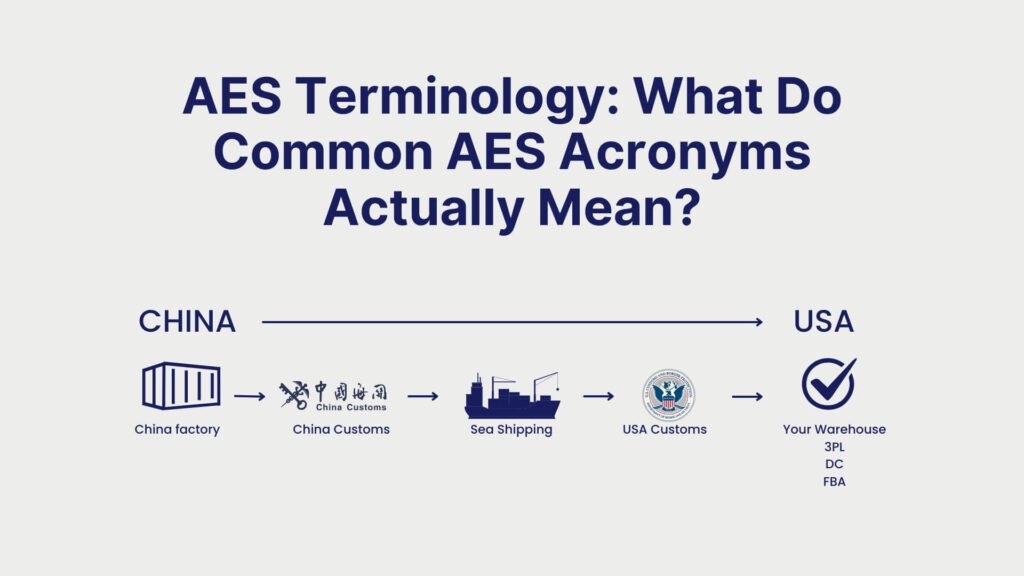
The export world can be confusing, especially with all the acronyms flying around. Understanding AES terminology is essential to avoid pitfalls.
In international trade, AES stands for Automated Export System1, the U.S. government platform used to collect Electronic Export Information2. AES filings3 are required for many U.S. exports to support export control4s, trade statistics, and enforcement. Understanding AES is critical to avoiding shipment delays and compliance penalties.

Navigating the complexities of export compliance5 can be overwhelming, but grasping AES terms makes a dramatic difference in ensuring smooth operations and avoiding costly mistakes.
Common AES acronyms define who files, what is reported, and when export data must be submitted?
In the world of international shipping, the right terminology can make or break your compliance strategy.
AES uses standardized acronyms to define filing responsibility, shipment value, and timing requirements. These acronyms determine whether a filing is required, who must submit it, and what data must be declared. Misunderstanding AES terminology is one of the most common causes of export compliance5 errors.

When you’re faced with a multitude of acronyms like EEI, USPPI6, and FTR, it’s easy to feel lost. Understanding these acronyms helps clarify who is liable for filing, what information is essential, and when it must be submitted. This knowledge streamlines the filing process and minimizes the risk of errors. Missing a deadline or overlooking a required field can lead to significant compliance issues, including delays in shipment release.
One key aspect to remember is that not all acronyms apply to every transaction. For example, only certain exports require an EEI filing7. By knowing the specific acronyms that impact your shipments, you can better manage your compliance obligations and ensure timely submission of necessary information.
Key party acronyms in AES filings3 clarify exporter, agent, and consignee responsibilities?
Understanding who is responsible for filing AES is crucial for compliance.
AES filings3 assign responsibility using defined party roles such as USPPI6, authorized agent8, and foreign consignee9. These roles determine who controls the export, who files the data, and who bears compliance risk. Clear understanding of party acronyms prevents liability gaps and filing disputes.

The term USPPI6, which stands for U.S. Principal Party in Interest, is essential for exporters. This party is responsible for an export and must ensure all necessary filings are submitted. On the other hand, an authorized agent8 can file on behalf of the USPPI6, but the ultimate responsibility still rests with the USPPI6. This distinction is crucial in avoiding liability issues.
Foreign consignees also play a vital role. They are the parties that receive the goods in another country. Miscommunication among these roles can lead to compliance gaps, which may result in penalties or shipment delays. To navigate this effectively, I recommend creating a clear checklist of roles and their responsibilities for each shipment. This will help ensure everyone understands their obligations.
Shipment and transaction acronyms in AES determine filing timelines, values, and control requirements?
When does an AES filing become necessary?
AES shipment acronyms govern when filings are due and what must be reported, including shipment value, licensing status10, and routing structure. These terms affect filing deadlines and whether export control4 or licensing rules apply. Errors can result in rejected filings or delayed cargo release.
Filing timelines are crucial in the export process. Understanding what triggers an AES filing, such as shipment value thresholds11, ensures that you are filing on time. For instance, if a shipment exceeds a specific value, you must file an EEI. Failure to do so can lead to delays or even penalties.
Additionally, the timing of your filing is affected by the mode of transportation. Air exports often have stricter timelines than ocean exports. If you don’t file in accordance with these timelines, your cargo could be held for inspection, delaying its release.
To manage this effectively, I suggest maintaining a calendar that outlines filing deadlines based on shipping mode and value. This practice will help you stay organized and compliant.
Is AES filing always mandatory?
AES compliance acronyms reference U.S. export regulations and penalty frameworks12. Missing or incorrect filings can trigger fines, audits, or shipment holds. Understanding compliance-related terminology13 helps exporters identify when filings are mandatory and avoid costly enforcement actions.

AES compliance is not optional. Missing a required filing can result in significant penalties. For example, if an EEI is not filed due to misunderstanding its necessity, the consequences can include fines and shipment delays.
It's also important to know that compliance is not just about submitting the right forms. It involves understanding the broader regulatory context and being aware of when filings are mandatory. This means staying updated on changes in regulations that impact AES filings3.
To avoid penalties, I recommend regular training for your team on AES compliance. Keeping everyone informed about the latest changes will help your organization minimize risks and ensure that your filings are accurate and timely.
Understanding AES terminology reduces filing errors, shipment delays, and compliance exposure?
How can you avoid AES filing errors?
Most AES problems stem from misunderstanding terminology rather than system failures. Exporters that understand AES acronyms file more accurately, meet deadlines, and reduce inspection risk. Clear terminology knowledge improves shipment velocity14 while lowering audit and penalty exposure.

Understanding AES terminology is foundational to successful exports. Many exporters face issues not because of complex systems, but due to a lack of clarity in terminology. This can lead to filing errors and increased scrutiny from regulatory bodies.
To improve compliance, I suggest developing a comprehensive glossary of AES terms specific to your organization. This glossary can serve as a reference point for your team, helping them navigate the complexities of export compliance5 more effectively.
Creating a culture of compliance is essential. Encourage your team to ask questions and seek clarity when unsure about any aspect of AES filings3. This proactive approach can significantly enhance your compliance posture and reduce the likelihood of costly mistakes.
Conclusion
Understanding AES terminology is vital for efficient export operations and compliance, leading to smoother shipping processes and fewer penalties.
Understanding the Automated Export System is crucial for exporters to ensure compliance with U.S. regulations and avoid shipment delays. ↩
Electronic Export Information is vital for supporting export controls and trade statistics, making it essential for compliance and avoiding penalties. ↩
Knowing when AES filings are required helps exporters avoid shipment delays and compliance penalties. ↩
Understanding export control requirements is essential to ensure compliance and avoid shipment holds. ↩
Export compliance is key to avoiding costly mistakes and ensuring smooth operations in international trade. ↩
The USPPI is responsible for ensuring all necessary export filings are submitted, making it a critical role in compliance. ↩
Understanding EEI filing requirements is crucial for exporters to meet compliance obligations and avoid penalties. ↩
An authorized agent can file on behalf of the USPPI, but understanding their role is crucial to avoid liability issues. ↩
Foreign consignees receive goods in another country, and understanding their role helps prevent compliance gaps. ↩
Licensing status affects filing deadlines and requirements, making it crucial for compliance. ↩
Knowing shipment value thresholds ensures timely AES filings, preventing delays and penalties. ↩
Knowing penalty frameworks helps exporters avoid fines and shipment holds due to incorrect or missing filings. ↩
Understanding compliance-related terminology helps exporters identify mandatory filings and avoid enforcement actions. ↩
Clear understanding of AES terminology reduces filing errors and inspection risks, improving shipment speed and compliance. ↩