Worried about pallet sizes inflating your costs? Using the wrong ones wastes space and money. Let's look at the standard dimensions to fix this and streamline your shipping.
The most common standard pallet in the U.S. is the 48" x 40" GMA pallet. For international shipping, other sizes exist, but using this U.S. standard ensures compatibility with warehouses, forklifts, and logistics systems, which helps you avoid costly repalletizing fees and delays.
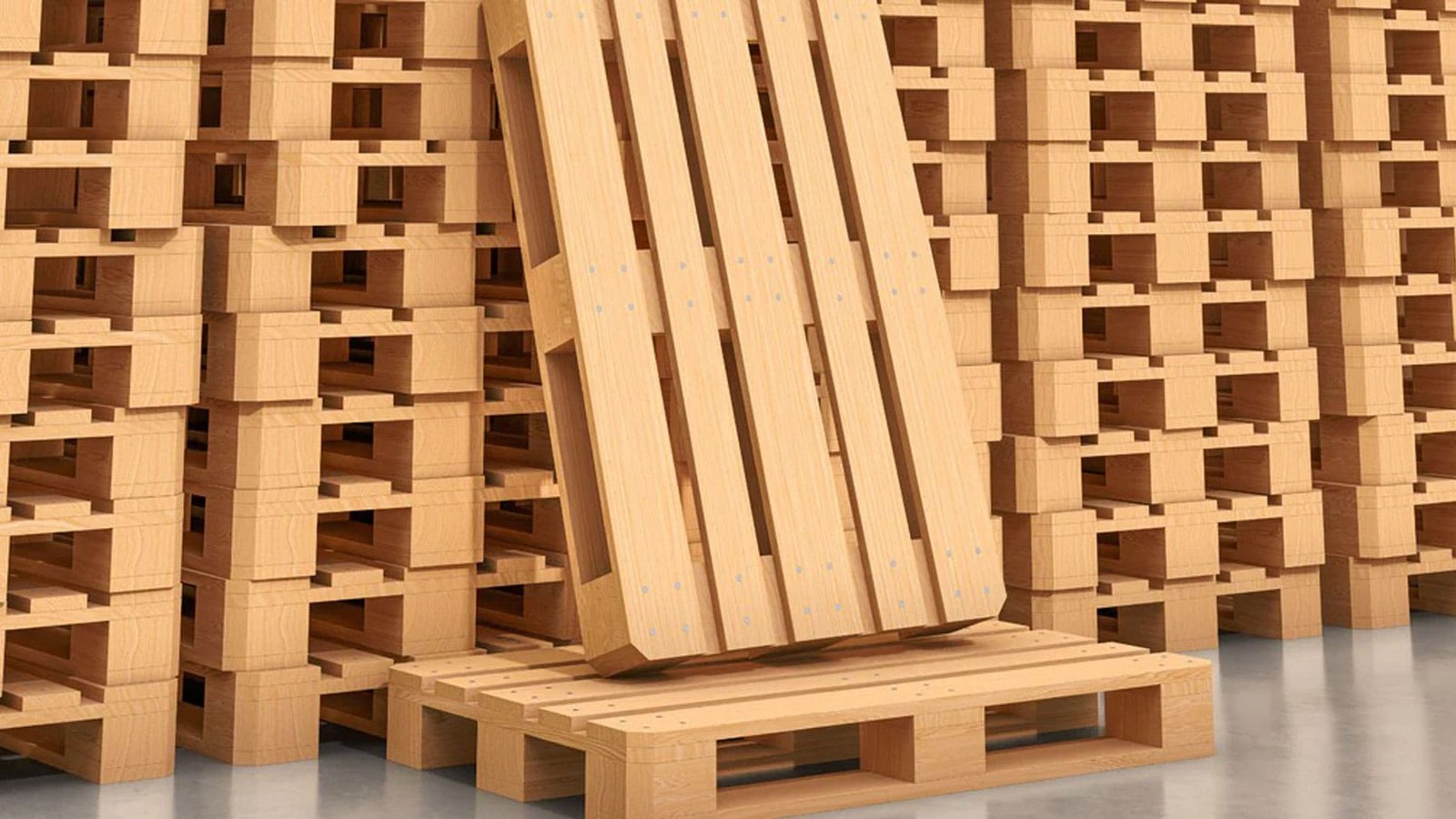
Choosing the right pallet is about more than just size. It affects everything from container space to final delivery costs. I've seen many clients, like Mark, struggle with this. He was getting hit with unexpected fees because his supplier used the wrong pallets. Let's break down exactly why pallet dimensions are so critical for your business.
How Can You Maximize Container Space with the Right Pallets?
Trying to fit more products in your container? The wrong pallet size wastes valuable space, increasing your cost per unit. Let's see how to load smarter.
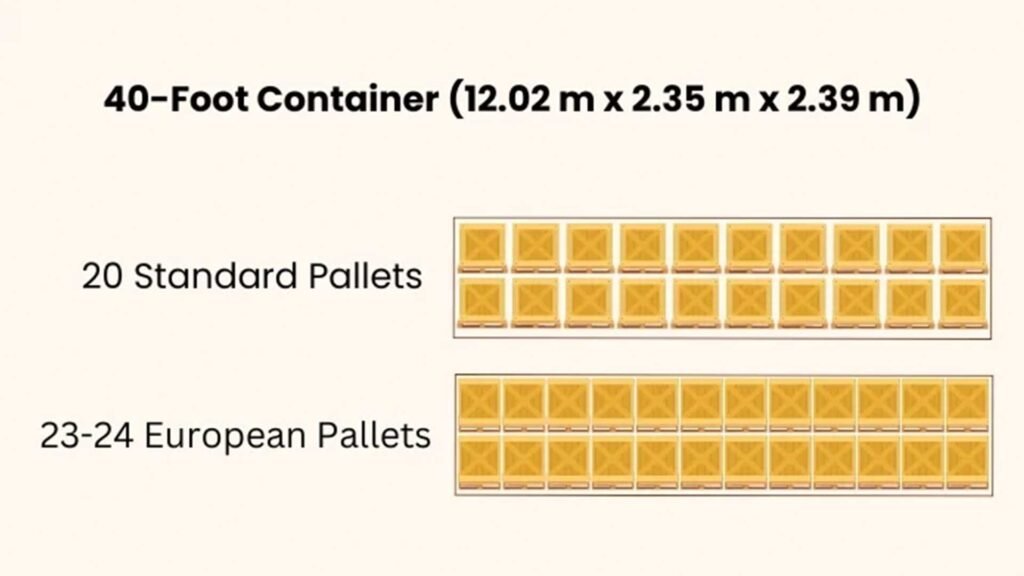
To maximize container space, use pallets that fit efficiently side-by-side. The 48" x 40" U.S. standard pallet is often not the most space-efficient for standard containers. European (1200x800mm) or other metric pallets can sometimes offer a better fit and lower your cost per CBM.
When you ship a container, you pay for the entire space, so any empty area is wasted money. The goal is to get your cost per pallet, or even better, your cost per cubic meter (CBM), as low as possible. A standard 40ft container has an internal width of about 92 inches. If you place two standard 48" x 40" U.S. pallets side-by-side with the 40" sides touching, you use 80 inches of width. This leaves a 12-inch gap running down the center of the container, which is significant wasted space. While you can sometimes use a loading pattern called "pinwheeling," it's complex and not always possible. To truly maximize space, you might consider other pallet sizes if your destination warehouse can handle them.
Here is a quick comparison:
| Pallet Type | Dimensions (in) | Fit in Container | Space Utilization |
|---|---|---|---|
| US Standard | 48" x 40" | Fair | Leaves a central gap. |
| Euro Pallet | 47.2" x 31.5" | Good | Fits more tightly. |
| Metric Square | 47.2" x 47.2" | Poor | Too wide to fit two across. |
Ultimately, you must balance space maximization with destination compatibility.
Why is Compliance with U.S. Pallet Standards So Important?
Worried your supplier is using the wrong pallets? Non-standard sizes can force costly unloading and repalletizing at the U.S. port, causing major delays and unexpected fees.
Compliance with the U.S. standard 48" x 40" GMA pallet is crucial. It ensures your shipment moves smoothly through U.S. logistics networks without needing to be reworked. This avoids extra labor fees, storage charges, and significant delays upon arrival, protecting your timeline and budget.
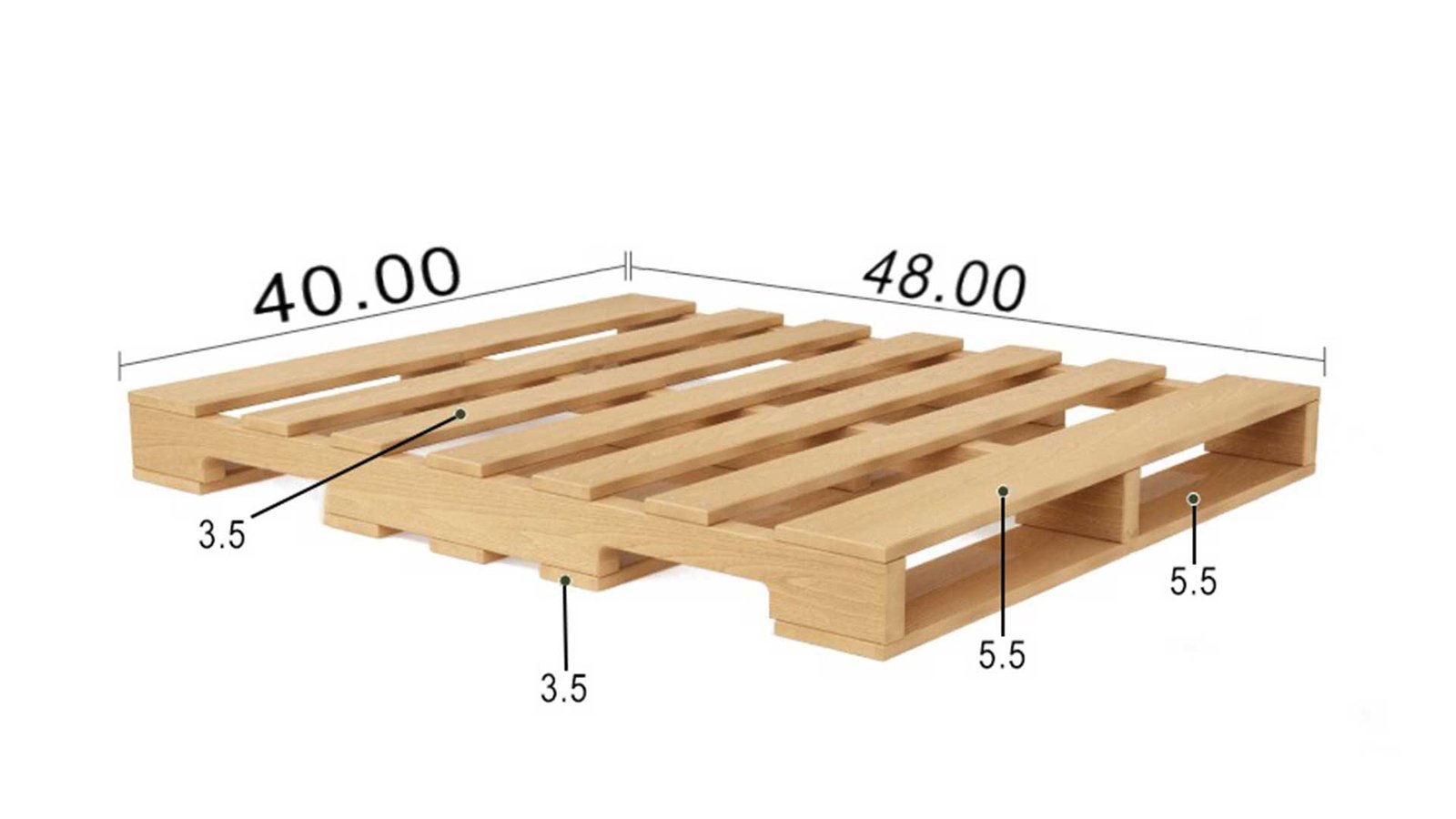
The U.S. logistics infrastructure is built around one primary size: the 48" x 40" pallet, standardized by the Grocery Manufacturers Association (GMA). This pallet typically has four-way entry, meaning a forklift can pick it up from any of its four sides. When your goods arrive from China on these standard pallets, the process is simple. A forklift can quickly unload the container, and the pallets can move directly into a warehouse or onto another truck. I had a client whose supplier in Asia used long, narrow pallets. The U.S. warehouse couldn't handle them. We had to hire a special team to manually unload thousands of boxes and restack them onto new, standard-sized pallets. This added two days to his timeline and cost him over a thousand dollars in unexpected labor fees.
| Path with Standard GMA Pallet | Path with Non-Standard Pallet |
|---|---|
| 1. Container arrives. | 1. Container arrives. |
| 2. Forklift unloads pallets. | 2. Warehouse flags non-standard pallets. |
| 3. Pallets move to storage/outbound truck. | 3. Manual unloading team is required. |
| Total Time: 1-2 hours | 4. Goods are restacked onto GMA pallets. |
| Total Time: 1-2 days |
Sticking to the U.S. standard is the safest and most cost-effective way to ship.
Will Your Pallets Be Compatible with U.S. Warehouses and 3PLs?
Your shipment arrived, but the warehouse can't handle it. Non-standard pallets often don't fit racking systems or equipment, leading to rejection or surprise handling fees.
U.S. warehouses and 3PLs are built around the 48" x 40" pallet. Their racking, conveyors, and forklifts are standardized for this size. Using non-standard pallets can result in receiving issues, manual handling surcharges, or even refusal of your cargo, disrupting your entire supply chain.
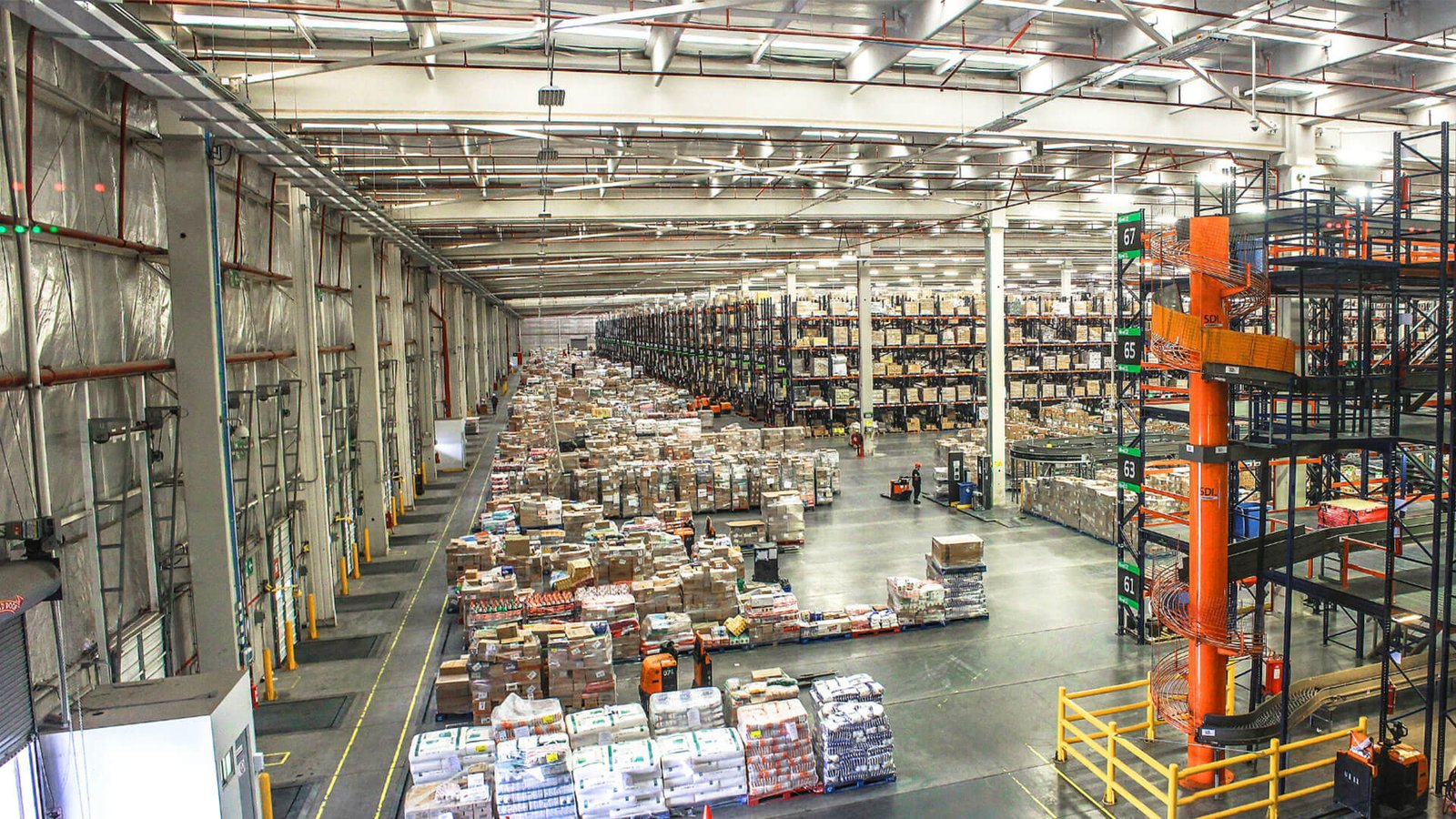
Modern warehouses, especially large 3rd Party Logistics (3PL) facilities, are highly automated. They use specific equipment and infrastructure designed for efficiency. Pallet racking systems have bays with set widths, usually just over 48 inches, to hold standard pallets securely. Automated conveyors and robotic systems are calibrated for 48" x 40" dimensions. When a pallet with different dimensions arrives, it throws a wrench in the whole system. A pallet that is too wide won't fit in the rack. A pallet that is too small might fall through. Forklift tines are spaced for standard pallets. Using the wrong size can make lifting unstable and unsafe. The result? The warehouse will charge you extra fees for "special handling" or manual processing. In a worst-case scenario, they might refuse your shipment altogether, leaving you scrambling to find a new facility that can handle your goods. It's always best to confirm with your 3PL partner that your supplier is using 48" x 40" pallets before you ship.
What Are Amazon's FBA Pallet Requirements?
Sending goods to Amazon FBA? They have very strict pallet rules. One small mistake can lead to your entire shipment being rejected, costing you time and money.
Amazon FBA requires 48" x 40" 4-way access wood pallets. They must be ISPM-15 compliant and in good condition. Pallets must not be taller than 72 inches (including pallet height) or weigh more than 1,500 lbs. Each pallet needs a specific FBA label.
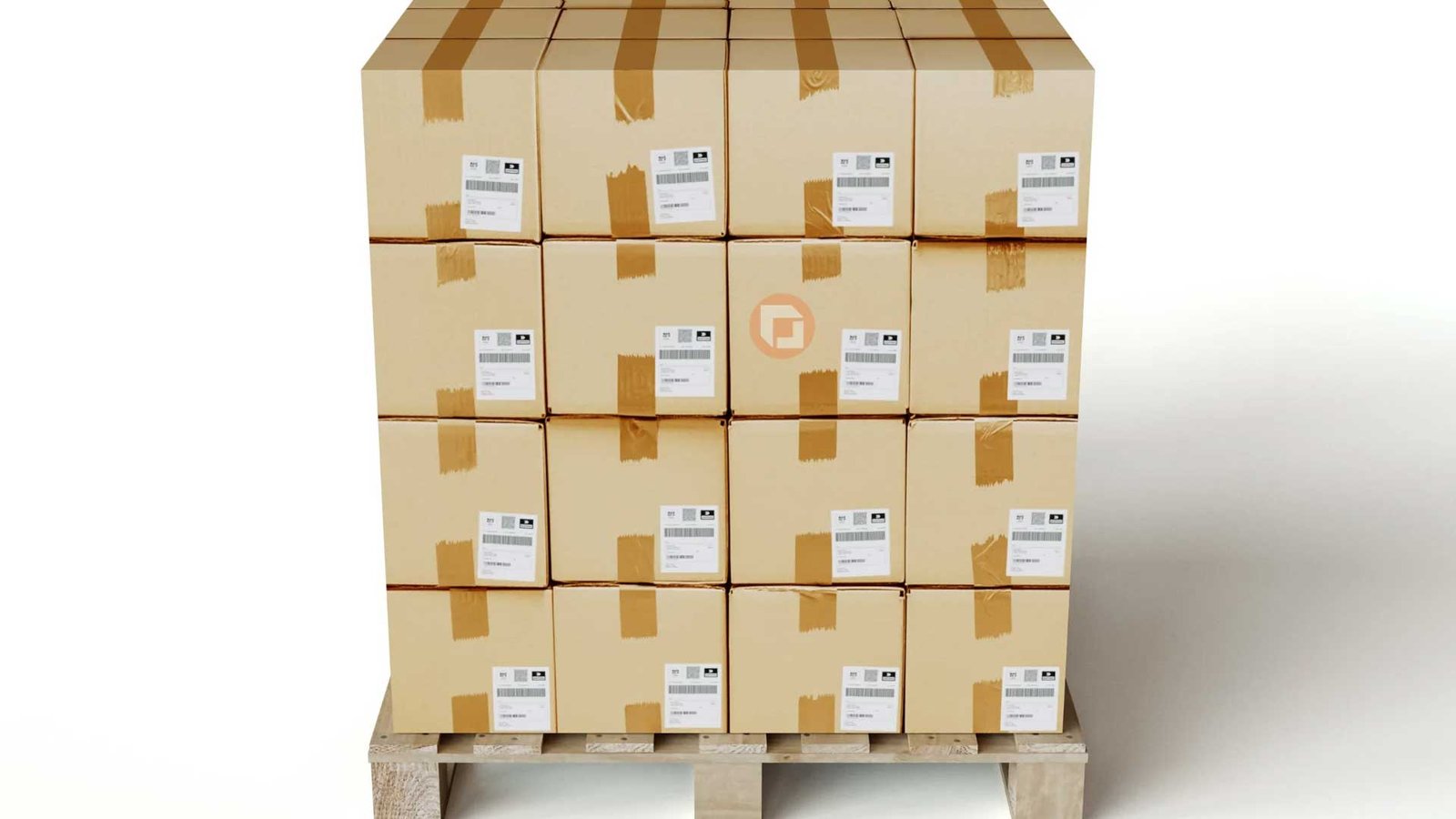
Amazon's Fulfillment by Amazon (FBA) program has some of the strictest pallet requirements in the industry because its fulfillment centers are highly automated. There is no room for error. If your shipment arrives and doesn't meet their rules, it will be rejected at your expense. This means you'll have to pay to have it shipped to another facility, reworked, and then shipped back to Amazon. The costs and delays can be huge. I always tell my clients who ship to FBA to treat these rules as non-negotiable. You must communicate these requirements clearly to your supplier in China and get confirmation that they will be followed exactly.
Here is a summary of the key FBA requirements:
| Category | Requirement | Why it Matters |
|---|---|---|
| Dimension & Type | 48" x 40", 4-way entry, wood pallet | Fits Amazon's racks and equipment. |
| Condition | Grade B or higher, no broken boards | Safety and stability. |
| Weight & Height | Max 1,500 lbs, Max 72" tall | Equipment limits and warehouse safety. |
| Stacking | No overhang of boxes over pallet edge | Prevents damage and allows scanning. |
| Wrapping | Clear shrink wrap, "Do Not Break" sticker | Secures cargo, provides instructions. |
| Compliance | Must have ISPM-15 stamp | Required for all wood imports into the US. |
| Labeling | FBA Pallet labels on all four sides | Essential for Amazon's check-in process. |
Following these rules is the only way to ensure a smooth delivery to Amazon FBA.
How Does Pallet Choice Affect Cargo Damage Risk?
Are you tired of receiving damaged goods? Your pallet choice could be the problem. Product overhang or weak pallets often lead to crushed boxes and costly insurance claims.
The right pallet minimizes cargo damage. It should be strong enough for the weight and large enough so boxes don't hang over the edges. Overhang leads to compression damage and instability during transit. Proper palletizing is your first line of defense against product loss.
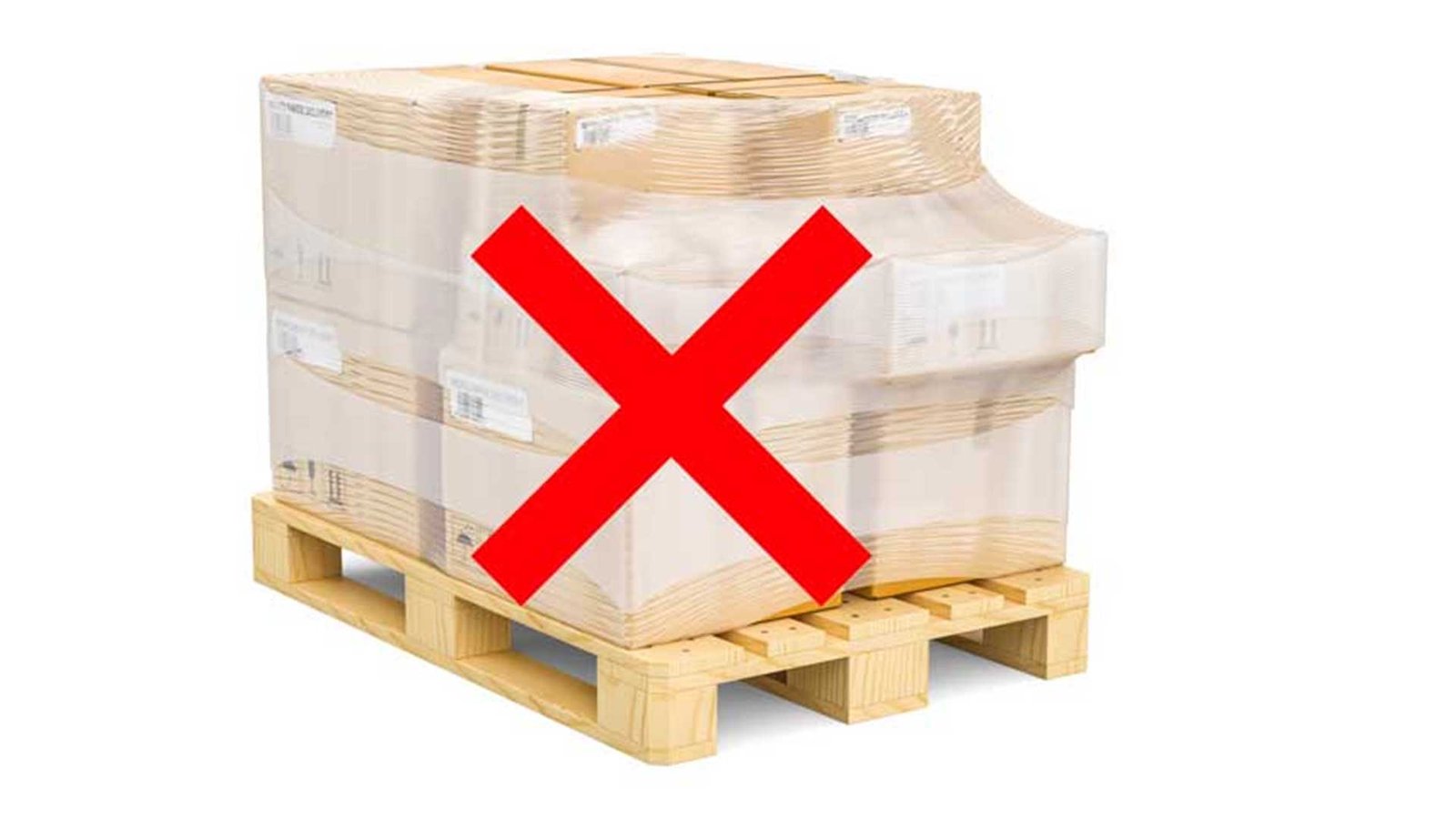
Think of a pallet as the foundation of your cargo unit. If the foundation is weak or the wrong size, everything stacked on top is at risk. The biggest issue I see is "pallet overhang," where cartons hang over the edge of the pallet. During ocean transit, containers shift and vibrate. When boxes overhang, their edges are unsupported. The weight from the boxes above crushes them, leading to damaged products. This also makes the entire pallet unit unstable and more likely to tip over. Similarly, using a pallet that is too weak for the cargo's weight can cause it to break during handling. When a forklift lifts a heavy pallet, a weak board can snap, spilling your goods all over the warehouse floor. It is crucial that the pallet's surface area is large enough to fully support the bottom layer of your cartons.
| Stacking Method | Risk Level | Outcome |
|---|---|---|
| Good: Boxes fit within pallet edges. | Low | Cargo is stable and protected. |
| Bad: Boxes overhang pallet edges. | High | Crushed boxes, damaged goods, unstable load. |
| Bad: Pallet is too large for boxes. | Medium | Load can shift, wastes space. |
Using proper shrink wrap that secures the boxes to the pallet and adding edge protectors can further reduce the risk of damage.
What are the ISPM-15 Rules and Why Do They Matter?
Your shipment is stuck at customs because of the wood pallets. Forgetting ISPM-15 certification is a costly mistake, leading to fumigation fees or even re-exportation of your goods.
ISPM-15 is an international standard requiring all solid wood packaging material (WPM), including pallets, to be heat-treated or fumigated and stamped with a compliance mark. This prevents the spread of pests. Non-compliant pallets will be held by Customs and Border Protection (CBP).
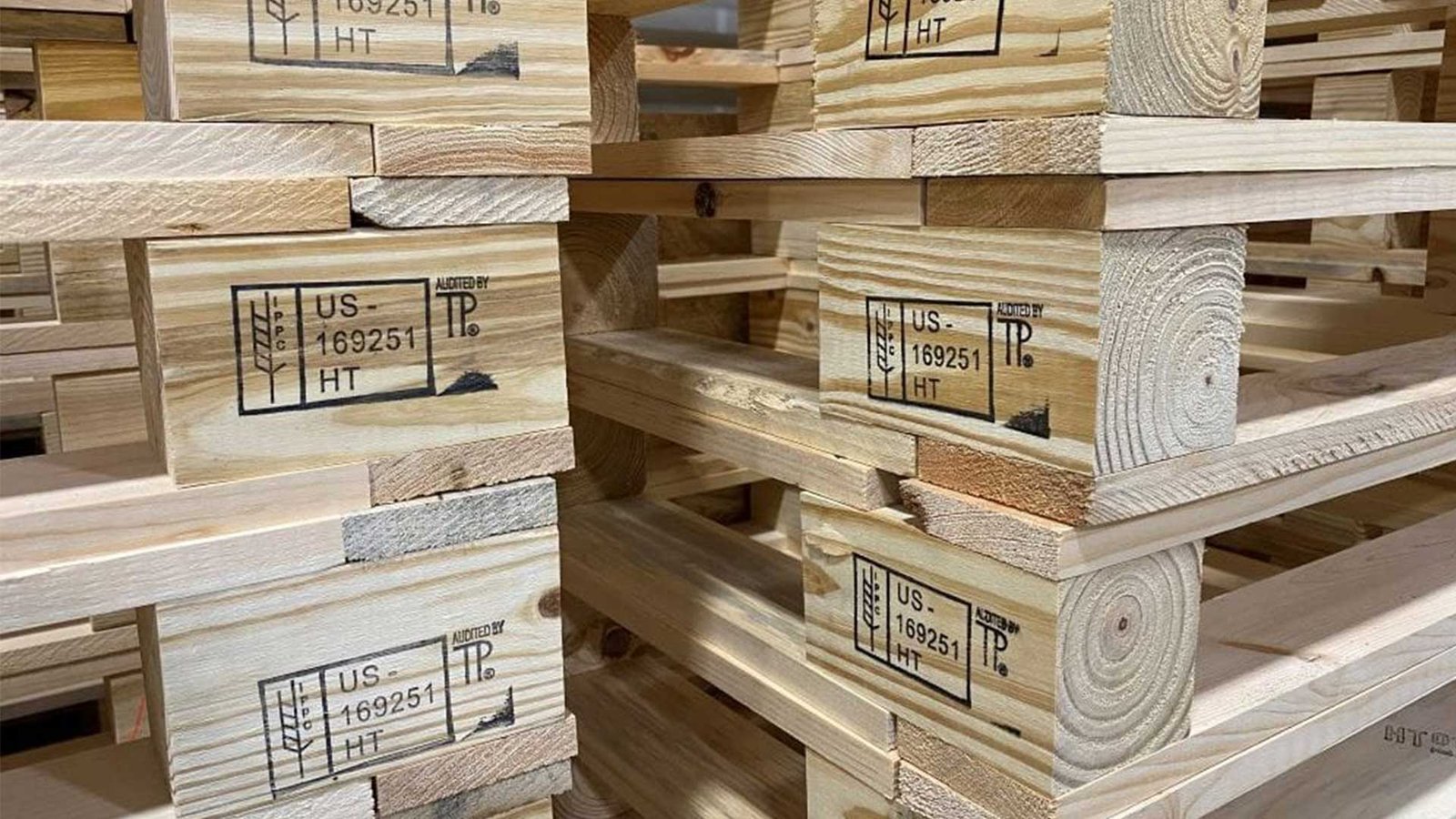
This is one of the most important rules in international shipping. ISPM-15 is designed to stop the spread of insects and plant diseases across borders through wood packaging. This includes all solid wood pallets, crates, and dunnage. To be compliant, the wood must be treated (usually with heat, marked "HT") and then stamped with an official mark. This stamp shows the country of origin, the producer's registration number, and the treatment method. U.S. Customs and Border Protection (CBP) actively inspects incoming shipments for this stamp. If your pallets are made of wood but do not have the ISPM-15 stamp, CBP will put a hold on your entire container. You will then be given two very bad, very expensive options:
- Arrange for Treatment: Pay a specialized company to treat the wood packaging material on-site (fumigation).
- Re-Export: Ship the entire container back to its origin country.
Both options result in massive delays and thousands of dollars in unexpected costs. There is no third option. You must confirm with your supplier that they are only using ISPM-15 stamped pallets. It is not worth the risk.
How Do Pallet Dimensions Affect Handling and Labor Costs?
Surprised by high unloading fees on your warehouse invoice? Odd-sized pallets often require manual labor instead of efficient forklift work, driving up your handling costs unexpectedly.
Standard 48" x 40" pallets are designed for quick and easy handling by forklifts and pallet jacks. Non-standard sizes may require manual unloading (floor load), restacking, or re-wrapping, leading to significant labor surcharges and delays at the destination warehouse.
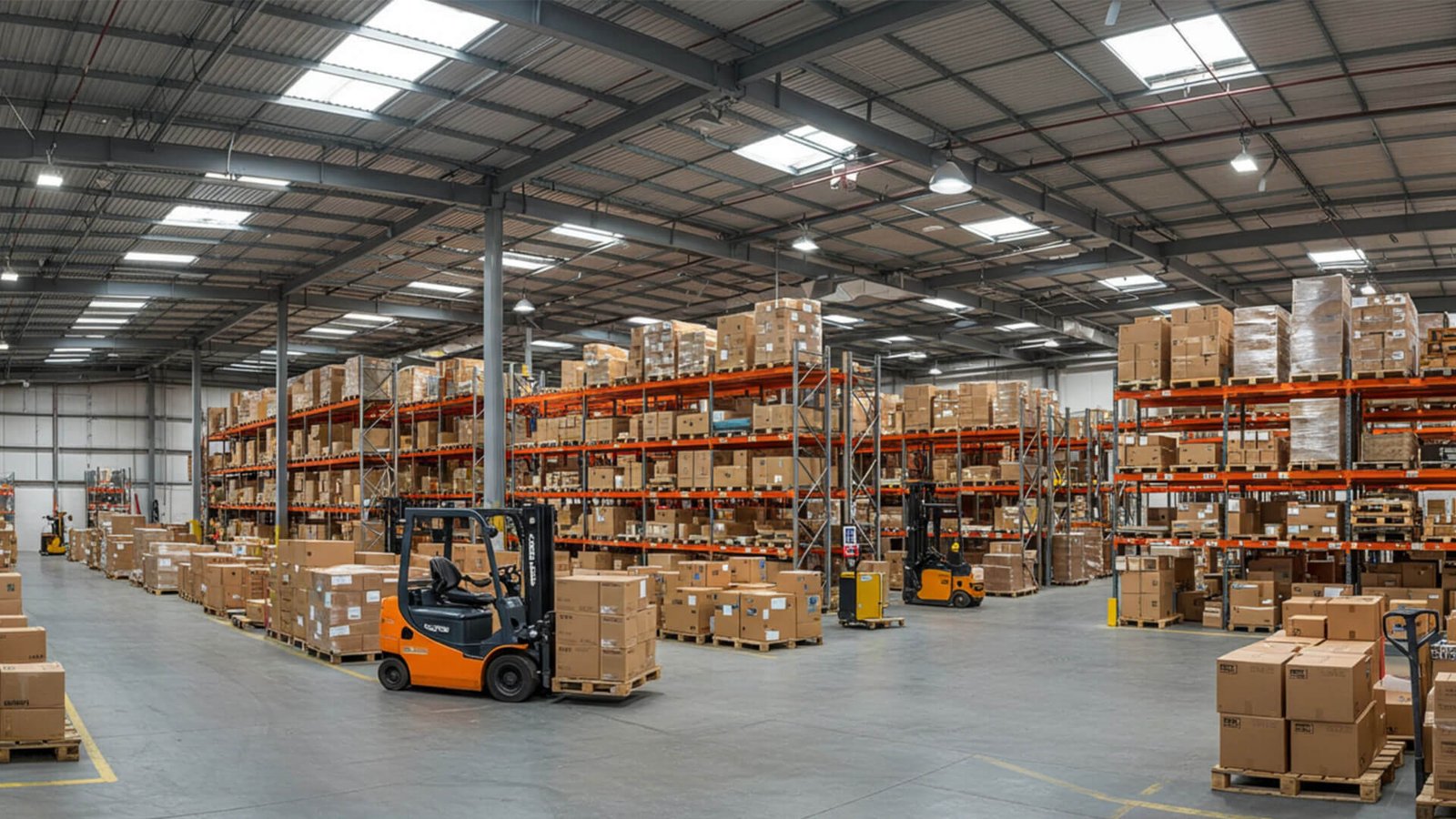
Time is money in a warehouse. A standard, palletized container can be unloaded by one forklift operator in about an hour. It's fast and efficient. However, if your container arrives with loose boxes (a "floor-loaded" container) or with pallets that are the wrong size, a forklift can't be used. Instead, the warehouse must assign a team of workers to unload every single box by hand. This manual labor is slow and expensive. These fees are often called "lumper fees" and are charged by the hour. What could have been a small, fixed fee for a palletized unload can turn into a huge hourly bill. For my client Mark, his non-standard pallets meant he had to pay for a two-person team for four hours just to get his goods out of the container.
| Unloading Method | Equipment | Time Required (40ft Container) | Relative Cost |
|---|---|---|---|
| Standard Pallets | 1 Forklift, 1 Operator | ~1-2 Hours | Low |
| Non-Standard/Floor Load | 2-3 Laborers | ~4-6 Hours | High |
Before you ship, ask your destination warehouse for their rate sheet. Compare the cost for "live unload - palletized" versus "live unload - floor load." You will see a major difference. Using standard pallets directly reduces your destination handling costs.
What Do You Need to Know About Pallet Weight Limits?
Is your pallet too heavy? Overloading a pallet can cause it to break during transit or be too heavy for standard equipment, leading to safety risks and delays.
Pallet weight limits vary based on how it's handled. A pallet can hold more weight when static on the floor (floor load) than when being lifted by a pallet jack or a forklift. Always respect the dynamic load capacity to ensure safety and prevent equipment damage.
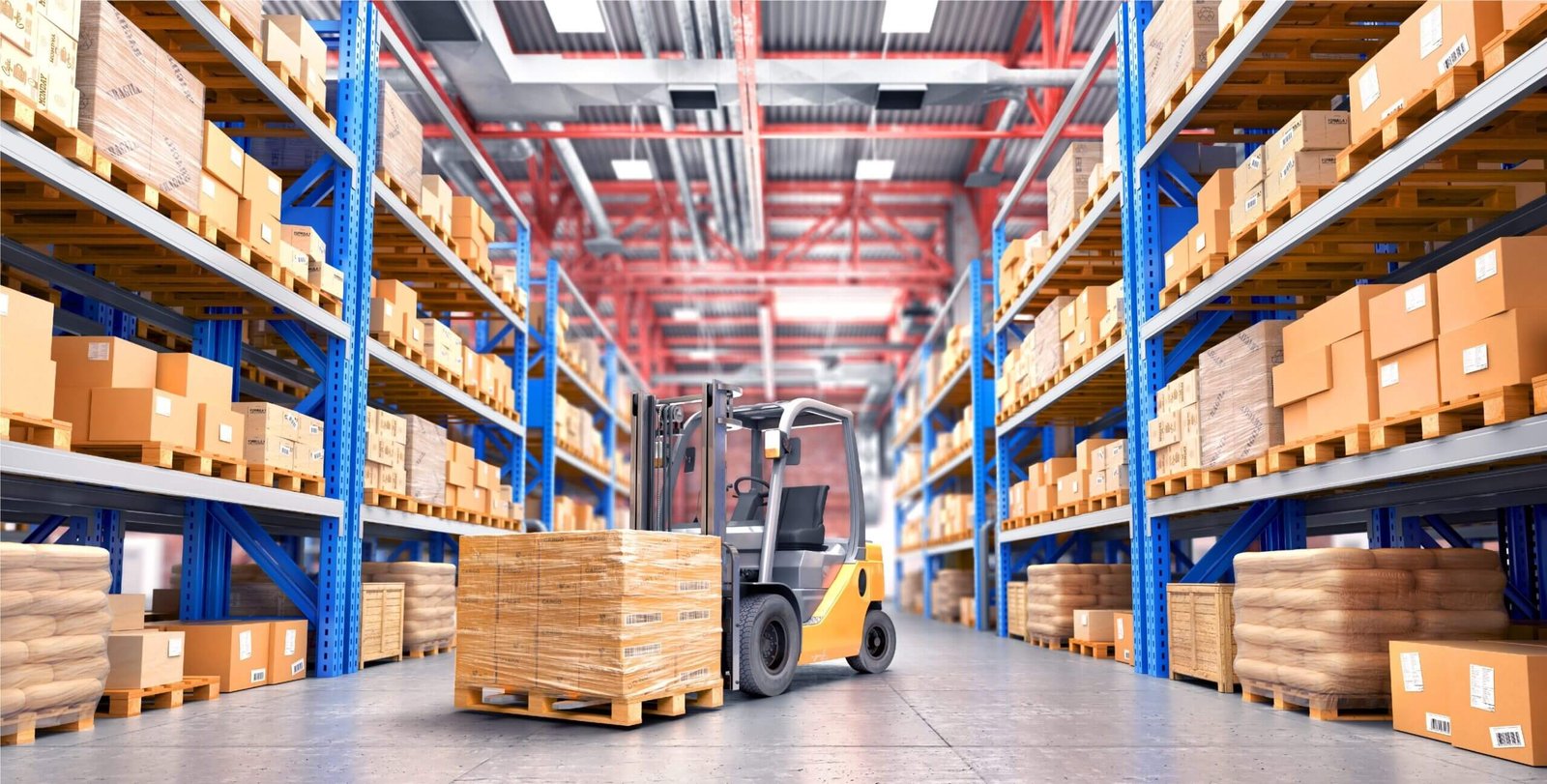
Not all weight capacities are created equal. A pallet's strength is measured in three different ways, and it's critical to know the difference to avoid accidents and damage. The most important number for shipping is the dynamic load capacity, as your pallets will be constantly moving. Overloading a pallet beyond its dynamic capacity is a major safety hazard. A pallet jack might not be able to lift it, or worse, a forklift could lift it only for the pallet to break mid-air. This not only destroys your product but also puts warehouse workers at serious risk. Furthermore, the total weight of your loaded pallets affects the gross weight of the container, which is important for the drayage truck that moves it on the road. Overweight loads can lead to fines from the Department of Transportation (DOT).
| Load Type | Description | Typical Capacity (Standard Pallet) |
|---|---|---|
| Static Load | Weight on a stationary pallet on a flat surface. | ~10,000 lbs+ |
| Dynamic Load | Maximum weight a pallet can hold while being moved. | ~2,500 - 3,000 lbs |
| Racking Load | Maximum weight a pallet can hold in a racking system. | ~2,000 - 2,500 lbs |
Always ask your pallet provider for the dynamic load capacity and instruct your supplier not to exceed it. A safe load is a successful load.
How Many Standard Pallets Can You Fit in a Container?
Are you getting the most out of your container space? Knowing exactly how many pallets fit is crucial for planning your inventory and calculating your true shipping costs.
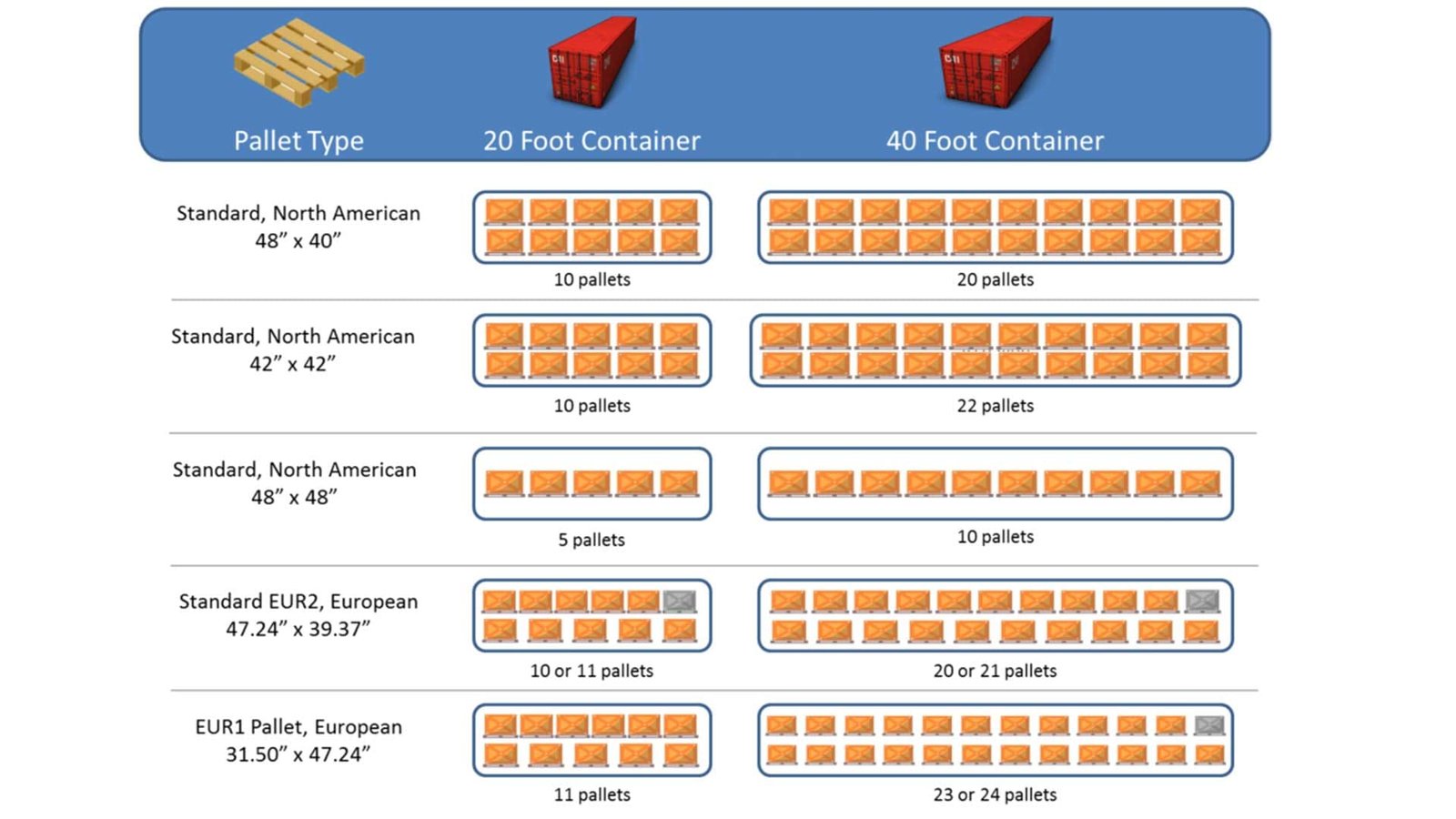
A standard 20ft container can typically hold 10 standard 48"x40" pallets, single-stacked. A 40ft container can hold 20-21 of these pallets. However, this can change based on loading patterns and whether your cargo can be double-stacked.
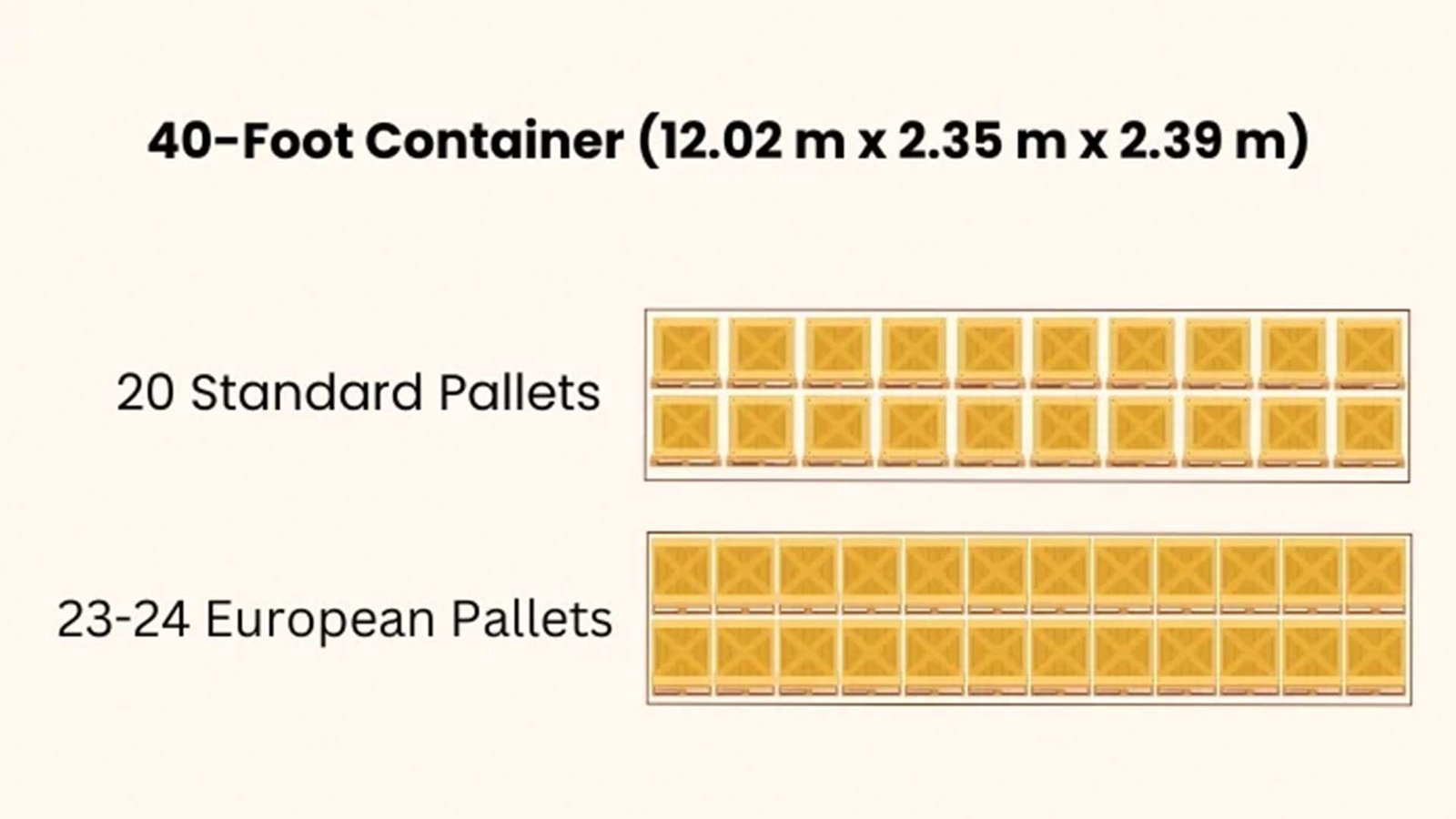
Knowing your container's pallet capacity is key to effective load planning. Let's break down the numbers for the most common U.S. pallet size, the 48" x 40".
20-Foot Container: You can fit two pallets side-by-side across the width and five pallets down the length. This gives you a total of 10 pallets per layer.
40-Foot Container: Since a 40ft container is roughly double the length of a 20ft, you can fit 20 pallets using the same pattern. Often, it's possible to turn one pallet sideways at the very end by the doors to fit a 21st pallet, maximizing space.
High Cube (HQ) Containers: A 40ft or 45ft HQ container has an extra foot of vertical height. This doesn't change the floor footprint, but it is critical if you plan to double-stack your pallets.
| Container Type | Standard Pallet Capacity (Single Stacked) | Notes |
|---|---|---|
| 20' Standard | 10 pallets | |
| 40' Standard | 20-21 pallets | 21st pallet requires turning. |
| 40' High Cube | 20-21 pallets | Same floor space, but more height. |
| 45' High Cube | 22-24 pallets | More length allows for extra pallets. |
Double stacking is a great way to save money, but only if your products and packaging are strong enough to support the weight of the pallet on top without being crushed.
How Does Pallet Choice Impact Your Total Landed Cost?
Are you looking at the big picture of your shipping costs? Your choice of pallet affects more than just freight; it influences handling fees, storage, and damage costs.
The pallet's dimensions directly impact your total landed cost. It influences freight efficiency (cost per CBM), destination handling fees (manual vs. forklift), potential damage costs, and even warehouse storage rates. Optimizing your pallet strategy is a key lever for reducing your overall import expenses.
Your total landed cost is the true cost of your product by the time it arrives at your door. A small decision made at your supplier's factory, like which pallet to use, has a ripple effect across the entire supply chain that can significantly increase this cost. It's not just about the price of the pallet itself. Think about it: a non-standard pallet wastes container space, which increases your per-unit freight cost. It can fail a customs inspection, leading to thousands in fumigation fees. It can require expensive manual unloading at the destination warehouse. It can cause product damage, leading to lost inventory. Each of these issues adds a real dollar amount to your final bill. By insisting on the correct, compliant, and standard-sized pallets from the start, you are actively controlling and reducing these potential costs.
Here's how pallet choice adds to your landed cost:
- Freight Cost: Inefficient space utilization increases freight expense.
- Compliance Fees: Non-compliant ISPM-15 pallets lead to fines.
- Handling Fees: Non-standard sizes trigger expensive manual labor charges.
- Repalletizing Fees: Cost of new pallets and labor to restack goods.
- Damage Costs: Product loss from overhang or weak pallets.
Smart palletizing isn't a minor detail; it's a major part of a cost-effective logistics strategy.
Conclusion
Choosing the right pallet dimensions is critical. It maximizes space, ensures compliance, reduces damage, and lowers your total landed cost. Get it right to streamline your entire supply chain.