Confused by "door-to-door1" sea freight2 promises? Hidden fees and customs delays3 can erode your profits. This guide gives you the operational clarity to regain control of your shipments.
Mastering door-to-door1 sea freight2 means understanding who controls each step, from the factory in China to your U.S. warehouse. It requires choosing the right Incoterm4, like DDP5, and partnering with a provider who manages both the shipping and the U.S. customs clearance6 for true end-to-end accountability.
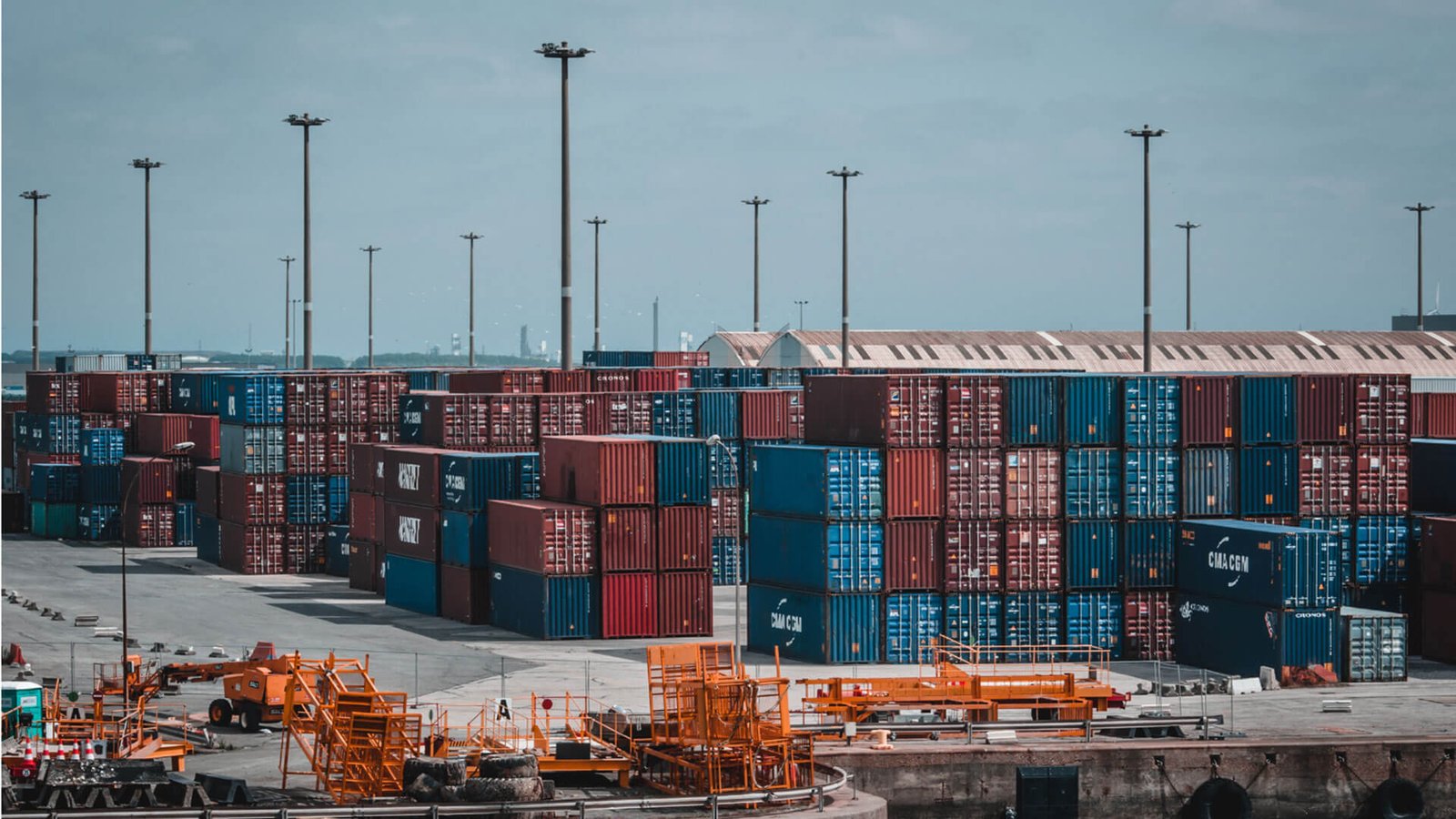
Many logistics providers sell the idea of simplicity, but the reality of international shipping is far more complex. The term "door-to-door1" is where most of the confusion starts. To protect your business, you need to look past the marketing and understand what's happening on the ground. Let's dive into what this term really means for a U.S. importer like you.
What Does Door-to-Door Sea Freight Really Mean for U.S. Importers?
You paid for door-to-door1 shipping, but now you're stuck dealing with customs delays3 and surprise fees. This guide clarifies who is truly responsible for your container's entire journey.
For U.S. importers, door-to-door1 sea freight2 should mean one partner is accountable for the entire journey, including U.S. customs clearance6. The marketing version often just covers transport, leaving you to manage the most critical and costly part: compliance with U.S. Customs and Border Protection (CBP).
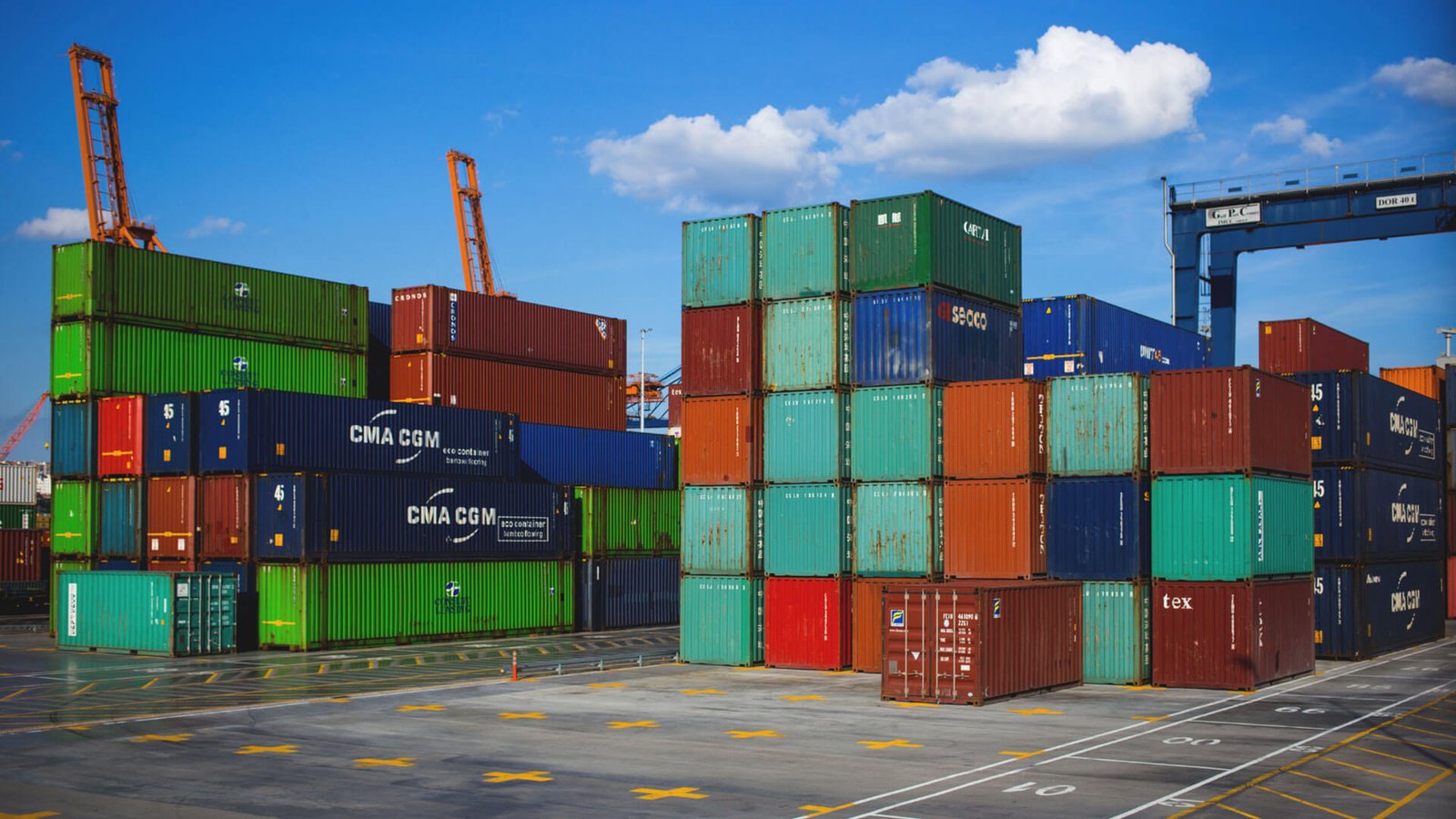
Operational vs. Sales Definitions
In sales, "door-to-door1" sounds simple: we pick it up there and drop it off here. Operationally, it's a chain of custody with multiple failure points. A freight forwarder7 might handle the ocean transit but outsource the U.S. customs brokerage8 and final trucking. This creates gaps in responsibility. If a customs hold occurs, the forwarder may not have the expertise or authority to resolve it quickly, leading to costly delays and demurrage fees9 at the port.
Where Accountability Breaks Down
The biggest risk for U.S. importers is when the "door-to-door1" service ends at the U.S. port, right before customs. This is common with DAP (Delivered at Place) shipments. The provider gets your container to the port, but you are responsible for the import clearance, duties, and final delivery10. A true end-to-end partner manages everything, including the customs brokerage8, ensuring a smooth transition from sea to land.
Which Door-to-Door Shipping Model Poses the Least Risk: DDP5, DAP, or FOB?
Choosing the wrong Incoterm4 feels like a gamble. A low initial price can hide massive backend costs, wrecking your budget. Let's compare the real risks of each model.
DDP5 (Delivered Duty Paid) is the lowest-risk door-to-door1 option for U.S. importers. The seller is responsible for all costs and risks, including transportation, insurance, and U.S. customs duties. In contrast, DAP and FOB place the customs clearance and duty risks squarely on you, the buyer.
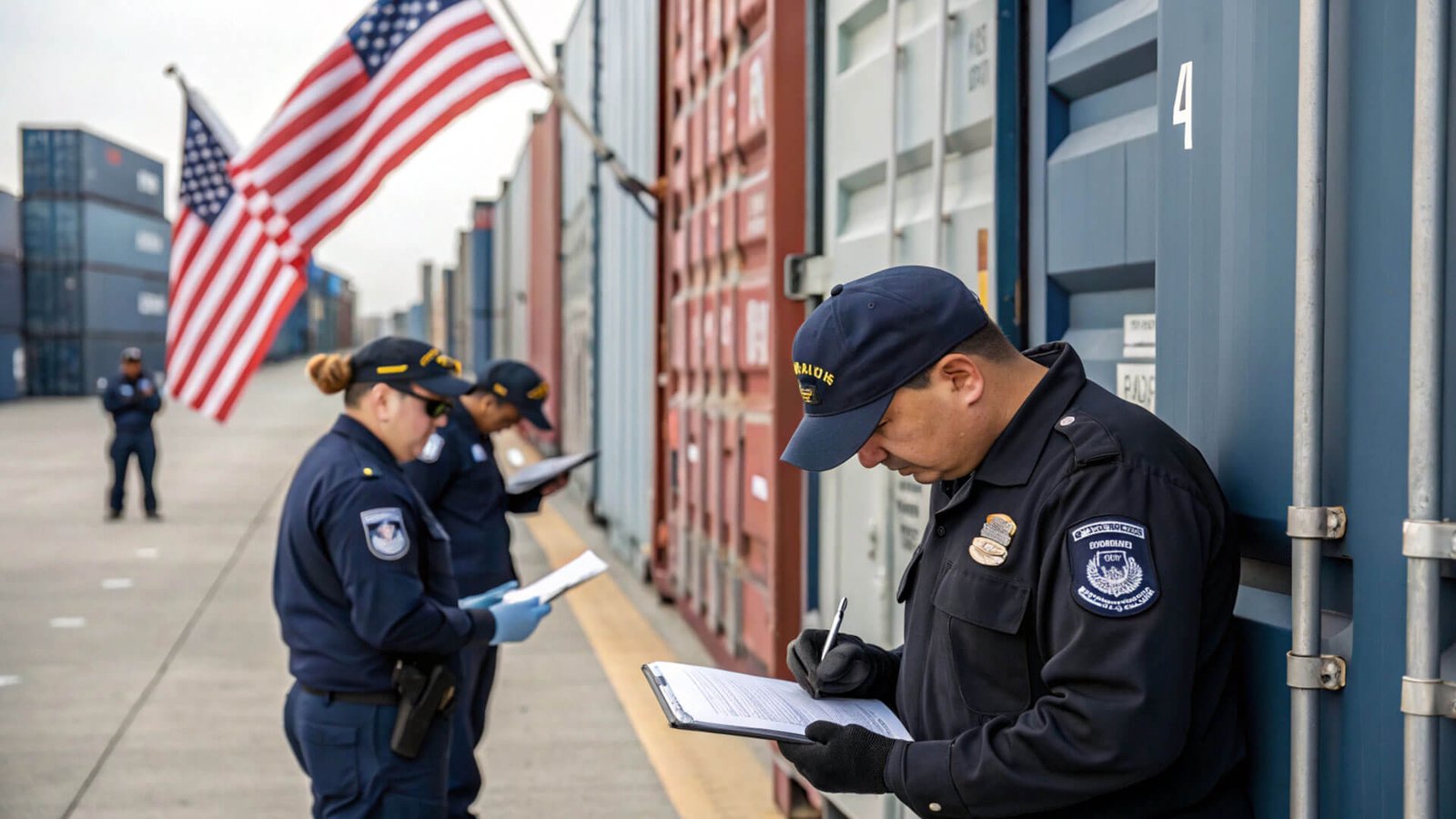
U.S. importers don't choose Incoterm4s for academic reasons; you choose them to manage risk and protect your landed cost11. The model you select determines who is responsible when things go wrong.
Comparing Key Door-to-Door Incoterm4s
| Responsibility | DDP5 (Delivered Duty Paid) | DAP (Delivered at Place) | FOB + Forwarder |
|---|---|---|---|
| Main Carriage | Seller/Shipper | Seller/Shipper | Buyer/Importer |
| U.S. Customs Clearance | Seller/Shipper | Buyer/Importer | Buyer/Importer |
| U.S. Duties & Taxes | Seller/Shipper | Buyer/Importer | Buyer/Importer |
| Importer of Record | Seller or their agent | Buyer/Importer | Buyer/Importer |
| Risk Transfer Point | Buyer's U.S. Warehouse | U.S. Port/Terminal | Onboard Vessel at Origin |
Under a DDP5 model, your supplier or their logistics partner12 handles everything. They act as the Importer of Record, file the ISF, post the customs bond, and pay all duties. With DAP, the shipment arrives at a U.S. port, but you are responsible for the complex and costly import process. FOB is even more fragmented, as you must coordinate the ocean freight and U.S. customs separately, breaking accountability. For U.S. importers seeking predictability, DDP5 is the clear winner.
What is the Real End-to-End Door-to-Door Sea Freight Process from China to the USA?
Tired of vague shipping timeline13s and endless emails asking for updates? Unpredictability costs you time and money. Here is the exact, step-by-step process for a container from China.
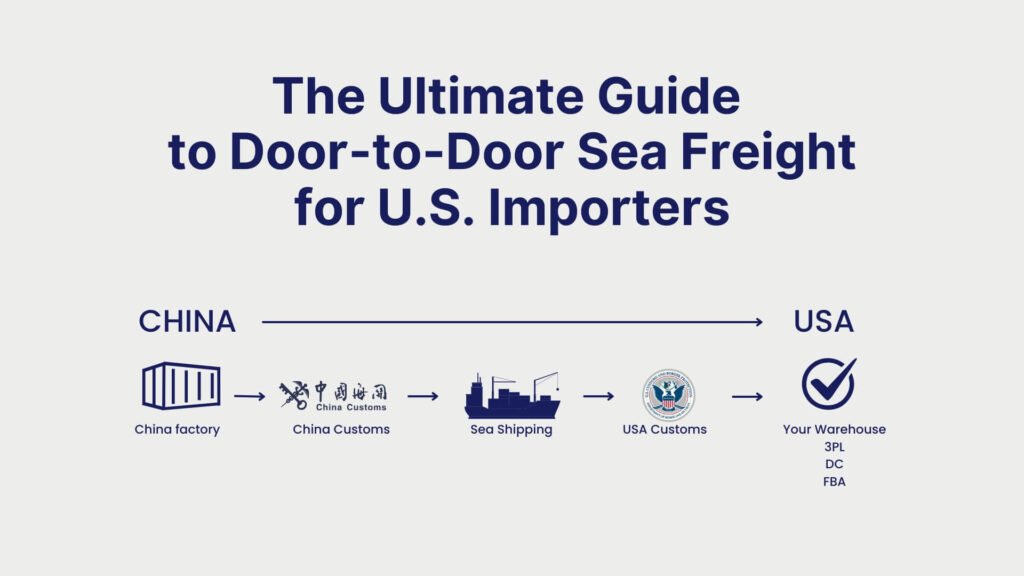
The process starts with factory pickup and export clearance in China. It includes ocean freight, mandatory ISF filing before sailing, U.S. customs clearance6 upon arrival, and finally, port drayage to your warehouse. A single, integrated partner managing all these steps is key to preventing delays.
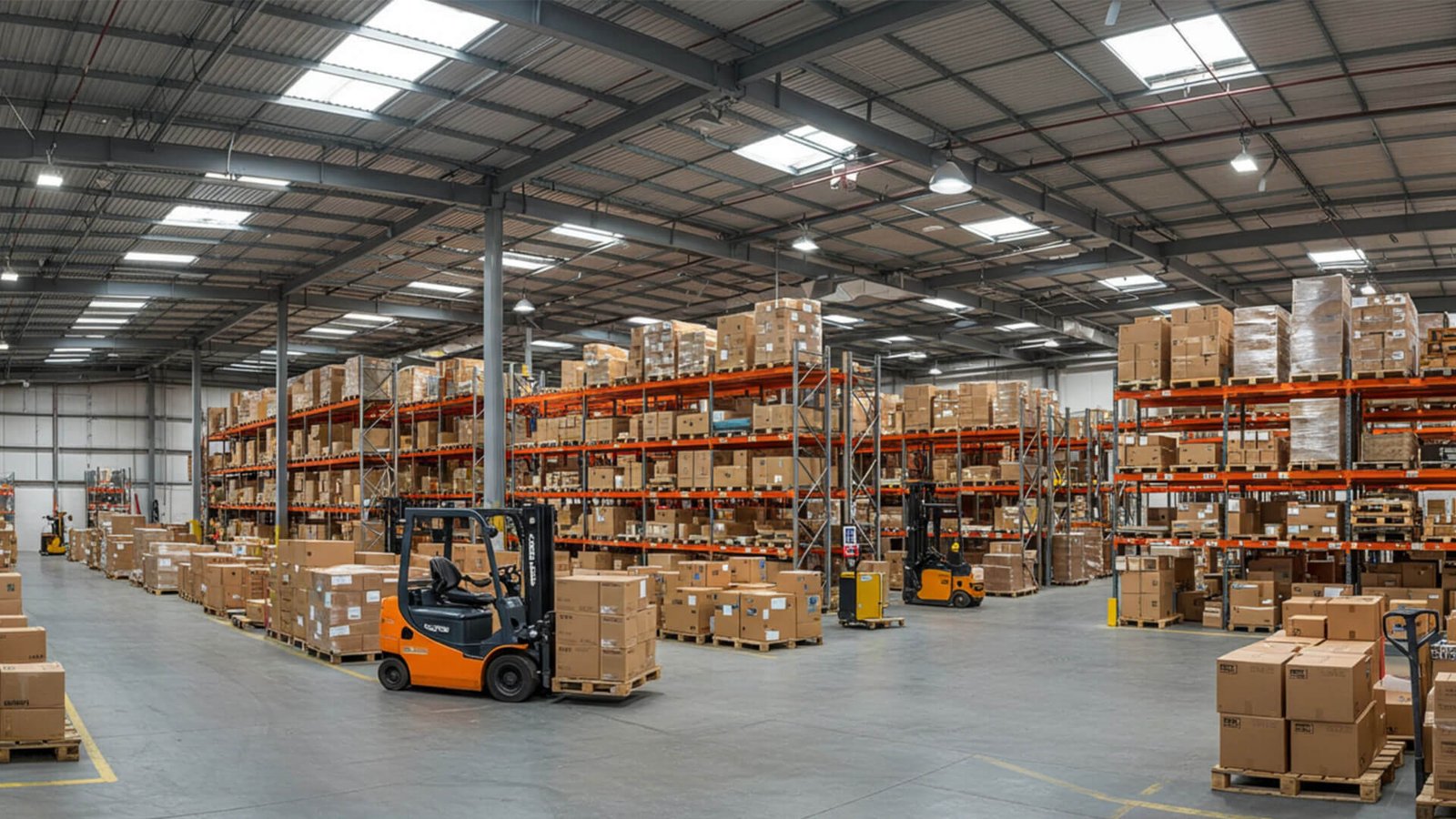
Predictability is built on a clear, well-managed process. Most issues I see happen at the handover points between different vendors. Here is how a truly integrated door-to-door1 shipment works.
Key Stages from Factory to Warehouse
- China-Side Operations: We start with truck scheduling for factory pickup. Then, we prepare the export documentation and clear the container through China's customs.
- Ocean Freight & Pre-Arrival: The container is moved to the port and loaded onto the vessel. Critically, the Importer Security Filing14 (ISF 10+2) must be filed with U.S. CBP at least 24 hours before loading. Failure here results in fines.
- U.S. Arrival & Clearance: Upon arrival, our in-house U.S. customs brokerage8 team takes over. We classify the goods with the correct HTS codes15, file the entry summary, and pay the duties.
- Final Delivery: Once CBP releases the container, we coordinate drayage from the port to your final destination. We manage everything, including handling potential customs exams16 or holds, to keep you informed and avoid demurrage.
How Do Bills of Lading and Customs Liability Work in Door-to-Door Sea Freight?
The Bill of Lading17 seems like a simple receipt, but one error can halt your entire shipment. This confusion can lead to costly delays and legal headaches at the port.
In door-to-door1 sea freight2, the Bill of Lading17 (B/L) acts as the title to your goods. How the consignee is listed determines who has legal control to clear customs. Liability shifts from the ocean carrier to the inland trucker, making an integrated customs broker essential for smooth handoffs.
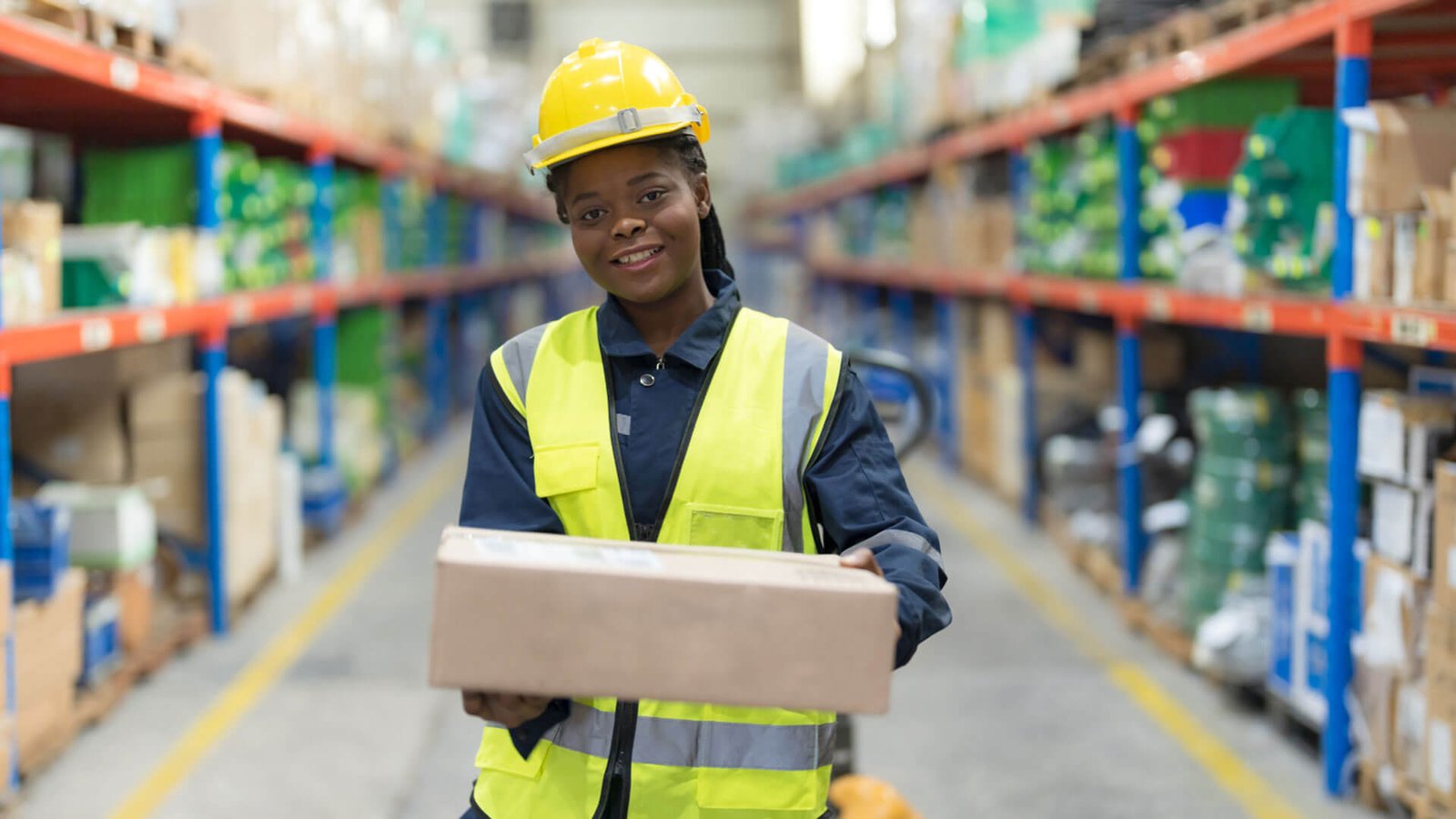
The Bill of Lading17 (B/L) is more than a shipping document; it's the key to controlling your cargo. For U.S. importers, understanding its structure is critical for avoiding customs problems.
B/L Structure and Customs Control
A "through" or "door-to-door1" Bill of Lading17 should cover the entire journey. However, the most important detail is the consignee. If your customs broker is not listed correctly or if the consignee details don't match the ISF filing, CBP can flag your shipment. As a U.S.-registered customs broker, I ensure the B/L, ISF, and customs entry are perfectly aligned. This prevents the common problem where a freight forwarder7 can't clear the goods because they aren't the legal consignee.
Liability Transfer
Liability also shifts. During the ocean leg, the carrier is liable under maritime law. Once the container is on a truck in the U.S., domestic trucking liability rules apply. Having one partner manage both phases ensures there are no gaps where your cargo is unprotected or where blame can be shifted.
How Much Does Door-to-Door Sea Freight Really Cost Beyond the Initial Quote?
That cheap freight quote looks tempting, but it's rarely the final price. Hidden fees can double your costs, making budgeting impossible. Let's calculate the real landed cost11 together.
The true cost is your "landed cost11," not just the freight rate. This includes ocean freight, U.S. customs duties, port fees (like HMF and MPF), customs bond fees, and final trucking. A cheap quote often excludes these, making it much more expensive in the end.
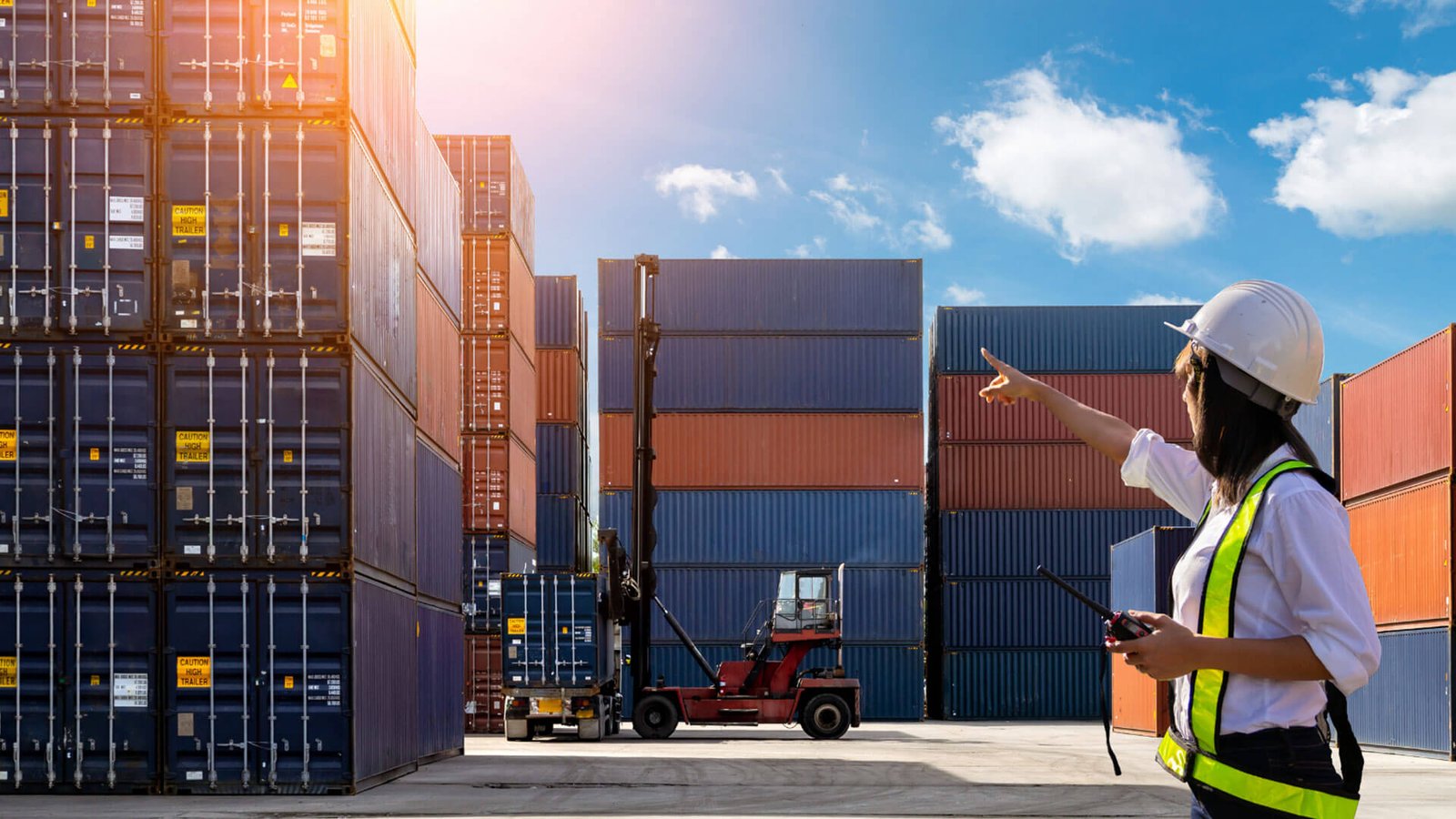
As an importer, you don't buy freight; you buy certainty on your product's final, landed cost11. Many "door-to-door1" quotes are designed to be misleadingly low by excluding mandatory U.S. import fees.
Sample Landed Cost Breakdown (Illustrative)
| Cost Component | Often Quoted | The Reality (Landed Cost) |
|---|---|---|
| Ocean Freight | $3,000 | $3,000 |
| U.S. Customs Duties (e.g., 10%) | Not Included | $5,000 |
| Port Fees (HMF, MPF) | Not Included | $200 |
| Customs Brokerage & Bond | Not Included | $350 |
| Inland Drayage (Trucking) | Not Included | $800 |
| Total Cost | $3,000 | $9,350 |
This is why HTS classification is so critical. An incorrect HTS code can result in overpaying duties by thousands. My work focuses on "duty engineering"—legally optimizing your classifications to reduce your largest variable cost. The cheapest initial quote rarely survives contact with U.S. Customs. It's the all-in, final cost that matters to your business.
How Can U.S. Importers Choose the Right Door-to-Door Sea Freight Partner?
Choosing a logistics partner12 feels overwhelming. The wrong choice leads to customs fines and shipment delays, with no one taking responsibility. Here are the key questions you must ask.
Choose a partner who is a U.S.-registered customs broker, not just a freight forwarder7. Verify that they control the entire process—ocean freight, customs clearance, and final delivery10—in-house. This ensures a single point of accountability, especially when dealing with customs exams16 or duty disputes.
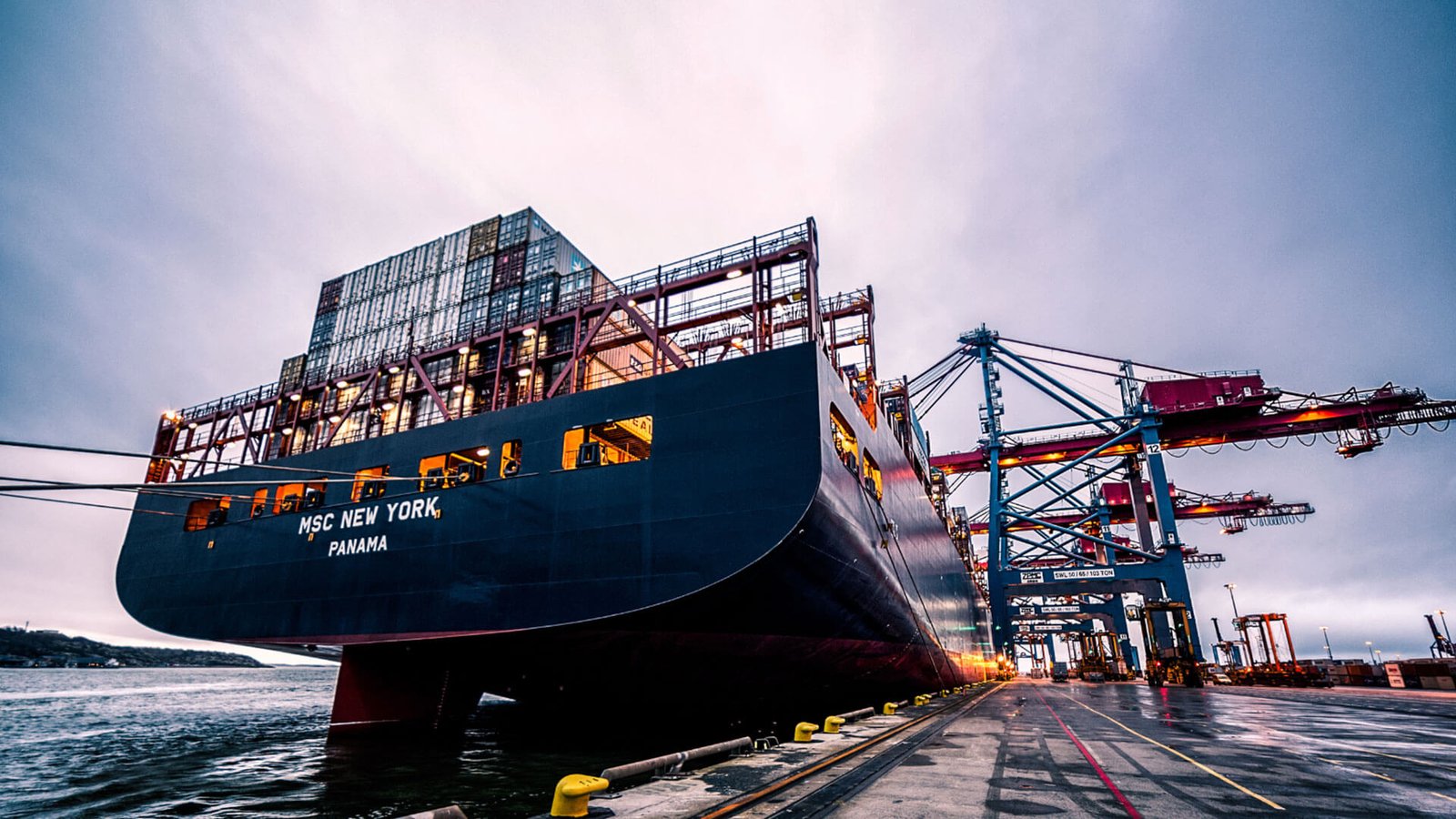
Nearly every major shipping problem I've seen in my 15+ years stems from a fragmented supply chain18 managed by the wrong partners. A freight forwarder7 is a travel agent for cargo; a customs broker is a licensed professional responsible for your compliance with federal law. You need both, ideally in one company.
Key Questions to Ask a Potential Partner:
- Are you a U.S.-registered customs broker? If they outsource this, they don't control the most critical part of the import process.
- How do you handle customs exams16 or holds? An integrated partner will manage this directly, while a fragmented one will just pass messages back and forth.
- Can you provide a complete landed cost11 estimate? A reliable partner can and will quote you on duties, port fees, and other costs upfront.
- Who is my single point of contact? If you have to talk to three different people to track one container, accountability is already broken.
Choosing a partner who controls the process end-to-end is the single best way to reduce risk and ensure predictability.
Conclusion
True door-to-door1 sea freight2 is about total accountability, not just transport. By choosing a DDP5 model with an integrated customs broker, U.S. importers can achieve predictable, cost-effective shipping.
Frequently Asked Questions About Door-to-Door Sea Freight
What is door-to-door1 shipping in international sea freight2?
Door-to-door sea freight2 is a service where a logistics provider manages the shipment of goods from the seller's door (like a factory in China) to the buyer's door (a U.S. warehouse). A comprehensive service includes all transportation, handling, export clearance, and U.S. import customs clearance.
Is door-to-door1 shipping covered under a bill of lading?
Yes, a "through" or "combined transport" Bill of Lading17 is used to cover the entire door-to-door1 journey. This single document outlines the full transit, including the ocean leg and the inland transportation at both origin and destination.
Which Incoterm4s support door-to-door1 sea freight2?
Several Incoterm4s can be used for door-to-door1 shipments, but the most common are DAP (Delivered at Place) and DDP5 (Delivered Duty Paid). DDP5 provides the most complete door-to-door1 service, as it includes the seller's responsibility for paying U.S. import duties19.
Is DDP5 the safest door-to-door1 option for U.S. importers?
Yes, DDP5 is generally the safest and most predictable option for U.S. importers. The seller bears all risks and costs associated with bringing the goods to the final destination, including U.S. customs duties and clearance, minimizing surprises for the buyer.
What’s the difference between sea freight2 logistics and door-to-door1 shipping?
Sea freight logistics can refer to any part of the ocean shipping process, such as only the port-to-port transit. Door-to-door shipping is a specific type of logistics service that covers the entire chain, from the shipper's origin to the consignee's final destination.
Understanding this term is crucial for navigating the complexities of international shipping. ↩
Explore the advantages of sea freight, including cost-effectiveness and capacity for large shipments. ↩
Discover strategies to minimize customs delays and ensure timely delivery of your goods. ↩
Understanding Incoterms is essential for managing shipping responsibilities and costs. ↩
Learn why DDP is often the safest option for U.S. importers and how it works. ↩
Gain insights into the customs clearance process and its importance for importers. ↩
Understand the responsibilities of freight forwarders and how they facilitate shipping. ↩
Explore the critical role of customs brokers in ensuring compliance and smooth shipping. ↩
Find out how to prevent demurrage fees that can increase your shipping costs. ↩
Explore the key factors that influence the final delivery of your shipments. ↩
Learn how to accurately calculate landed costs to avoid budget surprises. ↩
Learn the essential criteria for selecting a reliable logistics partner. ↩
Discover tips for optimizing your shipping timeline and reducing delays. ↩
Understand the significance of ISF in preventing fines and ensuring compliance. ↩
Understand how HTS codes impact duties and compliance in international shipping. ↩
Prepare for customs exams by understanding the process and how to handle them. ↩
Learn about the critical role of the Bill of Lading in controlling your cargo. ↩
Explore the elements that contribute to a successful and efficient supply chain. ↩
Gain insights into how import duties are determined and how to manage them. ↩