The logistics world can be confusing, especially when it comes to understanding the roles of freight forwarder1s and freight broker2s.
A freight forwarder1 manages international shipments3 end-to-end, while a freight broker2 matches domestic freight4 with carriers. Understanding the distinction between these two can significantly impact your shipping operations and costs.
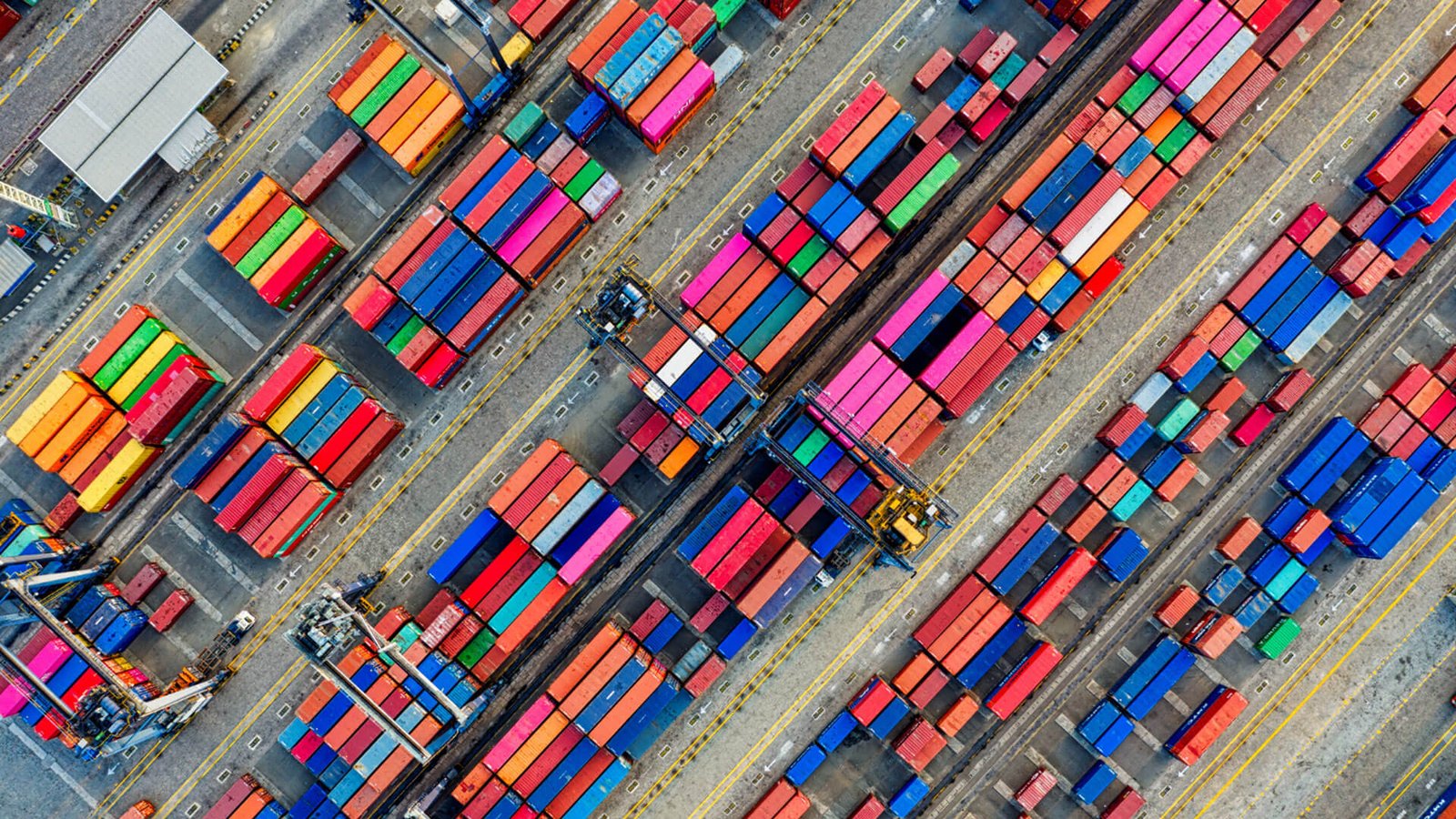
Navigating the logistics landscape5 is essential for U.S. importers who need clarity on these roles. Knowing whether to engage a freight forwarder1 or a freight broker2 can save time and money.
A freight forwarder1 manages international shipments3 end-to-end, while a freight broker2 matches domestic freight4 with carriers?
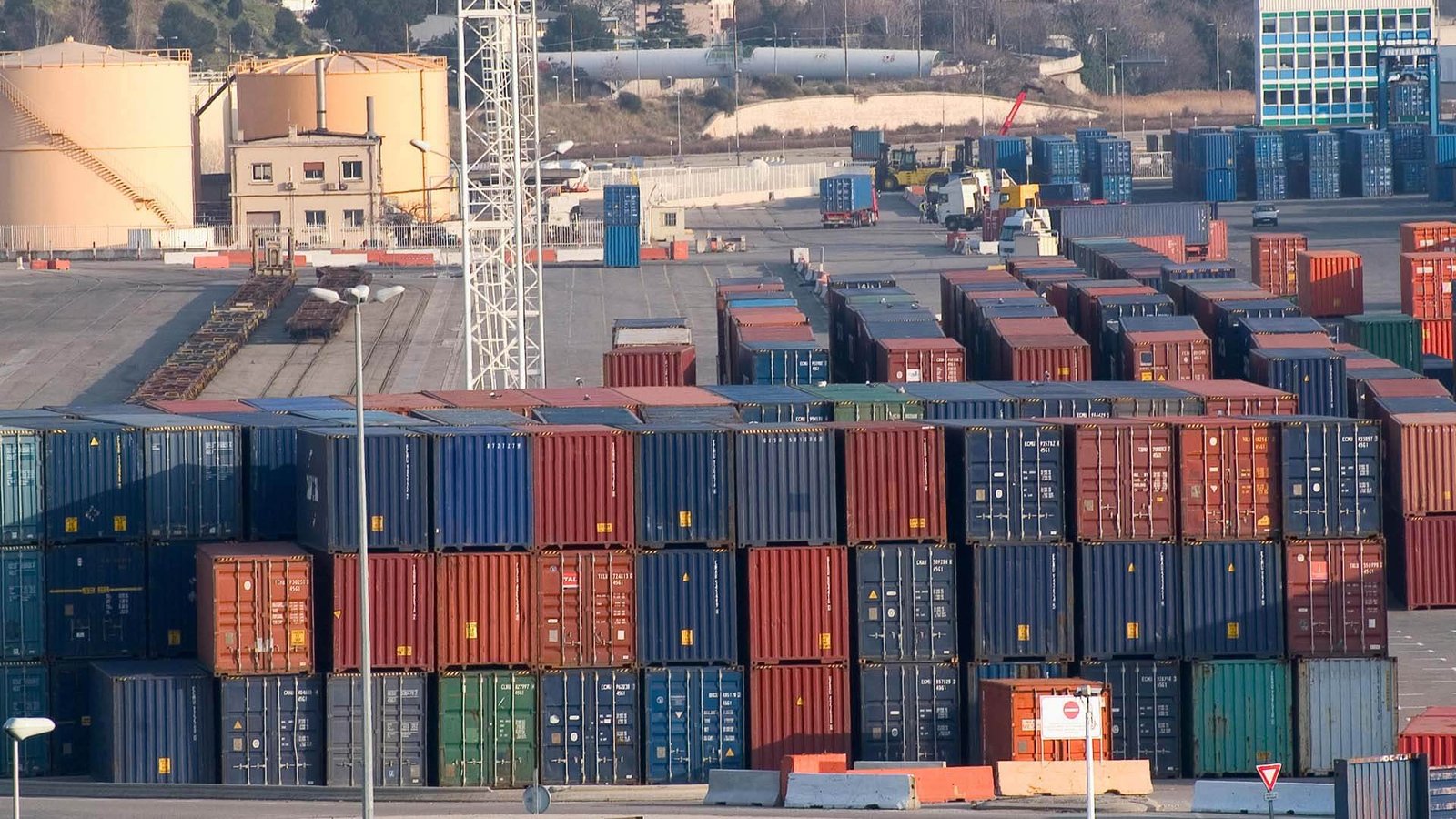
Freight forwarders play a vital role in global logistics. They take charge of routing, booking, documentation, and coordinating delivery from the point of origin to the destination. On the other hand, freight broker2s focus on matching shippers with carriers for domestic freight4 transport.
Forwarder = international logistics operator | Broker = domestic capacity intermediary
Importers often rely on forwarders for ocean or air freight, while brokers are used for inland trucking6. Understanding these roles is the first step in optimizing your logistics strategy.
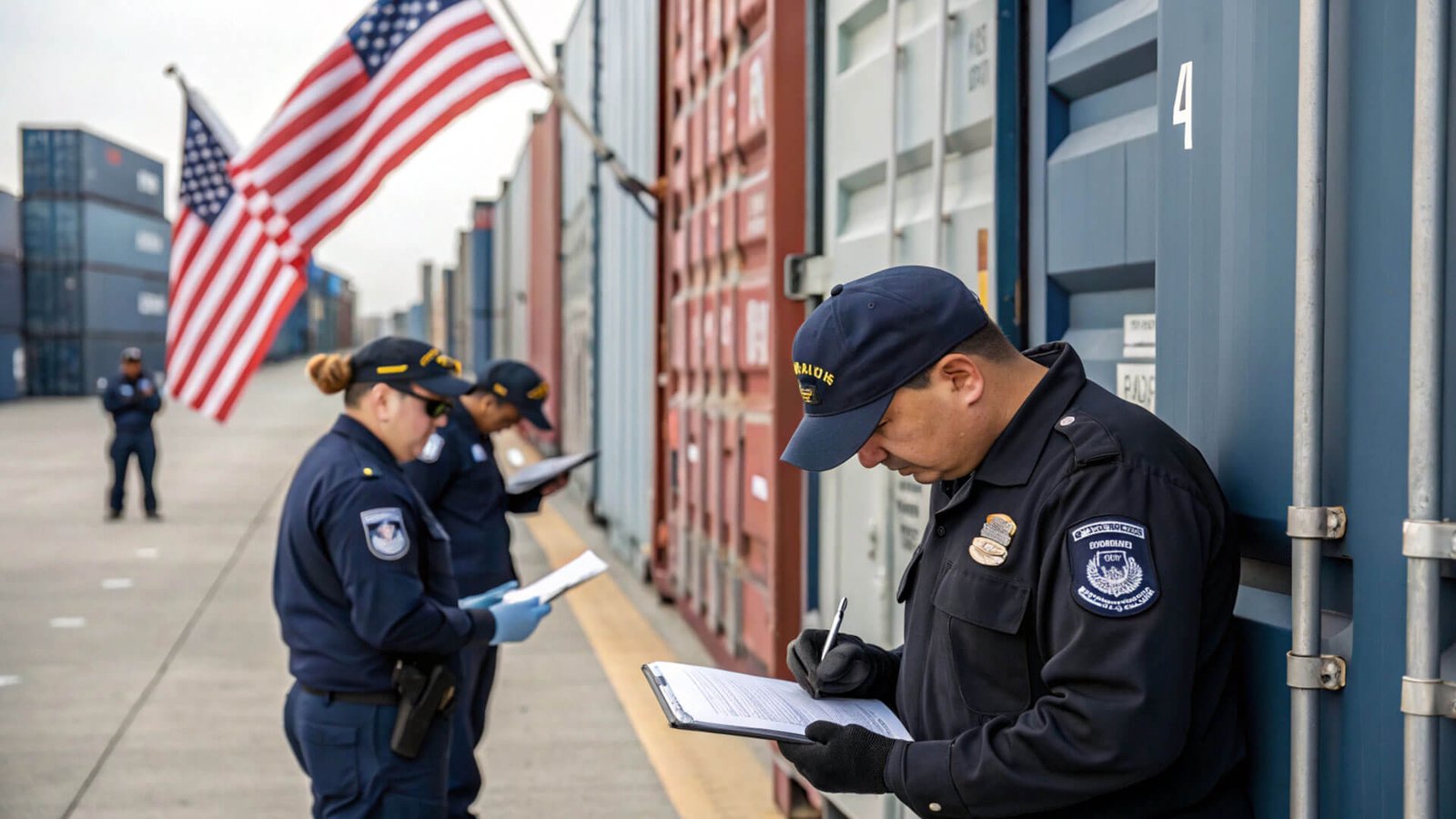
Freight forwarders manage the entire process, ensuring that each shipment adheres to international regulations and requirements. They provide a comprehensive solution that includes booking cargo space, preparing necessary documents, and coordinating delivery.
In contrast, brokers serve as middlemen. They connect shippers with trucking companies but do not take responsibility for the entire shipment process. This distinction is crucial when considering who to engage for various stages of your shipping needs.
The biggest difference is responsibility and control: forwarders can act as the shipment operator while brokers act as intermediaries for trucking capacity?
The key difference between freight forwarder1s and brokers lies in their responsibility and control over the shipment process. Forwarders can act as the shipment operator, often functioning as a Non-Vessel Operating Common Carrier (NVOCC)7, issuing their own bill of lading for ocean freight. Conversely, brokers do not operate the shipments; they simply arrange trucking by connecting shippers with motor carriers.
| Area | Forwarder | Broker |
|---|---|---|
| Issues BL/HBL | Yes | No |
| Contracts carriers | Yes | No |
| Arranges trucking | Yes (if needed) | Yes |
| Controls routing | Yes | No |
| Handles exceptions | Yes | No |
| Liability scope | High-level | Limited |
For importers, it’s essential to understand who controls the execution and who owns the exceptions. This knowledge helps you mitigate risks and manage your shipments more effectively.
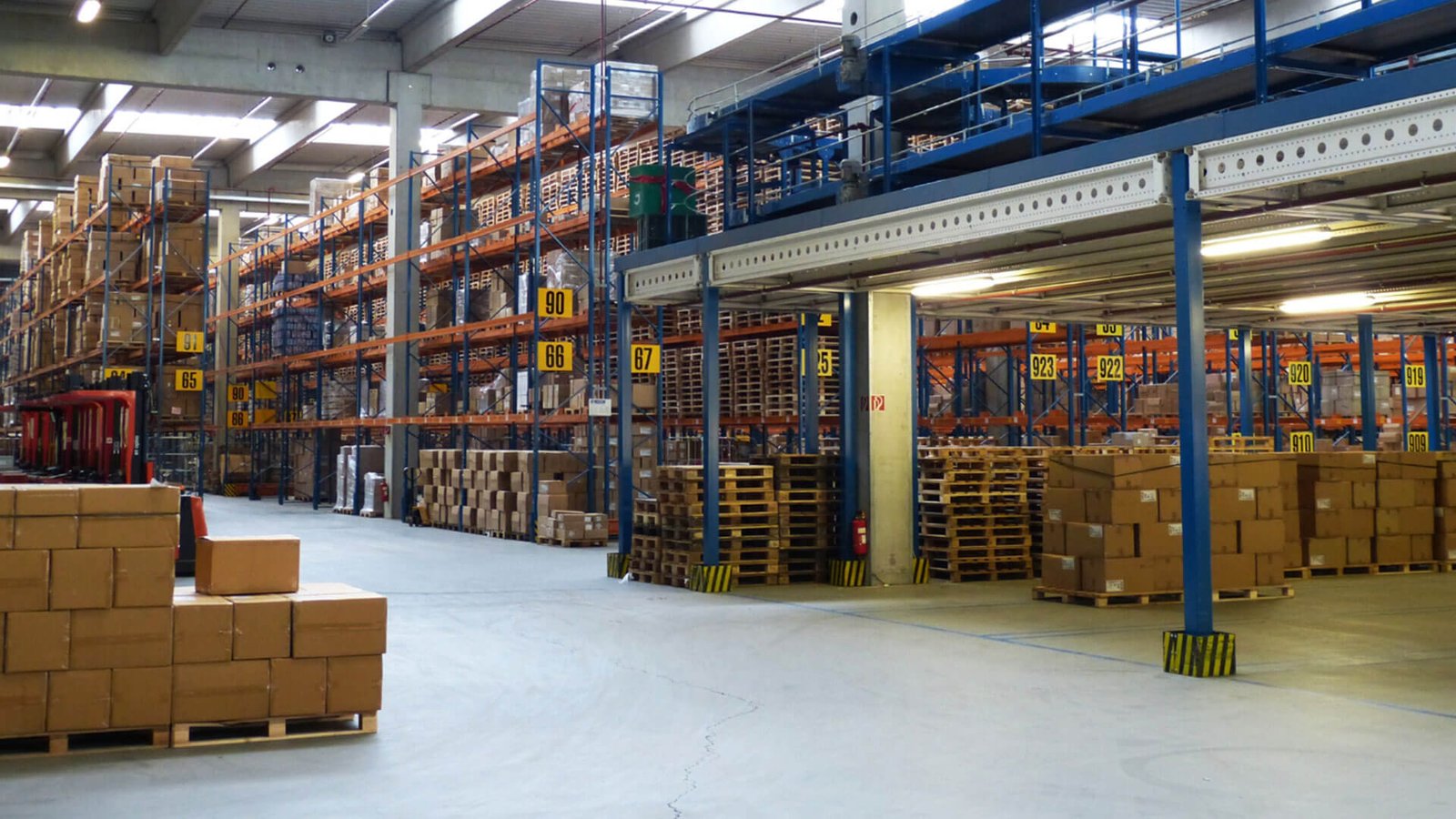
Freight forwarders take on the responsibility for logistics planning and execution, while brokers focus solely on the coordination of domestic transportation. This means forwarders often have more control over the whole shipment process, while brokers handle specific trucking needs.
Forwarders handle cross-border requirements like export/import paperwork and customs coordination, while brokers focus on domestic transportation execution after cargo is released?
Freight forwarders are experts in managing cross-border logistics8. They handle all necessary export/import paperwork and coordinate customs clearance9, ensuring compliance with regulations. They often work closely with customs brokers to facilitate smooth customs processes.
In contrast, freight broker2s operate primarily within the U.S. domestic network, arranging trucking once the shipment is released from ports, airports, or warehouses. For U.S. importers, it’s crucial to recognize that customs readiness is typically a workflow managed by forwarders, not brokers.
Cross-border tasks forwarders support:
- Docs collection
- Cutoffs
- ISF readiness
- Arrival planning
- Broker coordination
- Delivery planning
This understanding helps importers streamline their international shipping processes and avoid delays caused by paperwork and customs issues.
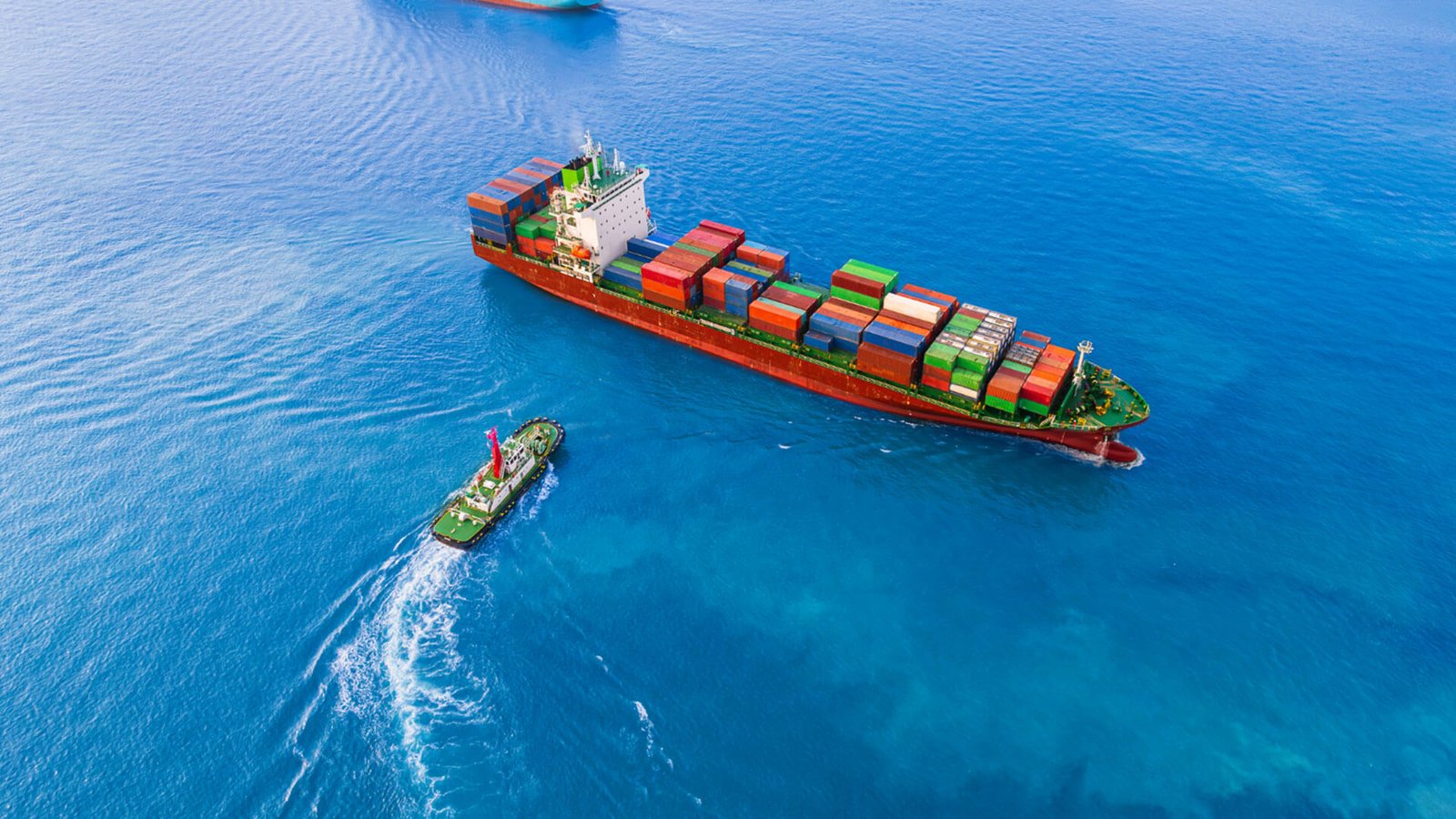
Cost structures differ: forwarders quote multi-line item international costs while brokers quote lane-based trucking rates10 plus accessorials?
When it comes to cost structures, freight forwarder1s often provide detailed quotes that include various international costs. These may encompass base ocean or air freight, fuel surcharges, origin handling, destination handling, and inland delivery costs. In contrast, brokers typically deliver lane-based trucking rates10, which might include accessorial charges11 such as detention or liftgate fees.
| Quote Component | Forwarder | Broker | Notes for Importers |
|---|---|---|---|
| Base rate | Yes | Yes | |
| Handling charges | Yes | Limited | |
| Port/terminal fees | Yes | No | |
| Chassis/drayage | Yes | Yes | Often included |
| Accessorials | Yes | Yes | |
| Variable charges | Yes | Yes |
For importers, comparing quotes using itemized line items rather than just headline prices is essential for understanding the total cost and avoiding unexpected charges.
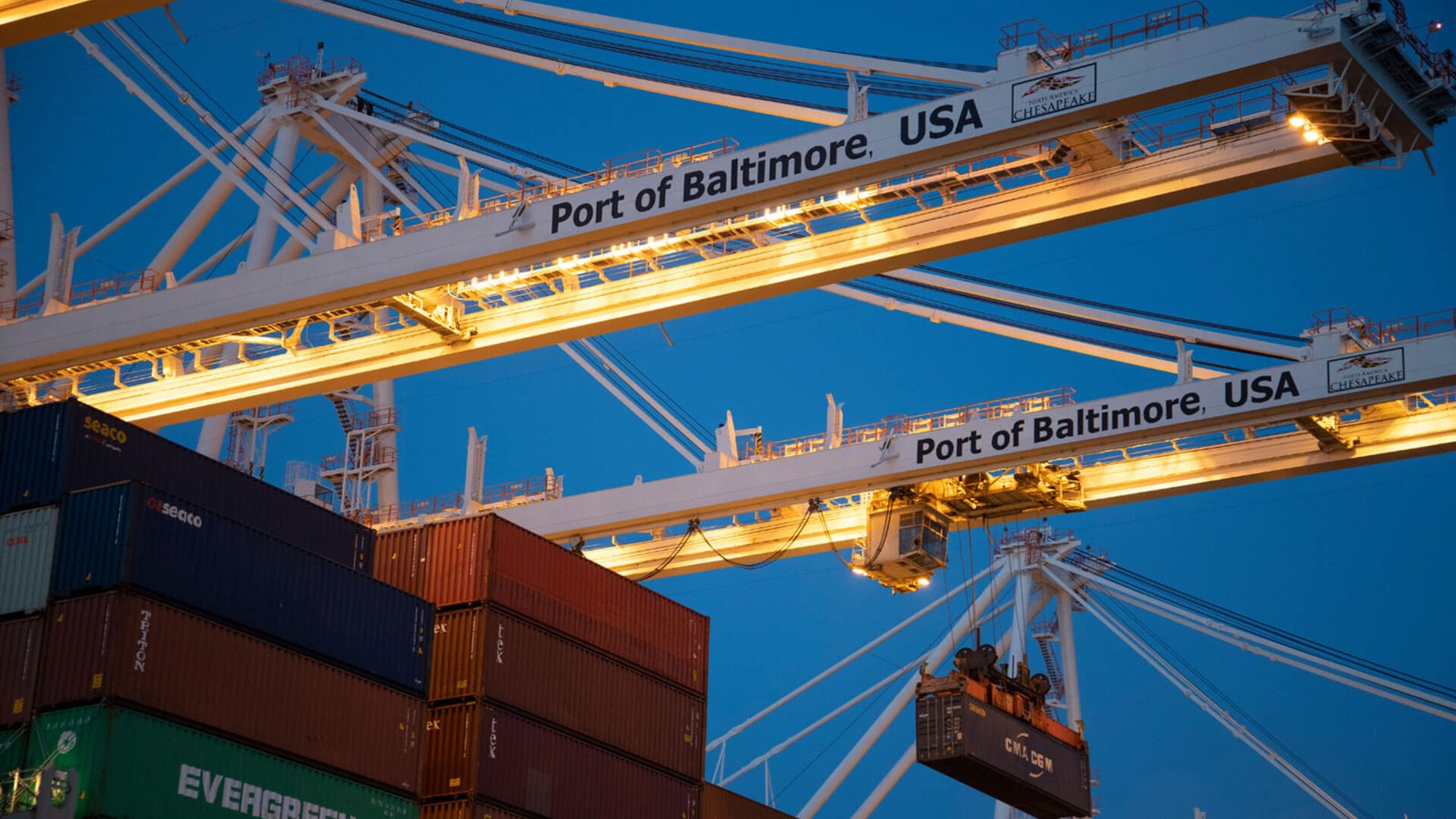
For U.S. importers, the right choice depends on shipment stage12 and whether you need one party to coordinate forwarder + customs + drayage?
Choosing between a freight forwarder1 and freight broker2 often depends on the stage of your shipment. For international movement, a freight forwarder1 is typically essential to manage supplier pick-up, ocean or air transport, document preparation, and milestone tracking. Meanwhile, a broker is often used for domestic trucking if it’s not included in the forwarder’s service.
Use-case bullets:
- Port-to-port import: forwarder + separate truck broker
- Door-to-door import: forwarder coordinates delivery
- Domestic replenishment: broker only
Understanding when to use each service can help streamline your logistics process and ensure timely delivery of your shipments.
Use a decision checklist13 to choose correctly based on your cargo type, Incoterms14, delivery deadline, compliance risk15, and how much visibility and exception-handling you need?
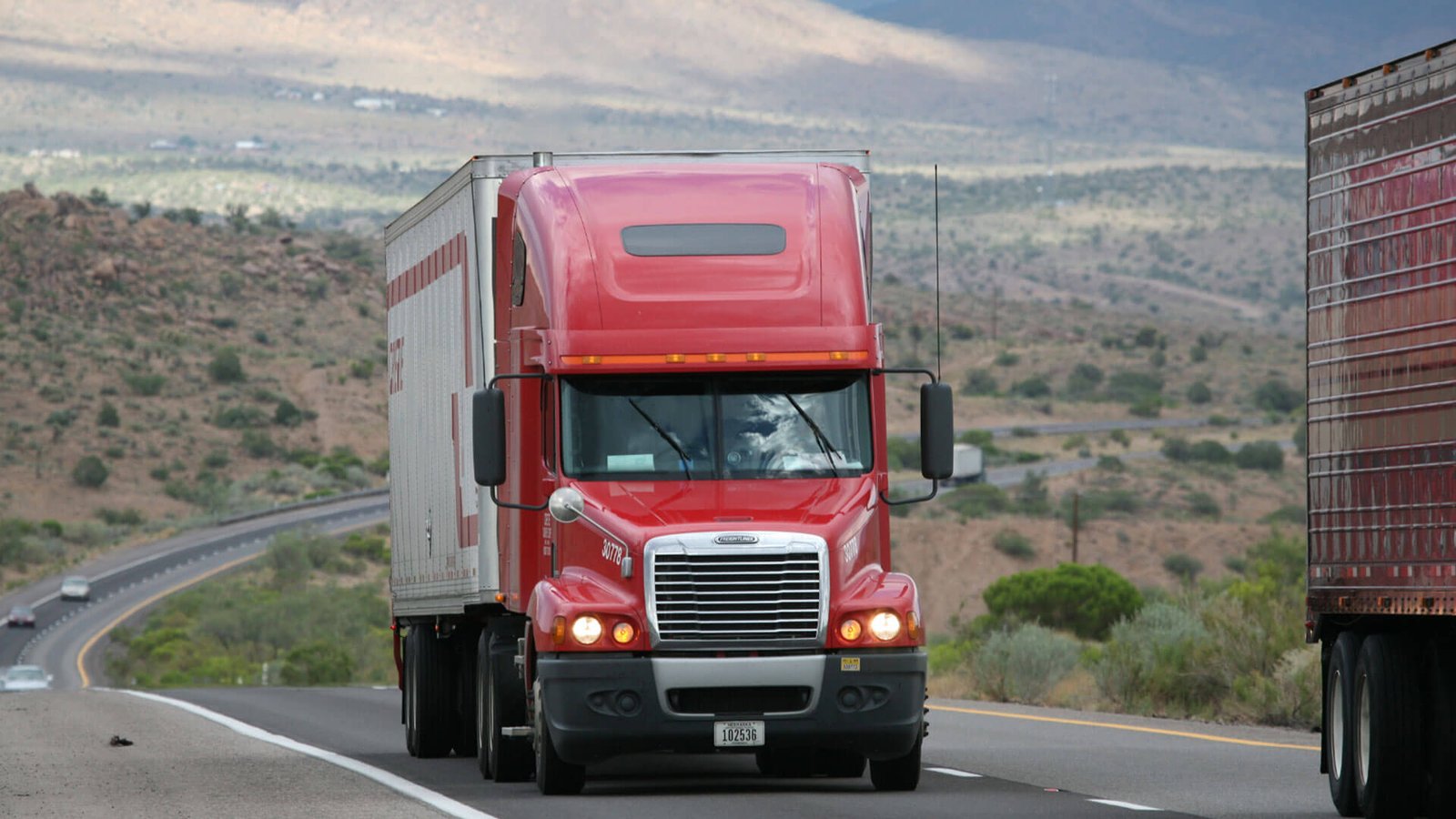
When deciding between a freight forwarder1 and a broker, it’s crucial to use a decision checklist13. Your choice should reflect factors such as cargo type, Incoterms14, delivery deadlines, customs complexity, and the level of visibility and exception handling you require.
Decision Checklist:
- Shipment stage
- Cross-border needs
- Customs complexity
- Time sensitivity
- Risk tolerance
- Internal team bandwidth
This checklist can help prevent delays and reduce unexpected costs by ensuring you choose the right logistics partner for your specific needs.
Conclusion
Understanding the differences between freight forwarder1s and freight broker2s is essential for optimizing your shipping strategy and making informed logistics decisions.
Understanding the role of a freight forwarder can help you manage international shipments more effectively, ensuring compliance and smooth delivery. ↩
Learning about freight brokers can help you optimize domestic shipping by connecting with the right carriers for your needs. ↩
Exploring how international shipments are managed can provide insights into global logistics and compliance requirements. ↩
Understanding domestic freight management can help streamline your logistics within the U.S. and reduce costs. ↩
Navigating the logistics landscape is crucial for U.S. importers to make informed decisions and optimize shipping operations. ↩
Understanding the role of brokers in inland trucking can help you coordinate domestic transportation efficiently. ↩
Learning about NVOCCs can clarify how forwarders operate and issue bills of lading for ocean freight. ↩
Exploring cross-border logistics can provide insights into handling international shipping complexities. ↩
Understanding customs clearance processes can help avoid delays and ensure compliance with international regulations. ↩
Exploring lane-based trucking rates can help you understand cost structures and budget for domestic shipping. ↩
Knowing about accessorial charges can prevent unexpected costs in your shipping budget. ↩
Understanding shipment stages can guide you in choosing the right logistics partner for each phase of your shipping process. ↩
Using a decision checklist can help you make informed choices based on your specific shipping needs and constraints. ↩
Understanding Incoterms can help you make informed decisions about shipping responsibilities and costs. ↩
Learning about compliance risk can help you mitigate potential issues and ensure smooth international operations. ↩