The journey to becoming a Non-Resident Importer (NRI)1 can be complex yet rewarding. This guide will help you navigate the process and understand your responsibilities as an NRI.
A Non-Resident Importer (NRI)1 is a business based outside of the U.S. that registers as the Importer of Record (IOR)2 for their shipments into the U.S. NRIs manage their own customs filings3, duties, and taxes, which makes sense when shipping directly to customers or distribution centers, bypassing U.S. intermediary importers.

As I share insights, remember that understanding the NRI framework is vital for effective operations. Every step can impact your overall success in U.S. markets.
Define what a Non-Resident Importer is and explain when it makes business sense compared to using a U.S. buyer as the Importer of Record?
Understanding the role of a Non-Resident Importer (NRI)1 is crucial for businesses looking to expand into the U.S. market. An NRI can facilitate smoother transactions by managing customs filings3 and duties directly. This often serves businesses better than relying on a U.S. buyer as the Importer of Record.
The key differences between NRIs and U.S. Importers of Record are highlighted below:
| Criteria | NRI | IOR | Suitable for |
|---|---|---|---|
| Legal responsibility | Full responsibility | Varies by agreement | Business wanting control |
| Customs filing | Manages directly | Handled by U.S. buyer | Businesses not wanting control |
| Duties/taxes payment | Direct payment | Paid by U.S. buyer | Cost-conscious businesses |
| Control over clearance | High | Limited | Businesses needing flexibility |
| Shipment type | Direct to customer, DC only | All types | Businesses with specific needs |
The NRI setup is beneficial for companies wanting more control over costs and logistics. It allows you to manage your shipments effectively while ensuring compliance with U.S. regulations.
Explain the legal and compliance responsibilities NRIs must accept (Importer of Record duties, recordkeeping4, audits, and product admissibility5 rules).
As a Non-Resident Importer, you take on several legal responsibilities. Understanding these duties is essential for maintaining compliance and avoiding penalties.
Key responsibilities include:
- Ensuring product admissibility5.
- Accurate classification of products.
- Paying duties and taxes6 on time.
- Maintaining records for audits.
Compliance with U.S. Customs regulations is mandatory. Failure to comply can result in significant delays or fines.
| Task | Description | Owner | Output |
|---|---|---|---|
| Product classification | Classify products accurately for duties | NRI | Correct HS codes |
| Recordkeeping | Maintain detailed records for audit purposes | NRI | Audit-ready records |
| Filing requirements (ISF) | File Importer Security Filing and entry documentation | Customs Broker | Timely filings |
| Admissibility checks | Ensure products meet all U.S. admissibility criteria | NRI | Compliance verification |
| Tariff and duty payment | Pay all applicable tariffs and duties timely | NRI | Proof of payment |
Being informed about these responsibilities helps mitigate risks associated with customs compliance.
List the exact setup steps to become a Non-Resident Importer (business registration requirements, EIN/Tax ID options, customs broker7 onboarding, and power of attorney).
Setting up as a Non-Resident Importer involves specific steps. It may seem overwhelming, but breaking them down can help simplify the process.
Here are the steps to get started:
- Register your business.
- Obtain a U.S. Employer Identification Number (EIN)8.
- Choose a U.S. customs broker7.
- File for Importer of Record status with U.S. Customs.
- Secure a Power of Attorney (POA)9 to allow your broker to handle filings.
| Step | Description | Owner | Deadline |
|---|---|---|---|
| Business registration | Register your company with U.S. authorities | NRI | Within 30 days |
| EIN acquisition | Obtain a Tax ID for U.S. tax purposes | NRI | Immediately after registration |
| POA with customs broker7 | Grant authority to your customs broker7 | NRI | Before filing IOR |
| Customs filing for IOR status | Formalize your status with U.S. Customs | Customs Broker | After POA |
| Filing ISF/entry documentation | Prepare necessary import documentation | Customs Broker | Before shipment |
By following these steps, you can establish your NRI status effectively.
Understanding the cost structure for Non-Resident Importers is essential for effective financial planning.
Here are the costs you should consider:
- Duties and taxes.
- Customs bonds.
- Brokerage fees.
- Landed cost terms.
- Common hidden fees11.

| Cost Component | Description | Example |
|---|---|---|
| Duty/tariffs | Taxes on imported goods | 5% of total shipment value |
| Taxes (federal/state) | Additional taxes may apply | 1-3% based on state |
| Broker fees | Costs charged by the customs broker7 | $200 - $500 per shipment |
| U.S. Customs bond | Required for customs clearance | $1000 bond |
| Shipping charges | Costs associated with transporting goods | $1500 average for container |
| Hidden fees | Fees for reclassification or penalties | $300 for ISF filing penalties |
Proper budgeting is critical to manage total landed costs effectively.
Provide an NRI execution workflow from supplier to delivery (shipping plan12, entry filing, customs clearance, delivery, and post-entry compliance controls13).
An effective NRI execution workflow ensures a smooth process from supplier to delivery.
Workflow steps include:
- Supplier coordination for product classification.
- Develop a shipping plan12 with accurate HS codes and duties.
- File ISF and entry documentation.
- Coordinate customs clearance with your broker.
- Manage delivery to U.S. locations.
- Implement post-entry compliance controls13.
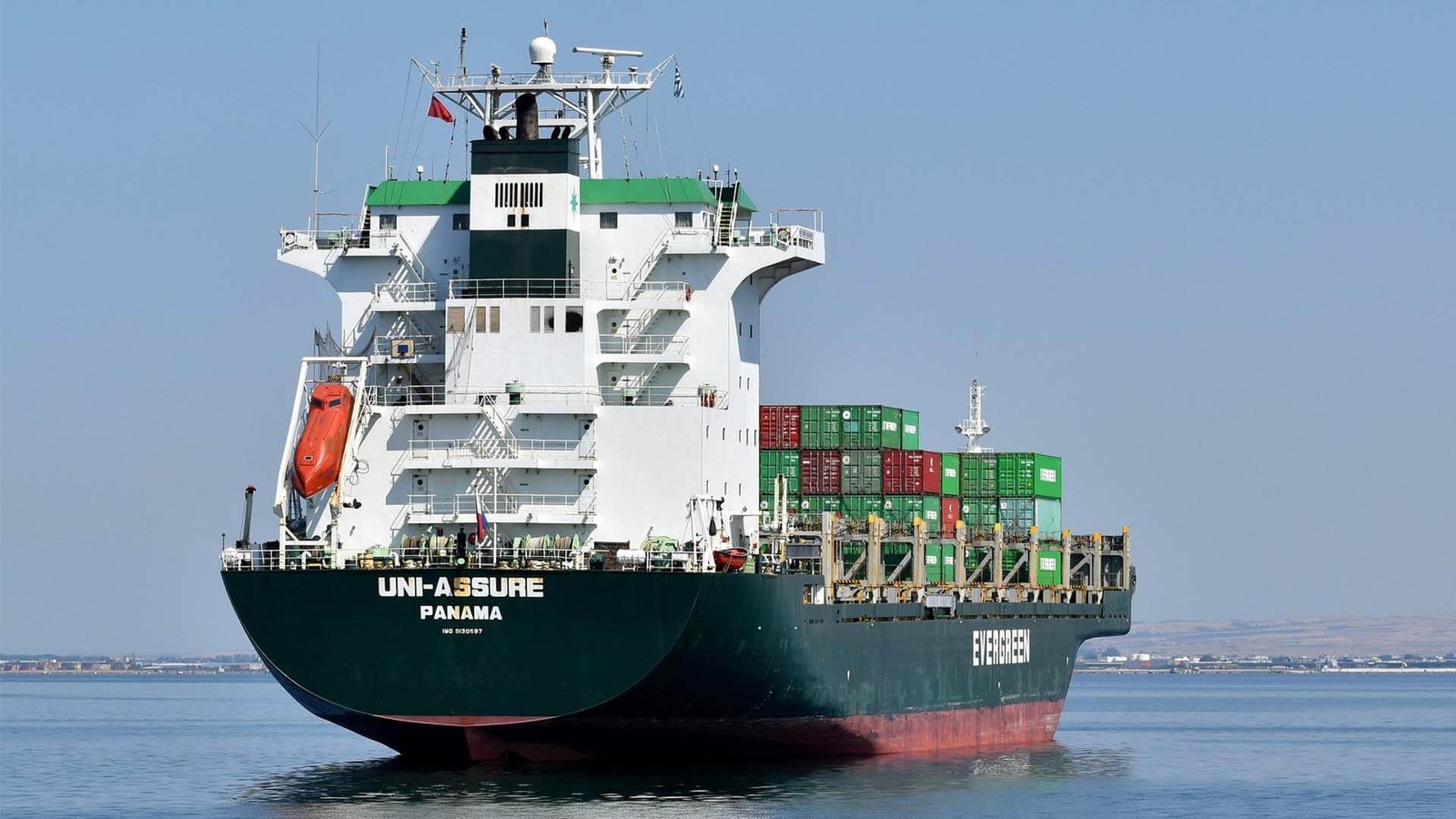
This process ensures that every step is accounted for, minimizing the risk of delays or compliance issues.
Provide a practical importer action plan to stay compliant (regulatory monitoring14, broker/forwarder SOPs, contract clauses, KPI dashboard15s, and exception escalation playbook16s).
To stay compliant as an NRI, a proactive approach is crucial.
Here's a practical action plan:
- Monitor regulatory changes actively.
- Align with customs broker7s on standard operating procedures (SOPs).
- Ensure clear contract clauses regarding obligations.
- Utilize a KPI dashboard15 to track compliance metrics.
- Develop an exception escalation playbook16 to address issues promptly.
| Action | Responsibility | Deadline | Tracking Method |
|---|---|---|---|
| Monitor regulatory updates | NRI and Customs Broker | Ongoing | Regular review sessions |
| Align with broker for SOPs | Customs Broker | Monthly | Review documented SOPs |
| Ensure contract compliance | NRI | At contract signing | Contract review checklist |
| Track customs filing deadlines | NRI | Weekly | Calendar reminders |
| Run post-entry audit process | NRI | Quarterly | Audit report documentation |
This action plan will help you maintain compliance and minimize risks associated with non-compliance.
Conclusion
Becoming a Non-Resident Importer requires careful planning and understanding of your responsibilities. By following this guide, you can navigate the complexities of U.S. import regulations successfully.
If you're ready to take the next steps, consider requesting a consultation for NRI setup, customs broker7 coordination SOP, or regulatory compliance monitoring dashboard.
Understanding the role and benefits of an NRI can help businesses decide if this setup is right for their U.S. market expansion. ↩
Knowing the duties of an IOR is crucial for businesses to ensure compliance and smooth import operations. ↩
Proper customs filings are essential for NRIs to avoid delays and penalties, making it vital to understand this process. ↩
Proper recordkeeping is vital for NRIs to prepare for audits and maintain compliance with U.S. regulations. ↩
Understanding product admissibility rules is essential for NRIs to ensure their products can enter the U.S. market legally. ↩
Understanding how duties and taxes are calculated helps NRIs budget effectively and avoid unexpected costs. ↩
Selecting the right customs broker is crucial for NRIs to ensure efficient handling of customs procedures. ↩
Obtaining an EIN is a critical step for NRIs to operate legally in the U.S., making it important to know the process. ↩
A POA allows customs brokers to act on behalf of NRIs, streamlining the import process and ensuring compliance. ↩
Understanding landed cost terms helps NRIs accurately budget for the total cost of importing goods. ↩
Being aware of hidden fees helps NRIs avoid unexpected costs and manage their budgets effectively. ↩
An effective shipping plan ensures timely delivery and compliance, which is crucial for NRI operations. ↩
Implementing compliance controls helps NRIs maintain adherence to regulations and avoid penalties. ↩
Staying updated on regulatory changes is crucial for NRIs to maintain compliance and avoid legal issues. ↩
A KPI dashboard provides NRIs with a clear view of compliance metrics, aiding in proactive management. ↩
An exception escalation playbook helps NRIs address compliance issues promptly, minimizing risks. ↩