The first step to smooth importing is understanding how customs brokers1 work. Without proper guidance, you can face delays and added costs.
Houston customs brokers2s](https://www.maersk.com/logistics-explained/customs-and-compliance/2025/01/23/customs-broker)%%%FOOTNOTE_REF_1%%% help importers clear goods through U.S. Customs and Border Protection (CBP). Their responsibilities include preparing and filing import declarations3, paying duties, ensuring proper classification and valuation, and handling any CBP holds or exams4. Importers must use a broker if goods are subject to formal entry5 or regulated by a PGA (Partner Government Agency).
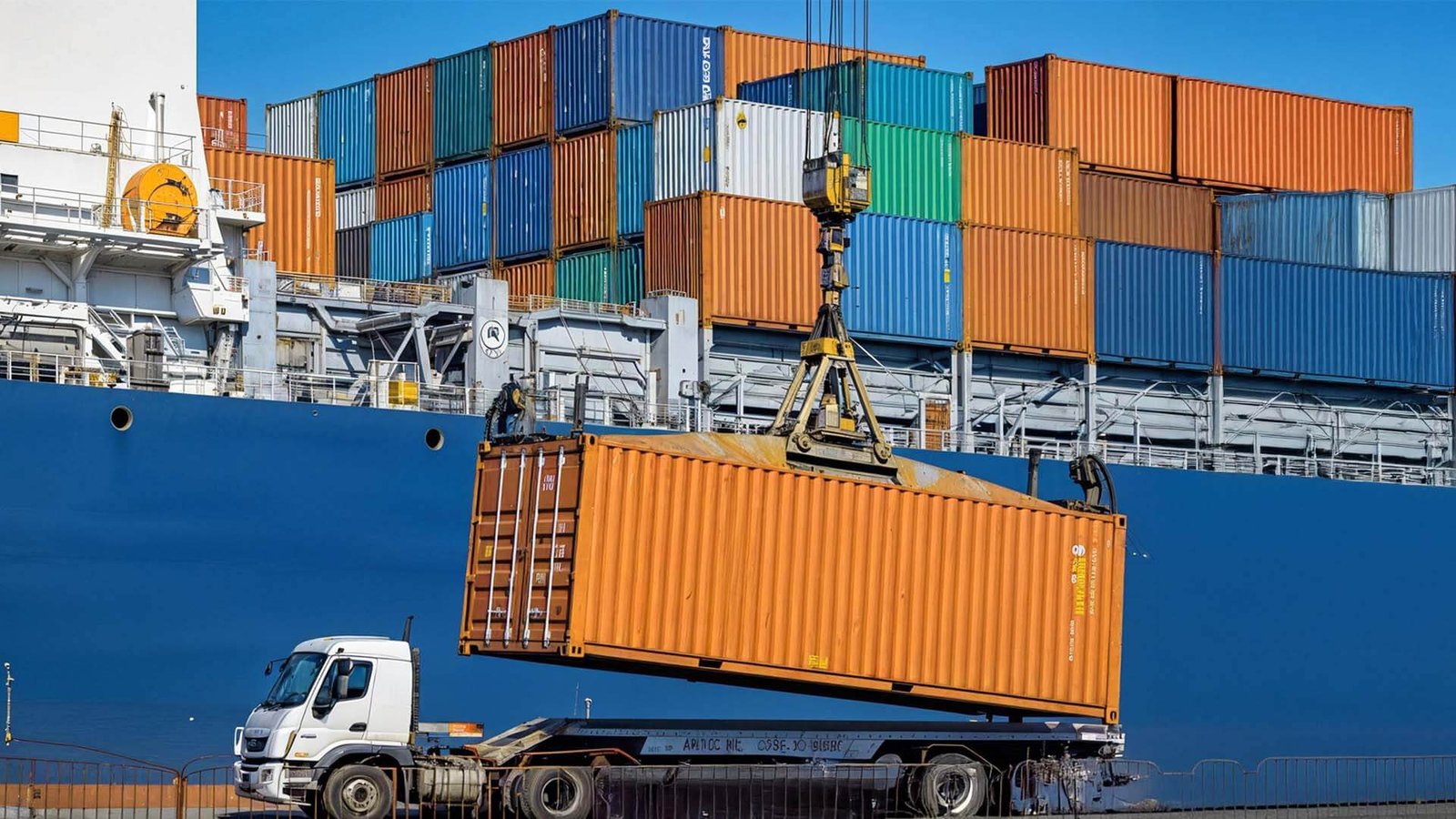
The customs process can feel overwhelming. However, knowing what to expect will help you navigate it seamlessly.
What do Houston customs broker services include and when must importers use a licensed broker to clear cargo through CBP?
Customs brokers play a crucial role in international trade. They ensure that goods comply with U.S. laws. A licensed broker is a requirement in many instances, especially for formal entries.
Customs Broker vs Freight Forwarder vs Importer of Record vs CBP:
- Customs Broker: Licensed individual or firm that helps importers and exporters comply with customs regulations.
- Freight Forwarder: Manages the transportation of goods but does not handle customs clearance.
- Importer of Record: The party responsible for ensuring imported goods comply with laws.
- CBP (Customs and Border Protection): U.S. government agency responsible for regulating and facilitating international trade.
Break down the Houston customs clearance process6 step-by-step (ISF → entry filing7 → exams/holds → release → delivery) so importers know what happens at each stage.
The Houston customs clearance process6 involves: first filing the Importer Security Filing (ISF)8, followed by entry filing7 with CBP. If CBP requires, the shipment undergoes a document review or physical exam. Once cleared, the goods are released, and delivery can proceed to the final destination. Clear documentation reduces delays and holds.
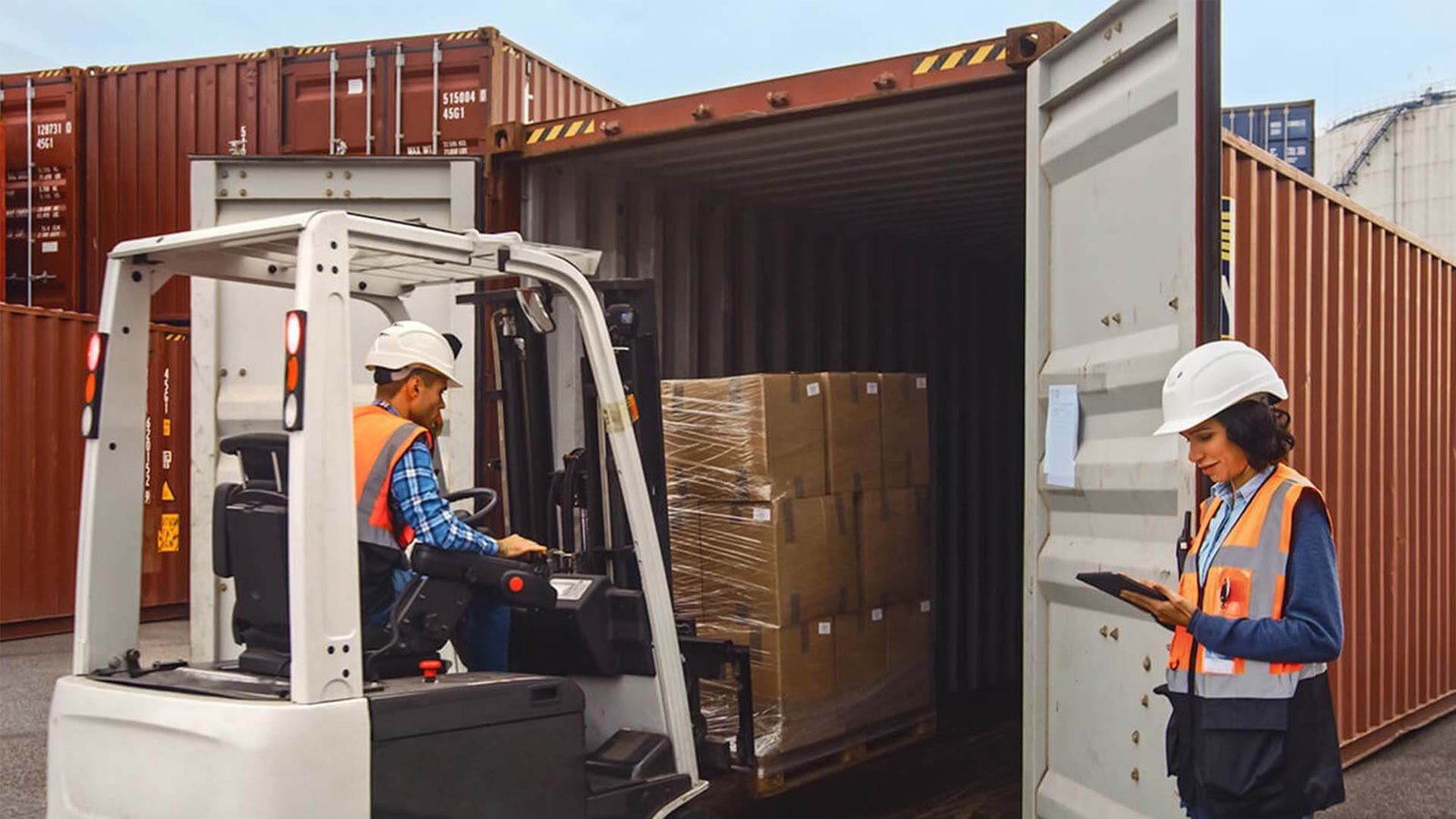
Houston CBP Clearance Process (Step-by-Step)
| Step | Action | Owner | Common Mistakes |
|---|---|---|---|
| ISF filing | Submit ISF to CBP | Importer | Late filing |
| Entry filing | File entry documents | Broker | Incomplete documents |
| Exam/hold | Undergo examination | CBP | Missed notifications |
| Release | Goods released | Broker/Carrier | Confusion on release terms |
| Delivery | Deliver to final location | Carrier | Delay in transportation |
List the top reasons Houston imports get delayed (incorrect HTS/value/origin, missing documents, PGA issues, ISF errors) and how to prevent them.
Common causes of delays in Houston customs clearance include inaccurate HTS codes9, undervaluation10, missing certificates, incorrect origin information, and non-compliance with Partner Government Agencies (PGAs). Importers can avoid these delays by ensuring accurate documentation, pre-approved certificates, and working closely with a reliable customs broker to prepare all necessary data in advance.
Top Houston Import Delay Triggers + Prevention
| Delay Trigger | Cause | Outcome | Prevention Strategy |
|---|---|---|---|
| Incorrect HTS | Wrong classification | Delays in clearance | Double-check classification codes |
| Undervaluation | Misreported value | Increased scrutiny | Use accurate valuation methods |
| Incorrect origin | Misleading documents | PGA hold11 | Verify all origin documentation |
| PGA hold11 | Missing certifications | Delays in processing | Ensure compliance with PGA rules |
| ISF late filing | Late submission | CBP penalties | File ISF on time |
| Document mismatch | Inconsistent records | Delayed processing | Maintain consistent documentation |
Best Practices Checklist
- Accurate HTS codes9
- Complete and consistent documentation
- Verify product origin and certificates
- Submit ISF and entry ahead of schedule
Houston customs broker fees13 typically include a standard brokerage fee, disbursement fees14 for duties and taxes, and possible costs for amendments or rejections. Additional charges may arise from complex classification, audits, or post-clearance corrections. Importers should clarify fee structures with brokers and prepare for potential hidden costs like storage and reclassification.
Houston Customs Broker Fee Breakdown
| Fee Type | Description | Typical Range | What Triggers It | Prevention |
|---|---|---|---|---|
| Brokerage fee | Basic service charge for clearance | $100 - $500 | Complexity of shipment | Request flat rates |
| Duties/taxes | Government fees on goods | Varies | Value of goods | Accurate valuation |
| ISF filing fee | Charge for filing ISF | $50 - $100 | Number of filings | File all at once |
| Amendment fee | Charge for changes to documents | $50 - $200 | Errors or changes | Review documents before submission |
| Complex classification | Additional charge for custom cases | $100 - $500 | Difficult products | Prepare detailed descriptions |
| Storage/demurrage | Charges for holding goods | Varies | Delays in pick-up | Timely pick up |
Budgeting Tips
- Ask brokers for a full breakdown of their pricing, confirm who covers disbursement fees14, ask for standard contracts, ensure accurate ISF filings to avoid late fees.
Provide a Houston broker selection scorecard with KPIs (clearance speed15, compliance accuracy16, communication, exam handling, and invoice transparency17).
Selecting the right customs broker in Houston involves more than price comparison. Importers should assess brokers based on clearance speed15, accuracy, customer service (communication), handling of exams/holds, and the transparency of their billing process. A strong broker also provides timely support during audits and compliance checks.
Houston Customs Broker Vetting Scorecard
| Category | What to Verify | Evidence | KPI Target |
|---|---|---|---|
| Compliance accuracy | Check past compliance records | Audit trail | 99% compliance |
| Exam handling | Response time during exams | Case study | Within 24 hours |
| Communication response time | Frequency of updates | Email records | Daily updates |
| Invoice transparency | Clarity of charges | Sample invoices | No hidden fees |
| Timeliness | Speed of clearance | Historical data | 48 hours or less |
| Post-entry support | Availability for audits | Client testimonials | 100% support |
How to Vet Brokers Checklist
- Review compliance history
- Ask for references from similar importers
- Test response times
- Ensure audit support availability
Provide a practical importer action plan to stay compliant (regulatory monitoring18, broker/forwarder SOPs, contract clauses, KPI dashboards, and exception escalation playbooks).
Importers must stay proactive by monitoring regulatory changes, aligning with brokers for SOPs, and ensuring clear contract clauses around responsibilities. Tracking broker performance via a KPI dashboard and creating an escalation playbook for exceptions ensures smoother operations and faster resolution of any issues during the clearance process.
Houston Customs Compliance Action Plan

| Action | Responsibility | Deadline | Tracking Method |
|---|---|---|---|
| Regulatory monitoring | Compliance officer | Ongoing | Regular updates |
| SOP alignment with brokers | Operations manager | Quarterly review | Document control system |
| Contract reviews | Legal team | Bi-annual | Contract management software |
| KPI tracking | Compliance team | Monthly | KPI dashboard |
| Exception escalation | Operations manager | As needed | Incident log |
Fast Clearance Checklist
- Accurate HTS code + value + origin
- Strong invoice descriptions
- Completed certificates
- Pre-alert docs
- Clear Incoterms
- Broker escalation plan
FAQ
Do I need a customs broker to import goods into Houston?
While not legally required for all shipments, using a customs broker simplifies the process and ensures compliance with regulations.
How much does customs clearance cost in Houston?
Costs vary by broker and shipment complexity but typically include brokerage fees, duties, and potential hidden charges12.
What is the role of a customs broker in clearing goods through CBP?
Customs brokers facilitate the filing of necessary documentation, ensure compliance with regulations, and help clear goods through CBP.
How do I avoid customs delays in Houston?
Ensure accurate documentation and timely filings while closely coordinating with your customs broker.
How do I choose the best customs broker in Houston?
Evaluate based on compliance history, communication effectiveness, and fee transparency to find a reliable partner.
Conclusion
Consider requesting a brokerage fee transparency review, post-clearance support audit, or broker contract and compliance SOP template. Understanding the customs clearance process6 can lead to more efficient importing.
Understanding the role of customs brokers is crucial for smooth importing and compliance with regulations. ↩
Learn how local expertise from Houston customs brokers can streamline your import process. ↩
Properly filed import declarations are essential to avoid delays and penalties in customs clearance. ↩
Knowing what to expect during CBP holds or exams can help in preparing for potential delays. ↩
Knowing when a formal entry is necessary helps in planning and compliance with customs regulations. ↩
Familiarize yourself with the customs clearance process to avoid unexpected delays and issues. ↩
Entry filing is a key step in customs clearance, and understanding it can prevent costly mistakes. ↩
Timely ISF filing is crucial to avoid penalties and ensure smooth customs clearance. ↩
Accurate HTS codes ensure correct duty payments and prevent clearance delays. ↩
Avoiding undervaluation is crucial to prevent fines and ensure compliance with customs laws. ↩
Understanding PGA holds can help in preparing the necessary documentation to avoid delays. ↩
Being aware of potential hidden charges can help in negotiating better terms with brokers. ↩
Knowing how broker fees are calculated helps in budgeting and avoiding unexpected costs. ↩
Understanding disbursement fees is important for accurate budgeting of import costs. ↩
Improving clearance speed can lead to faster delivery and reduced storage costs. ↩
High compliance accuracy reduces the risk of penalties and ensures smooth customs processing. ↩
Transparent invoicing helps in understanding costs and avoiding disputes with brokers. ↩
Staying updated with regulatory changes ensures compliance and prevents unexpected issues. ↩