Market Snapshot:
- Tariff policy changes1 lead to increased duty costs for importers.
- Importers are experiencing rising compliance risks2 and operational complexity.
- CBP is intensifying audits and enforcement actions.
- Higher demand for customs brokerage services3 is evident.
- Extended clearance times due to regulatory holds4 are becoming common.
- Importers are investing in technology to enhance compliance5.
- Tightening classification scrutiny6 is creating challenges in customs clearance7.
What Matters Most:
Issue: Rising Tariff Rates
Impact: Increased landed costs and operational complexity
Who is affected: U.S. importers relying on customs brokers
What to do: Implement tighter classification governance8 and documentation controls.
Issue: CBP Operational Changes
Impact: Extended clearance timelines and increased scrutiny
Who is affected: Customs brokers and their clients
What to do: Adjust standard operating procedures (SOPs) to accommodate new entry rules.
Issue: PGA Compliance Risks
Impact: More frequent holds and inspections
Who is affected: Importers of regulated goods
What to do: Enhance documentation readiness and knowledge of regulatory requirements9.
In One Sentence: The quarter is marked by increased costs and complexities for U.S. importers, driven by tariff changes and intensified regulatory scrutiny.
Key tariff and trade policy changes impacting U.S. importers this quarter (and why broker demand and costs are rising)?
Tariff and trade policy changes increase importer risk by raising duty exposure10, tightening classification scrutiny6, and triggering more post-entry corrections. As landed costs become less predictable, importers rely more on brokers for compliant classification, documentation validation, and audit defense11. This higher risk environment increases service demand and operational complexity across entry filing.
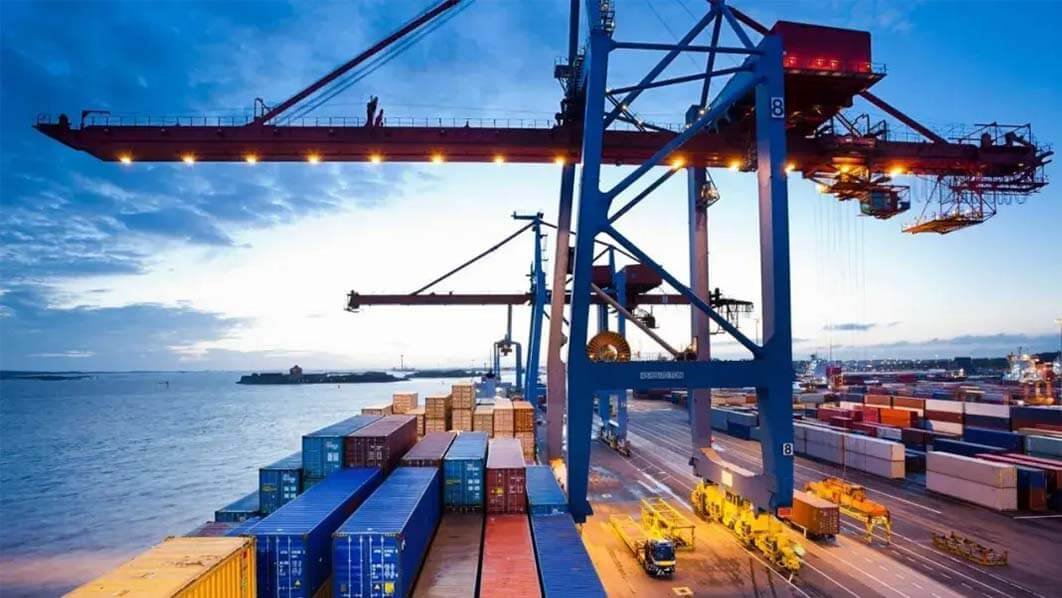
Tariff volatility significantly alters importer behavior. When tariffs fluctuate, importers face uncertainty regarding landed costs, leading to increased reliance on customs brokers. Classification and valuation risks heighten under this pressure, as importers must ensure accuracy to avoid costly penalties. Brokers encounter more complex entry scenarios, requiring detailed inquiries and validations.
| Change type | Impact on importer | Risk level | Broker workload impact | Recommended control |
|---|---|---|---|---|
| New tariff exposure | Higher duties on imports | High | Increased classification checks | Regular tariff reviews |
| Increased enforcement / audits | More scrutiny on entries | High | Elevated audit responses | Prepare for potential audits |
| Country-of-origin sensitivity | Compliance pressure | Medium | Enhanced documentation needs | Verify COO documentation |
| Antidumping/CVD watch areas | Risk of penalties | High | Additional research needed | Monitor relevant regulations |
The most important CBP operational and enforcement updates brokers must prepare for (ACE/entry rules, permits, audits, targeting)?
CBP operational updates often affect how entries are filed, reviewed, and targeted—impacting clearance timelines and compliance exposure. Brokers must monitor changes in ACE messaging, entry data validation, and enforcement priorities that increase requests for information, exams, and post-entry reviews. Importers should adjust SOPs to reduce errors and improve release predictability.
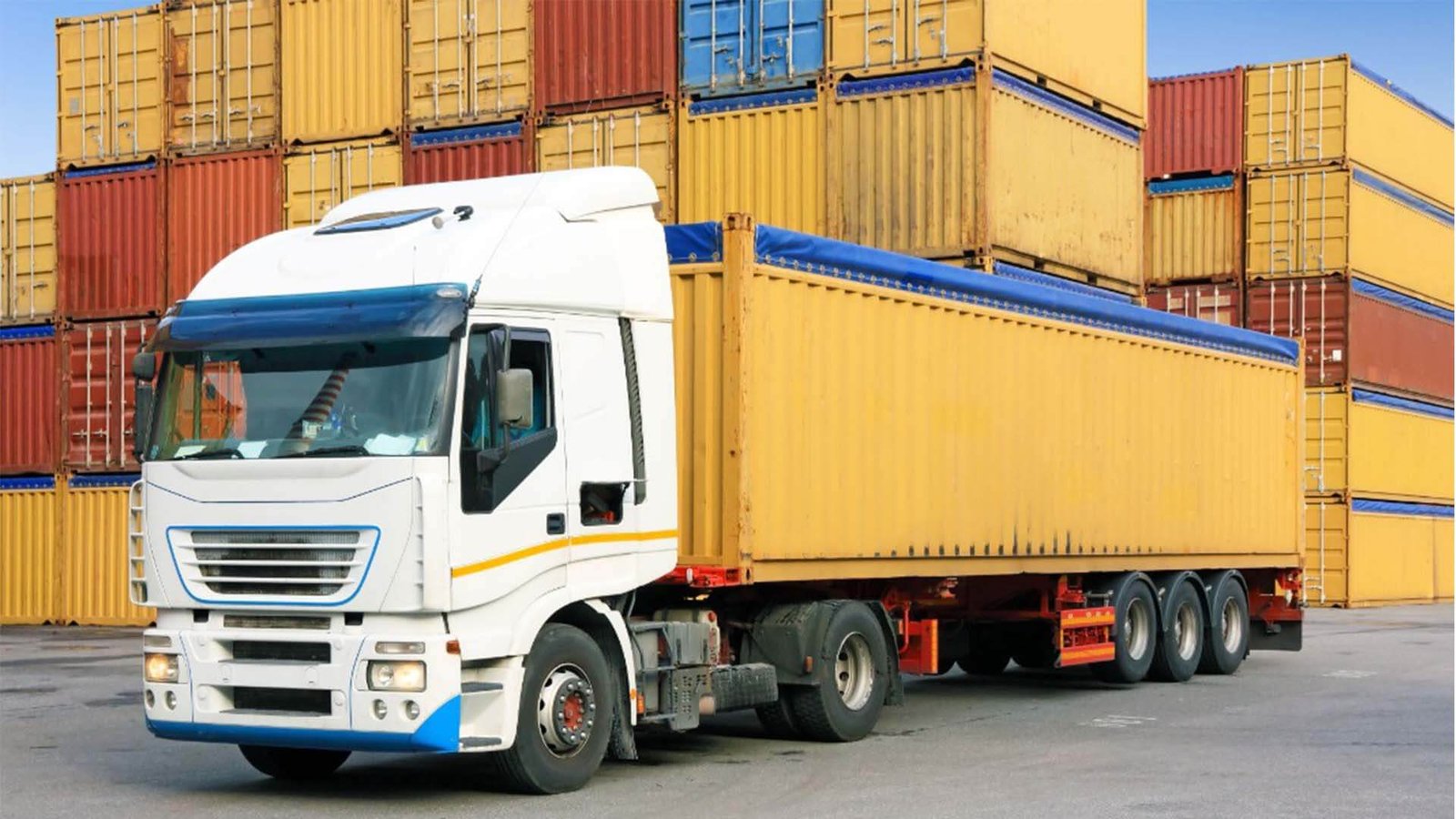
CBP's focus on risk-based targeting means brokers need to prioritize data quality12 in entry submissions. Accurate HTS classifications, proper valuation, and correct COO information are crucial to preventing holds and audits. Importers should implement compliance controls to mitigate operational risks.
| Update area | What changed | Who is impacted | Operational risk | Broker + importer action |
|---|---|---|---|---|
| Entry filing data validation | New data accuracy requirements | Brokers and importers | Increased chances of entry rejections | Enhance data validation procedures |
| Intensified targeting for certain commodities | Shift in enforcement priorities | Importers dealing with specific goods | Higher likelihood of audits and holds | Regularly update risk management plans |
| Increased audits / compliance inquiries | Stricter scrutiny of past entries | All importers | Potential penalties for non-compliance | Ensure comprehensive audit readiness |
| ACE communication changes | Updated protocols for queries | Brokers on the front line | Miscommunication can lead to delays | Train teams on new ACE messaging |
PGA compliance13 risk trends (FDA/USDA/CPSC/TSCA/Lacey) that are driving holds, exams, and longer clearance cycles?
Regulated imports face higher delay risk due to Partner Government Agency (PGA) reviews, missing data, and incomplete compliance documentation14. FDA-regulated products, wood items requiring Lacey Act data, chemicals under TSCA, and consumer products with safety compliance frequently trigger holds. Brokers reduce delays through early screening, correct PGA flags, and document readiness.

Some categories of goods are more prone to customs delays due to stringent regulatory requirements9. Importers must prioritize compliance documentation14 to prevent holds. A proactive approach to understanding PGA regulations can mitigate the risk of delays and ensure smoother customs processes.
| Agency | Hold trigger | What CBP/PGA requests | Fast fix | Prevention SOP |
|---|---|---|---|---|
| FDA | Missing prior notice | Additional documentation | Submit prior notice ASAP | Train staff on FDA requirements |
| USDA | Missing permits | Permits for regulated goods | Provide permits promptly | Maintain updated permit records |
| CPSC | Safety compliance failure | Safety testing results | Conduct tests in advance | Regularly review product compliance |
| TSCA | Missing chemical data | Full chemical disclosure | Submit data ASAP | Ensure comprehensive documentation |
How importers are adapting their supply chains to reduce duty exposure10 (tariff engineering15, routing, bonded strategies16, and valuation pressure)?
Importers reduce duty exposure10 by improving classification governance8, confirming origin and qualification rules, using bonded strategies16 where appropriate, and strengthening valuation accuracy. As tariff pressure rises, CBP scrutiny often increases, making “quick fixes” risky. Brokers add value by supporting compliant tariff mitigation planning, documentation controls, and audit-ready import records.

Legal strategies for reducing duty exposure10 include tariff engineering15 and the use of bonded warehouses. Importers are increasingly evaluating their supply chains to optimize routes and minimize costs associated with duties. Understanding CBP regulations is essential to avoid penalties and ensure compliance.
| Strategy | When to use | Compliance complexity | Risk | Operational requirements | Broker support role |
|---|---|---|---|---|---|
| Classification governance | When classifying products | Medium | High | Detailed classification records | Assist with classification audits |
| COO controls | For origin-sensitive goods | Medium | Medium | Documentation of sourcing | Verify COO documentation |
| Bonded/FTZ | When holding goods | Low | Low | Coordination with bonded facilities | Facilitate bonded arrangements |
| Supplier documentation upgrades | For compliance assurance | Medium | Medium | Regular updates from suppliers | Ensure document accuracy |
Technology and AI shifts in brokerage and forwarding (automation, classification accuracy, data quality12, and compliance visibility)?
Technology is changing brokerage and forwarding through automation of repetitive tasks, better document capture, and improved entry-data validation. AI can assist with classification suggestions and anomaly detection, but compliance responsibility remains human-accountable. Importers benefit most when brokers combine technology with strong SOPs—reducing errors, improving visibility, and supporting audit readiness.
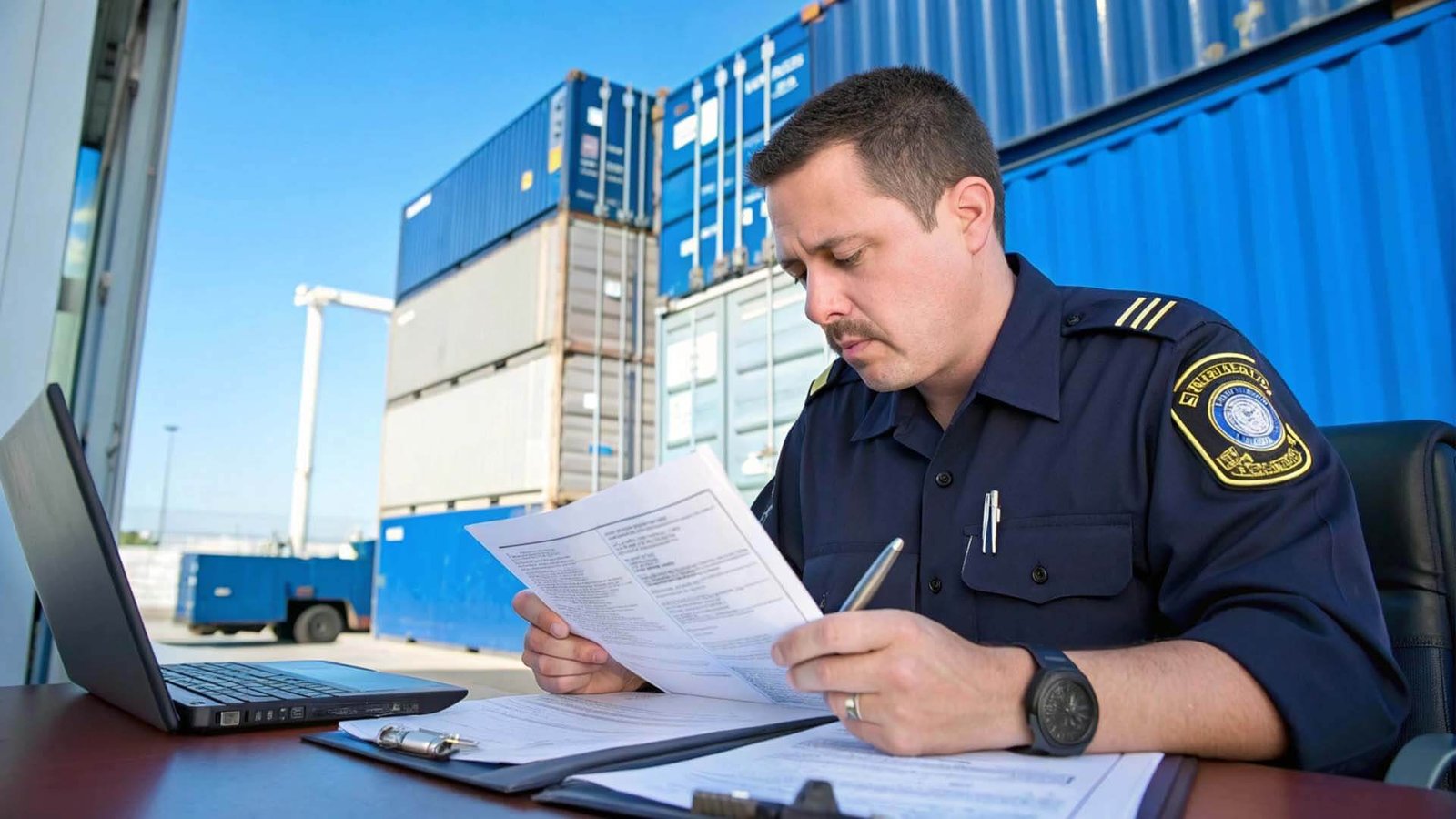
The integration of technology in customs brokerage enhances operational workflows and accuracy. While AI aids in classification and data handling, human oversight is essential for compliance accountability. Importers should expect brokers to leverage technology effectively while maintaining compliance integrity.
| Capability | What it solves | Impact on importer | Risk if misused | Best practice |
|---|---|---|---|---|
| Document intake automation | Streamlines data collection | Faster processing | Data inaccuracies | Regular audits of automated systems |
| Validation automation | Ensures accuracy in entries | Reduces delays | Over-reliance on tech | Human checks after automation |
| Compliance alerts | Notifies of regulatory changes | Improves preparedness | Missed compliance | Keep alerts updated regularly |
Importer action plan for the next 30–90 days (documentation controls, classification governance8, broker SOPs, and exam contingencies)?
Importers can reduce delays and penalty exposure by tightening documentation controls, formalizing HTS classification governance8, improving valuation consistency, and aligning SOPs with their broker and forwarder. A practical 30–90 day plan should include compliance screening before shipment, data quality12 validation, and a contingency process for exams to prevent costly storage and service disruption.
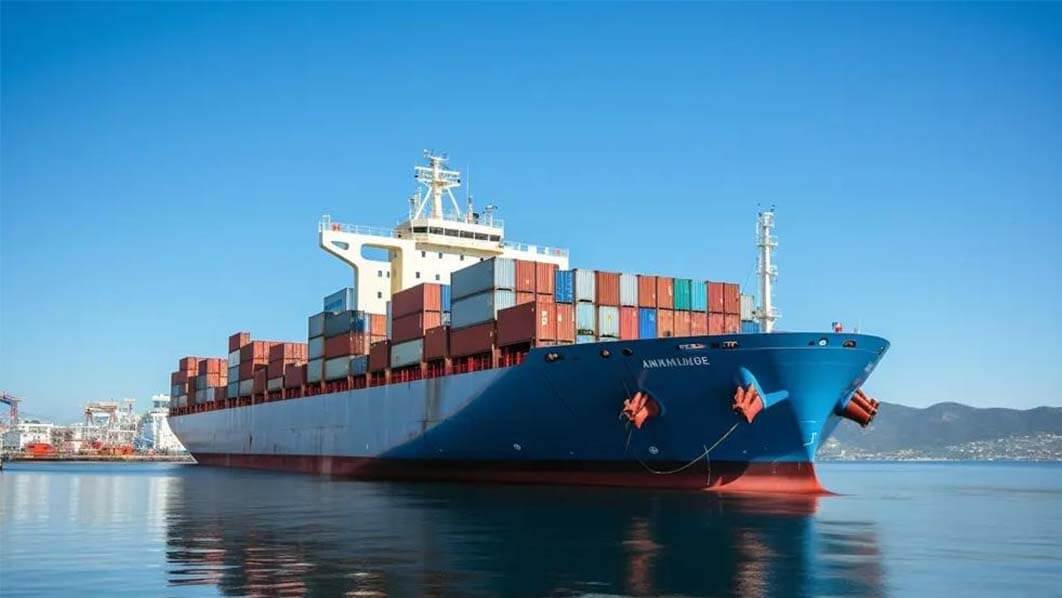
Setting a clear action plan for the next few months is vital for compliance and operational efficiency. By focusing on documentation, classification, and contingency planning, importers can enhance their readiness for CBP enforcement changes and minimize delays.
| Timeline | Actions | Owner | Expected benefit | KPI to track |
|---|---|---|---|---|
| 30 days | Tighten documentation controls | Importer | Reduced delays | Number of holds |
| 60 days | Improve classification governance8 | Broker | Enhanced accuracy | Classification error rate |
| 90 days | Review governance structures | Both parties | Audit readiness | Audit outcomes |
What U.S. Importers Are Asking Brokers Right Now
- How can we better prepare for tariff audits?
- What are the latest CBP enforcement trends?
- How do we improve our classification accuracy?
- What technology solutions are available for compliance?
- How can we mitigate delays in customs clearance7?
- What documentation is essential for FDA compliance?
- How can we reduce costs associated with bonded strategies16?
- What contingency plans should we implement for exams?
Top 10 Import Compliance Mistakes Causing Delays
- Incomplete documentation
- Incorrect HTS classification
- Missing COO information
- Lack of compliance with PGA regulations
- Poor data quality12 in entry filings
- Failure to respond to CBP inquiries promptly
- Missing or incorrect FDA prior notices
- Insufficient knowledge of antidumping regulations
- Inaccurate or incomplete valuation
- Not keeping updated on tariff changes
Importer Risk Checklist
- Documents: Verify completeness and accuracy.
- Classification & valuation: Ensure compliance with HTS and valuation guidelines.
- COO: Confirm sourcing documentation is in order.
- PGA compliance13: Review requirements for regulated goods.
- Bond & entry type: Assess appropriateness of bonded strategies16.
- ISF/ocean controls: Implement proper filing procedures and timing.
- Exam contingency plan: Prepare SOPs for potential holds and exams.
Disclaimer: This update is informational. Requirements vary by commodity and shipment.
Understanding tariff policy changes is crucial for importers to navigate increased costs and compliance risks. ↩
Exploring strategies to manage compliance risks can help importers avoid costly penalties and delays. ↩
Customs brokerage services can streamline the import process and ensure compliance with regulations. ↩
Understanding regulatory holds is vital for importers to anticipate and manage potential delays. ↩
Leveraging technology can significantly improve compliance and operational efficiency for importers. ↩
Understanding classification scrutiny is essential for importers to ensure accurate duty payments and avoid penalties. ↩
Understanding the factors affecting customs clearance can help importers streamline their processes. ↩
Effective classification governance is essential for accurate duty payments and compliance. ↩
Staying updated on regulatory requirements is crucial for importers to maintain compliance. ↩
Exploring methods to reduce duty exposure can lead to significant cost savings for importers. ↩
Preparing for audit defense can help importers safeguard against penalties and ensure compliance. ↩
Improving data quality is key to reducing errors and enhancing compliance in the import process. ↩
Knowing the requirements for PGA compliance is crucial for importers of regulated goods to avoid holds. ↩
Ensuring proper compliance documentation is critical to avoid delays and penalties. ↩
Tariff engineering can be a strategic approach for importers to minimize duty costs. ↩
Bonded strategies can provide importers with flexibility and cost savings in their supply chain. ↩