The first paragraph uses the PAS formula to grab the reader's attention. Navigating U.S. customs as a foreign company can feel daunting. However, understanding Non-Resident Importer (NRI) services1 can simplify the process and reduce risks.
A Non-Resident Importer (NRI) acts as the Importer of Record2 for goods entering the U.S., overseeing customs accuracy, duties, and compliance. NRI structures are crucial for China to USA shipments3, as they redefine clearance and data control.
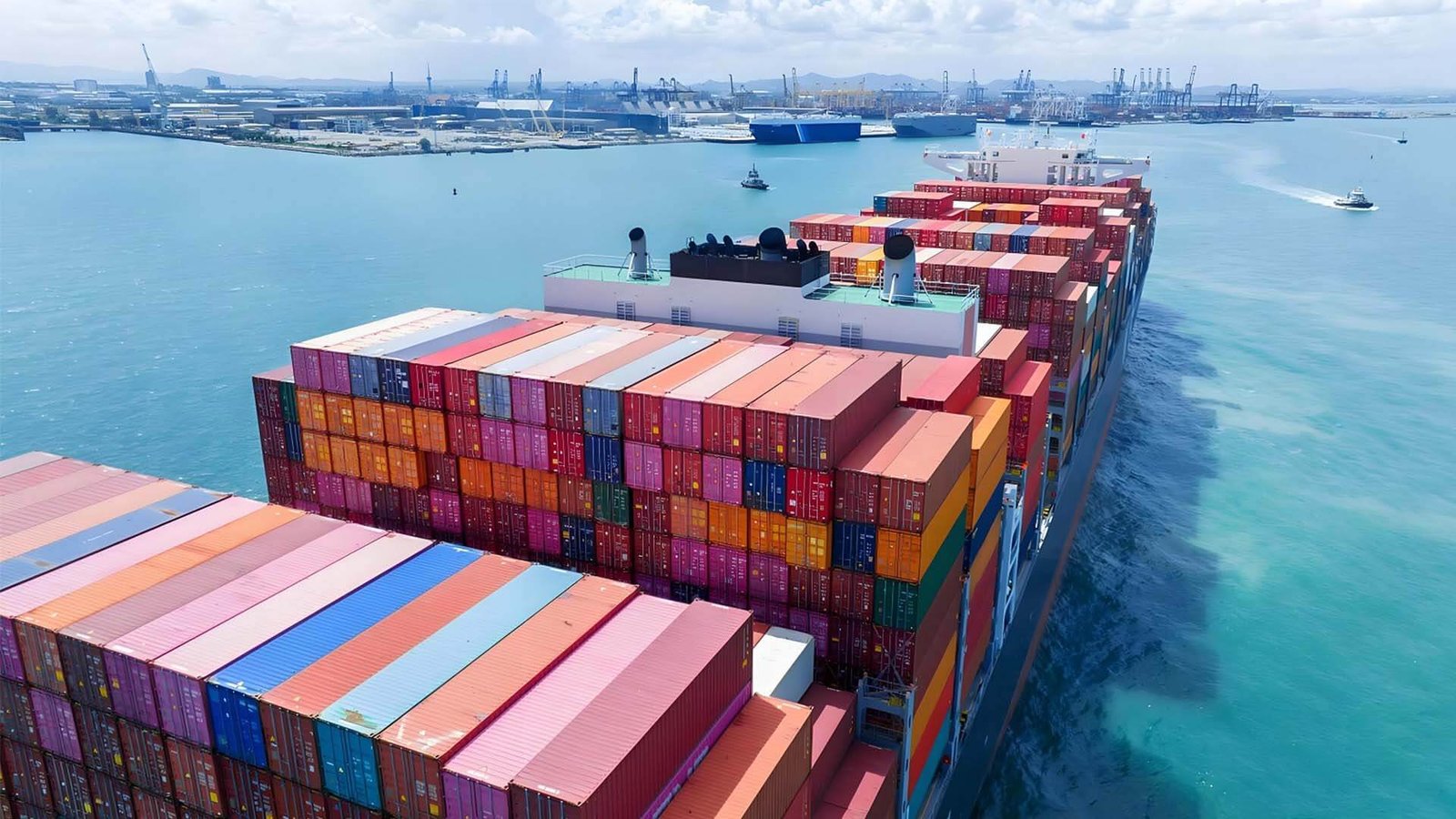
Establishing an NRI framework is essential for overseas companies shipping to the U.S. This structure can change how you manage logistics, compliance, and customer satisfaction. Let's dive deeper into the details of NRI services.
What “Non-Resident Importer” means for China→USA shipments (and how it changes the Importer of Record2 and compliance responsibility)?
The Non-Resident Importer (NRI) model allows foreign companies to take charge as the Importer of Record2 (IOR) in the U.S. This pivotal role involves managing customs compliance4, which can significantly change the dynamics of shipping from China to the USA.
An NRI is a foreign entity responsible for importing goods into the U.S., effectively acting as the direct link to Customs and Border Protection (CBP)5. This role includes ensuring that all compliance measures are met, which is vital for smooth operations.
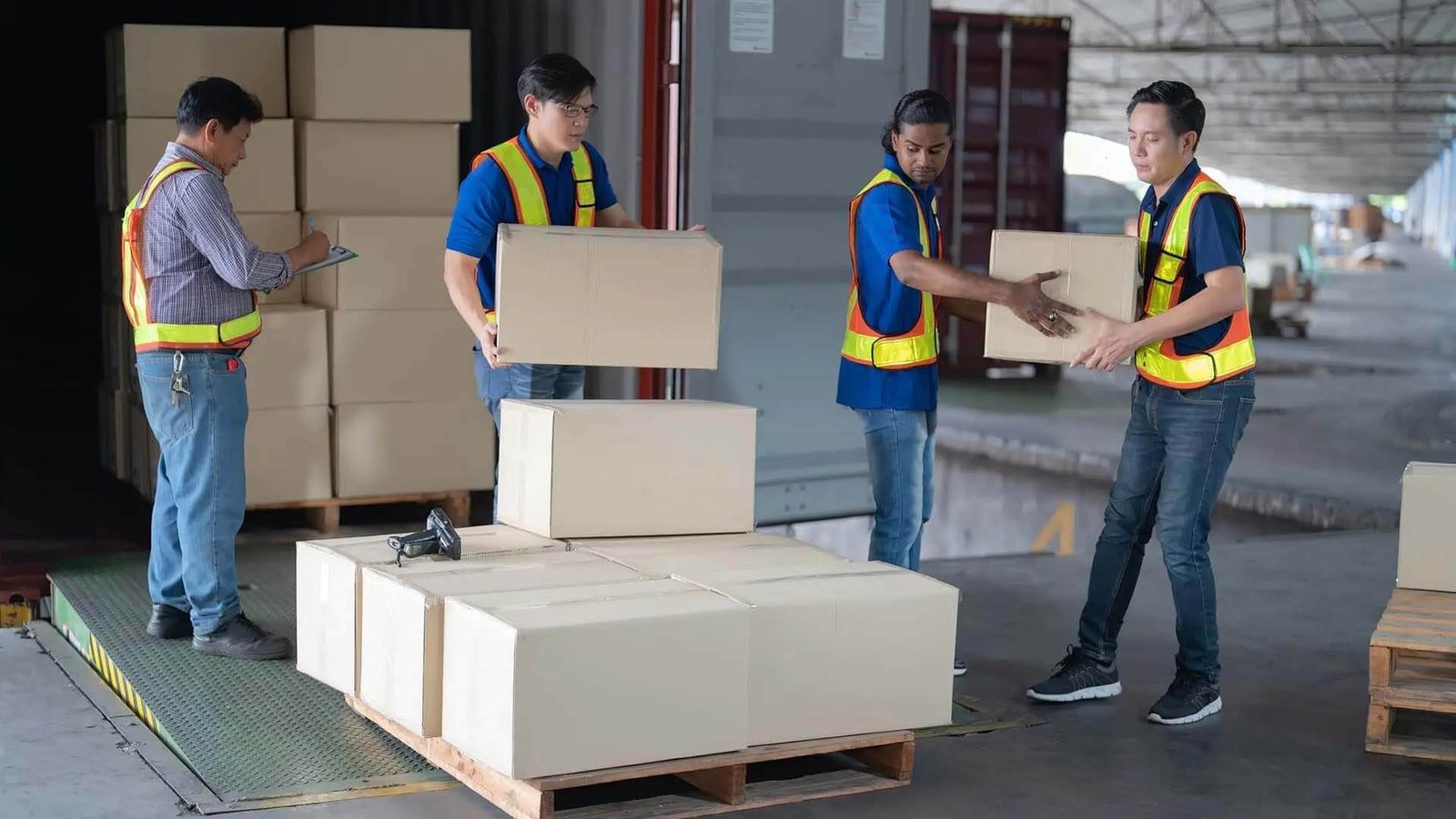
In choosing the NRI structure, companies gain enhanced control over the shipping process and compliance obligations. Unlike traditional arrangements, where a U.S. consignee may serve as the IOR, having an NRI allows for a more streamlined experience in managing customs filings and duties.
The NRI model does not eliminate the compliance responsibilities set by CBP. Thus, accuracy in reporting and recordkeeping is critical. Below is a table outlining the roles and responsibilities associated with the NRI model:
| Party | What they control | CBP responsibility | Common risk | Best practice |
|---|---|---|---|---|
| Seller/Exporter | Product shipment | Accurate documentation and duties | Incorrect documentation | Ensure clarity in all paperwork |
| NRI/Foreign IOR | Customs entry | Compliance and accuracy of import data | Regulatory penalties | Regular audits and reviews |
| Customs broker | Entry filing | Timely communication with CBP | Filing errors | Maintain a checklist for submissions |
| Freight forwarder | Shipping logistics | Coordination of transport | Delays in transport | Monitor shipping timelines |
| U.S. consignee/receiver | Receipt of goods | Verification of shipment | Missing documentation | Immediate communication on arrivals |
How to set up an NRI/foreign IOR correctly (EIN/IRS number6, customs bond7, POA, and broker onboarding requirements)?
Setting up as an NRI or foreign IOR in the U.S. involves several steps to ensure compliance with U.S. customs regulations.
To operate successfully as an NRI, companies must establish a compliant importer profile, which includes obtaining an EIN/IRS number6, an active customs bond7, and a Power of Attorney (POA)8 with a customs broker9. A well-organized setup is vital to avoid delays and penalties.
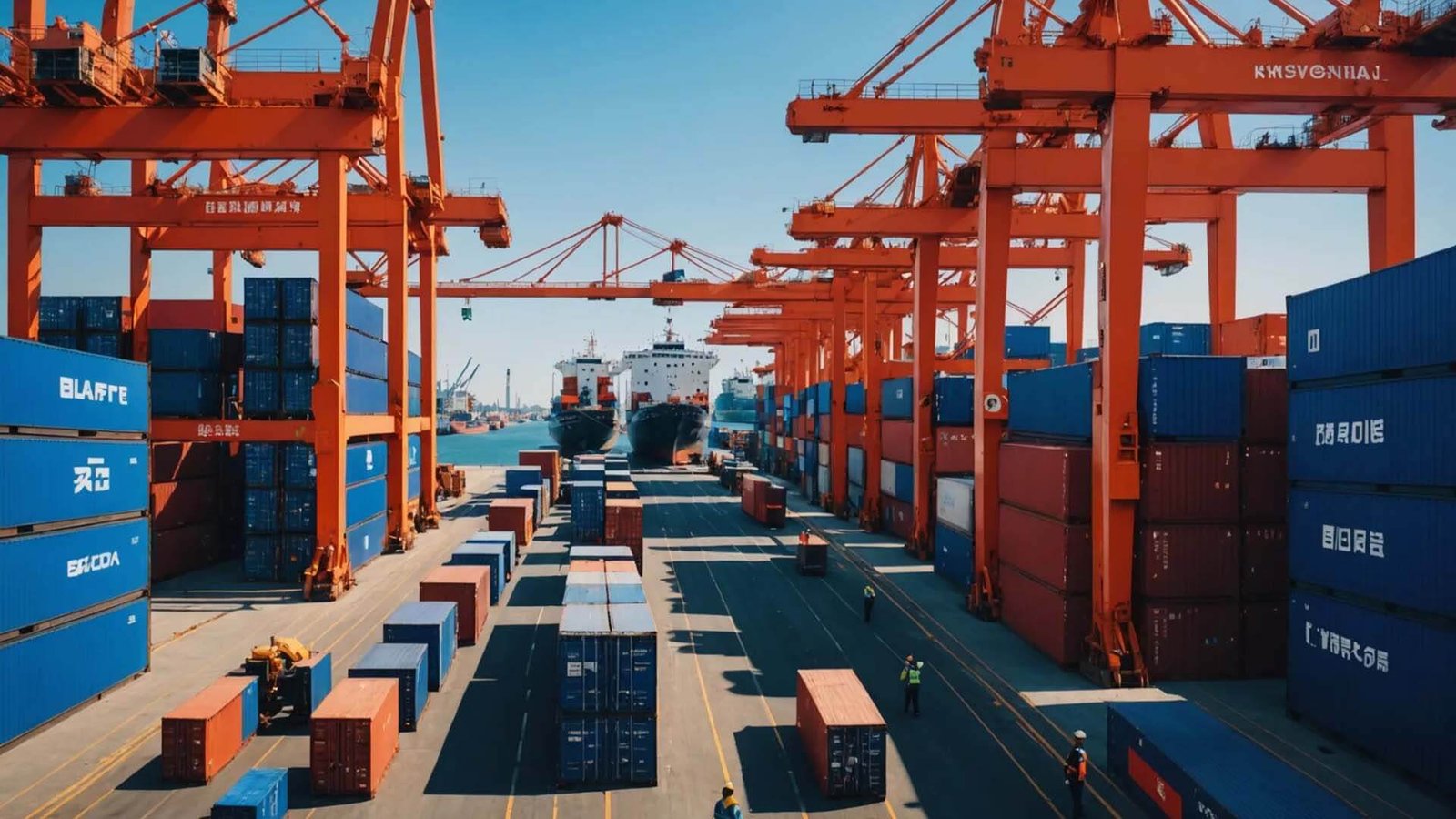
Here’s a concise step-by-step guide to setting up your NRI structure:
- Collect Entity Details: Gather the legal name, address, and authorized signatories for your company.
- EIN/IRS Number: This is essential for tax purposes and customs filings. Apply for this with the IRS.
- Customs Bond: Choose between a continuous bond or a single-entry bond based on shipment frequency and value.
- Power of Attorney (POA)8: This document allows your customs broker9 to act on your behalf.
- Broker Onboarding: Select a customs broker9 familiar with NRI practices and ensure they have the required documentation.
- Data Standard Operating Procedures (SOP): Establish clear guidelines for providing HTS codes, invoice details, COO, and ISF information.
Here’s a checklist to ensure you meet all requirements:
| Requirement | Who provides | Why needed | Common failure | How to fix |
|---|---|---|---|---|
| EIN/IRS number6 | NRI | Tax identification for U.S. filings | Application delay | Follow IRS guidelines closely |
| Customs bond | NRI | Financial guarantee for duties | Insufficient coverage | Assess shipment volume |
| POA | Customs broker | Authority for customs representation | Missing signatures | Double-check all documents |
| Data SOP | NRI | Consistency in data submission | Inaccurate or incomplete info | Create a detailed SOP |
Step-by-step workflow for China→USA clearance under NRI (ISF filing10, entry filing, duty payment, release, and delivery)?
The customs clearance process for an NRI is intricate, requiring careful coordination at each stage.
For China to USA clearance under NRI, the process includes ISF filing10, entry filing, duty payment, and final delivery. Each step must be managed meticulously to ensure compliance and minimize delays.
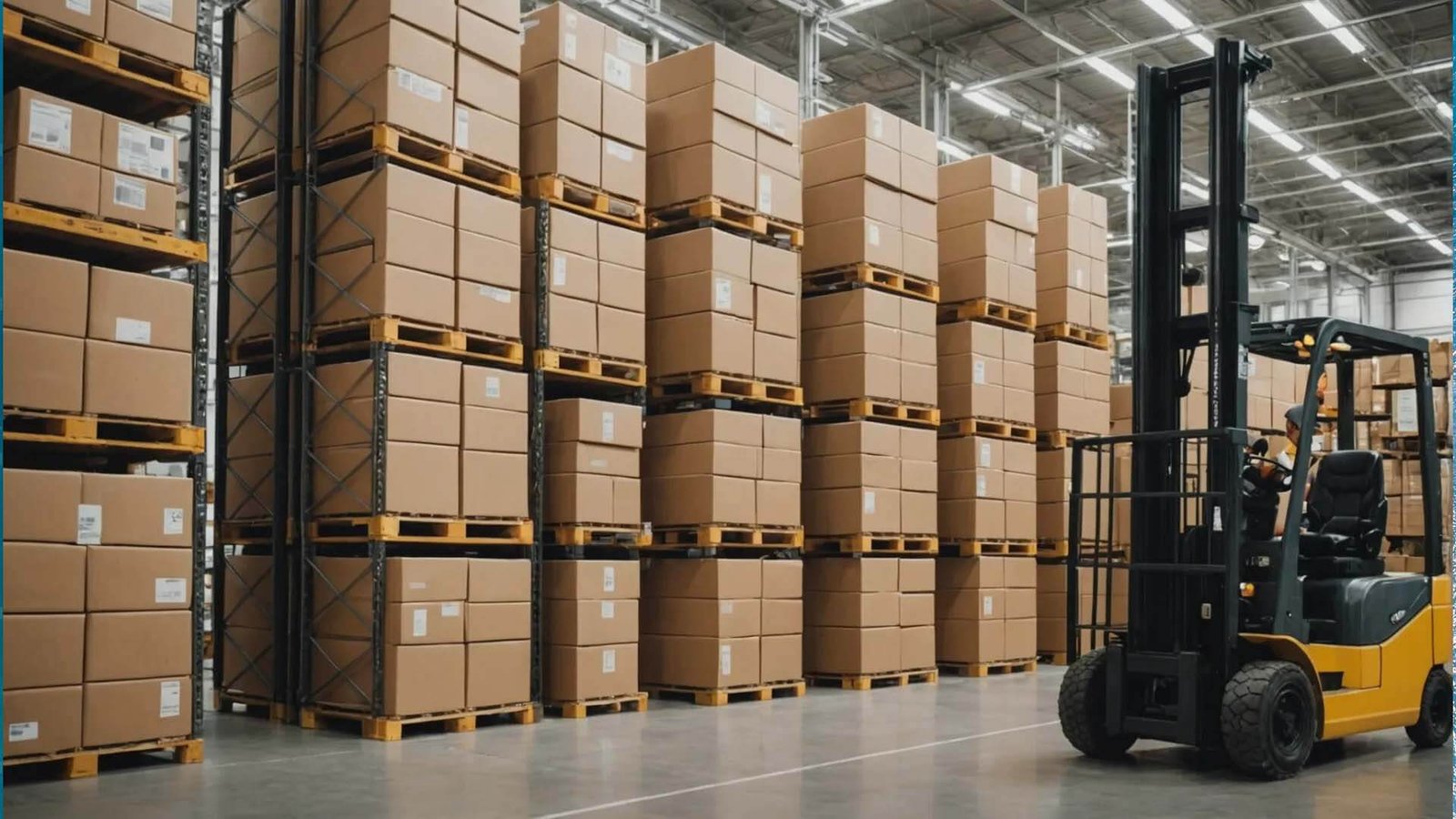
Here’s a simplified workflow for NRI clearance:
- Supplier in China: Prepares goods for shipment.
- Booking with Forwarder: Engages a freight forwarder to manage logistics.
- ISF Data Collection: Collects relevant information for ISF filing10.
- ISF Filing: Submits ISF before vessel departure.
- Arrival Notice: Receives notification upon the vessel’s arrival.
- Entry Filing: Submits necessary entry documents, including HTS and COO.
- CBP/PGA Review: Customs reviews the entry for compliance.
- Exam: If selected, goods may undergo examination.
- Duties/Fees Paid: Duty payment is processed.
- Release: CBP releases the cargo.
- Drayage/Pickup: Arranges for local transportation.
- Delivery: Final delivery to warehouse, customer, or FBA.
Here’s a table summarizing the clearance milestones and potential delay points:
| Stage | Timing | Common delay | Prevention control | Owner (NRI/Broker/Forwarder) |
|---|---|---|---|---|
| Booking with forwarder | Before shipment | Miscommunication | Clear communication with all parties | NRI |
| ISF filing10 | 24 hours before sailing | Late submission | Regular checks before deadlines | Broker |
| Entry filing | At arrival | Incomplete documents | Prepare all documents in advance | Broker |
| Exam | As per CBP selection | Inspection delay | Ensure accurate declarations to minimize exams | Broker |
| Delivery | After release | Traffic delays | Monitor logistics for timely delivery | Forwarder |
How tariffs and duties really work for China imports under NRI (HTS codes, Section 301 exposure, MPF/HMF, and landed cost control)?
When importing from China, understanding tariffs and duties is crucial.
Tariffs and duties are calculated based on HTS classifications and can be influenced by additional tariffs like Section 301. Importers need to budget for various fees to avoid surprises and ensure compliance.

Here’s how to navigate these complexities:
- HTS Classification: The Harmonized Tariff Schedule (HTS) determines the duty rate applicable to your goods.
- Section 301 Tariffs: Some goods from China may be subjected to additional tariffs under Section 301. Awareness of this exposure is vital.
- CBP Fees: Importers must also account for Merchandise Processing Fees (MPF) and Harbor Maintenance Fees (HMF).
- Landed Cost Transparency: Understanding the total landed cost, including duties, shipping, and other fees, is essential for pricing and profitability.
Below is a tariff and duty cost matrix for better clarity:
| Cost item | Applies when | Who pays under NRI | Common mistake | Control method |
|---|---|---|---|---|
| Base duty | Based on HTS classification | NRI | Incorrect HTS classification | Regular audits of classifications |
| Section 301 (if applicable) | Certain goods from China | NRI | Ignoring additional tariffs | Confirm with customs broker |
| MPF | All entries at CBP | NRI | Underestimating total cost | Budget per shipment |
| HMF | All entries at port | NRI | Overlooking harbor fees | Include in landed cost calculation |
| Broker filing fee | Charged by broker | NRI | Not budgeting for service | Get clear quotes from brokers |
| Exam fees | When CBP selects goods for inspection | NRI | Not preparing for possible exams | Pre-emptive documentation checks |
| Storage / demurrage / detention | Delays beyond free time | NRI | Underestimating time requirements | Plan for potential delays |
Top compliance risks for non-resident importers (valuation errors, wrong COO, misclassification, PGA holds, and audit exposure)?
Non-resident importers must navigate several compliance risks to avoid significant penalties.
The most pressing risks include valuation errors, incorrect country of origin declarations, and misclassifications. Strong compliance measures are necessary to mitigate these risks and protect against audits.
Here's a framework to help manage compliance risks:
| Risk | Trigger | Impact | Prevention SOP | Broker/Forwarder support |
|---|---|---|---|---|
| Invoice mismatch | Incorrect documentation | Delays and penalties | Double-check all invoices | Broker to review documentation |
| Under-declared value | Misunderstanding valuation | CBP fines and audits | Accurate valuation practices | Broker to assist in valuations |
| Incorrect Incoterms | Miscommunication | Financial liability | Clear communication on terms | Forwarder to confirm details |
| Wrong COO | Insufficient documentation | Compliance penalties | Ensure correct COO evidence | Broker to verify COO |
| Missing PGA documentation | Regulated goods | Holds by CBP | Early identification of regulated items | Broker to manage compliance checks |
| Late or wrong ISF | Miscommunication | Delayed shipments | Timely filing and confirmations | Broker to monitor deadlines |
| Missing bond coverage | Underestimating shipment value | Financial exposure | Regular reassessment of bond needs | Broker to advise on bond levels |
| Unclear party roles | Lack of information | Mismanagement | Define roles clearly in SOPs | Broker to assist in clarity |
How to choose a broker/forwarder partner for NRI shipments (port coverage, SOP controls, transparency, and risk mitigation)?
Selecting the right broker or forwarder is key for successful NRI operations.
The right partner will streamline the customs process, ensuring compliance and minimizing risks. Key criteria include expertise in NRI onboarding, tariff planning, and delivery management.
Here’s a selection scorecard to assess potential broker partners:
| Criteria | Score (1-5) |
|---|---|
| NRI onboarding expertise | |
| Bond strategy support | |
| ISF governance | |
| Classification & tariff capability | |
| Valuation controls | |
| PGA compliance experience | |
| Port coverage + time zone support | |
| Transparency of fees | |
| Exam/hold management SOP | |
| End-to-end delivery coordination |
NRI vs DDP vs U.S.-Based IOR (Which Model Fits?)
| Model | Who is IOR | Who pays duty | Control level | Compliance risk | Best for |
|---|---|---|---|---|---|
| NRI / Foreign IOR | Foreign company | Foreign IOR | High | Moderate | Companies shipping frequently |
| DDP via forwarder/supplier | Forwarder | Forwarder | Low | High | One-time shipments |
| U.S. buyer as IOR | U.S. buyer | U.S. buyer | Moderate | Moderate | U.S.-based buyers |
China→USA NRI Process Flow
- Supplier
- Export docs
- Booking
- ISF data
- ISF filed
- Arrival
- Entry filing
- CBP/PGA review
- Release
- Drayage
- Delivery
- Recordkeeping
NRI Compliance Checklist
- Foreign entity data standardized for CBP filings
- EIN/IRS number active for importer profile
- Bond active and sufficient for shipment volume/value
- POA signed and broker onboarding completed
- HTS classification confirmed + tariff exposure reviewed
- Declared value verified (assists/royalties not missed)
- COO verified (origin evidence retained)
- ISF process confirmed (ocean) and data owners assigned
- Regulated goods flagged early (PGA requirements prepared)
- Exam contingency plan (storage/CFS/drayage coordination)
How NRI Services Reduce Clearance Risk and Improve Delivery Predictability
By setting up effective NRI services, businesses can navigate the complexities of U.S. customs with reduced risk and improved delivery timelines. Key services include:
- Importer setup support
- Compliance screening
- ISF + entry filing coordination
- Tariff/duty planning support
- Bond management
- Exam handling
- End-to-end China to USA logistics + customs support
CTA:
- Request an NRI setup review.
- Ask for a China to USA landed cost estimate.
-
Send documents for a compliance check.
Understanding NRI services can simplify U.S. customs processes and reduce risks for foreign companies. ↩
Knowing the responsibilities of an Importer of Record is crucial for compliance and smooth customs operations. ↩
Learn how NRI structures redefine clearance and data control for shipments from China to the USA. ↩
Ensuring customs compliance is vital for avoiding penalties and ensuring smooth import operations. ↩
Understanding CBP's role helps in managing compliance and avoiding regulatory issues. ↩
An EIN/IRS number is essential for tax purposes and customs filings in the U.S. ↩
A customs bond acts as a financial guarantee for duties and is crucial for compliance. ↩
A POA allows a customs broker to act on your behalf, ensuring smooth customs operations. ↩
A customs broker can streamline the import process and ensure compliance with customs regulations. ↩
ISF filing is crucial for compliance and avoiding delays in the import process. ↩