The USMCA has reshaped trade dynamics for U.S. importers by redefining duty savings1 and compliance processes. Understanding these changes is crucial for effective sourcing strategies.
USMCA can reduce landed cost2 by allowing qualifying goods from Mexico or Canada to enter the U.S. at preferential duty rates3, often lowering or eliminating MFN duty4. However, savings depend on strict Rules of Origin compliance5 and supporting documentation. Many claims are denied due to weak supplier data6, incorrect origin logic, or missing records during verification.
The complexities of USMCA require careful navigation to avoid pitfalls. Many importers may find themselves struggling with compliance, documentation, and understanding the rules surrounding qualification. Let's dive into the specific impacts of USMCA and how they affect U.S. importers.
How USMCA changes landed cost2 for U.S. importers?
The USMCA significantly alters the landscape of landed cost2s for U.S. importers. The preferential duty savings1 provided by this trade agreement can be substantial. However, these savings come with qualification requirements7 and the risk of claims being denied.
USMCA enhances landed cost2s for U.S. importers by offering preferential duty rates3, often reducing or eliminating MFN duty4 on qualifying goods from Mexico and Canada. These benefits are contingent on strict compliance with Rules of Origin and require solid documentation. Weak records can lead to denial of claims.
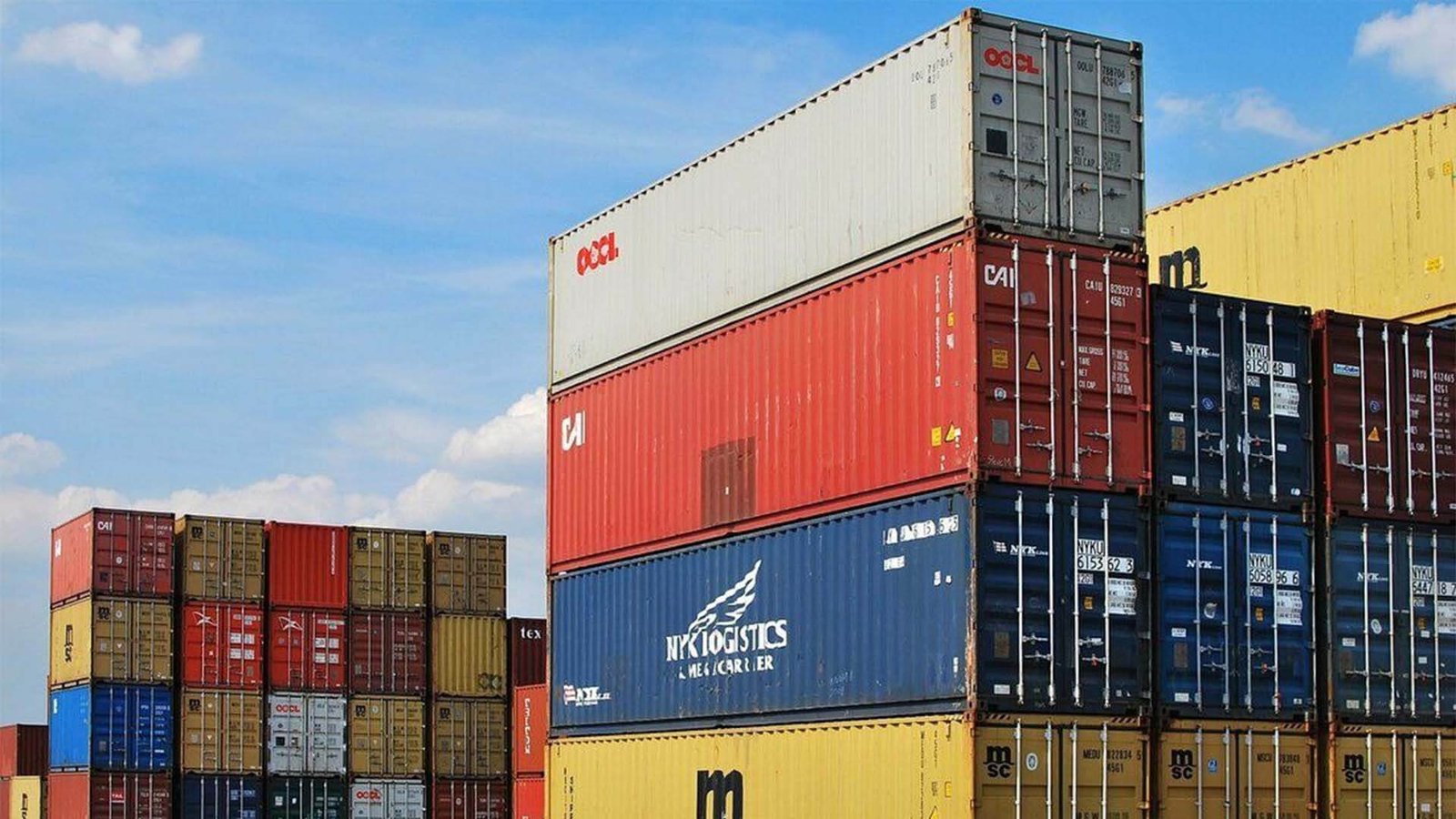
The changes in landed cost2s under USMCA can be primarily attributed to the distinction between preferential duties and most-favored nation (MFN) duties. Importers can potentially reduce their costs by understanding how to qualify their goods under this agreement.
Understanding Preferential Duty vs. MFN Duty
- Preferential Duty: This is the reduced tariff rate granted to goods that meet specific criteria outlined in USMCA.
- MFN Duty: This is the standard tariff rate that applies to imports from countries with which the U.S. does not have a free trade agreement.
The process of qualification does not solely depend on the country of shipping; it also involves understanding the production and sourcing processes. Documenting these processes is vital, as savings are only real when claims are supported by adequate records.
| Product Category | MFN Duty (Example) | USMCA Duty (Example) | Qualification Complexity | Claim Risk | Recommended Control |
|---|---|---|---|---|---|
| Electronics | 2.5% | 0% | Moderate | High | Maintain supplier records |
| Textiles | 10% | 5% | High | Very High | Document sourcing process |
| Machinery | 5% | 0% | Low | Medium | Regular internal audits |
By understanding these comparisons, U.S. importers can better strategize their sourcing and save costs effectively.
The real impact of USMCA Rules of Origin (ROO): compliance burden, supplier sourcing shifts, and origin verification8 risk?
The Rules of Origin under USMCA are crucial for compliance and determining whether goods qualify for preferential tariff treatment. These rules can pose a significant compliance burden on importers.
The USMCA Rules of Origin dictate whether goods are truly originating and eligible for duty savings1 based on production steps and regional value content. Importers face increased compliance workloads requiring thorough supplier data6 collection and documentation to defend claims during verification.
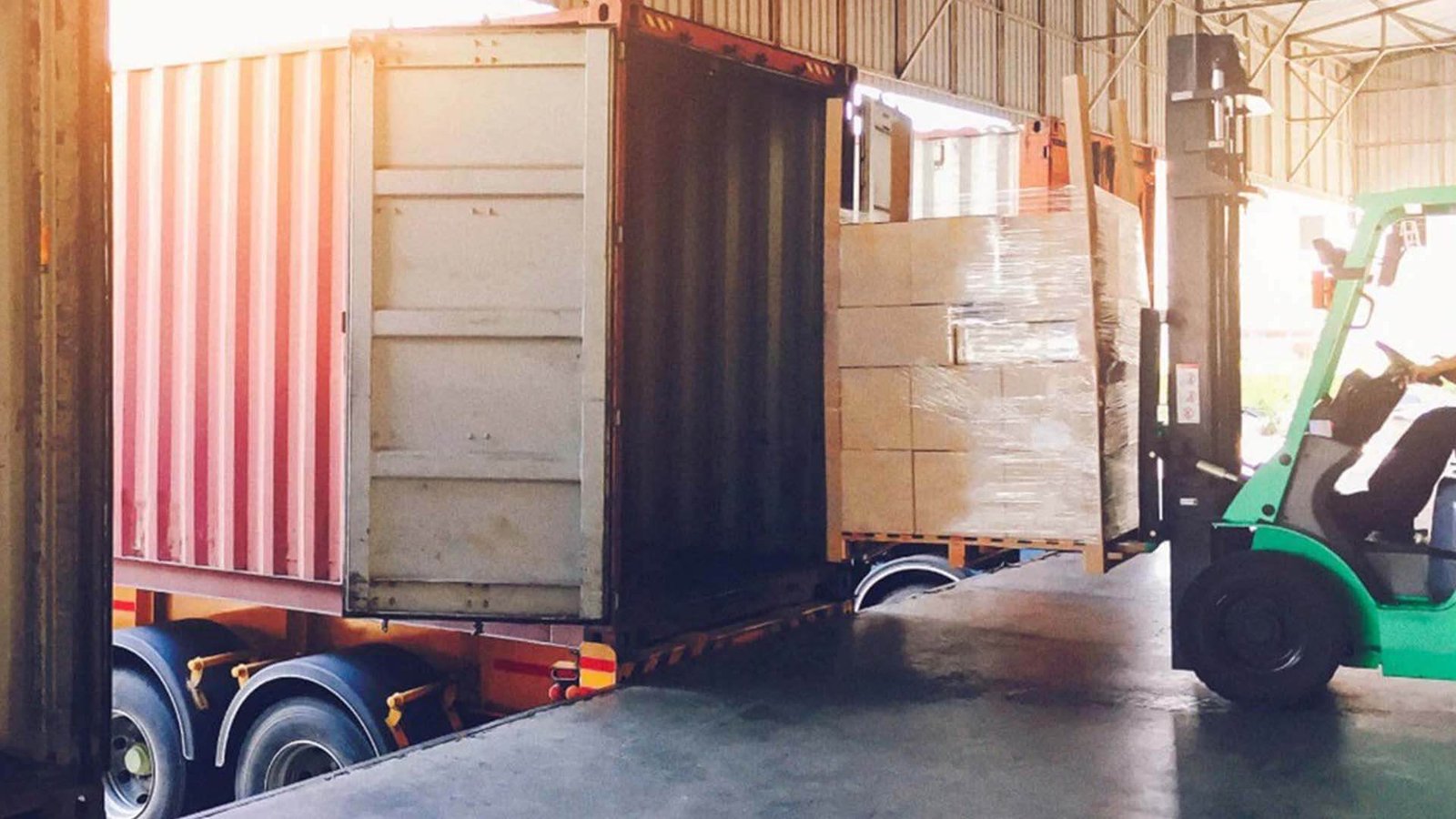
Understanding the ROO is essential for U.S. importers as it increases the complexity of compliance with the requirement to gather documentation from suppliers. Importers must show that the goods meet the necessary criteria through thorough recordkeeping.
ROO Logic Types
- Tariff Shift: The product must change tariff classification9.
- Regional Value Content10 (RVC): A specified percentage of the value must originate from the U.S., Canada, or Mexico.
- Specific Processing: Certain processes must occur in one of the three countries.
| ROO Risk | Trigger | Outcome | Prevention SOP | Owner |
|---|---|---|---|---|
| High documentation burden | Supplier failure to provide data | Claim denial | Create clear documentation protocols11 | Importer/Supplier |
| Origin verification | Incomplete records | Verification failure | Regular audits and training | Broker/Supplier |
| Tariff shift failure | Incorrect HTS classification | Higher duty costs | Ensure HTS classification accuracy | Importer |
The compliance burden can be managed through better communication with suppliers and maintaining accurate records. Importers should be ready to defend their claims diligently.
How USMCA affects U.S.–Mexico–Canada supply chains?
USMCA significantly influences supply chain operations, particularly in terms of nearshoring12 and logistics.
The agreement encourages regionalization of supply chains by incentivizing sourcing and production within North America. This shift reduces reliance on long-distance shipping but introduces complexities in cross-border operations13.
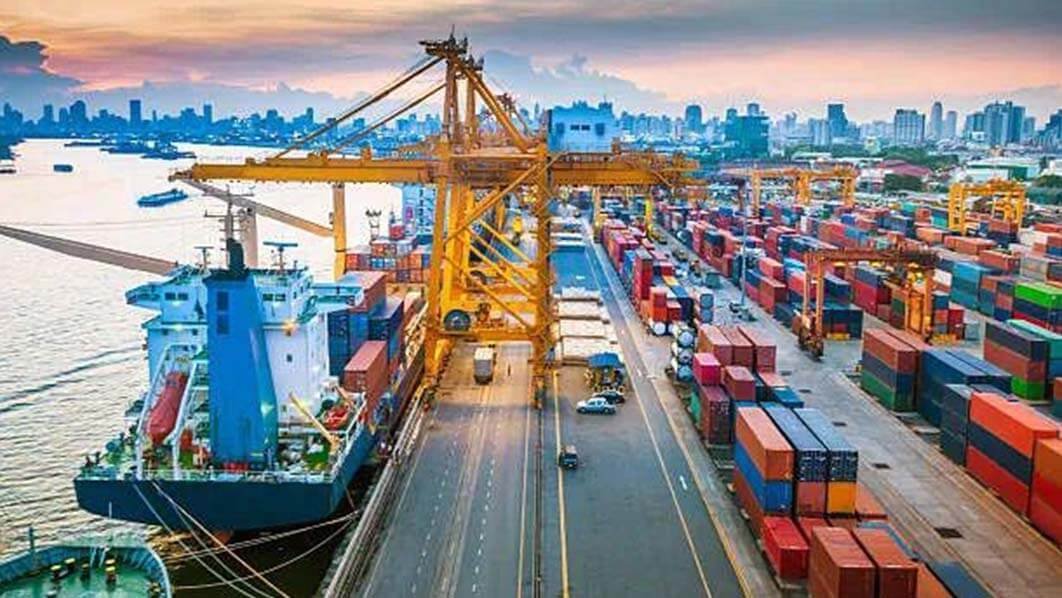
The benefits of nearshoring12 under USMCA include reduced lead times and increased inventory resilience. However, importers must recognize the new challenges such as border documentation, carrier compliance, and coordination with customs brokers.
Nearshoring Logic
- Lead Time: Reduced transit time compared to overseas shipping.
- Inventory Management: Easier to manage stock levels with nearby suppliers.
- Compliance: Greater control over compliance issues due to proximity.
| Impact | What Changes | Who Feels It | Benefit | New Risk | Best Mitigation |
|---|---|---|---|---|---|
| Lead Time Reduction14 | Shorter shipping time | Importers | Faster delivery to market | Border delays | Streamlined documentation |
| Increased Coordination | More reliance on brokers | Logistics Leaders | Better compliance management | Complex operations | Effective SOPs |
| Inventory Control | Greater flexibility | Supply Chain Managers | Reduced stockouts | Unpredictable clearances | Consistent supplier checks |
Understanding these implications allows importers to optimize their supply chains effectively.
Industry impacts importers care about most?
Different industries experience the impact of USMCA in varying ways.
The most affected sectors, such as automotive, textiles, and agriculture, have specific compliance demands and documentation burdens that importers must navigate effectively.
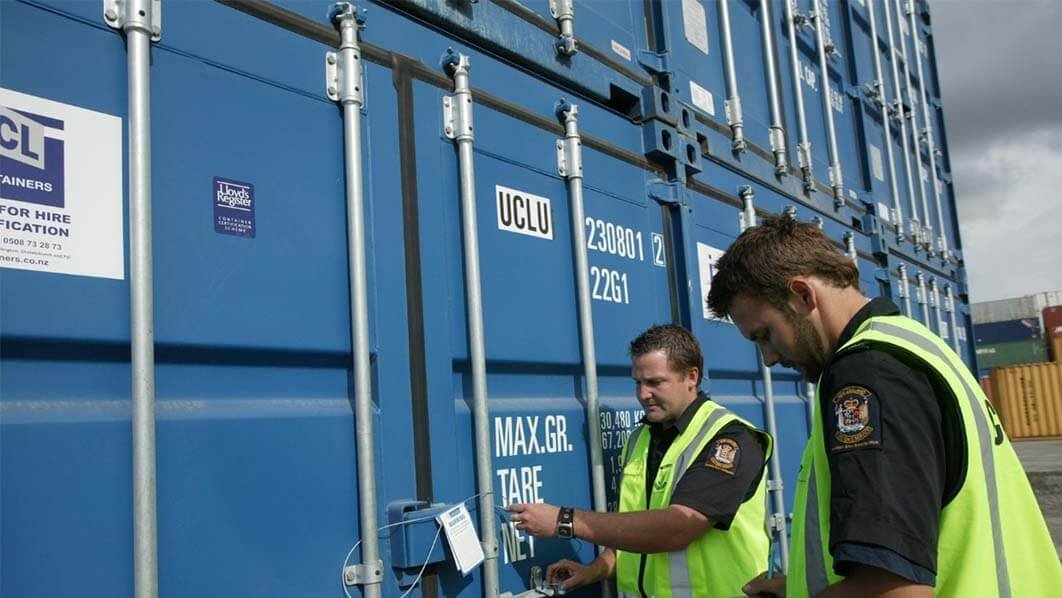
The automotive sector15 faces stringent ROO requirements, while textiles must adhere to origin rules tied to yarn and fabric. Understanding these industry-specific regulations is essential for compliance.
| Industry | What Changed | Key Compliance Requirement | Documentation Burden | Claim Risk | Broker Support Value |
|---|---|---|---|---|---|
| Automotive | Stricter ROO | Labor Value Content16 (LVC) | High | Very High | Critical |
| Textiles | New origin rules | Yarn and fabric sourcing | Moderate | High | Important |
| Agriculture | Market access adjustments | SPS measures17 | Low | Medium | Necessary |
Importers should develop sector-specific playbooks to navigate these complexities efficiently.
USMCA 2026 review18: what could change and what importers should do now?
The scheduled review of USMCA in 2026 presents opportunities and risks for importers.
Importers must view this review as a chance to strengthen their compliance frameworks and reassess their sourcing strategies rather than simply as a threat.
Understanding potential changes allows importers to adapt their strategies proactively, ensuring that documentation and compliance measures are robust.
| Potential Change Area | What Could Happen | Likelihood Signal | Importer Exposure | Mitigation Plan |
|---|---|---|---|---|
| ROO adjustments | Stricter compliance rules | Early signals from trade talks | High | Strengthen documentation |
| Duty rate changes | Increased tariffs | Economic indicators | Medium | Diversify sourcing |
| Policy shifts | Altered trade relationships | Legislative changes | High | Flexible procurement |
Importers should continually improve their compliance programs to ensure readiness for potential changes while maintaining flexibility in their sourcing strategies.
Conclusion
The impact of USMCA on trade is significant, and U.S. importers need to adapt to new compliance requirements and operational complexities to capitalize on savings and mitigate risks.
Understanding duty savings can help importers reduce costs and improve their sourcing strategies. ↩
Landed cost impacts overall import expenses, and USMCA can alter these costs significantly. ↩
Preferential duty rates can significantly lower import costs for qualifying goods. ↩
Comparing MFN duty with USMCA rates helps importers understand potential cost savings. ↩
Compliance with Rules of Origin is crucial for importers to qualify for preferential duty rates. ↩
Accurate supplier data is essential to support claims and avoid denial under USMCA. ↩
Meeting qualification requirements is necessary to benefit from USMCA's preferential rates. ↩
Understanding origin verification helps importers ensure compliance and avoid claim denials. ↩
Correct tariff classification is crucial to qualify for preferential duty rates under USMCA. ↩
Understanding RVC helps importers determine if their goods qualify for preferential treatment. ↩
Proper documentation is vital to support claims and ensure compliance with USMCA. ↩
Nearshoring can reduce lead times and improve supply chain resilience under USMCA. ↩
Navigating cross-border operations is essential for efficient supply chain management. ↩
Reduced lead times can enhance market responsiveness and inventory management. ↩
The automotive sector faces specific compliance demands under USMCA, affecting import strategies. ↩
LVC requirements impact compliance and sourcing strategies in the automotive industry. ↩
SPS measures affect agricultural imports and require specific compliance efforts. ↩
Anticipating changes in the 2026 review helps importers prepare and adapt strategies. ↩