The first paragraph, which uses PAS formula to grab the reader's attention (max 30 words). Exporting goods can be complex and confusing. Understanding key terminology is crucial for smooth operations. Misunderstandings can lead to delays, extra costs, and compliance issues.
Incoterms1 define who pays for each step of shipping and where risk transfers2 from seller to buyer. For importers, the most important Incoterms1 are EXW, FCA, FOB, CFR/CIF, DAP, and DDP3 because they control freight cost responsibility4, insurance expectations, and who handles customs clearance5. Choosing the wrong term causes surprise fees and disputes.
Incoterms1 are essential for anyone involved in international shipping. They clarify the responsibilities of buyers and sellers. If you choose the wrong Incoterm, you might face unexpected charges or complications. It’s vital to understand these terms to avoid pitfalls in your shipping processes.
The export terms that control cost, risk, and responsibility?
Incoterms1 are crucial in international shipping. They help determine who is responsible for shipping costs, insurance, and customs. Choosing the right Incoterm impacts your bottom line and risk management.
Incoterms1 are about risk + cost split, not ownership. Importers must ask, “Who controls freight + customs?” FCA is often safer than EXW6 as it offers more control.

Understanding Incoterms1 can significantly impact your shipping costs and responsibilities. They dictate who pays for various stages of shipping, from the seller to the buyer, and when risk transfers2 from one party to another. Here is a table to clarify the responsibilities involved with each term:
| Incoterm | Seller pays until | Buyer pays from | Risk transfers at | Who controls freight booking | Who clears export/import | Best for |
|---|---|---|---|---|---|---|
| EXW | Place of origin | Destination | Seller's location | Buyer | Buyer | Maximum control for the buyer |
| FCA | Delivery to carrier | Destination | Upon delivery | Seller | Seller | Safe for buyers |
| FOB | Onboard vessel | Destination | Onboard vessel | Seller | Seller | Good for ocean freight |
| CFR | Port of destination | Destination | Onboard vessel | Seller | Seller | Cost effective for importers |
| CIF | Port of destination | Destination | Onboard vessel | Seller | Seller | Includes insurance |
| DAP | Destination | Final delivery | Arrival at destination | Seller | Seller | Good for convenience |
| DDP | Destination | Final delivery | Arrival at destination | Seller | Seller | Least risk for the buyer |
Understanding these terms takes the guesswork out of international shipping. Knowing when the risk transfers2 can save you money and prevent disputes.
Key roles in an export transaction?
Knowing the roles in an export transaction is critical. Mislabeling these roles can cause significant delays in customs clearance5.
Party roles determine who is legally responsible and who receives cargo. Shipper and exporter of record7 are not always the same, and importer of record is not always the consignee. Mislabeling these roles on documents triggers customs holds, entry filing errors, and delivery failures.
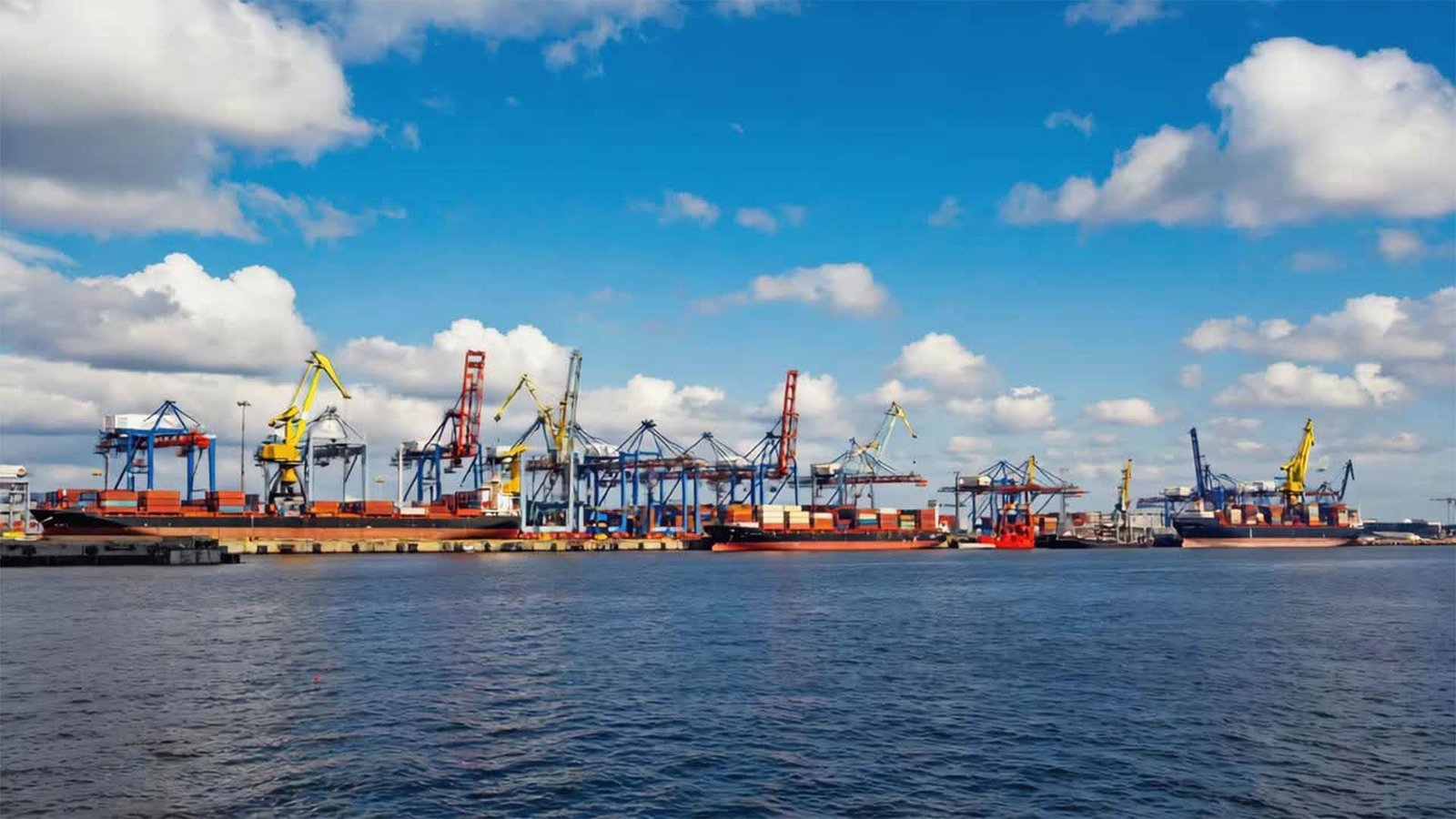
In an export transaction, different parties have specific roles. Here's a breakdown of essential roles and why they matter:
| Role | What it means | Where it appears | Why it matters | Common mistake | Fix |
|---|---|---|---|---|---|
| Shipper | Party that sends the goods | Shipping documents | Responsible for delivery to carrier | Mislabeling the shipper | Verify against contract |
| Exporter of Record | Legally responsible for export | Export documentation | Ensures compliance with export laws | Confusing with shipper | Clarify roles |
| Importer of Record | Legally responsible for import | Customs paperwork | Key for legal entry into the destination country | Incorrect data leading to holds | Confirm accuracy with broker |
| Consignee | Receiver of the goods | Delivery documents | Responsible for receiving cargo | Misidentifying the consignee | Double-check names |
| Notify Party | Party to be alerted upon arrival | Shipping notifications | Helps in coordination of delivery | Missing contact information | Include in all documents |
Understanding these roles can help prevent costly delays and ensure smooth delivery of goods.
The essential export documents importers must understand?
Export documents serve as the backbone of customs clearance5. Understanding them ensures smooth operations and compliance.
Export documents are the “data backbone” of customs clearance5. Importers should understand commercial invoices, packing lists, certificates of origin (COO), bills of lading/airway bills, and insurance certificates because brokers use them to file entries and carriers use them to release cargo. Missing or inconsistent documents are a top cause of holds, exams, and delays.
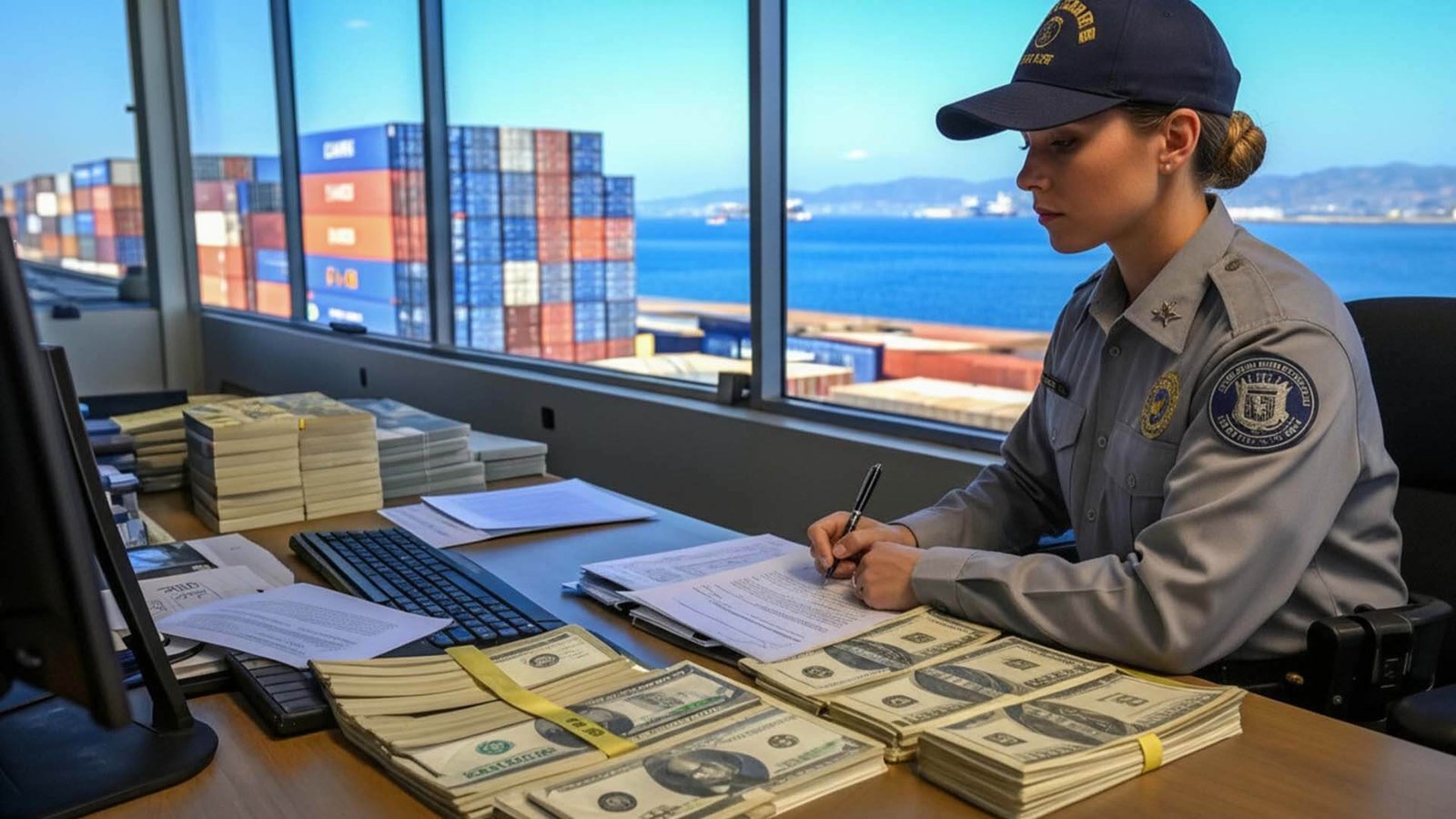
Each export document serves a specific purpose. Here’s a checklist of essential documents and why they matter:
| Document | Purpose | Key Data Fields | Errors that trigger holds |
|---|---|---|---|
| Commercial Invoice8 | Bill for goods sold | HTS codes, prices, terms of sale | Incorrect HTS code or value |
| Packing List9 | Details contents of shipment | Description, weight, dimensions | Inconsistent details with invoice |
| Certificate of Origin (COO)10 | Indicates the origin of goods | Country of origin | Missing or incorrect COO |
| Bill of Lading (B/L)11 | Contract between shipper and carrier | Shipment details, consignee information | Mismatched names or terms |
| Airway Bill (AWB) | Contract for air transport | Shipment details, consignee information | Incorrect document classification |
| Insurance Certificate | Covers loss or damage | Coverage details | Missing when CIF/CIP required |
Having the correct documents helps streamline the customs process and avoid delays.
Compliance acronyms that trigger problems if wrong?
Compliance-related acronyms are critical. Misunderstanding them can lead to massive penalties or shipment delays.
Export compliance acronyms matter because they determine whether a shipment can legally leave the origin country and whether documents meet enforcement rules. AES/EEI filings12 generate an ITN reference, and regulated goods may require ECCN classification under EAR or ITAR controls. Importers should confirm suppliers handle export filings correctly to prevent cargo stops and penalties.
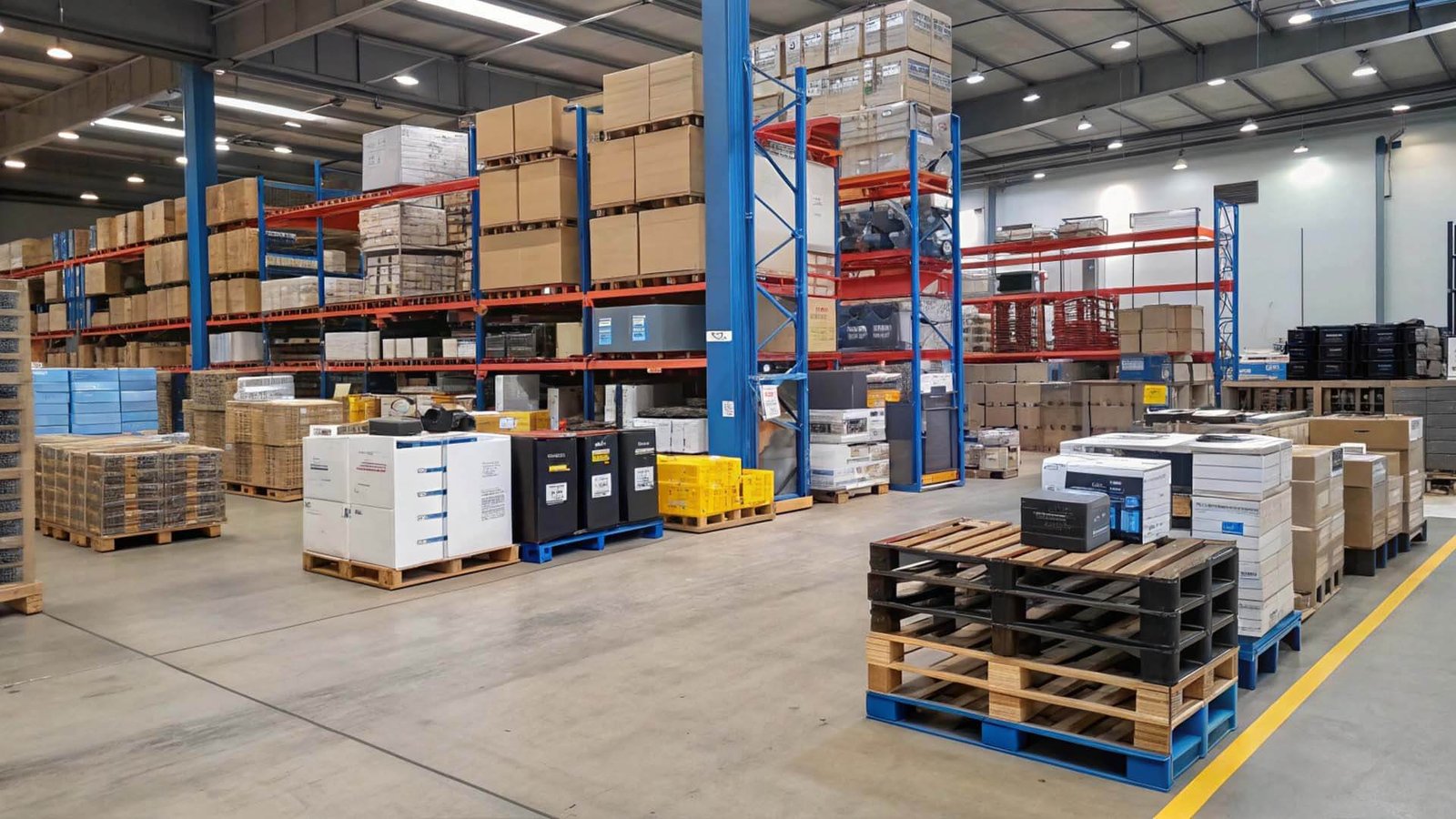
Here’s a look at essential compliance acronyms and their implications:
| Acronym | What it stands for | Why it matters | Who owns it | Where it shows up | Risk if wrong |
|---|---|---|---|---|---|
| AES | Automated Export System | Required for most exports | Exporter | Shipping documents | Legal penalties |
| EEI | Electronic Export Information | Required data for export | Exporter | Customs paperwork | Export delays |
| ITN | Internal Transaction Number | Reference for AES filings | Exporter | Shipment tracking details | Shipment stops |
| ECCN | Export Control Classification Number | Needed for controlled items | Exporter | Export documentation | Violates export laws |
| EAR | Export Administration Regulations | Governs dual-use items | Exporter | Compliance documentation | Severe fines |
| ITAR | International Traffic in Arms Regulations | Governs defense exports | Exporter | Export compliance checks | Legal ramifications |
| DCS | Destination Control Statement | Required for certain sensitive goods | Exporter | Compliance documentation | Export violations |
Understanding these acronyms can prevent costly compliance issues.
Freight and shipping process terms that impact lead time?
Understanding freight terms can help you manage shipping times effectively. They dictate how cargo is processed and delivered.
Shipping terms like ETD/ETA, FCL/LCL, CY/CFS, and terminal cutoff determine how cargo moves and when it can be delivered. Importers also need to understand demurrage and detention because these fees grow quickly when ports congest or paperwork delays release. Knowing these terms helps importers plan inventory and avoid preventable accessorial costs.
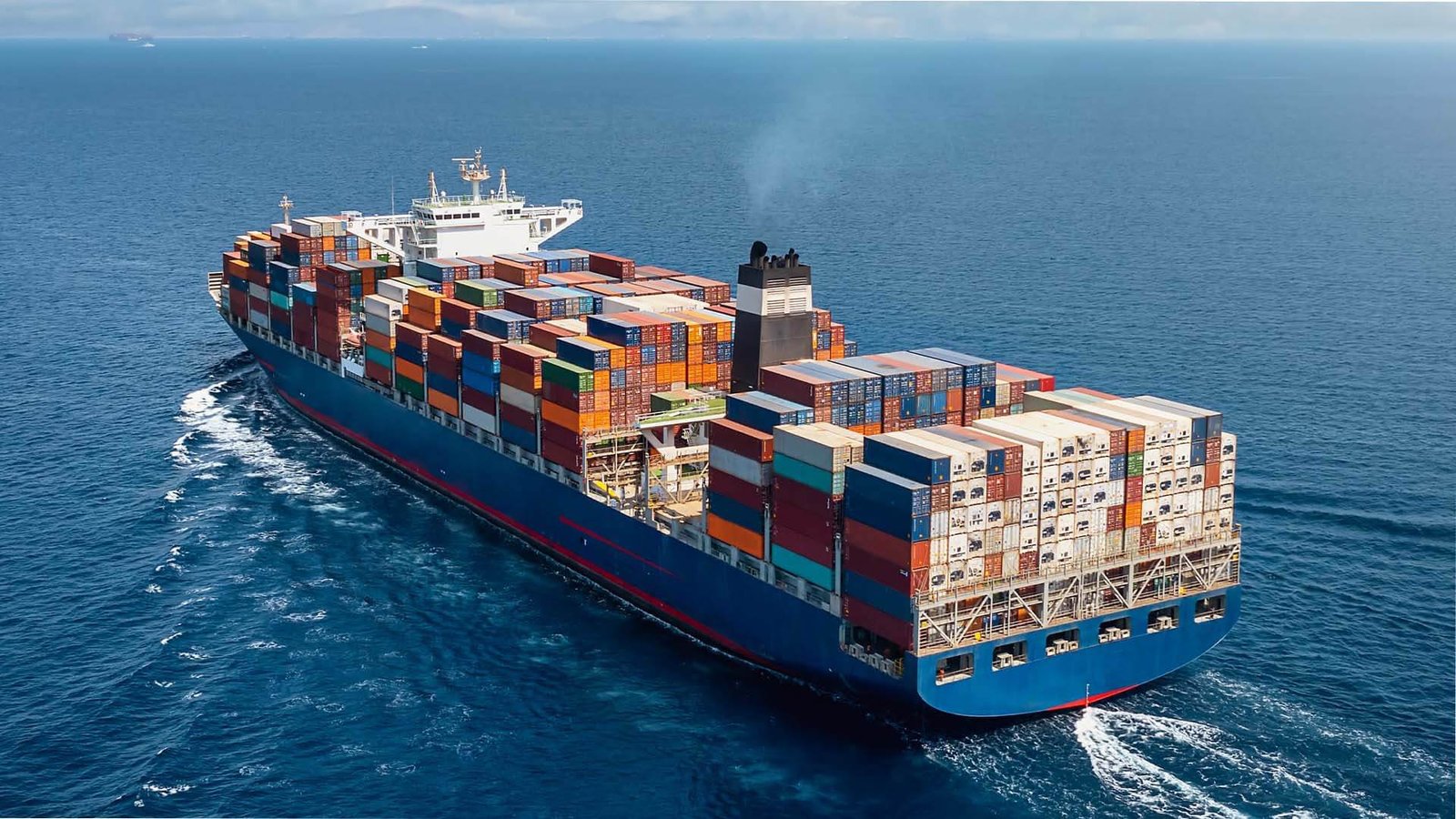
Here’s a table of essential freight terms that can affect lead time:
| Term | Meaning | Where it happens | Impact on importer | Risk | Best practice |
|---|---|---|---|---|---|
| ETD | Estimated Time of Departure | Booking confirmation | Sets expectations for shipment | Late departures can incur costs | Confirm with carrier |
| ETA | Estimated Time of Arrival | Shipping notifications | Helps plan inventory | Delayed arrivals can disrupt | Monitor shipping updates |
| CY | Container Yard | Port facilities | Where containers are stored | Delays in pickup | Plan timely pickups |
| CFS | Container Freight Station | Port facilities | Where deconsolidation occurs | Late pickups can incur fees | Coordinate with freight forwarder |
| FCL | Full Container Load | Shipment type | Cost-effective for large shipments | Unused space can waste money | Optimize shipments for FCL |
| LCL | Less than Container Load | Shipment type | Cost-effective for smaller shipments | Higher per-unit costs | Assess shipment volumes |
| Demurrage13 | Fees for holding cargo at port | Port facilities | Can accumulate quickly | Can double shipping costs | Minimize port stay |
| Detention14 | Fees for holding containers outside port | Port facilities | Can accumulate quickly | Can double shipping costs | Return containers promptly |
| Terminal Cutoff | Cutoff time for cargo to be at terminal | Port operations | Crucial for meeting shipping schedules | Missing cutoffs can delay shipments | Pre-plan schedules |
Understanding these terms allows better planning and management of shipping logistics.
Importer playbook: common export terminology mistakes to avoid?
Errors in export terminology can lead to significant delays and costs. Avoiding these pitfalls is essential for smooth operations.
Most international shipping problems come from terminology mistakes: selecting the wrong Incoterm, using vague invoice descriptions, mismatching weights/quantities across documents, or misunderstanding who controls export and import clearance. Importers reduce delays and fees by standardizing supplier document templates, validating key data before departure, and using a broker/forwarder workflow that prevents errors early.
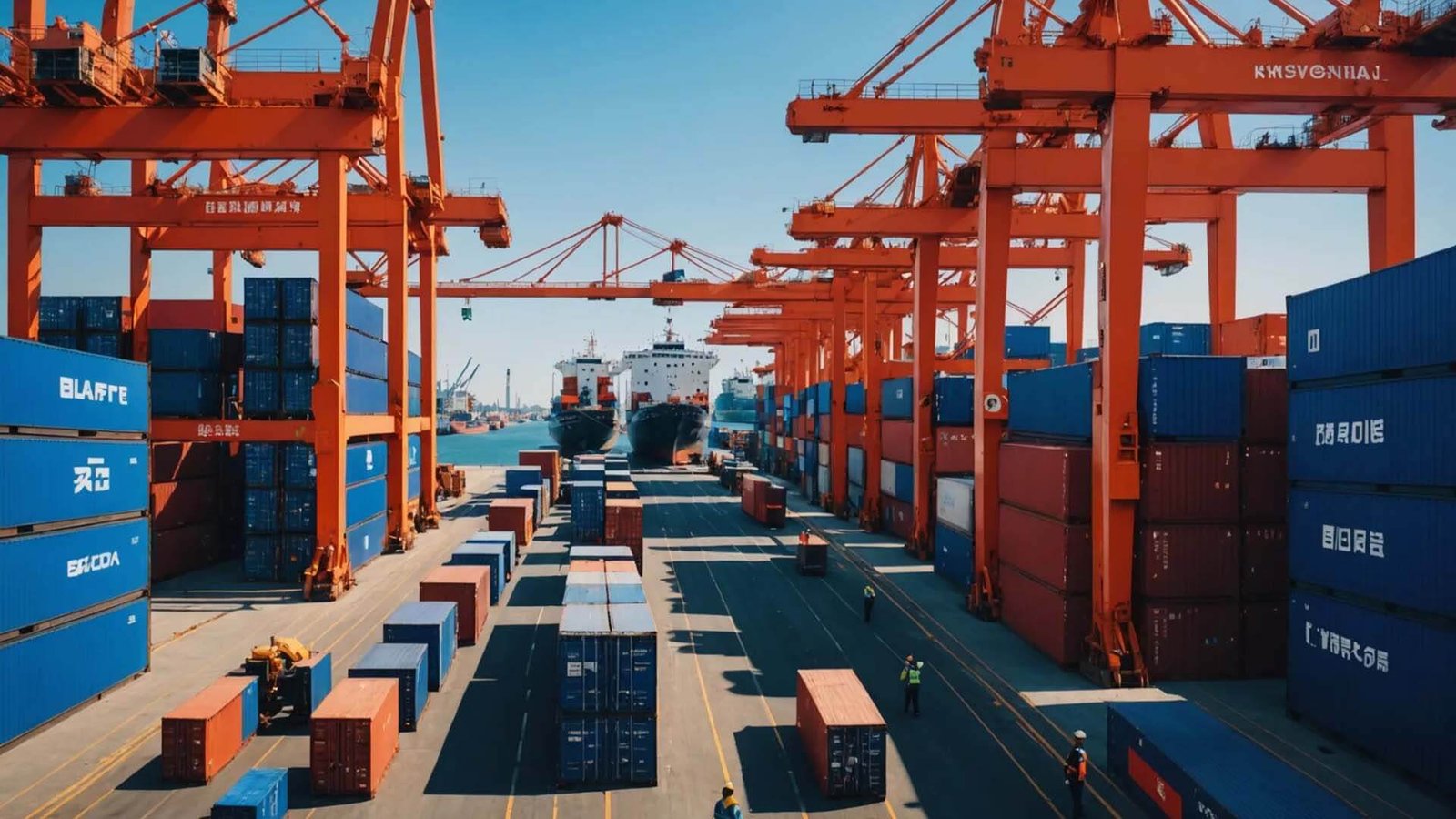
Here’s a list of common mistakes and how to prevent them:
| Mistake | What it causes | Cost impact | Delay impact | Prevention control | Owner |
|---|---|---|---|---|---|
| EXW misuse | Responsibility confusion | Unexpected fees | Delayed clearance | Clarify Incoterm application | Importer |
| Wrong consignee/IOR | Customs hold | Fines/penalties | Delays in delivery | Double-check names on documents | Exporter |
| Invoice values inconsistent | Holds for clarification | Increased costs | Delayed clearance | Standardize invoicing process | Supplier |
| Missing COO | Delays in customs clearance | Can incur fees | Delays in clearance | Ensure proper documentation | Exporter |
| Late docs | Freight delays | Increased demurrage | Delayed clearance | Set internal deadlines for docs | Importer |
| CY/CFS confusion | Miscommunication with carriers | Unexpected fees | Delays in delivery | Clearly specify cargo type | Forwarder |
| Demurrage/detention avoidable failures | Rising costs due to storage fees | Substantial penalties | Delayed delivery | Proactive planning | Importer/Exporter |
To prevent these costly mistakes, it’s crucial to establish a clear workflow among suppliers, freight forwarders, and customs brokers.
Conclusion
Understanding export terminology is vital for smooth international transactions. Knowledge of Incoterms, roles, and documents can prevent costly delays and issues.
Understanding Incoterms is crucial for anyone involved in international shipping as they define responsibilities and can prevent unexpected charges. ↩
Understanding when risk transfers from seller to buyer can help you manage liability and protect your interests. ↩
These Incoterms control freight cost responsibility and insurance expectations, impacting your shipping strategy and cost management. ↩
Knowing who is responsible for freight costs can help you budget accurately and avoid surprise fees in your shipping operations. ↩
Proper customs clearance ensures smooth entry of goods into a country, preventing delays and legal issues. ↩
FCA offers more control over the shipping process, reducing risks and potential disputes compared to EXW. ↩
Knowing the distinction can prevent legal issues and ensure compliance with export regulations. ↩
A Commercial Invoice is essential for customs clearance, detailing the transaction and ensuring compliance. ↩
A Packing List provides detailed information about the shipment, aiding in customs clearance and inventory management. ↩
A COO verifies the origin of goods, impacting tariffs and trade agreements, and is crucial for customs. ↩
A Bill of Lading is a key document in shipping, serving as a contract and receipt for goods transported. ↩
These filings are required for most exports, ensuring legal compliance and preventing shipment delays. ↩
Demurrage fees can quickly accumulate, doubling shipping costs if cargo is held at port too long. ↩
Detention fees arise from holding containers outside the port, impacting overall shipping expenses. ↩