The first paragraph, which uses PAS formula to grab the reader's attention (max 30 words). With fluctuating oil prices1, many importers wonder why ocean freight rates2 don’t drop when bunker fuel costs3 fall. Understanding the complex factors at play is crucial for effective negotiations.
second paragraph at the beginning, answering the question posed by the title, this paragraph must be HELPFUL to the reader and will be used later to compete for Google's Featured Snippets. (max 50 words) Ocean freight rates are largely influenced by market dynamics4, specifically capacity and demand. Even as bunker fuel prices decline, rates can remain high if vessel space5 is scarce or demand is robust. Importers should focus on total costs rather than just fuel prices to navigate these fluctuations.
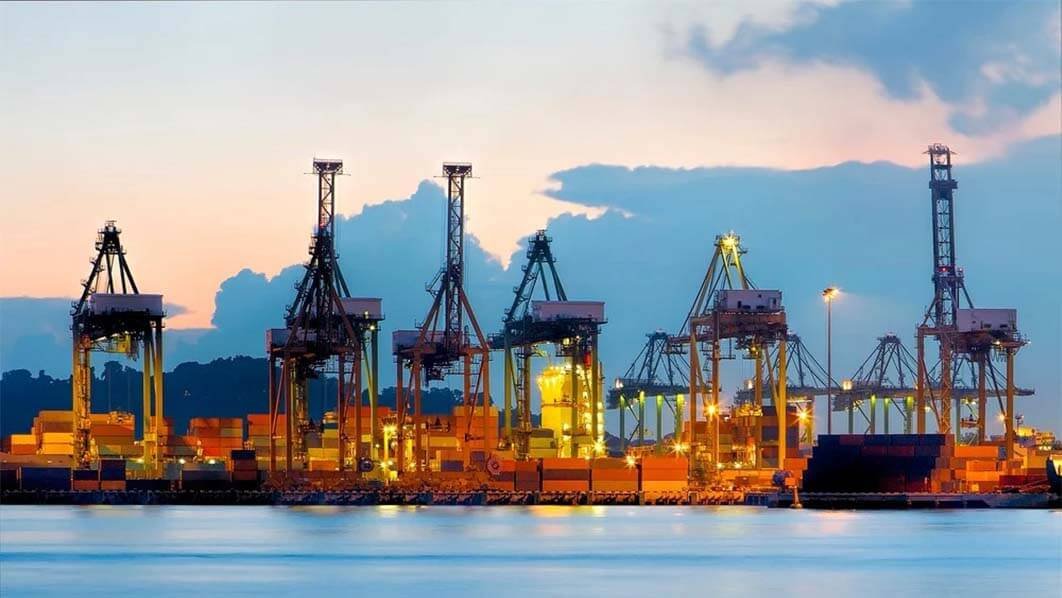
The paragraph that begins and ends with a paragraph that will keep the customer from reading further. Understanding how shipping rates are determined can help importers make informed decisions. This article explores the relationship between bunker fuel prices and shipping rates, highlighting the importance of capacity, demand, and other costs. Let’s dive into the specifics of why lower bunker prices don’t necessarily translate to lower shipping rates.
Ocean freight rates are priced by capacity and demand, not fuel alone?
The first paragraph, which uses the PAS strategy to grab the reader's attention (max 30 words). Ocean freight rates depend on supply and demand rather than just fuel costs. This means that even if fuel prices drop, shipping rates can still remain high due to various market factors.
The second paragraph, which answers the question posed by the headline, is the paragraph that will be used later to compete for Google's Featured Snippets. (max 50 words) Shipping rates are determined by market dynamics4, including vessel capacity and demand levels. Factors such as blank sailings6 and service consolidation7 can keep rates elevated even with lower bunker fuel prices. Understanding these factors is essential for importers to effectively manage their shipping costs.
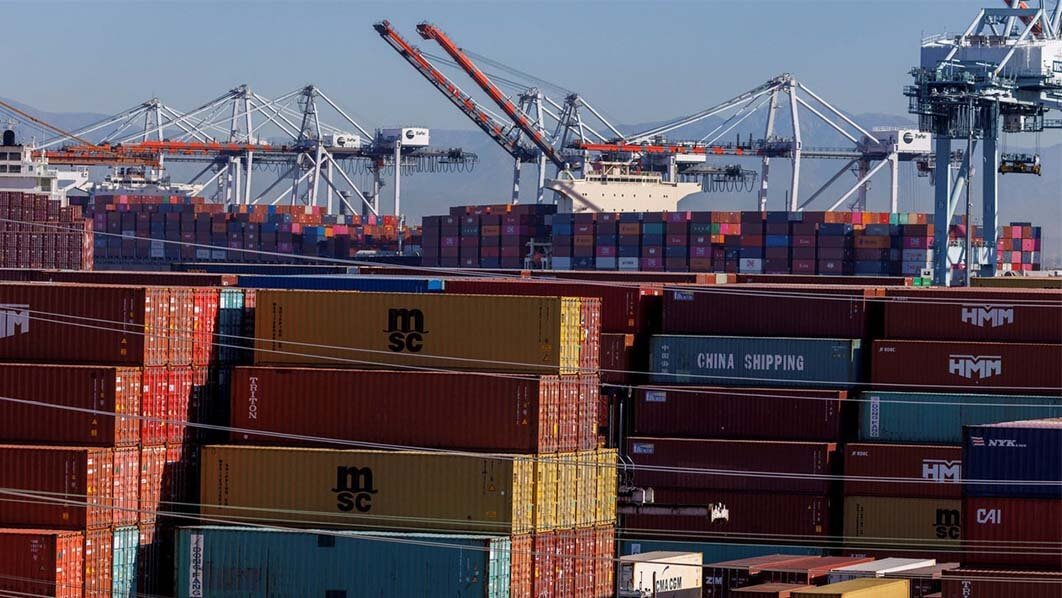
Based on the secondary headings, continue to extend and go deeper, can use critical thinking, to break down the question, to help the reader understand more deeply, need to use the tertiary headings, and Markdown formatting tables to express the ideas in a more structured way. (around 150 words) Freight rates function as a market-clearing price. When demand increases or when blank sailings6 reduce available capacity, rates can rise even when fuel costs fall. Carriers often employ strategies like service consolidation7 and allocation management to navigate these fluctuations efficiently.
| What Moves Rates Fastest? | Speed of Impact | Typical Severity | Early Warning Signal |
|---|---|---|---|
| Demand Spikes | Immediate | High | Increased bookings |
| Blank Sailings | Immediate | Medium | Announcements by carriers |
| Congestion | Short | Medium | Increased dwell time |
| Equipment Shortage | Medium | High | Delays in equipment availability |
| Labor Disruption | Medium | Medium | Strikes or shortages |
BAF (Bunker Adjustment Factor) explains the fuel relationship?
The first paragraph, which uses the PAS strategy to grab the reader's attention (max 30 words). Understanding the Bunker Adjustment Factor (BAF)8 is essential for importers. This adjustment reflects fuel costs and is often a separate charge from the base rate, affecting total shipping costs.
The second paragraph, which answers the question posed by the headline, is the paragraph that will be used later to compete for Google's Featured Snippets. (max 50 words) BAF is a critical component of ocean freight pricing, representing the fuel surcharge. Carriers adjust BAF based on fluctuating fuel costs without altering the base rate. This separation allows for more flexible pricing strategies, emphasizing the need for clarity in contracts regarding BAF adjustments.
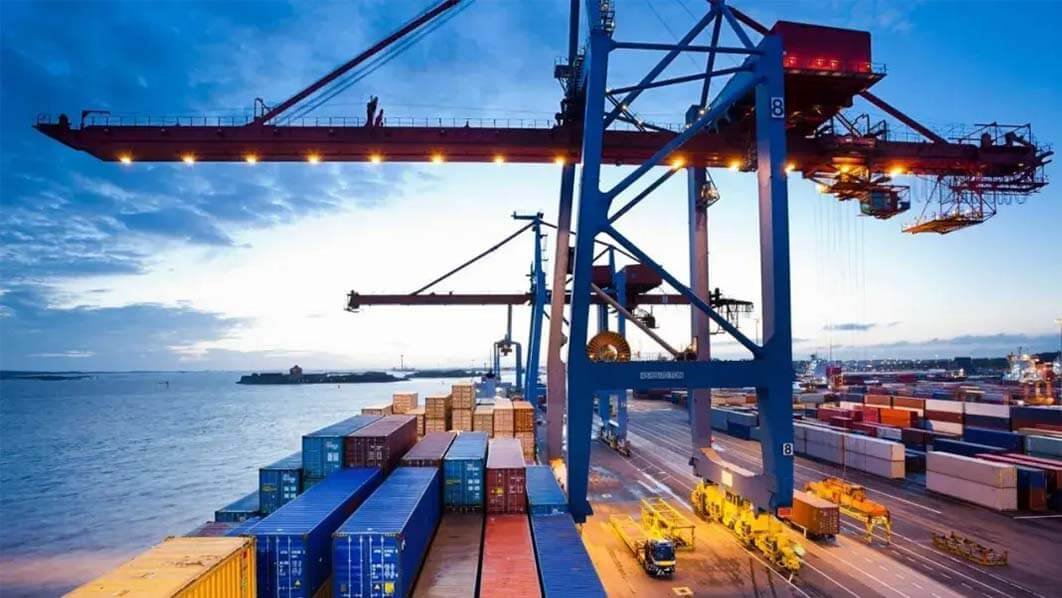
Based on the secondary headings, continue to extend and go deeper, can use critical thinking, to break down the question, to help the reader understand more deeply, need to use the tertiary headings, and Markdown formatting tables to express the ideas in a more structured way. (around 150 words) The Bunker Adjustment Factor (BAF)8 is often listed separately from the base ocean freight rate. This separation allows carriers to adjust the fuel surcharge independently of the base rate, which is particularly useful when market conditions fluctuate. Importantly, this means importers need to have transparency in their contracts regarding BAF calculations and updates. The relationship between the base rate and BAF can impact overall shipping costs significantly.
Total Ocean Freight = Base Rate
BAF (Fuel)
Other Surcharges (PSS/GRI/Congestion/etc.)
Inland/Terminal charges
Carriers don’t pass fuel savings 1:1 because other costs rise?
The first paragraph, which uses the PAS strategy to grab the reader's attention (max 30 words). Even with lower fuel prices, shipping costs can remain high due to various operational challenges. Understanding these hidden costs is essential for importers aiming to manage their expenses effectively.
The second paragraph, which answers the question posed by the headline, is the paragraph that will be used later to compete for Google's Featured Snippets. (max 50 words) Carriers do not pass on fuel savings directly due to rising operational costs, including port congestion9 and empty container repositioning10. These factors can diminish the expected benefits of lower fuel prices, keeping overall shipping rates elevated despite fluctuations in bunker costs.
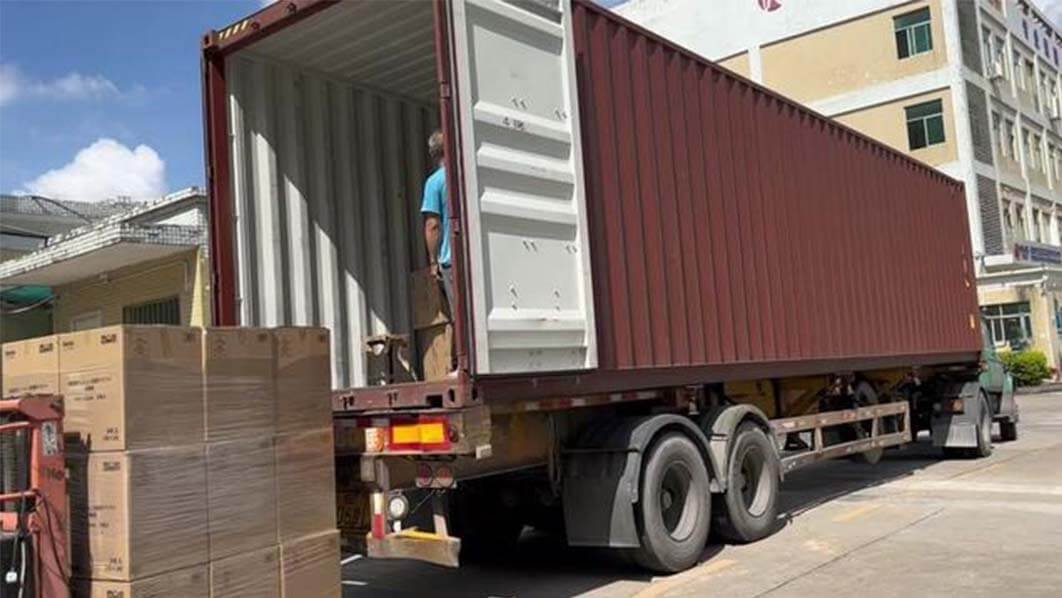
Based on the secondary headings, continue to extend and go deeper, can use critical thinking, to break down the question, to help the reader understand more deeply, need to use the tertiary headings, and Markdown formatting tables to express the ideas in a more structured way. (around 150 words) While lower bunker fuel prices seem beneficial, other rising costs often offset these savings. Carriers face challenges such as port congestion9, missed berthing windows, and additional repositioning of empty containers. These inefficiencies hinder effective capacity utilization, leading to higher costs for importers.
| Cost Driver | Who Controls It | How it Increases Rates | Importer Mitigation |
|---|---|---|---|
| Congestion + Dwell Time | Ports | Higher waiting costs | Use multiple ports; optimize scheduling |
| Schedule Unreliability | Carriers | Increased rolled cargo | Negotiate service guarantees with carriers |
| Equipment Repositioning | Carriers | Costs of transporting empties | Plan ahead; consolidate shipments |
| Terminal Productivity | Ports | Delays leading to inefficiencies | Monitor terminal performance; choose faster ports |
| Canal/Rerouting Issues | Carriers | Increased distance & cost | Select optimal routes based on real-time data |
| Carrier Network Reshuffles | Carriers | Adjustments leading to inefficiencies | Build flexibility into contracts |
Bunker prices don’t track crude perfectly?
The first paragraph, which uses the PAS strategy to grab the reader's attention (max 30 words). Bunker prices do not mirror crude oil prices exactly. Various factors influence the cost of marine fuel, complicating the relationship between oil price movements and shipping costs.
The second paragraph, which answers the question posed by the headline, is the paragraph that will be used later to compete for Google's Featured Snippets. (max 50 words) Bunker fuel prices are influenced by factors beyond crude oil prices, including refining spreads11, regional supply constraints12, and regulatory impacts. Consequently, even when crude oil prices fall, bunker fuel costs3 may not decline immediately, creating a lag that affects shipping rates.
Based on the secondary headings, continue to extend and go deeper, can use critical thinking, to break down the question, to help the reader understand more deeply, need to use the tertiary headings, and Markdown formatting tables to express the ideas in a more structured way. (around 150 words) Bunker fuel pricing is influenced by various factors that do not directly correlate with crude oil prices. For instance, the price of Very Low Sulfur Fuel Oil (VLSFO)13 is affected by refining spreads11 and local supply conditions. This means that importers should be aware of these dynamics to effectively manage their total shipping costs.
| Factor | What it Does | Example Impact |
|---|---|---|
| VLSFO and Regulation | Affects refining costs | Higher costs if regulations tighten |
| Regional Port Variability | Leads to different bunker prices | Prices may vary widely across ports |
| Time Lag | Delay between crude and bunker price | Importers may not see immediate savings |
Rate volatility is driven by surcharges beyond fuel?
The first paragraph, which uses the PAS strategy to grab the reader's attention (max 30 words). Shipping rates are subject to a variety of surcharges that can increase total costs, irrespective of fuel price fluctuations. Understanding these surcharges is vital for effective cost management.
The second paragraph, which answers the question posed by the headline, is the paragraph that will be used later to compete for Google's Featured Snippets. (max 50 words) Surcharges such as Peak Season Surcharges (PSS)14 and General Rate Increases (GRI)15 can significantly impact shipping costs, even when fuel prices are low. Many of these charges are driven by market conditions and operational disruptions rather than being directly tied to fuel costs.
Based on the secondary headings, continue to extend and go deeper, can use critical thinking, to break down the question, to help the reader understand more deeply, need to use the tertiary headings, and Markdown formatting tables to express the ideas in a more structured way. (around 150 words) While fuel costs are a significant component of shipping rates, they are not the only factor. Numerous surcharges, such as PSS, GRI, and congestion-related charges16, can add to the overall cost of freight. Importers must be proactive in understanding these surcharges and their triggers to manage their shipping budgets effectively.
| Surcharge | What it Means | When Applied | Typical Trigger | Importer Control Tactic |
|---|---|---|---|---|
| BAF | Fuel adjustment factor | Fluctuations in fuel costs | Changes in bunker prices | Negotiate transparency on adjustments |
| GRI | General rate increase | Market demand increases | High demand periods | Audit validity and triggers |
| PSS | Peak season surcharge | High shipping season | Seasonal spikes in demand | Lock in annual rates |
| Congestion Surcharge | Additional charge due to port congestion9 | Traffic delays | Increased vessel waiting times | Monitor port performance |
| Equipment Imbalance | Charge for imbalanced containers | Surplus/shortage of containers | Disparity in container availability | Optimize container planning |
| War Risk/Rerouting | Charge for changes due to war risk | Current events | Geopolitical tensions | Assess risk and negotiate clauses |
Importer playbook: how to negotiate rates when fuel falls?
The first paragraph, which uses the PAS strategy to grab the reader's attention (max 30 words). When bunker fuel prices decline, it's an opportunity for importers to negotiate better shipping rates. A strategic approach can help secure favorable terms and manage costs effectively.
The second paragraph, which answers the question posed by the headline, is the paragraph that will be used later to compete for Google's Featured Snippets. (max 50 words) Importers should leverage decreasing fuel prices to demand more transparency in contracts, linking BAF to objective indices. Key strategies include separating base rates from fuel charges, benchmarking against market rates, and employing forwarders17 to enhance negotiation leverage and procurement strategy.
Based on the secondary headings, continue to extend and go deeper, can use critical thinking, to break down the question, to help the reader understand more deeply, need to use the tertiary headings, and Markdown formatting tables to express the ideas in a more structured way. (around 150 words) When negotiating shipping rates in a declining fuel price environment, importers should prioritize clarity and transparency in contracts. This includes separating the base rate from the BAF, defining the frequency of BAF updates, and implementing effective benchmarking strategies. Additionally, using a structured RFQ process18 can help in comparing offers from different carriers.
Importer Negotiation Checklist
- Separate base vs BAF
- Define BAF update cadence
- Define surcharge transparency19 rules
- Minimum allocation / rollover protection terms
- Rate benchmarking schedule
- Lane strategy: port-pair flexibility
- Service performance KPIs
Forwarder RFQ Template
- Origin port(s) / pickup address
- Destination port(s) / delivery zip
- Incoterm
- Cargo type (general/haz/reefer)
- Volume forecast (TEU/month)
- Required transit time & reliability
- Rate format: base + BAF + surcharges separately
- Free time expectations
- Exception management SLA
- Documentation support (ISF, entry docs, etc.)
- Validity period + peak season handling
Conclusion
Understanding the complexities of shipping rates can empower importers to negotiate better terms, even when fuel prices fall.
Understanding the factors behind fluctuating oil prices can help importers anticipate changes in shipping costs and make informed decisions. ↩
Learning how ocean freight rates are determined can help importers negotiate better deals and manage their shipping expenses effectively. ↩
Exploring bunker fuel costs will provide insights into one of the major components affecting shipping rates and overall logistics expenses. ↩
Understanding market dynamics in shipping can help importers predict rate changes and optimize their logistics strategies. ↩
Knowing how vessel space impacts shipping rates can assist importers in planning their shipments during peak and off-peak times. ↩
Learning about blank sailings can help importers understand how shipping schedules and rates are affected by carrier decisions. ↩
Understanding service consolidation can help importers navigate changes in shipping services and maintain efficient supply chains. ↩
Exploring the Bunker Adjustment Factor will clarify how fuel costs are adjusted in shipping contracts, impacting overall expenses. ↩
Understanding port congestion can help importers mitigate delays and additional costs in their shipping operations. ↩
Learning about empty container repositioning can help importers understand additional costs and logistical challenges in shipping. ↩
Understanding refining spreads can help importers grasp how oil prices translate into bunker fuel costs, affecting shipping rates. ↩
Learning about regional supply constraints can help importers anticipate changes in shipping availability and costs. ↩
Understanding VLSFO is crucial for importers to comply with environmental regulations and manage fuel-related shipping costs. ↩
Knowing about Peak Season Surcharges can help importers plan their shipments and budget for seasonal cost increases. ↩
Understanding General Rate Increases can help importers anticipate and manage changes in shipping costs. ↩
Exploring congestion-related charges will help importers understand additional costs incurred due to port delays and inefficiencies. ↩
Understanding the role of forwarders can help importers leverage their expertise to secure better shipping rates and terms. ↩
Learning about the RFQ process can help importers compare carrier offers and select the best shipping options for their needs. ↩
Achieving surcharge transparency can help importers negotiate better terms and avoid unexpected costs in their shipping contracts. ↩