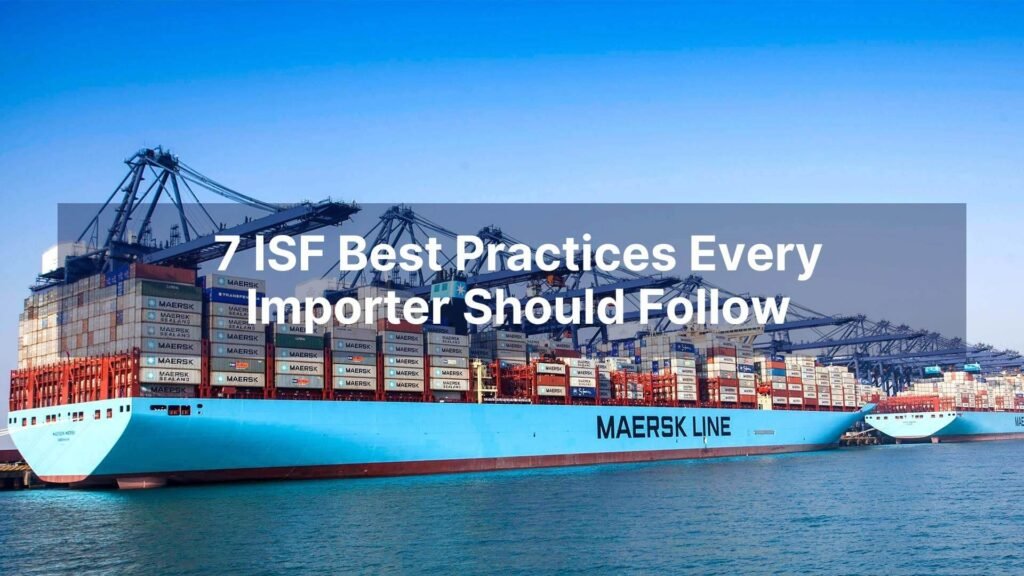
The first paragraph, which uses PAS formula to grab the reader's attention (max 30 words). Importing goods to the U.S. can be a minefield of regulations. Navigating the Importer Security Filing (ISF)1 process requires diligence to avoid costly penalties and delays2.
second paragraph at the beginning, answering the question posed by the title, this paragraph must be HELPFUL to the reader and will be used later to compete for Google's Featured Snippets. (max 50 words) To successfully navigate the complexities of the ISF process, it’s crucial to understand best practices3. Adhering to ISF regulations4 ensures smooth customs clearance5 and helps avoid penalties, delays, and holds on shipments.
The paragraph that begins and ends with a paragraph that will keep the customer from reading further. Ignoring ISF requirements can lead to severe consequences for importers. Furthermore, understanding these best practices3 is essential to ensure compliance and avoid unnecessary costs. Now let’s delve into the essential aspects of ISF that every importer should understand.
What Importers Must Understand About ISF (10+2) Requirements Before Cargo Departs?
The first paragraph, which uses the PAS strategy to grab the reader's attention (max 30 words). ISF (Importer Security Filing) is not just a formality; it’s a critical compliance requirement for all U.S. importers. Understanding ISF is vital to avoid penalties before your cargo even departs.
The second paragraph, which answers the question posed by the headline, is the paragraph that will be used later to compete for Google's Featured Snippets. (max 50 words) ISF requires U.S. importers to submit specific data about their cargo 24 hours before it departs for the U.S. This filing, also known as 10+2, helps U.S. Customs & Border Protection (CBP) assess security risks. Failure to comply can result in delays and fines.

Based on the secondary headings, continue to extend and go deeper, using critical thinking to break down the question. To ensure compliance, importers must submit 10 data elements6 along with 2 additional data elements6 related to the vessel. These elements include details about the consignee, shipper, and cargo. Each piece of data must be accurate and complete. Importers should prioritize understanding the ISF timeline7 and filing process. Failure to meet the submission deadline can trigger hefty fines and delays that disrupt supply chain8s.
| ISF Data Elements | Description |
|---|---|
| Consignee Name | The name of the entity receiving the shipment |
| Shipper Name | The name of the individual or company sending the goods |
| Supplier Name | The manufacturer or supplier of the cargo |
| Port of Unloading | Where the shipment will enter the U.S. |
| Container Numbers | Specific identifiers for each shipping container9 |
| Commodity HTSUS | Harmonized Tariff Schedule10 code for classification |
| Bill of Lading | Document acknowledging receipt of goods for shipment |
| Country of Origin | The country where the goods were manufactured |
| Freight Forwarder | The company handling the logistics of the shipment |
| Importer of Record | The entity responsible for the importation |
The 10 ISF Data Elements That Cause the Most Penalties When Filed Incorrectly?
The first paragraph, which uses the PAS strategy to grab the reader's attention (max 30 words). Filing incorrect data in ISF can lead to significant penalties. Understanding these common pitfalls can save importers from costly mistakes and ensure efficient customs processing.
The second paragraph, which answers the question posed by the headline, is the paragraph that will be used later to compete for Google's Featured Snippets. (max 50 words) The 10 ISF data elements6 include critical information like consignee details, supplier information, and port of unloading. Mistakes in these fields can lead to penalties, delays in customs clearance5, and shipments being flagged for inspection. Importers should ensure all information is accurate and up-to-date.

To avoid penalties, importers should pay close attention to the 10 specific ISF data elements6. Each element requires accurate information. A common error involves incorrect consignee details. Missing or inaccurate supplier information can lead to delays in customs clearance5. Importers should also ensure they provide the correct port of unloading, as discrepancies can trigger inspections. Each data element is crucial in helping U.S. Customs assess risks effectively. By focusing on accuracy, importers can improve their chances for smooth clearance.
| Common Errors | Consequences |
|---|---|
| Incorrect Consignee | Penalties, Delays |
| Missing Supplier Info | Customs Holds |
| Wrong Port of Unloading | Increased Inspections |
ISF Filing Timelines: How Late or Incorrect Submissions Trigger Fines and Exams?
The first paragraph, which uses the PAS strategy to grab the reader's attention (max 30 words). Timeliness is crucial in the world of import compliance11. Late ISF submissions can lead to inspections and hefty fines, impacting your bottom line.
The second paragraph, which answers the question posed by the headline, is the paragraph that will be used later to compete for Google's Featured Snippets. (max 50 words) ISF must be filed no later than 24 hours before a vessel departs from the foreign port. Late filings or inaccuracies can trigger fines, delays, and more thorough customs examinations, significantly impacting the importer’s supply chain8 and adding unexpected costs.
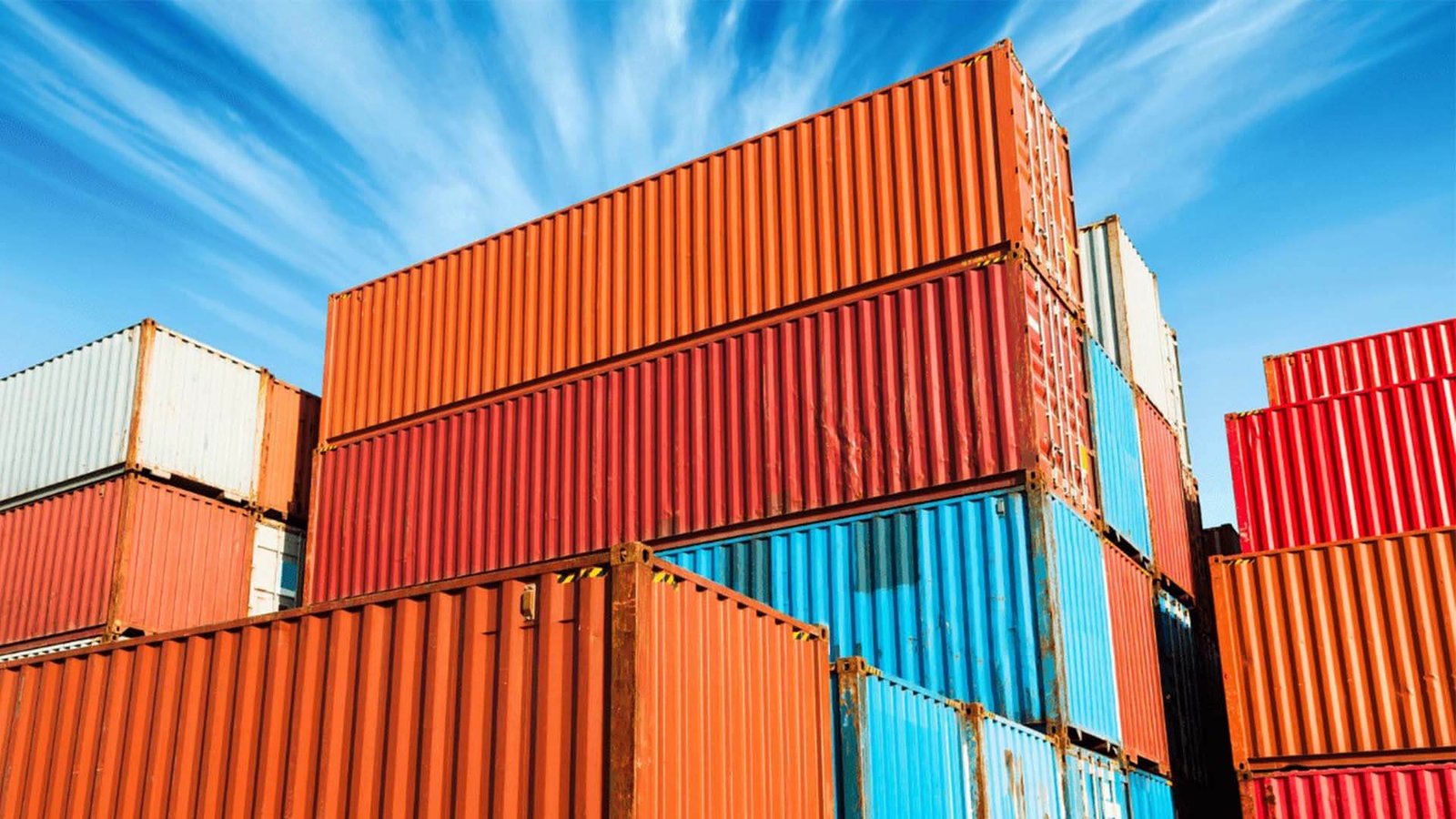
Staying ahead of filing deadlines is a critical part of ISF compliance. Timely submissions help prevent issues that could halt the supply chain8. Importers must be aware that ISF filings must occur at least 24 hours before departure. Late submissions not only incur penalties but also increase the likelihood of customs examinations. Inaccuracies in your filing can have the same effect. Therefore, maintaining a strict timeline and double-checking information are essential best practices3. Developing an internal process for timely filing can mitigate risks of delays.
| Filing Timelines | Required Actions |
|---|---|
| 24 Hours Before Departure | Submit ISF Filing |
| Late Submission | Expect Fines |
| Incorrect Data | Prepare for Inspections |
Who Is Legally Responsible for ISF Compliance and How Importers Can Reduce Risk?
The first paragraph, which uses the PAS strategy to grab the reader's attention (max 30 words). Understanding legal responsibilities can save U.S. importers from costly penalties. Knowing who is liable for ISF compliance is crucial for successful importing.
The second paragraph, which answers the question posed by the headline, is the paragraph that will be used later to compete for Google's Featured Snippets. (max 50 words) The U.S. importer is legally responsible for ISF filing, even if they hire a customs broker12 or freight forwarder13 to submit the data. Importers should ensure they work with reliable partners and review all filings to minimize the risk of non-compliance14, penalties, and customs delays.
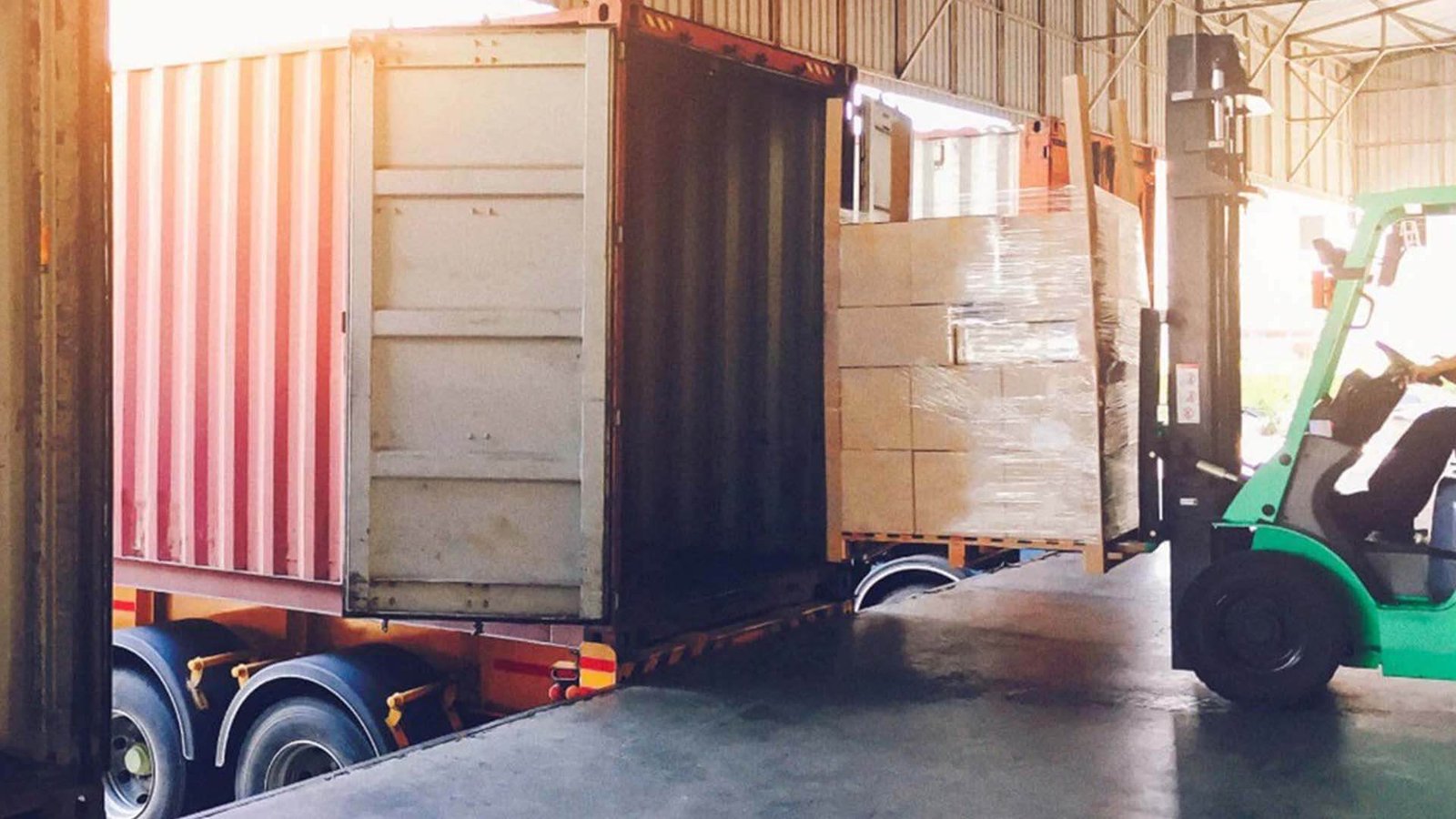
Importers must recognize that they hold the ultimate responsibility for ISF compliance. Hiring a customs broker12 or freight forwarder13 does not eliminate this responsibility. By collaborating with experienced partners, importers can reduce risks associated with non-compliance14. It’s also important to review all submitted filings to ensure accuracy. Regular training for staff involved in ISF processes can enhance compliance awareness15. Establishing a clear line of communication with partners can also facilitate better data handling and timely filings, ensuring smoother operations.
| Compliance Responsibility | Actions for Importers |
|---|---|
| U.S. Importer | Review Filings |
| Customs Broker | Collaborate Effectively |
| Staff Training | Enhance Compliance Awareness |
Common ISF Errors That Lead to Holds, Exams, and Supply Chain Delays
The first paragraph, which uses the PAS strategy to grab the reader's attention (max 30 words). Common ISF errors can halt shipments and increase costs. Identifying these errors is essential for U.S. importers to maintain a smooth supply chain8.
The second paragraph, which answers the question posed by the headline, is the paragraph that will be used later to compete for Google's Featured Snippets. (max 50 words) Common ISF errors include incorrect or missing consignee details, shipment description16 inaccuracies, and late submissions. These errors can result in customs holds17, increased inspection frequency, and delays in supply chain8 operations. Implementing a thorough review process can prevent such issues.
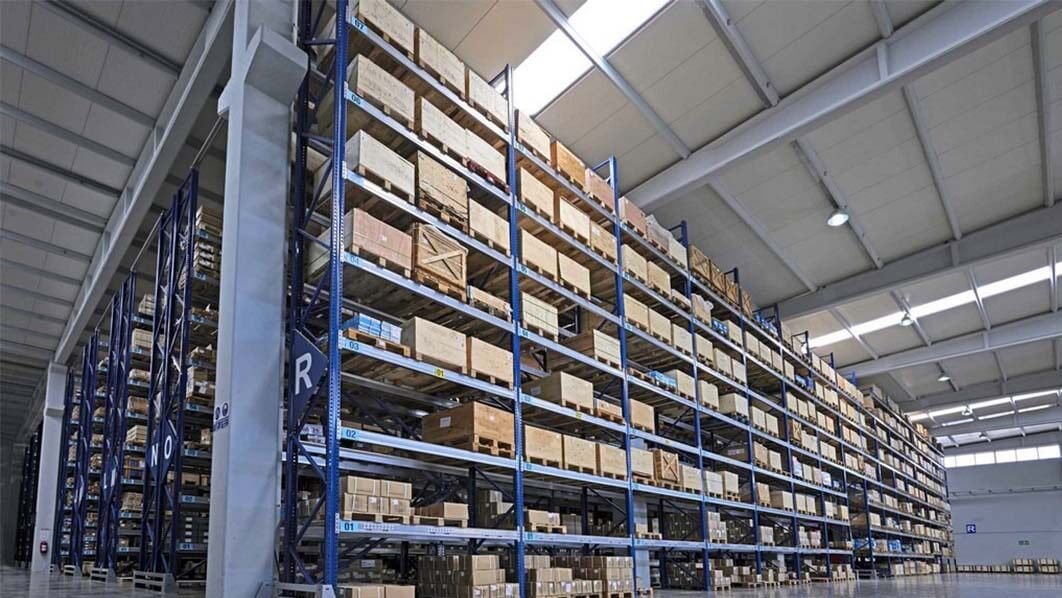
To enhance the efficiency of ISF filing, importers should be aware of typical errors that lead to delays. Missing consignee information is a frequent issue. Inaccuracies in shipment description16s can trigger inspections, while late submissions lead to fines. Implementing a review checklist can significantly reduce the chances of these common mistakes. Ensuring that each team member involved in the ISF process understands the requirements will also help minimize errors. Regular audits of ISF filings can further improve compliance and operational efficiency.
| Common Errors | Preventative Measures |
|---|---|
| Missing Consignee Details | Review Checklist |
| Inaccurate Shipment Descriptions | Conduct Training |
| Late Submissions | Set Internal Deadlines |
How Working With a Customs Broker and Freight Forwarder Improves ISF Accuracy and Compliance
The first paragraph, which uses the PAS strategy to grab the reader's attention (max 30 words). Partnering with experts can transform your ISF filing process. With the right support, U.S. importers can achieve high compliance rates and avoid costly mistakes.
The second paragraph, which answers the question posed by the headline, is the paragraph that will be used later to compete for Google's Featured Snippets. (max 50 words) Partnering with a customs broker12 and freight forwarder13 helps ensure ISF filings are accurate and timely. These professionals have expertise in handling complex documentation and navigating CBP regulations, reducing the risk of non-compliance14, fines, and unnecessary delays for U.S. importers.

Working with a customs broker12 and freight forwarder13 can significantly improve the ISF filing process. These professionals possess in-depth knowledge and experience to navigate complex regulations. They help ensure accuracy and timeliness in submissions. Furthermore, they can provide valuable insights into best practices3 for compliance. This partnership minimizes the risks associated with penalties and delays2. Importers should consider regularly consulting with these experts to stay updated on changes in regulations and practices. Investing in this expertise can lead to smoother import operations18 and enhanced supply chain8 efficiency.
| Benefits of Partnership | Key Takeaways |
|---|---|
| Improved Accuracy | Consult Regularly |
| Timely Submissions | Stay Updated |
| Risk Reduction | Invest in Expertise |
Conclusion
ISF compliance is not just a requirement; it’s a strategic advantage for U.S. importers. Following best practices3 can save time and money.
Understanding ISF is crucial for compliance and avoiding penalties in U.S. imports. ↩
Explore the consequences of ISF non-compliance to safeguard your import operations. ↩
Learn about best practices to enhance your ISF filing process and avoid penalties. ↩
Familiarize yourself with ISF regulations to ensure compliance and avoid costly mistakes. ↩
Learn about customs clearance to ensure smooth import processes and avoid delays. ↩
Discover the critical data elements needed for ISF filing to ensure compliance. ↩
Understanding the ISF timeline is essential for timely submissions and avoiding fines. ↩
Explore the relationship between ISF compliance and supply chain efficiency. ↩
Understand the necessary details for shipping containers to ensure accurate ISF filings. ↩
Understanding HTS codes is vital for accurate customs classification and compliance. ↩
Discover best practices for import compliance to streamline your ISF process. ↩
Find out how customs brokers can enhance your ISF filing accuracy and compliance. ↩
Learn how freight forwarders can assist in ISF compliance and improve efficiency. ↩
Understand the risks associated with non-compliance to protect your business. ↩
Explore strategies to improve compliance awareness among your team for better ISF filing. ↩
Get insights on crafting accurate shipment descriptions to avoid customs issues. ↩
Identify the reasons for customs holds to prevent delays in your shipments. ↩
Explore how ISF compliance can lead to more efficient import operations. ↩