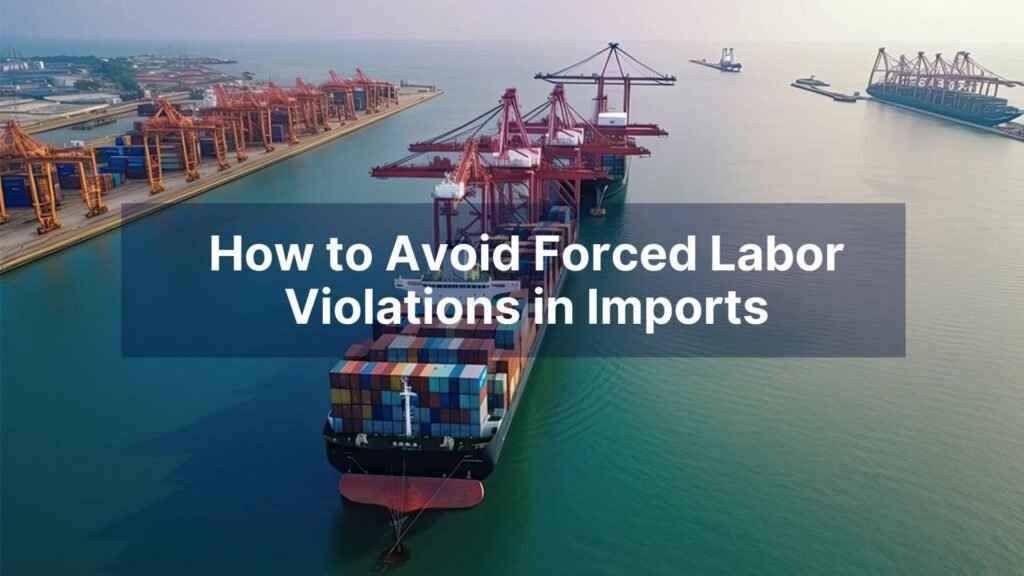
The issue of forced labor in global supply chains1 is concerning. Many U.S. importers face challenges to comply with strict regulations. Ignoring these can lead to severe consequences, including legal risks and damaged reputations.
U.S. importers must comply with laws such as the Tariff Act2 and the U.S. Customs & Border Protection (CBP) forced labor prohibition3. Non-compliance can result in penalties, shipment seizures, and reputational damage. Importers can mitigate risk by staying informed about regulations and ensuring that all suppliers meet forced labor-free standards.
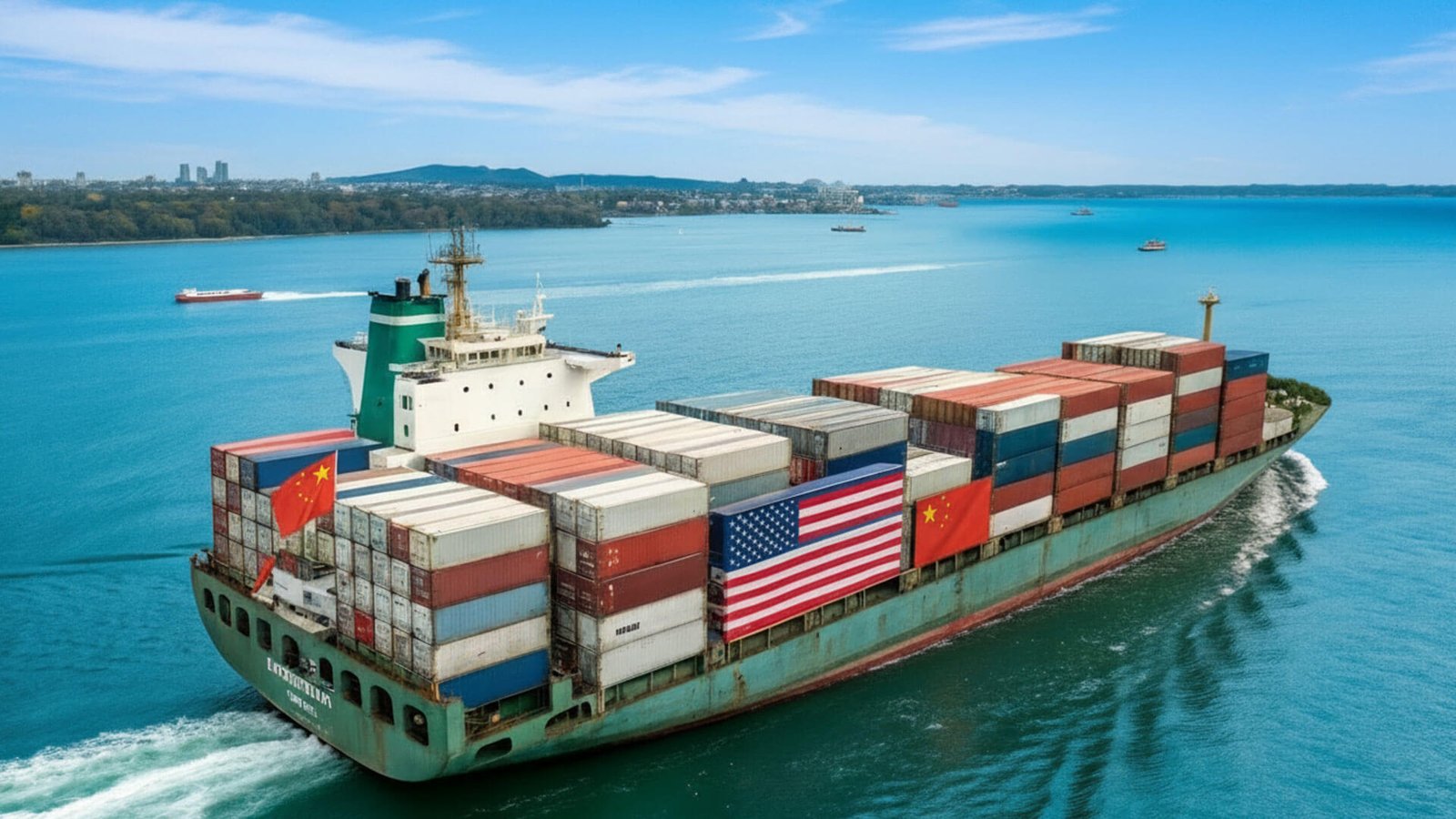
The challenges of maintaining a forced labor-free supply chain can be daunting. However, understanding and implementing effective compliance measures is essential to protect your business.
How U.S. Importers Can Comply with Forced Labor Regulations and Avoid Legal Risks?
It’s vital for U.S. importers to grasp the importance of compliance with forced labor laws. Ignoring these laws can expose businesses to significant risks.
U.S. importers must comply with laws such as the Tariff Act2 and the U.S. Customs & Border Protection (CBP) forced labor prohibition3. Non-compliance can result in penalties, shipment seizures, and reputational damage. Importers can mitigate risk by staying informed about regulations and ensuring that all suppliers meet forced labor-free standards.
Understanding the regulations is just the first step. Importers must develop a systematic approach to compliance. Some key elements include:
- Regular Training: Educate staff on forced labor laws.
- Supplier Verification: Ensure suppliers know and comply with regulations.
- Documentation: Keep accurate records on all suppliers and their practices.
Best Practices for Conducting Due Diligence on Suppliers to Prevent Forced Labor Violations?
The process of due diligence is critical in preventing forced labor violations. Importers must go beyond just checking the box.
Importers can prevent forced labor violations by implementing comprehensive due diligence programs4, including supplier audits5, certifications, and monitoring. Establishing clear contracts, requiring transparency, and actively engaging in ongoing supplier assessments are essential for ensuring a forced labor-free supply chain.
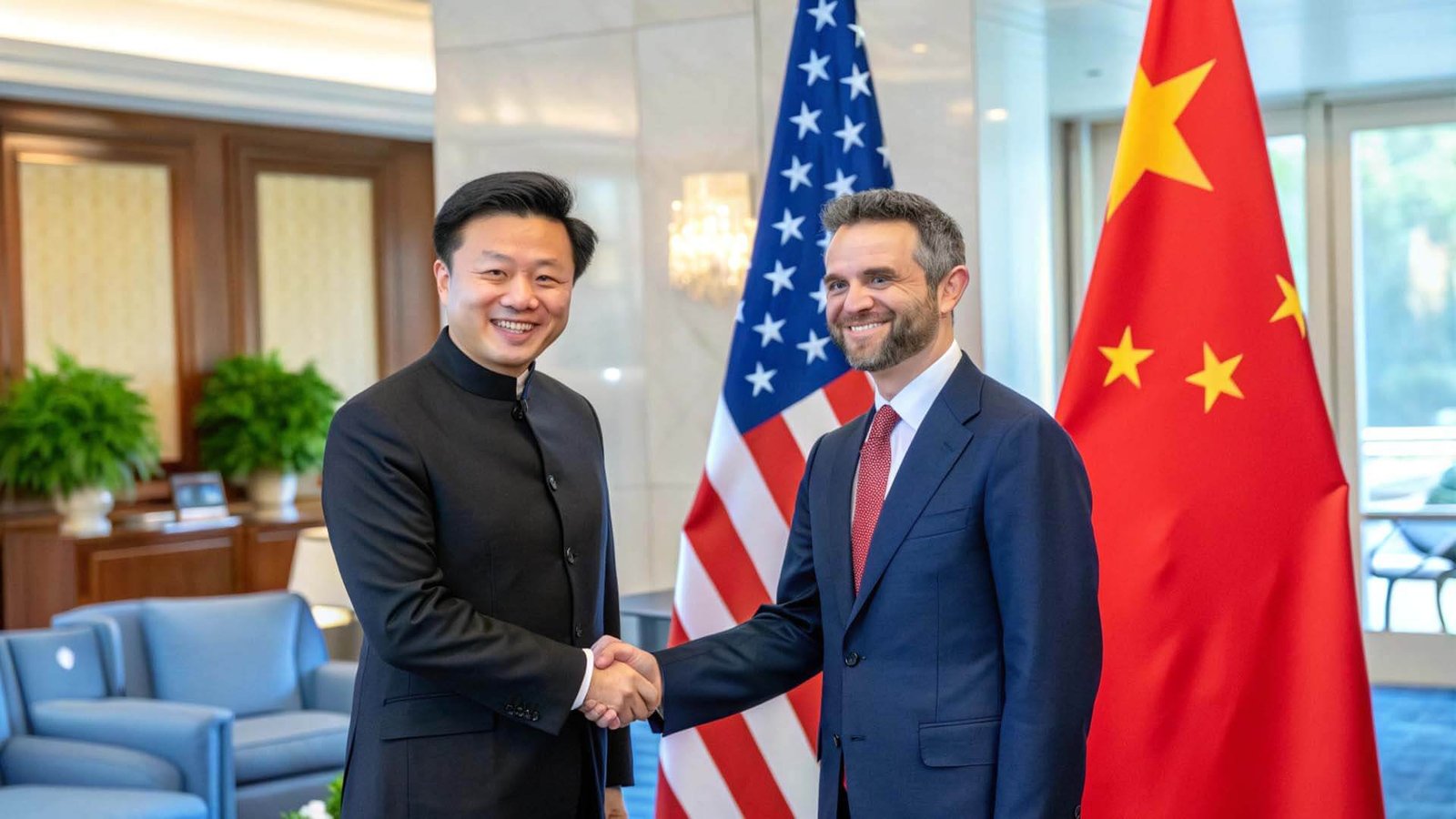
Effective due diligence involves various strategies:
- Supplier Audits: Conduct regular assessments to evaluate practices.
- Certifications: Require suppliers to have proof of compliance.
- Contractual Obligations: Clearly outline expectations in agreements.
By implementing these best practices, importers can substantially reduce risks associated with forced labor.
How to Build a Forced Labor-Free Supply Chain and Protect Your Brand?
Building a forced labor-free supply chain is not just about compliance; it’s also about protecting your brand.
To build a forced labor-free supply chain, importers should establish strong supplier relationships, enforce strict compliance standards, and conduct regular audits. Transparency, supplier certifications, and robust reporting systems are key to protecting both legal compliance and brand reputation.
The following elements are crucial in creating a compliant supply chain:
- Strong Relationships: Build trust with suppliers through open communication.
- Compliance Standards: Define clear standards and monitor adherence.
- Regular Audits: Schedule frequent reviews to ensure compliance.
A strong supply chain is essential not only for legal reasons but also for maintaining trust with customers and stakeholders.
Understanding U.S. Customs and Border Protection’s Role in Enforcing Forced Labor Laws?
U.S. Customs and Border Protection (CBP) plays a pivotal role in enforcing forced labor laws. Understanding their function can help importers navigate compliance.
U.S. Customs and Border Protection (CBP) plays a crucial role in enforcing forced labor laws by preventing goods produced with forced labor from entering the U.S. CBP uses tools such as the Withhold Release Orders (WROs)6 to block shipments, making it vital for importers to comply with regulations to avoid enforcement actions.
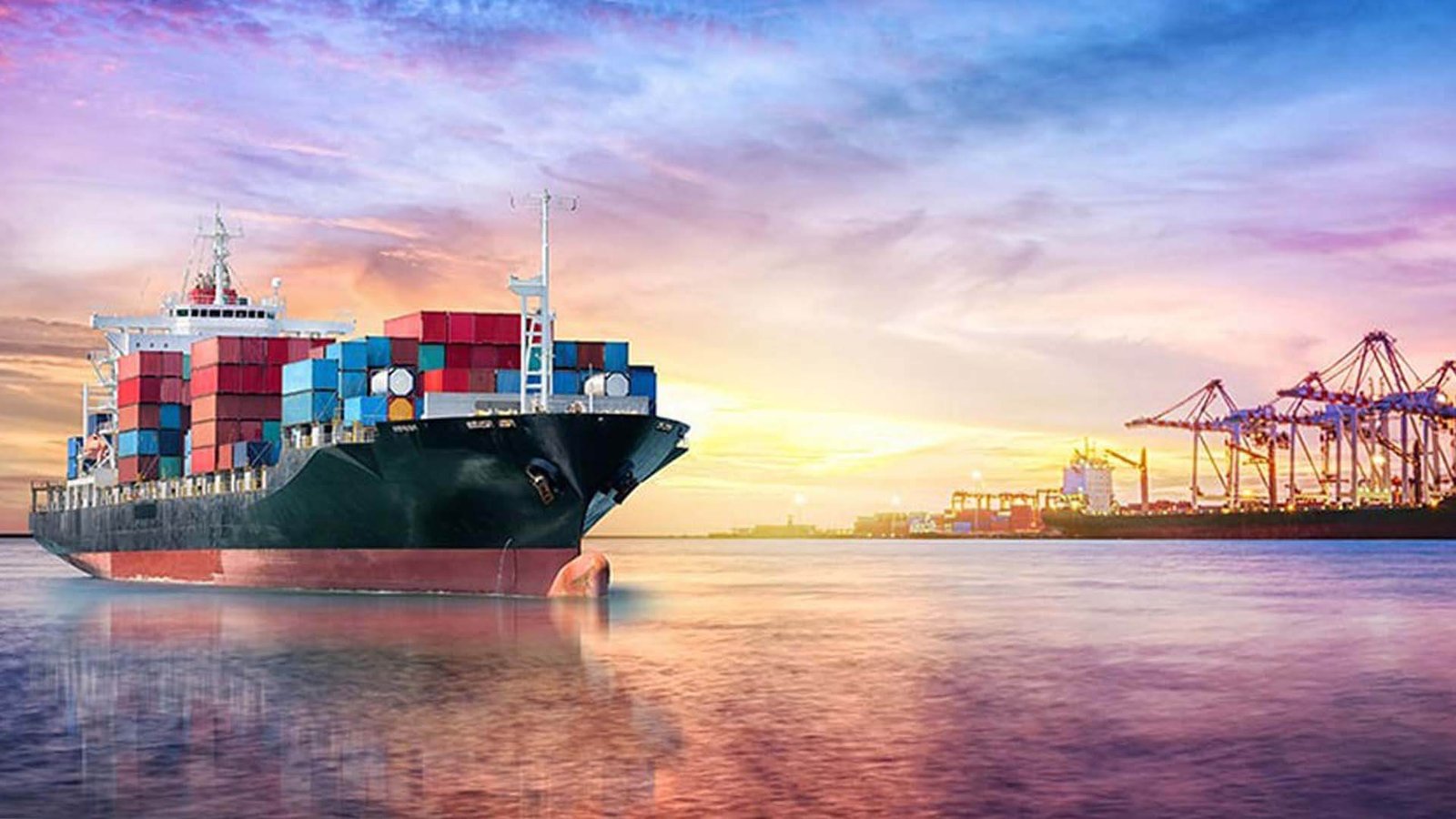
CBP enforcement mechanisms include:
- Withhold Release Orders (WROs)6: Tools used to prevent entry of non-compliant goods.
- Investigations: CBP conducts investigations into suspected violations.
- Collaboration with Importers: They work with importers to improve compliance.
Understanding CBP's role can help importers take proactive steps to maintain compliance.
Common Red Flags for Forced Labor Violations in Global Supply Chains and How to Spot Them?
Spotting red flags early can save importers from significant issues down the road.
Common red flags for forced labor violations7 include lack of transparency in supply chains8, unusually low wages, excessive working hours, and restricted movement of workers. U.S. importers should actively monitor and investigate any irregularities or concerns that may indicate forced labor.
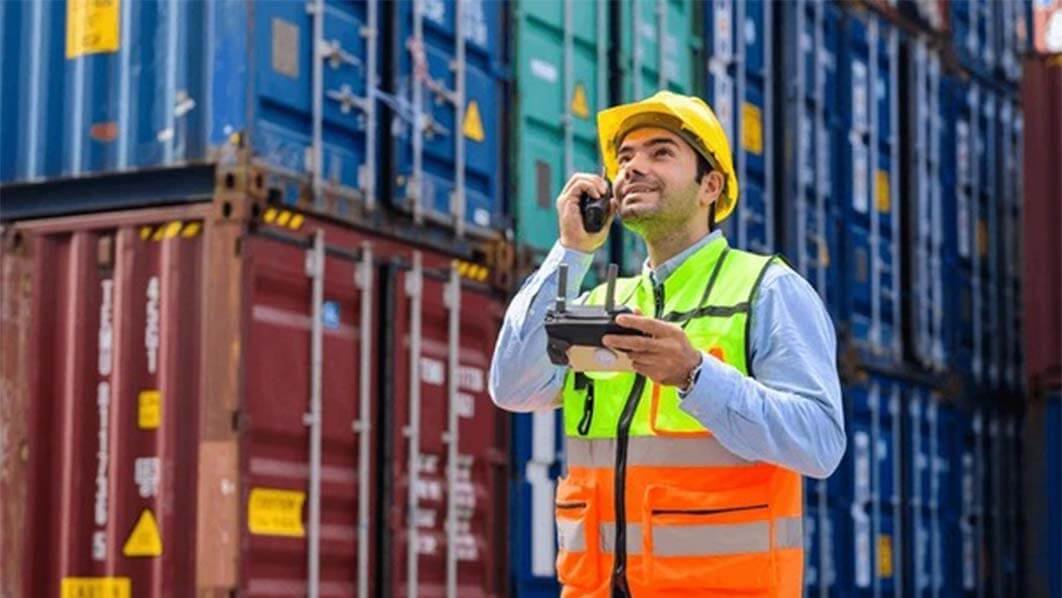
Key indicators to watch for include:
- Lack of Transparency: Unclear supply chain practices.
- Suspicious Pay Rates: Unusually low wages relative to the market.
- Worker Restrictions: Limitations on workers’ freedom.
By staying vigilant, importers can mitigate risks associated with forced labor.
How to Leverage Technology and Third-Party Audits to Ensure Compliance with Forced Labor Laws?
Technology can play a significant role in ensuring compliance.
Importers can leverage technology like blockchain9 and AI-powered monitoring tools10 to ensure supplier compliance with forced labor laws. Third-party audits provide an additional layer of verification, ensuring that suppliers meet ethical standards and reducing the risk of forced labor violations.
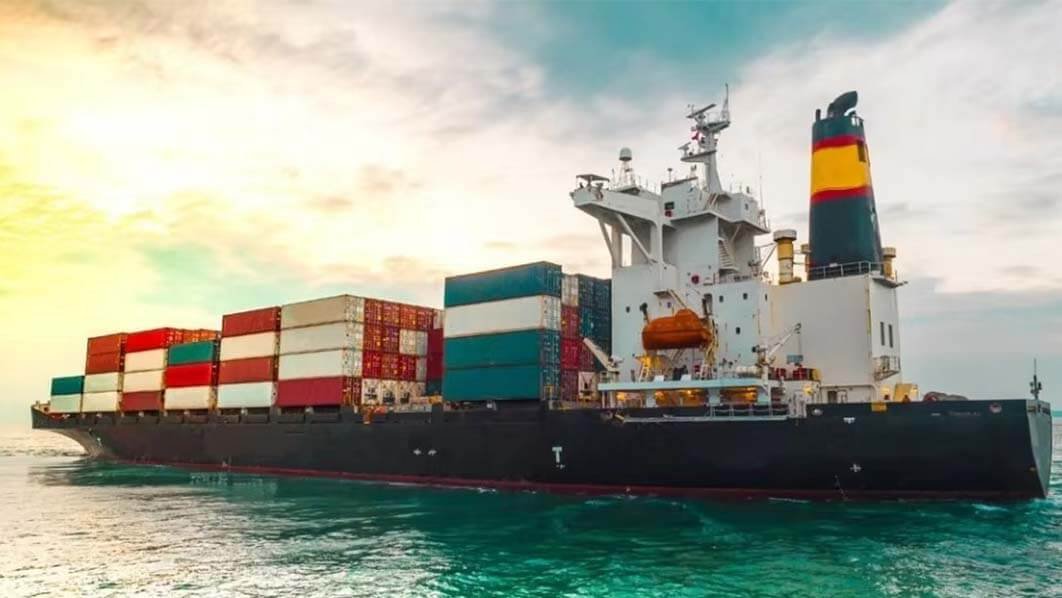
Here are ways technology can assist:
- Blockchain: Provides transparency and traceability in the supply chain.
- AI Tools: Monitor supplier practices in real-time.
- Third-Party Auditors: Verify compliance through independent assessments.
Using these tools effectively can bolster an importer’s compliance strategy.
Conclusion
Complying with forced labor laws is essential for U.S. importers. By understanding regulations and implementing best practices, businesses can protect themselves and promote ethical supply chains.
Understanding the impacts of forced labor helps businesses recognize the importance of ethical practices and compliance in their supply chains. ↩
Learning about the Tariff Act's role in forced labor regulations helps importers understand legal obligations and compliance strategies. ↩
Exploring CBP's enforcement methods can guide importers in aligning their practices with legal requirements to avoid penalties. ↩
Implementing robust due diligence programs helps importers proactively prevent forced labor violations and protect their reputation. ↩
Regular supplier audits ensure compliance with forced labor laws, reducing risks and promoting ethical supply chain practices. ↩
Understanding WROs helps importers navigate compliance challenges and avoid shipment seizures due to forced labor violations. ↩
Identifying red flags early helps importers address potential forced labor issues, safeguarding their business and reputation. ↩
Transparency is key to identifying and addressing forced labor issues, fostering trust and compliance in global supply chains. ↩
Blockchain offers traceability and transparency, essential for verifying ethical practices and preventing forced labor violations. ↩
AI tools provide real-time insights into supplier practices, enhancing compliance and reducing the risk of forced labor violations. ↩