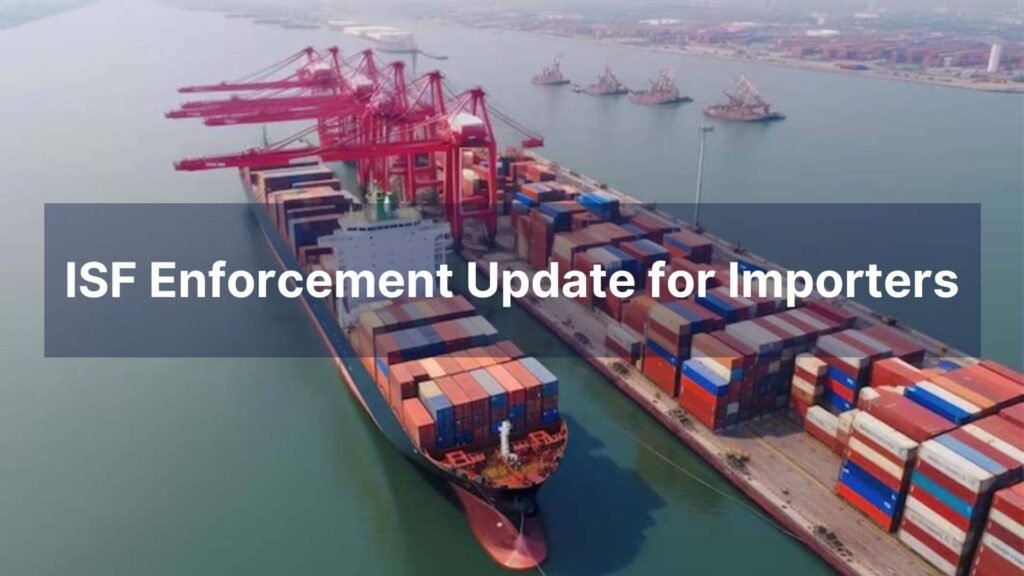
The landscape of importing is shifting due to changes in Importer Security Filing (ISF) regulations1. As penalties increase, it's crucial for U.S. importers to stay informed and compliant.
U.S. Customs & Border Protection (CBP)2 has significantly increased enforcement of Importer Security Filing (ISF) requirements, with stricter penalties for non-compliance3. Importers must ensure they file ISF documents on time, with accurate information, to avoid fines and delays in customs clearance, which can disrupt the supply chain4.

Understanding these changes is vital. If you ignore them, your shipments could face delays, fines, or even inspections. Staying compliant is key to a seamless import process. Let's explore what you need to know.
What U.S. Importers Need to Know About Recent ISF Enforcement Changes and Penalties?
The recent updates to ISF enforcement have caught many importers off guard. With stricter oversight from CBP5, penalties for late or inaccurate filings have increased. I’ve seen firsthand the chaos that can result from these changes. Many importers assume they can file at their convenience, but this is no longer the case.
U.S. Customs & Border Protection (CBP)2 has significantly increased enforcement of Importer Security Filing (ISF) requirements, with stricter penalties for non-compliance3. Importers must ensure they file ISF documents on time, with accurate information, to avoid fines and delays in customs clearance, which can disrupt the supply chain4.
Filing an ISF is no longer just a formality; it’s a critical step in your import process6. One small mistake can lead to hefty fines, holding up your shipments and costing you money.
The Key Changes to ISF Enforcement
- Increased Penalties7: Late or inaccurate filings now incur higher fees.
- Tighter Deadlines8: Filings must be submitted 24 hours before the vessel departs.
- Enhanced Audits9: CBP is conducting more audits to ensure compliance.
These changes are meant to secure our borders, but they also demand that importers be more diligent about their filings.
How to Avoid Common ISF Filing Errors and Prevent Costly Penalties?
I often hear from importers who have faced penalties due to simple mistakes. The good news is that many of these errors can be avoided. I believe the key is thorough preparation and verification.
Common ISF filing errors10, such as incorrect consignee information or missing data elements, can result in penalties or delays. U.S. importers can avoid these issues by thoroughly reviewing their filings, working with experienced customs broker11s, and utilizing automated tools to streamline the process.
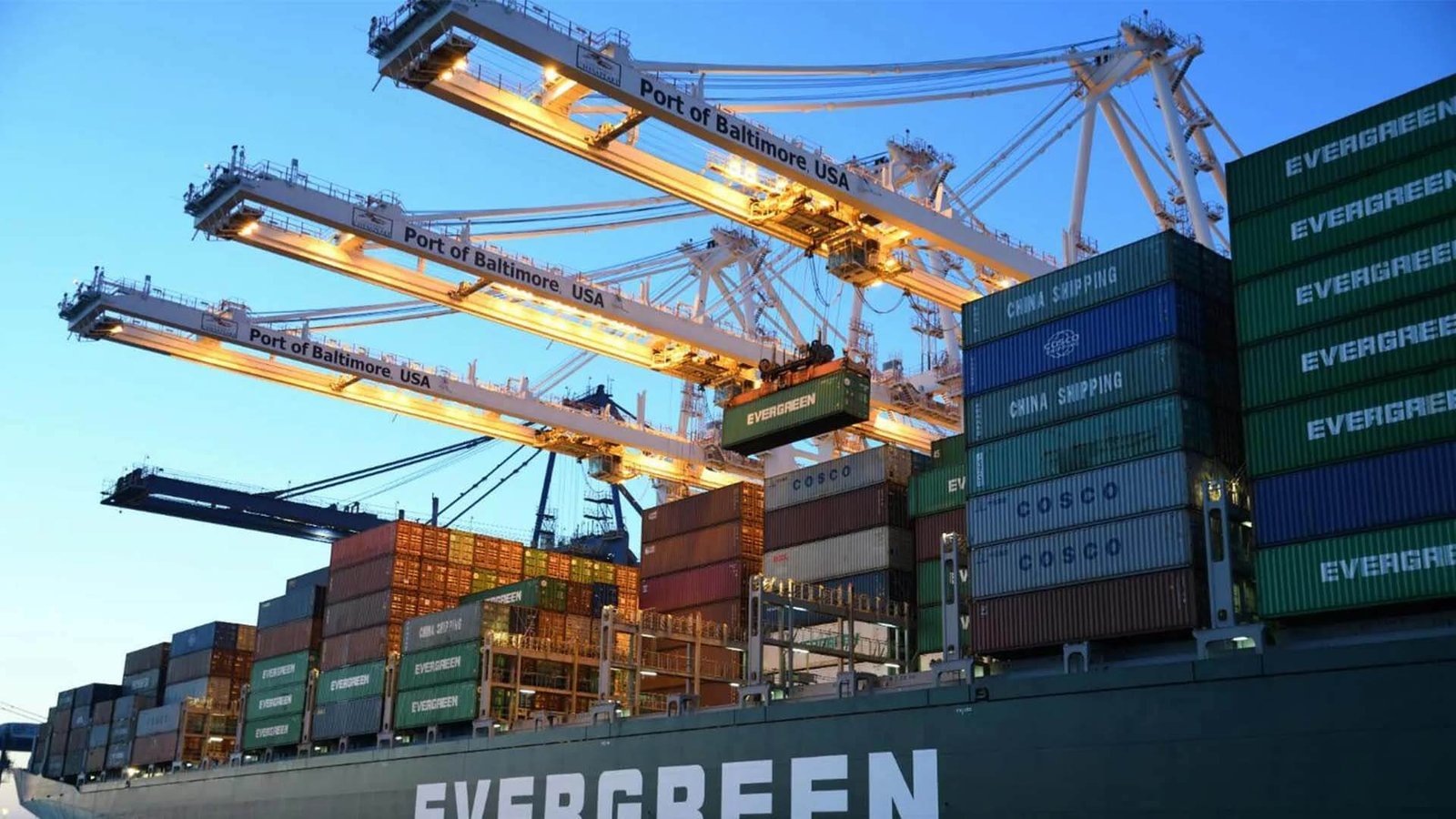
To avoid these costly pitfalls, take the time to double-check your filings. Implementing a checklist might be a great way to ensure you don’t miss anything.
Common Mistakes to Watch For
- Incorrect consignee details: Double-check names and addresses.
- Missing shipping information: Ensure all required data elements are included.
- Late submissions: Remember the 24-hour rule before vessel departure.
Working with a customs broker11 can also help you navigate these common errors. They have the experience and knowledge to ensure your filings are accurate and submitted on time.
The Impact of Late or Missing ISF Filings on Your Shipments and Customs Clearance?
The consequences of late or missing ISF filings can be severe. I’ve seen how one oversight can cascade into significant delays and increased costs. It’s not just about the fine; it affects your entire supply chain.
Late or missing ISF filings12 can lead to shipments being delayed, fines, and additional inspections. This can disrupt supply chains and increase costs for U.S. importers. Ensuring timely and complete filings helps minimize the risk of customs holds and delays, ensuring smoother operations.
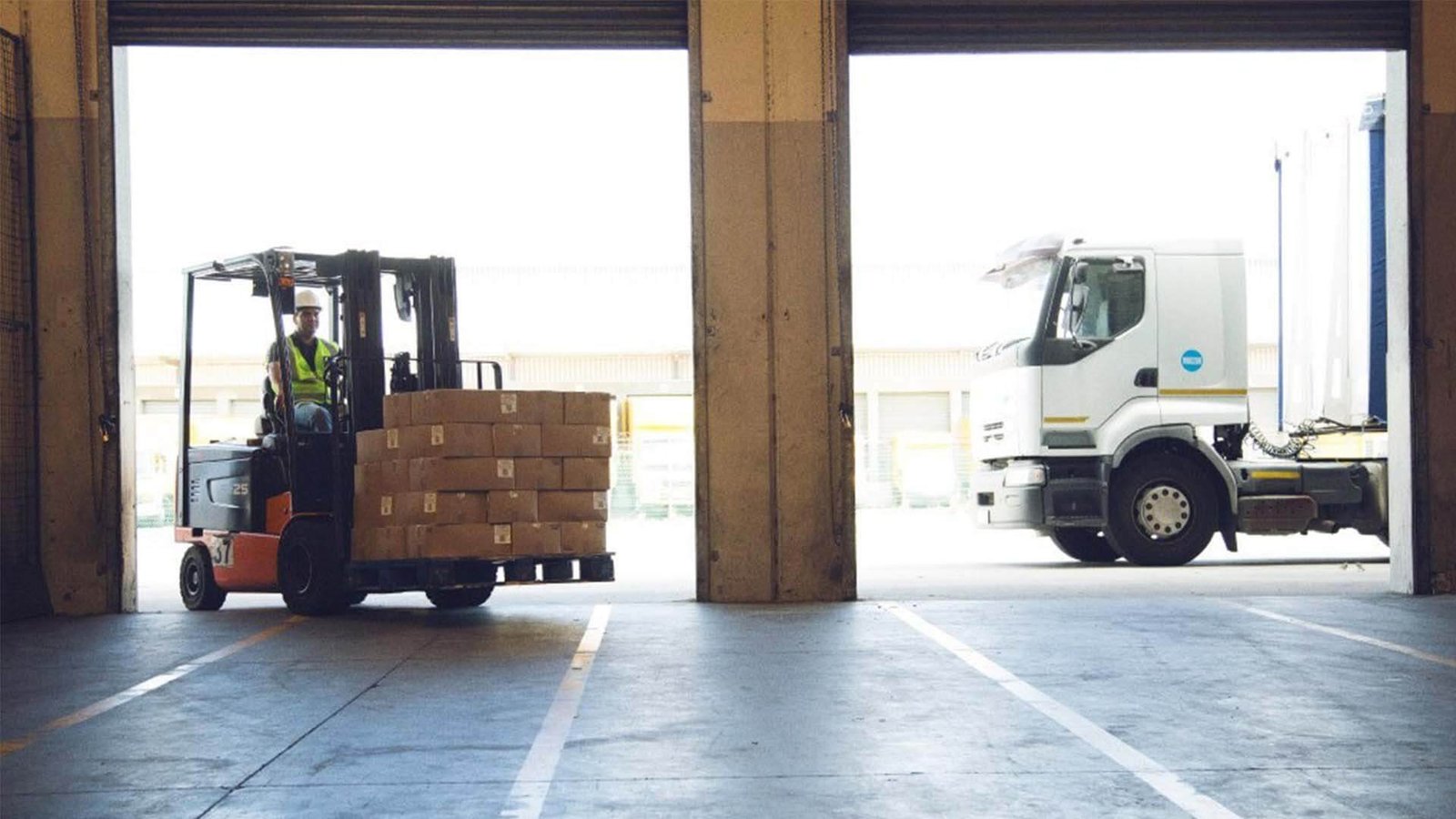
Every delay can ripple through your operations, causing customer dissatisfaction and lost profits. It’s essential to prioritize timely filings.
Potential Impacts of Delays
- Increased Costs: Financial penalties for late filings can add up quickly.
- Supply Chain Disruptions: Delays can halt production and lead to missed deadlines.
- Damage to Reputation: Long delays can harm relationships with suppliers and customers.
To mitigate these risks, develop a proactive approach to your ISF filings. Consider setting reminders or using automated filing systems that help you stay on track.
What’s Required for Accurate ISF Filing and How to Ensure Compliance?
Keeping up with compliance can be daunting. However, understanding what’s required for accurate ISF filing can ease your mind. It boils down to providing specific data elements accurately.
Accurate ISF filings require 10 specific data elements13, including consignee details, the port of unlading, and container stuffing location. U.S. importers must submit this information at least 24 hours before vessel departure to comply with CBP regulations and avoid enforcement actions.
Here’s a table that summarizes the essential data elements:
| ISF Data Element | Description |
|---|---|
| Consignee details | Name and address of the consignee |
| Seller information | Name and address of the seller |
| Buyer information | Name and address of the buyer |
| Ship-to address | Where the goods are delivered |
| Port of unlading | Where the goods will enter the U.S. |
| Container stuffing location | Where the containers are stuffed |
| Description of the goods | General description of the cargo |
| Quantity of goods | Total quantity of the goods |
| Shipping details | Mode of transport and location |
| Manufacturer information | Details about the manufacturer |
Knowing these elements can help ensure your filings are accurate. When in doubt, consult your customs broker11.
How to Mitigate ISF Penalties: Best Practices for U.S. Importers?
I often recommend a proactive approach to mitigate potential penalties. Implementing best practices can save you from expensive mistakes.
To mitigate ISF penalties, U.S. importers should implement a robust compliance system14 that includes regular audits, training for staff on filing requirements, and working with customs broker11s to ensure accuracy. Promptly addressing any discrepancies or late filings can reduce potential fines.

Here are some best practices to consider:
- Regular Audits: Conduct audits to identify potential areas of non-compliance.
- Staff Training: Ensure your team understands ISF requirements.
- Use Automation: Implement software to streamline the filing process.
A proactive compliance strategy can help you avoid penalties and keep your operations running smoothly.
Who Is Responsible for ISF Filing, and How to Streamline the Process for Your Shipments?
Understanding responsibility in the ISF filing process is crucial. Many importers believe they can delegate this task without worry, but ultimate accountability lies with them.
While the U.S. importer is ultimately responsible for ISF filing, they can delegate the task to a customs broker11 or freight forwarder. Streamlining the process involves using reliable partners, implementing automated solutions for data entry, and staying updated on regulatory changes to maintain compliance.
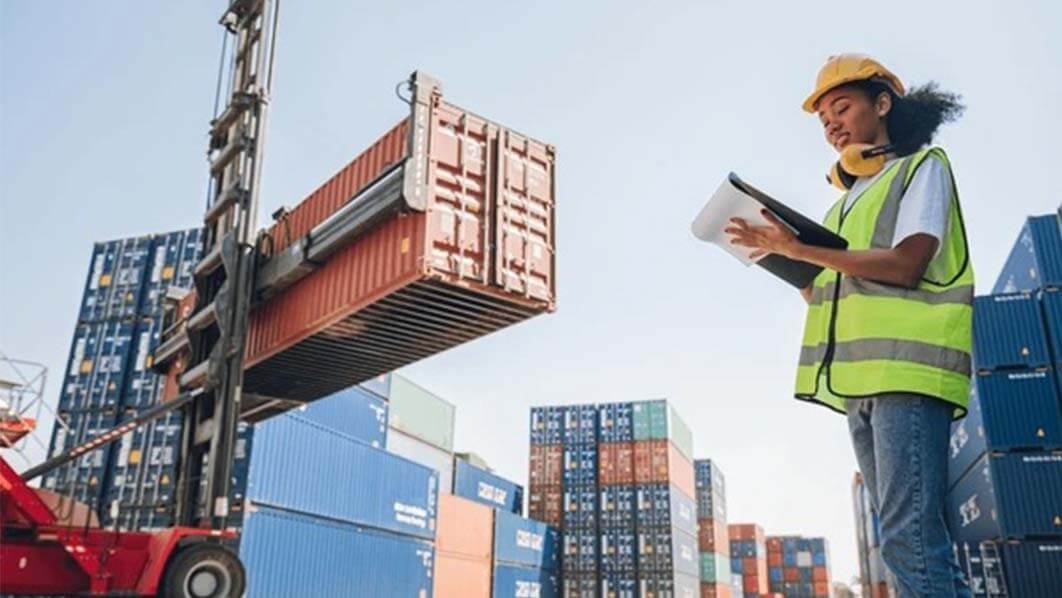
It’s essential to work closely with trusted partners. Here are some tips to streamline your process:
- Choose Reliable Partners: Work with experienced customs broker11s who understand the landscape.
- Automate Where Possible: Use technology to reduce manual entry errors.
- Stay Informed: Regularly update yourself on ISF regulations and deadlines.
Streamlining your ISF process can save you time and money, allowing you to focus on growing your business.
Conclusion
Staying informed about ISF enforcement and compliance is essential for U.S. importers. Prioritize accuracy, timely filings, and best practices to avoid costly penalties.
Understanding the latest ISF regulations is crucial for importers to avoid penalties and ensure smooth customs clearance. ↩
Exploring CBP's enforcement strategies can help importers stay compliant and avoid disruptions in their supply chain. ↩
Knowing the penalties for non-compliance can motivate importers to adhere to ISF regulations and avoid costly fines. ↩
Understanding the impact of ISF non-compliance on the supply chain can help importers prioritize timely and accurate filings. ↩
Learning about CBP's oversight can prepare importers for audits and ensure they meet ISF requirements. ↩
Understanding the importance of ISF filing can help importers prioritize compliance and avoid disruptions. ↩
Knowing the increased penalties can encourage importers to file ISF documents accurately and on time. ↩
Being aware of tighter deadlines can help importers plan their filings to avoid penalties and delays. ↩
Understanding enhanced audits can help importers prepare for compliance checks and avoid penalties. ↩
Identifying common errors can help importers improve their filing accuracy and avoid penalties. ↩
Working with a customs broker can streamline the ISF filing process and ensure compliance with regulations. ↩
Understanding the consequences can motivate importers to prioritize timely and accurate ISF filings. ↩
Knowing the required data elements can help importers ensure their ISF filings are complete and accurate. ↩
Implementing a compliance system can help importers avoid penalties and ensure smooth operations. ↩