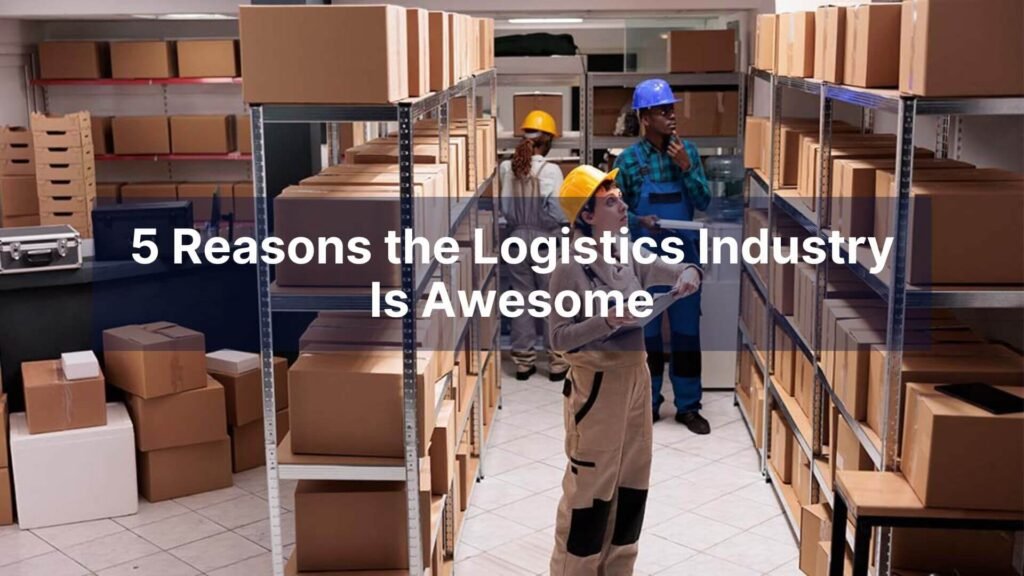
Efficient logistics management1 is key to the success of U.S. importers. It affects everything from speed and cost to reliability. In a world where every second counts, understanding logistics can give you a competitive edge.
Efficient logistics management1 is critical for U.S. importers as it directly affects the speed, cost, and reliability of shipments. By optimizing logistics, importers can reduce delays, avoid supply chain bottlenecks2, and ensure their goods reach the market on time, enhancing their competitive advantage.
Many U.S. importers underestimate the importance of logistics management. However, it is the backbone of their supply chains. A well-structured logistics system can reduce operational costs3, improve delivery times, and enhance customer satisfaction4. The right logistics strategy helps in avoiding supply chain issues and maximizing efficiency.
Why Efficient Logistics Management Is Crucial for U.S. Importers’ Supply Chain Success?
Effective logistics management is essential for U.S. importers aiming for supply chain success. When logistics are managed efficiently, it leads to smoother operations and reduced costs. Many people don’t realize that poor logistics can cause delays and increased expenses. That’s why investing in logistics is crucial for maintaining competitiveness.
Efficient logistics management1 is critical for U.S. importers as it directly affects the speed, cost, and reliability of shipments. By optimizing logistics, importers can reduce delays, avoid supply chain bottlenecks2, and ensure their goods reach the market on time, enhancing their competitive advantage.
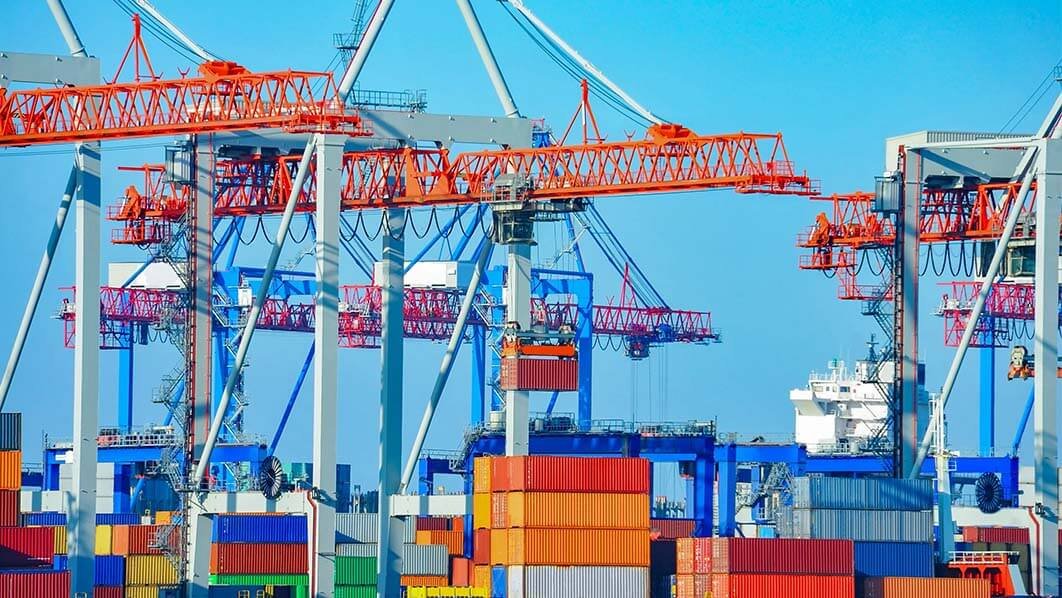
A well-oiled logistics machine helps U.S. importers face market challenges with confidence. It involves planning, execution, and control of the flow of goods, which greatly determines how well a business performs. The benefits are clear—improved delivery speed, reduced costs, and overall operational efficiency.
How Advanced Logistics Technology Enhances Shipping Efficiency and Reduces Costs?
Technology plays a vital role in modern logistics. With advancements like automated systems and real-time data, U.S. importers can navigate complexities with ease. These technological tools not only streamline operations but also lead to significant cost savings.
Advanced logistics technology5, such as automated tracking systems, real-time data analytics6, and AI-driven forecasting tools7, helps U.S. importers streamline operations. These innovations reduce shipping costs, improve route planning, and enhance inventory management, leading to faster, more cost-effective deliveries.
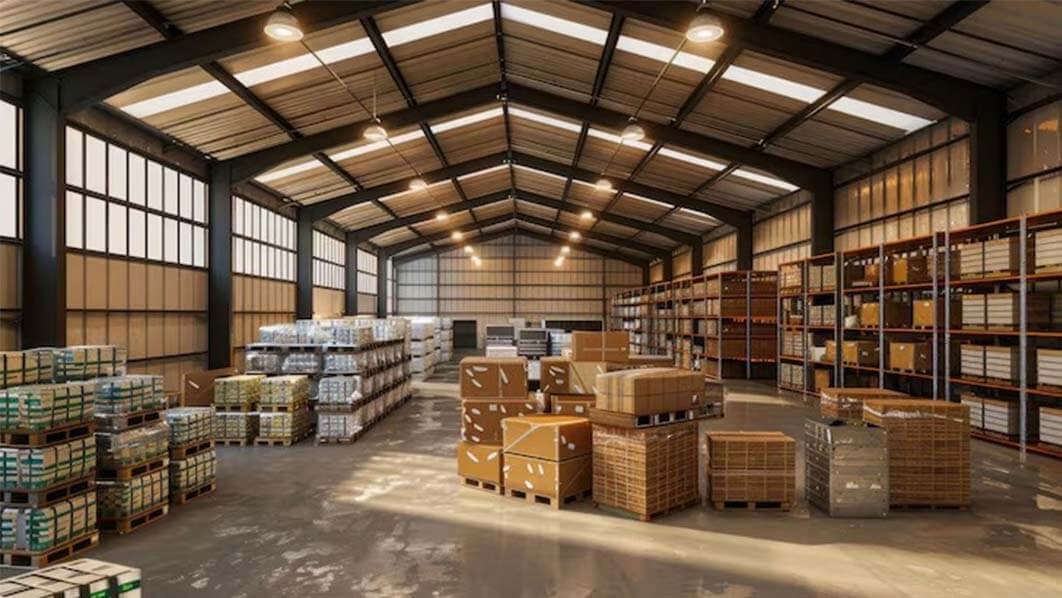
Incorporating advanced logistics technology can transform a business. It allows for proactive measures, reducing risks and improving customer satisfaction4. Tools that provide visibility into shipping processes help importers make informed decisions, leading to better outcomes. Knowledge of these technologies is essential for staying competitive.
The Role of Logistics in Ensuring Timely Delivery and Customer Satisfaction for U.S. Importers?
Timely delivery8 is crucial for maintaining high customer satisfaction4. An efficient logistics system ensures that goods arrive on schedule, which is essential for building trust with customers. U.S. importers must ensure their logistics operations run smoothly to avoid penalties and keep clients happy.
Logistics play a key role in ensuring that goods are delivered on time, which is crucial for customer satisfaction4. U.S. importers rely on efficient logistics networks to meet tight deadlines, avoid penalties, and maintain strong customer relationships, ensuring a positive reputation and repeat business.
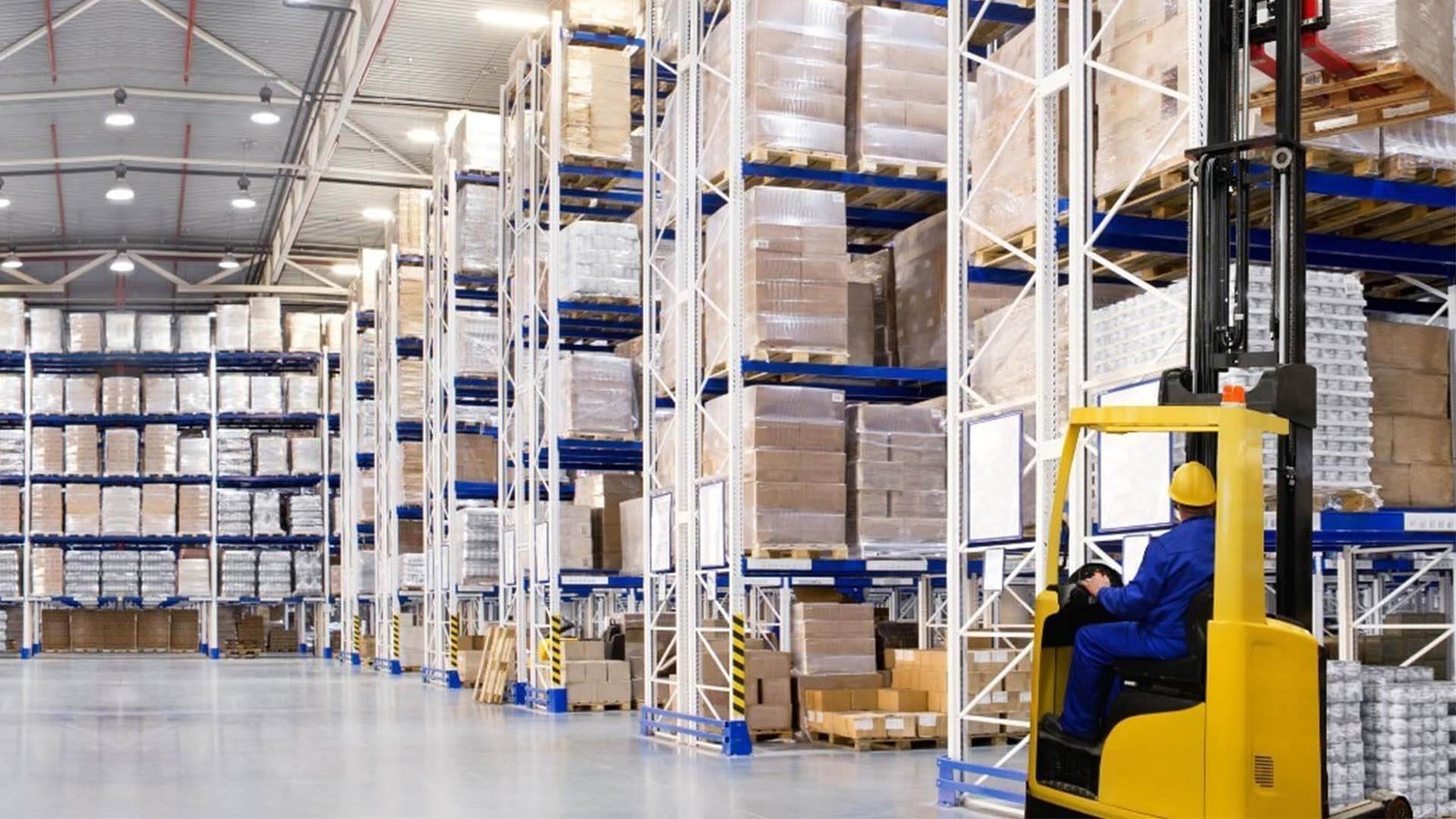
When logistics are well-managed, the result is a positive experience for customers. Importers who prioritize efficient logistics not only keep their customers satisfied but also enhance their brand reputation. This leads to repeat business and referrals, which are essential for growth.
How Strong Logistics Networks Provide Flexibility and Resilience in Global Supply Chains?
A strong logistics network is like a safety net in the unpredictable world of global trade. It allows U.S. importers to navigate challenges and provides flexibility. In times of disruption, having reliable partners and diverse shipping routes is invaluable.
Strong logistics networks9 provide the flexibility and resilience needed to adapt to global supply chain disruptions. U.S. importers benefit from diversified shipping routes, reliable partners, and contingency planning, which help maintain steady supply flow despite unforeseen challenges like port congestion or labor strikes.

Flexibility in logistics allows importers to adapt quickly to changes. Whether it’s a sudden demand spike or an unexpected disruption, a strong network ensures that businesses can respond effectively. This resilience is crucial for long-term success in a dynamic marketplace.
Why Logistics Expertise Helps U.S. Importers Stay Competitive in a Globalized Marketplace?
Logistics expertise10 is a game-changer for U.S. importers. Understanding the ins and outs of global trade can make all the difference. By working with experienced logistics providers, importers can reduce costs and stay compliant with regulations.
Logistics expertise10 enables U.S. importers to navigate complex global markets effectively. By leveraging experienced logistics providers, importers can reduce shipping costs, minimize risks, and ensure compliance with international regulations, keeping them competitive and responsive in a rapidly changing marketplace.
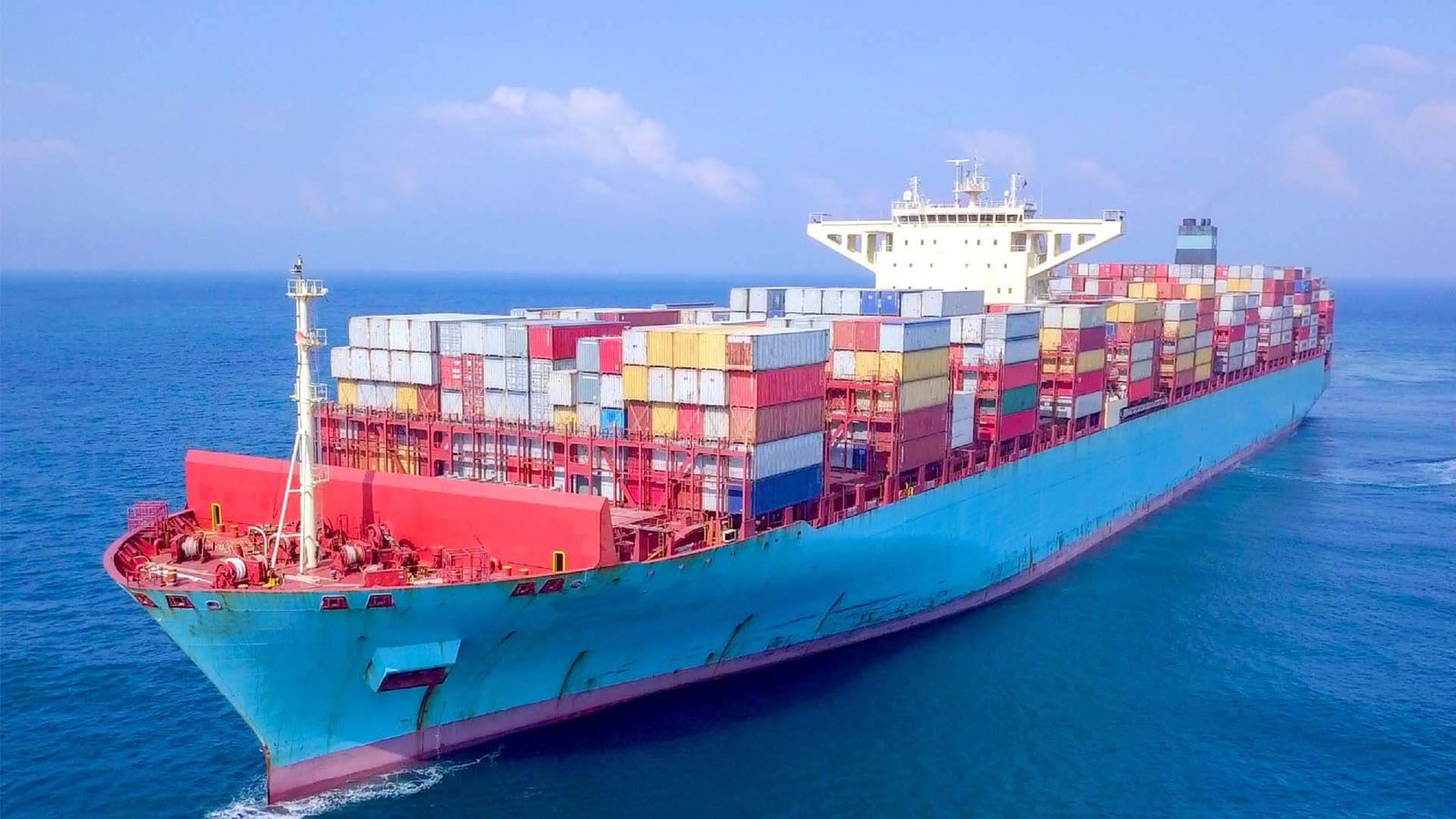
Navigating the complexities of international shipping requires knowledge and experience. Importers who leverage this expertise can make informed decisions that lead to better outcomes. This allows them to maintain a competitive edge in a rapidly evolving global market.
The Impact of Sustainability in Logistics and How U.S. Importers Can Benefit?
Sustainability is becoming increasingly important in logistics. U.S. importers can benefit from adopting greener practices. This not only improves their corporate image but also helps in reducing long-term operational costs3.
Sustainability in logistics11 focuses on reducing environmental impact through optimized routes, greener packaging12, and energy-efficient transportation13. U.S. importers can benefit from sustainable logistics practices by improving their corporate social responsibility (CSR)14 image, meeting regulatory requirements, and reducing long-term operational costs3.
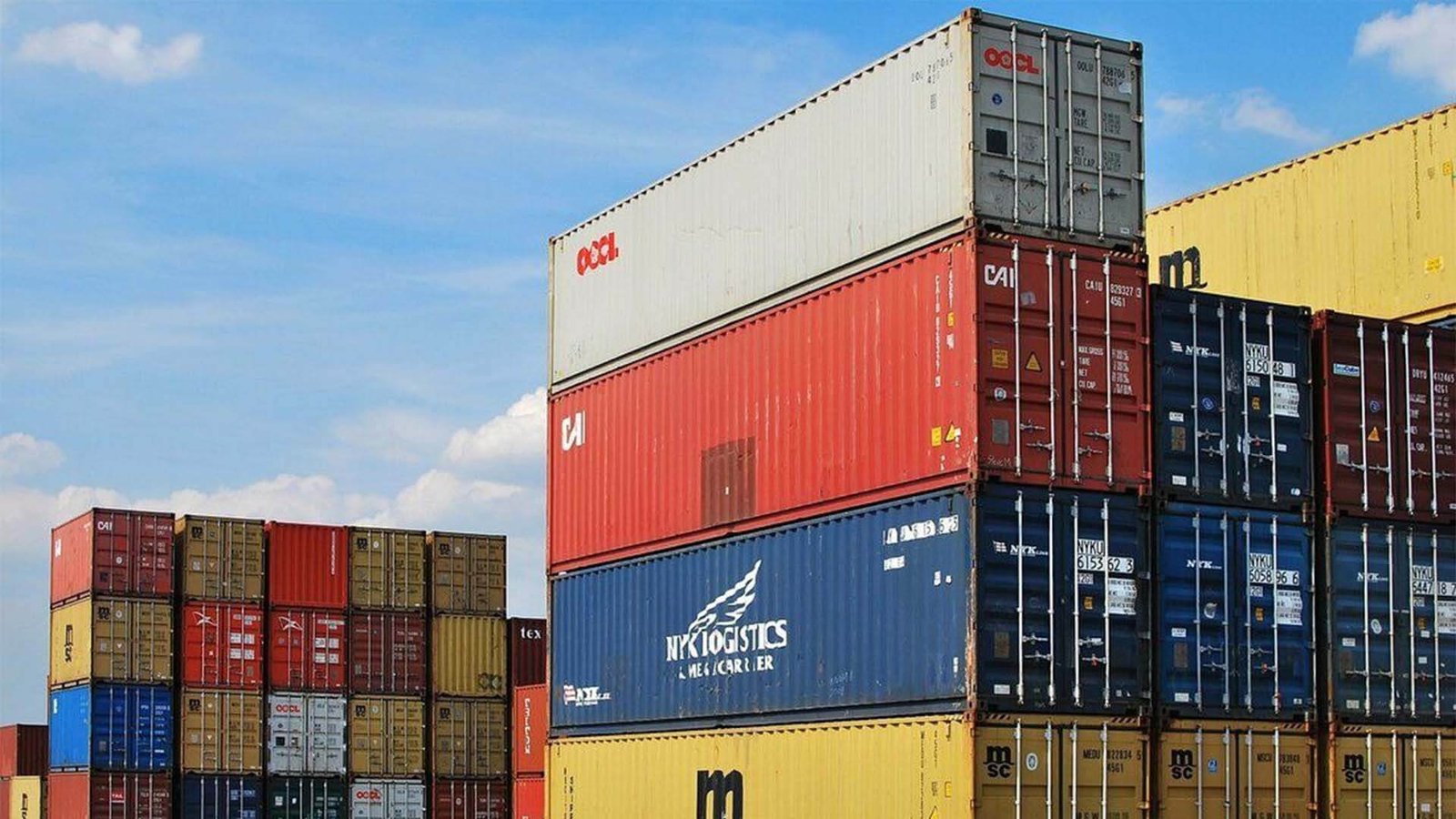
Incorporating sustainability can enhance a company’s reputation. Customers are now more inclined to support businesses that prioritize eco-friendly practices. This shift in consumer behavior makes it essential for U.S. importers to consider sustainability as part of their logistics strategy.
Conclusion
The logistics industry is crucial for U.S. importers, supporting efficient management, advanced technology, timely delivery, and sustainability. Embracing logistics can ultimately fuel growth and competitiveness.
Understanding efficient logistics management can help you optimize your supply chain, reduce costs, and improve delivery times, giving you a competitive edge. ↩
Avoiding supply chain bottlenecks ensures timely delivery and customer satisfaction, which are crucial for maintaining a competitive advantage. ↩
Reducing operational costs through efficient logistics can lead to significant savings and improved profitability for your business. ↩
High customer satisfaction leads to repeat business and referrals, essential for growth and maintaining a positive brand reputation. ↩
Advanced logistics technology can streamline operations, reduce costs, and improve efficiency, making your business more competitive. ↩
Real-time data analytics provides insights that help in making informed decisions, improving efficiency and reducing costs. ↩
AI-driven forecasting tools enhance route planning and inventory management, leading to faster and more cost-effective deliveries. ↩
Timely delivery ensures customer satisfaction and avoids penalties, maintaining strong customer relationships and a positive reputation. ↩
Strong logistics networks help navigate global supply chain disruptions, ensuring steady supply flow and business continuity. ↩
Leveraging logistics expertise reduces costs, minimizes risks, and ensures compliance, keeping you competitive in global markets. ↩
Sustainability enhances corporate image and reduces long-term costs, aligning with consumer preferences for eco-friendly practices. ↩
Greener packaging reduces environmental impact and can improve your corporate social responsibility image, attracting eco-conscious consumers. ↩
Energy-efficient transportation reduces carbon footprint and operational costs, aligning with sustainability goals and regulatory requirements. ↩
Emphasizing CSR in logistics can improve your brand image and meet consumer demand for responsible business practices. ↩