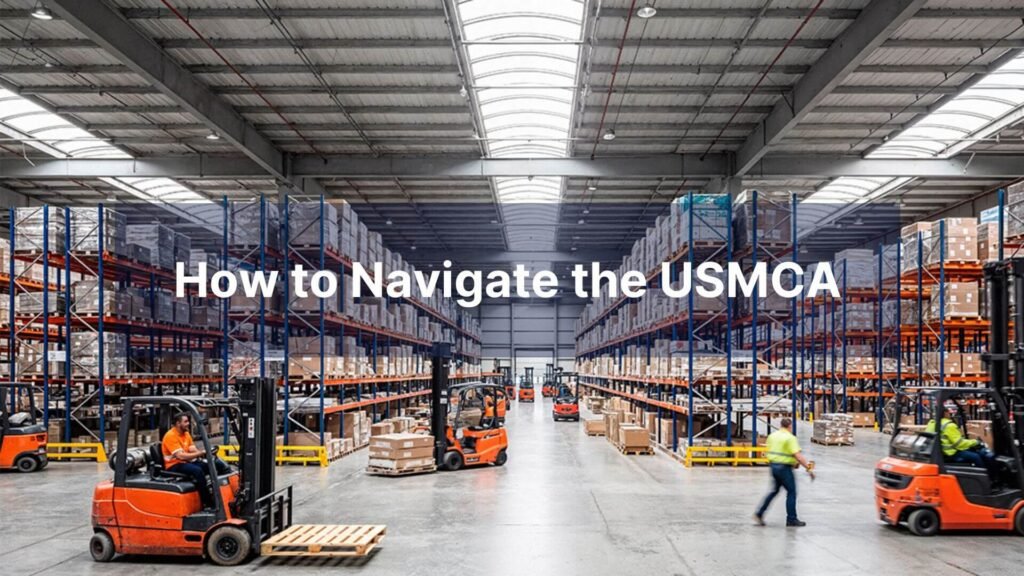
The United States-Mexico-Canada Agreement (USMCA) is a vital trade deal for U.S. importers. Navigating its complexities can be overwhelming, but understanding its implications can open new opportunities.
The United States-Mexico-Canada Agreement (USMCA) is a trade deal that replaced NAFTA, offering new provisions on labor, digital trade, and environmental standards1. For U.S. importers, the USMCA affects tariffs, trade compliance, and rules of origin2, providing opportunities to reduce costs and improve access to North American markets.

Navigating the USMCA is crucial for U.S. importers who want to maximize their benefits. I often speak with clients who face confusion about compliance and documentation. But, by breaking it down, we can make it easier to understand and implement.
What the USMCA Is and How It Impacts U.S. Importers?
The USMCA is a game-changer for trade between the U.S., Mexico, and Canada. It aims to modernize trade rules, which directly impacts U.S. importers.
The USMCA is a trade deal that replaced NAFTA, offering new provisions on labor, digital trade, and environmental standards1. For U.S. importers, the USMCA affects tariffs, trade compliance, and rules of origin2, providing opportunities to reduce costs and improve access to North American markets.

Understanding the USMCA is vital for importers. This new agreement introduces rules that can significantly affect the cost of doing business. For example, there are new rules of origin2 that require a certain percentage of a product's components to be sourced from North America. This change can lead to cost savings for compliant businesses while imposing additional costs on those who don’t comply.
| Key Changes | Impact on Importers |
|---|---|
| New labor provisions3 | Higher labor standards may increase costs but improve market stability. |
| Digital trade rules | Easier cross-border data transfers can enhance operational efficiency. |
| Environmental standards | Compliance may require investment but can enhance brand reputation. |
How to Achieve USMCA Compliance and Avoid Tariffs?
Achieving compliance with the USMCA is essential for avoiding tariffs. U.S. importers must understand the rules of origin2 and ensure their products meet regional content requirements.
To achieve USMCA compliance4, U.S. importers must ensure that goods meet the new rules of origin2 requirements, including regional content standards5. Proper documentation, including certificates of origin6, is essential to avoid tariffs. Working with customs brokers7 can help ensure compliance and minimize potential fines and delays.

Compliance can seem daunting, but by taking proactive steps, it can be manageable. First, conduct an audit of your supply chain. Ensure that suppliers are providing goods that meet USMCA requirements. Keeping meticulous records and obtaining necessary documentation is also crucial. In my experience, working closely with a customs broker can simplify this process significantly. They can help verify compliance and assist in obtaining the required certificates.
The Key Benefits of the USMCA for U.S. Importers and Exporters
The USMCA opens doors to new opportunities for U.S. importers. By understanding its benefits, you can leverage them for competitive advantage.
The USMCA provides U.S. importers with better access to Mexican and Canadian markets, improved trade terms, and reduced tariffs on qualifying goods. For exporters, the agreement strengthens intellectual property protections, enhances labor provisions3, and provides more predictable trade environment8s across North America.
By utilizing the USMCA, U.S. importers can take advantage of reduced tariffs and more favorable trade conditions. This can lead to cost savings and increased market access9. One practical example is in the automotive sector10, where the USMCA has established new tariff-free thresholds. Importers who meet these requirements can significantly reduce their overall costs.
| Benefit | Description |
|---|---|
| Reduced tariffs | Many products now have lower or eliminated tariffs. |
| Market access | Enhanced access to Mexico and Canada expands sales opportunities. |
| Predictable trade environment | Stability in trade terms aids long-term planning and investment. |
How the USMCA Affects Tariff Rates and Trade Duties?
Understanding how the USMCA impacts tariffs is crucial for financial planning. It can lead to significant savings for compliant importers.
The USMCA lowers or eliminates tariffs on many products traded between the U.S., Mexico, and Canada. Importers benefit from reduced duties, particularly on automotive products, textiles, and agricultural goods. Compliance with rules of origin2 is key to fully leveraging these tariff reductions11 and ensuring goods are not subject to additional duties.
The agreement provides clear guidelines on tariff classifications. Importers should stay informed about which products qualify under the new rules. For example, many agricultural products12 have seen tariff reductions11, making them more competitive in the market. I recommend that importers frequently check the tariff classification of their products to ensure they are taking full advantage of the benefits.
Navigating the complexities of the USMCA requires diligence. Implementing best practices can streamline your operations.
U.S. importers should familiarize themselves with the USMCA’s rules of origin2 and ensure their supply chains meet the necessary regional content thresholds. Regularly auditing supplier documentation, working with a customs broker, and staying updated on changes to the agreement will help streamline trade operations and maintain compliance.
Staying organized is key. Create a system to regularly review documentation and compliance status. I always advise my clients to set reminders to reassess their suppliers and verify compliance with USMCA rules. This proactive approach can save time and money, preventing potential issues before they arise.
| Best Practice | Description |
|---|---|
| Regular audits | Ensure supply chain compliance through frequent reviews. |
| Documentation management | Keep detailed records to facilitate smooth customs clearance. |
| Broker assistance | Utilize customs brokers7 for expertise and compliance verification. |
How to Leverage the USMCA for Improved Trade Between the U.S., Mexico, and Canada?
Leveraging the USMCA can enhance trade efficiency and competitiveness. U.S. importers stand to gain the most by understanding and applying its provisions.
U.S. importers can leverage the USMCA to access preferential trade terms, improve market competitiveness, and reduce costs. By ensuring compliance with the agreement’s provisions, U.S. importers can boost their supply chain efficiency13, minimize tariffs, and enhance their ability to capitalize on trade opportunities across North America.

By embracing the USMCA's benefits, U.S. importers can improve their market positions. I encourage clients to think creatively about their supply chains. Finding suppliers that comply with the USMCA can lead to cost reductions and efficiency improvements. Continuous learning about the agreement and its evolving provisions will allow importers to remain competitive in a changing trade landscape.
Conclusion
Navigating the USMCA is essential for U.S. importers seeking to capitalize on new trade opportunities, reduce costs, and maintain compliance.
Compliance with environmental standards can enhance brand reputation and market access. ↩
Knowing the rules of origin helps importers meet regional content requirements and avoid additional costs. ↩
Understanding labor provisions can help importers manage costs and improve market stability. ↩
Understanding USMCA compliance is crucial for avoiding tariffs and ensuring smooth trade operations. ↩
Meeting regional content standards is essential for compliance and cost savings. ↩
Certificates of origin are crucial for proving compliance and avoiding tariffs. ↩
Customs brokers can simplify compliance processes and help importers avoid fines and delays. ↩
A predictable trade environment aids long-term planning and investment for importers. ↩
Improved market access expands sales opportunities in Mexico and Canada. ↩
The automotive sector benefits from tariff-free thresholds, reducing costs for compliant importers. ↩
Exploring tariff reductions can lead to significant cost savings for importers. ↩
Tariff reductions make agricultural products more competitive in the market. ↩
Leveraging USMCA provisions can boost supply chain efficiency and reduce costs. ↩