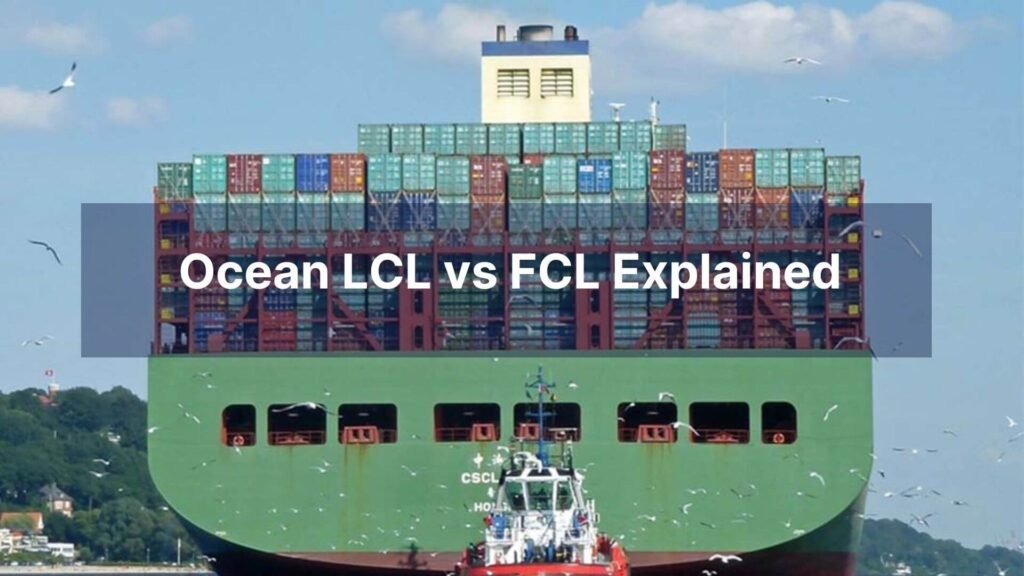
LCL and FCL shipping modes can significantly impact your logistics operations. Understanding their differences helps importers make informed decisions on cost, timing, and risk management1.
LCL (Less than Container Load)2 shipping shares container space with other shipments, while FCL (Full Container Load)3 gives one shipper exclusive use of the container. LCL suits smaller volumes but involves more handling, while FCL provides better cargo control4, lower risk, and more predictable costs when shipment volume5 is sufficient.
LCL and FCL are crucial options for any importer to consider. Each mode has its advantages and disadvantages based on shipment volume5, cost, and risk management1. Understanding how these factors interplay can help optimize your logistics strategy.
What Is the Difference Between Ocean LCL and FCL Shipping in Terms of Cost, Space, and Cargo Control?
LCL (Less than Container Load)2 shipping shares container space with other shipments, while FCL (Full Container Load)3 gives one shipper exclusive use of the container. LCL suits smaller volumes but involves more handling, while FCL provides better cargo control4, lower risk, and more predictable costs when shipment volume5 is sufficient.
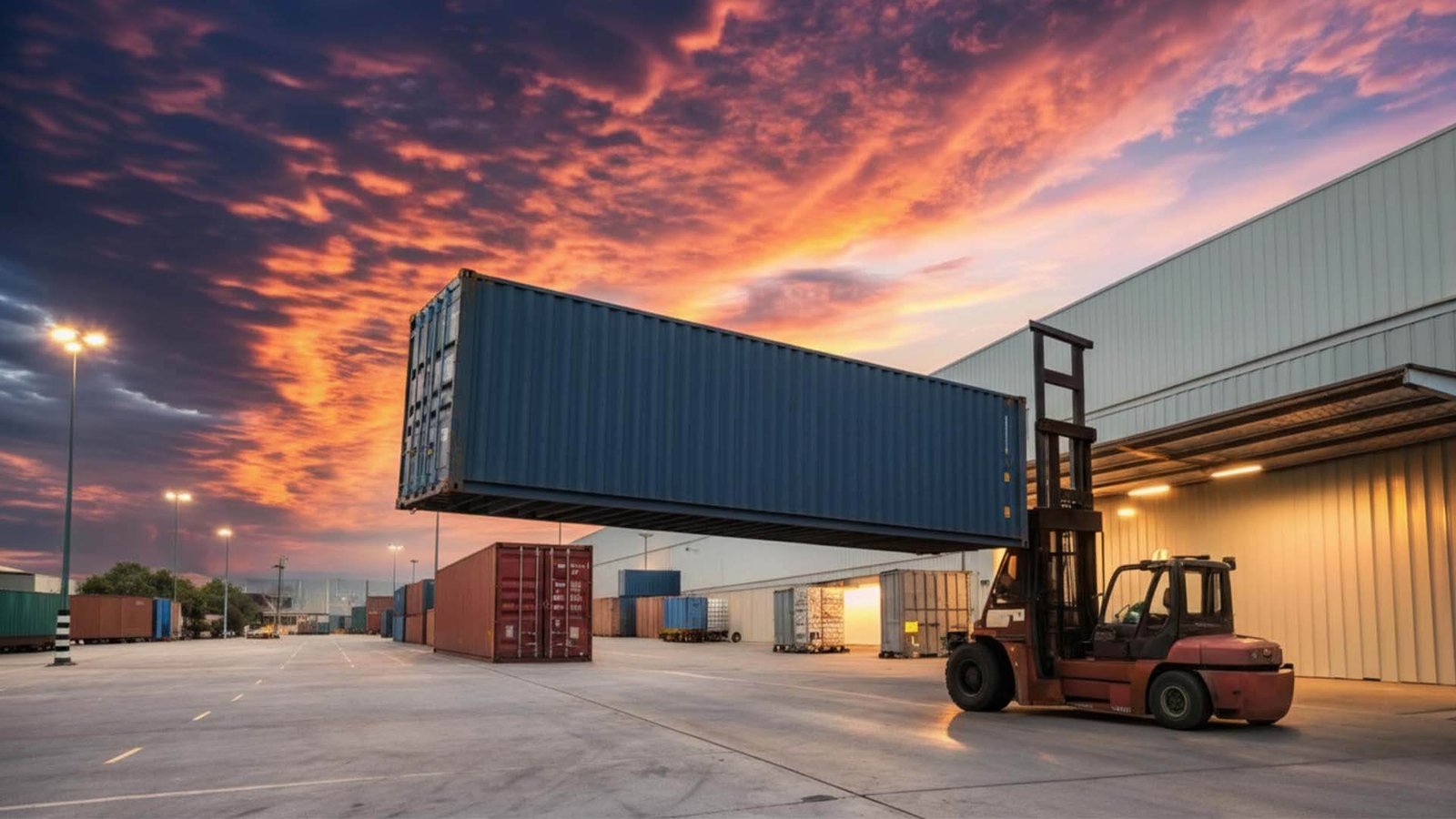
| Factor | LCL | FCL |
|---|---|---|
| Container use | Shared | Exclusive |
| Cost structure | Per CBM/weight | Flat container rate |
| Handling points | Multiple | Minimal |
| Cargo control | Lower | Higher |
| Best for | Small shipments | Larger volumes |
Flow: Supplier → LCL Consolidation Warehouse / FCL Stuffing → Port Export → Ocean Transit → Destination Handling.

Understanding the fundamental differences between LCL and FCL shipping modes is key for decision-making. LCL is often the go-to for smaller shipments that do not fill a full container. However, shipping via FCL allows for greater control because the cargo is the only product inside the container. This exclusivity leads to fewer handling points6, which helps to minimize the risks associated with damage or delays.
When LCL Is the Smarter Choice for Importers and When FCL Becomes More Cost-Effective?
LCL works best for low-volume or trial shipments, while FCL becomes more cost-effective once cargo volume approaches container capacity. The tipping point depends on freight rates7, destination charges8, and handling fees, making cost comparison essential before selecting the shipping mode.
| Shipment Size | Typical Best Option |
|---|---|
| Under 8–10 CBM | LCL |
| 10–15 CBM | Depends on rates |
| 15+ CBM | Often FCL |
Importer Decision Flow: Cargo Volume → Rate Comparison → Destination Charges Review → Mode Selection.
Choosing between LCL and FCL often hinges on your specific shipment size and needs. If you are dealing with smaller volumes, LCL is typically the way to go. However, when your shipment size approaches the capacity of a full container, FCL becomes the more cost-effective and practical option. Importers should evaluate current freight rates7 and destination charges8 to determine the most economical choice.
Transit Time Differences: Why LCL Shipments Take Longer Than FCL and How That Affects Inventory Planning
LCL shipments usually take longer because cargo must be consolidated, deconsolidated, and sorted at both origin and destination. FCL containers move directly through the port system with fewer handling stages, resulting in shorter and more predictable transit time9s for importers managing tight inventory cycles.
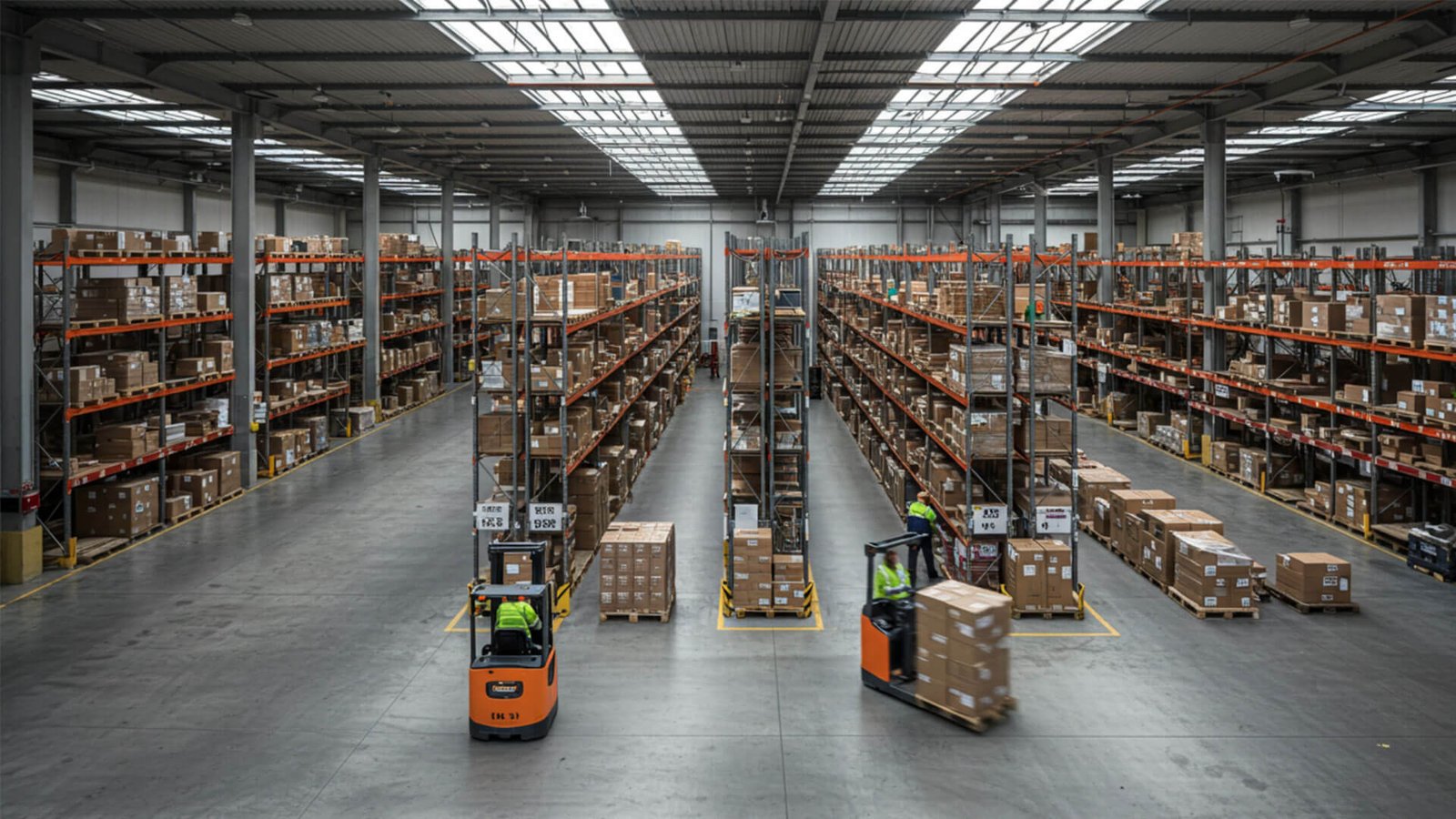
| Stage | LCL | FCL |
|---|---|---|
| Origin consolidation10 | Required | Not required |
| Destination deconsolidation10 | Required | Not required |
| Port dwell risk | Higher | Lower |
Flow: Supplier → Consolidation → Export Port → Ocean → Destination CFS → Deconsolidation10 → Delivery.
Transit times can greatly affect your logistics planning. With LCL, the need for consolidation10 and deconsolidation10 adds stages to the process, leading to longer delivery times. Conversely, FCL shipments have the advantage of moving directly from point A to point B, reducing the overall time needed. For businesses managing just-in-time inventory systems, this distinction can be critical for maintaining proper stock levels.
Risk Comparison: Cargo Damage, Delays, and Handling Exposure in LCL vs FCL Shipments
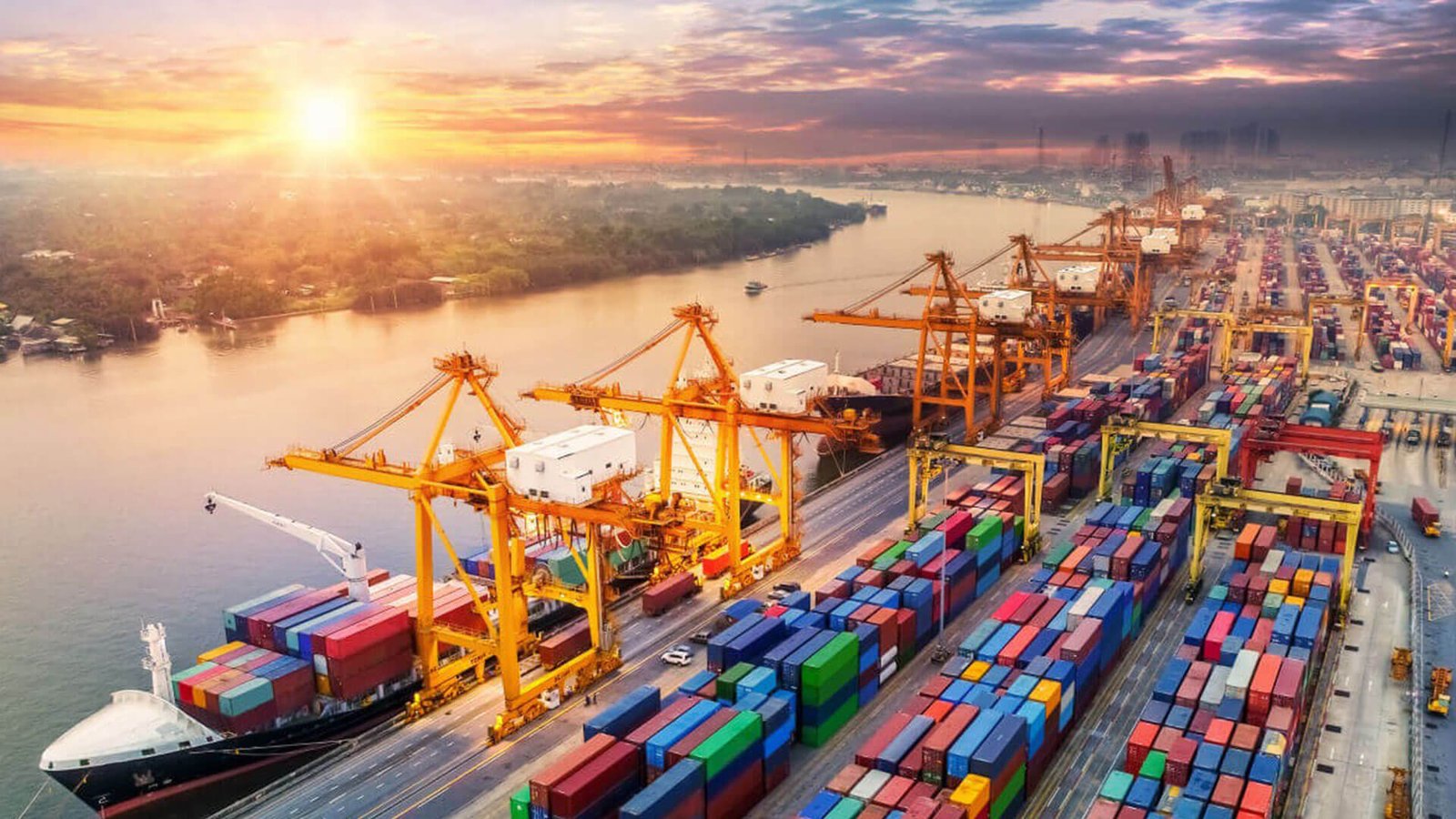
Because LCL cargo is handled multiple times and stored with other shipments, it carries higher risks of damage, delay, and documentation errors. FCL reduces touchpoints and exposure, providing better cargo security and fewer disruption risks, especially for fragile or high-value goods.
| Risk Area | LCL Exposure | FCL Exposure |
|---|---|---|
| Handling damage | Higher | Lower |
| Documentation mix-ups | More likely | Less likely |
| Delay risk | Higher | Lower |
| Cargo security | Shared | Controlled |
Managing risk is paramount in logistics. LCL shipments are at a greater risk for damage and delays due to the increased handling and exposure to other shipments. When you opt for FCL, you minimize these risks. This makes FCL a more attractive choice for high-value or fragile products.
Full Cost Breakdown: Freight Rates, Origin Charges, Destination Fees, and Hidden Costs in LCL vs FCL
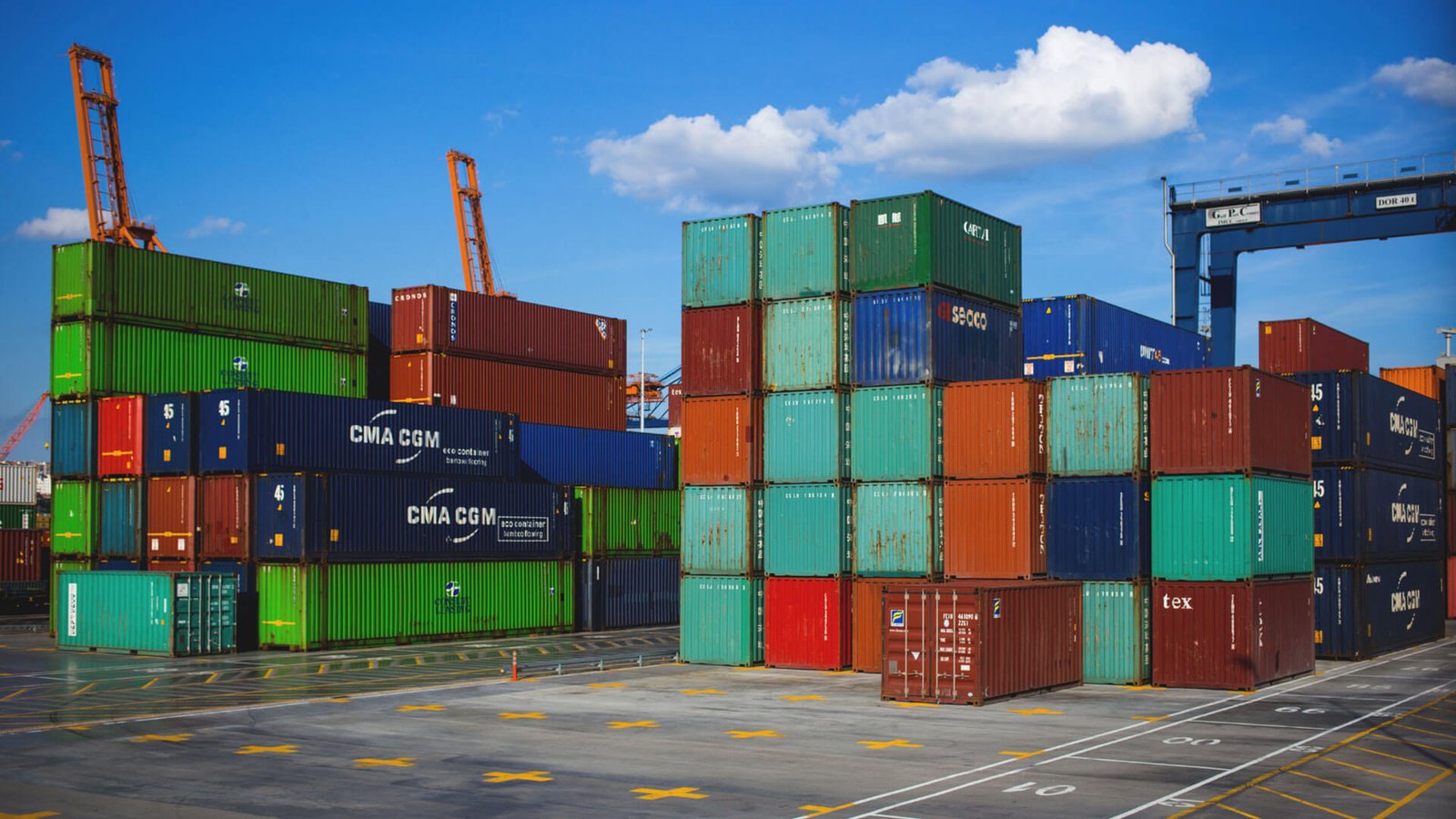
LCL and FCL cost structure11s differ significantly. LCL includes consolidation10, CFS handling, and per-cubic-meter charges, while FCL involves container rates, chassis, and drayage costs. Understanding origin, ocean, and destination charges8 helps importers compare total landed cost rather than just freight rates7.
| Cost Element | LCL | FCL |
|---|---|---|
| Freight rate | Per CBM | Per container |
| Origin handling | CFS fees | Stuffing charges |
| Destination handling | Deconsolidation10 fees | THC & drayage |
| Hidden risks | Storage & delays | Equipment detention |
Flow: Freight Quote → Origin Charges → Ocean Charges → Destination Charges → Final Delivery Cost.
Understanding the full cost breakdown is essential for any importer. LCL may seem cheaper upfront due to lower freight charges, but hidden costs can add up quickly. FCL, on the other hand, may require a larger upfront investment but often results in more predictable expenses over time. Analyzing all components gives a clearer picture of the total landed cost, empowering better decision-making.
How Freight Forwarders Help Importers Choose the Right Mode and Manage Customs, Consolidation, and Delivery
Freight forwarders12 evaluate shipment size, transit urgency, cost thresholds, and risk factors to recommend LCL or FCL. They manage consolidation10, carrier booking, customs clearance13, and final delivery, giving importers visibility and control across the entire shipping process.
Flow: Cargo Planning → Mode Selection → Booking → Consolidation/Stuffing → Ocean Transit → Customs Clearance → Drayage → Warehouse Delivery.
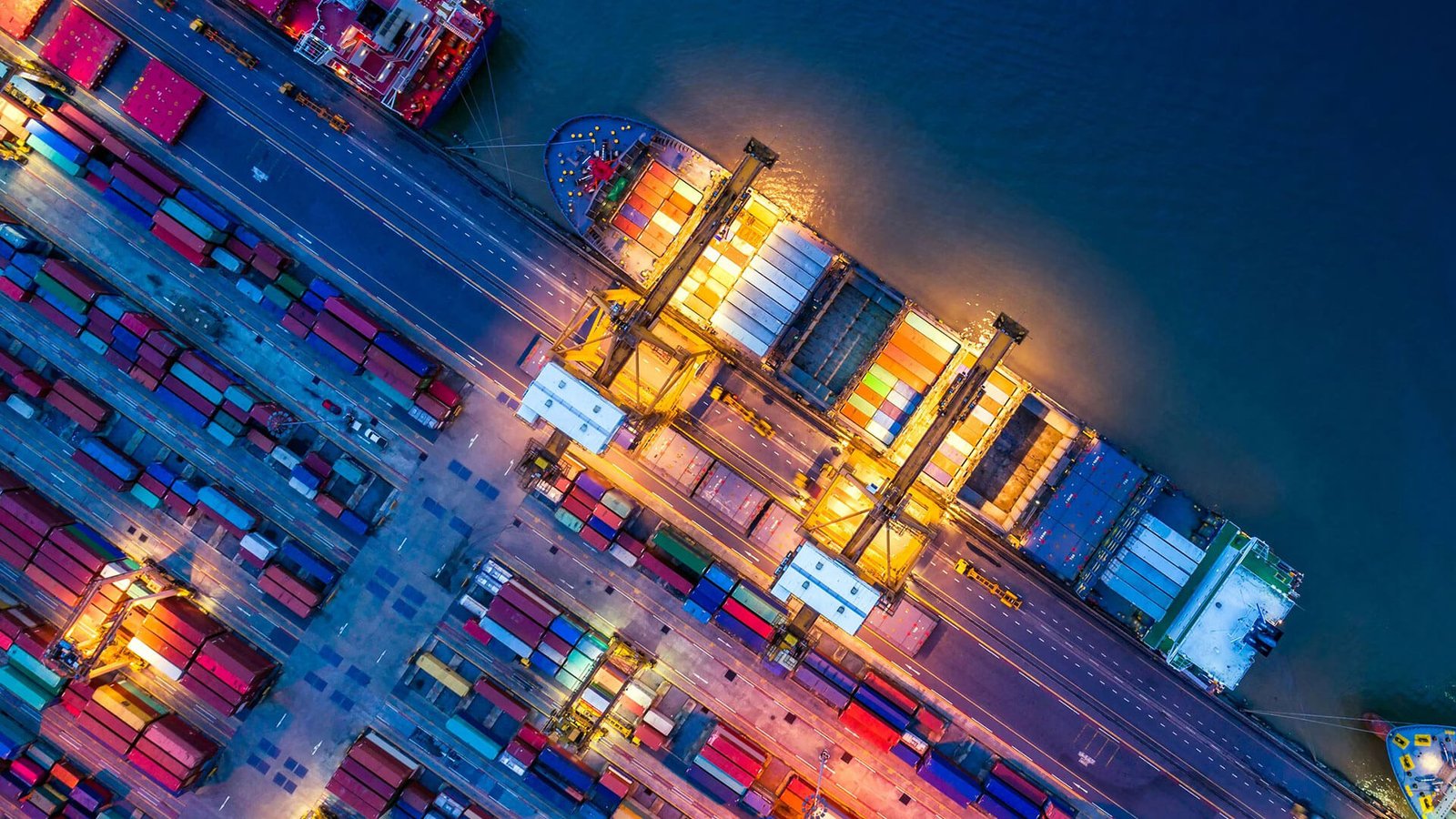
Navigating the complexities of international shipping can be daunting. Freight forwarders12 play a crucial role in helping importers choose the right shipping mode based on their unique needs. They facilitate customs clearance13, manage consolidation10 processes, and ensure smooth delivery, allowing importers to focus on their core business operations.
Conclusion
Understanding the differences between LCL and FCL shipping modes is vital for optimizing logistics and managing costs effectively.
Understand the risk factors associated with each shipping mode and how to mitigate them for safer cargo transport. ↩
Explore this link to understand how LCL shipping works, its benefits, and when it is the best choice for your shipping needs. ↩
Learn about FCL shipping, its advantages, and how it can provide better cargo control and cost predictability for larger shipments. ↩
Discover how FCL shipping offers superior cargo control, reducing risks and ensuring the safety of your goods during transit. ↩
Find out how your shipment volume can determine the most cost-effective and practical shipping mode for your needs. ↩
Learn about the handling points involved in each shipping mode and how they impact the risk of damage and delays. ↩
Compare the freight rates for LCL and FCL to determine which option offers better value for your shipping requirements. ↩
Explore the destination charges and how they impact the overall cost of shipping your goods. ↩
Explore the reasons behind longer transit times for LCL shipments and how it affects inventory planning and delivery schedules. ↩
Understand the consolidation process in LCL shipping and how it affects transit times and handling risks. ↩
Understanding the cost structure differences can help you make informed decisions on which shipping mode is more economical for your business. ↩
Discover the role of freight forwarders in helping importers select the right shipping mode and manage logistics efficiently. ↩
Learn about the customs clearance process for both shipping modes and how it influences delivery timelines and costs. ↩