A TEU, or Twenty-Foot Equivalent Unit, is a key measurement in container shipping. Understanding TEUs can help you optimize your shipping strategy1 and manage logistics more effectively2.
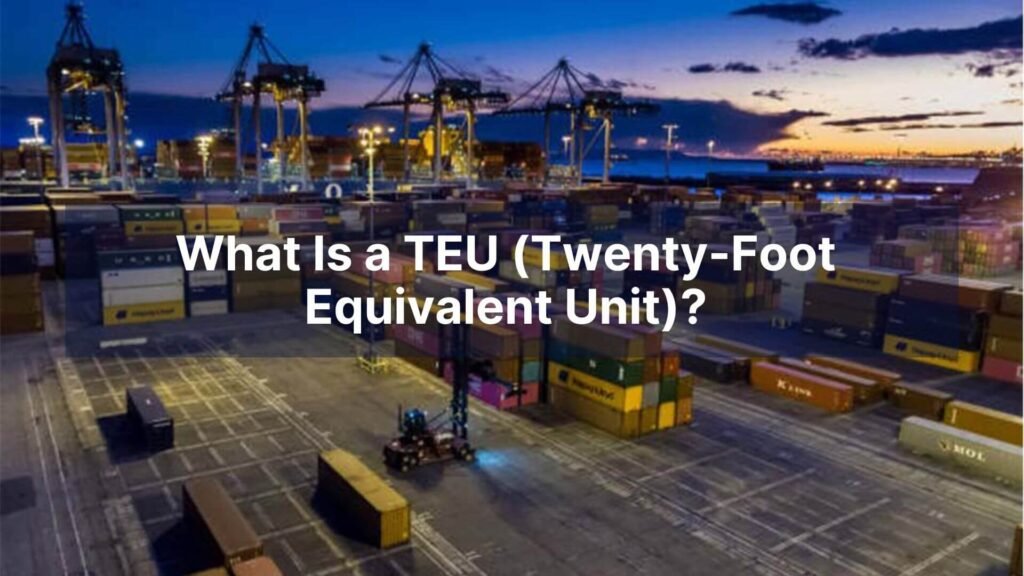
A TEU, or Twenty-Foot Equivalent Unit, is a standardized measurement3 representing the capacity of one 20-foot shipping container. It allows ports, carriers, and shippers to measure vessel capacity, terminal throughput, and cargo volume consistently, creating a common unit for planning global containerized trade4.
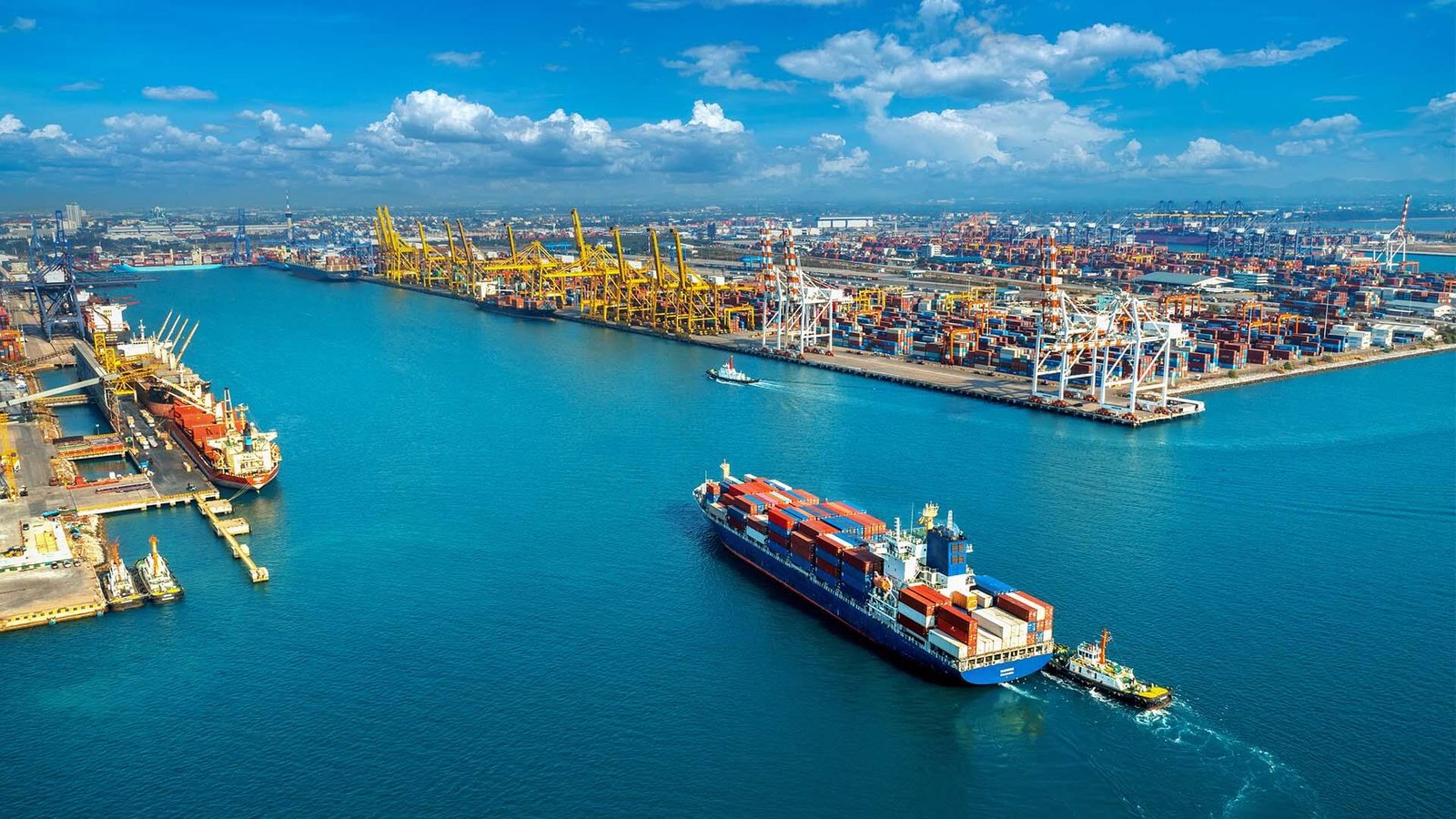
TEU is important for anyone involved in logistics. It helps in planning and measuring shipping capacity, which is vital for efficient operations5. Without it, managing container shipping would be chaotic.
Cargo Volume → Converted to TEU → Carrier Space Allocation → Vessel Planning
What Is a TEU (Twenty-Foot Equivalent Unit) and How It Standardizes Global Container Shipping Capacity?
A TEU, or Twenty-Foot Equivalent Unit, is a standardized measurement3 representing the capacity of one 20-foot shipping container. It allows ports, carriers, and shippers to measure vessel capacity, terminal throughput, and cargo volume consistently, creating a common unit for planning global containerized trade4.
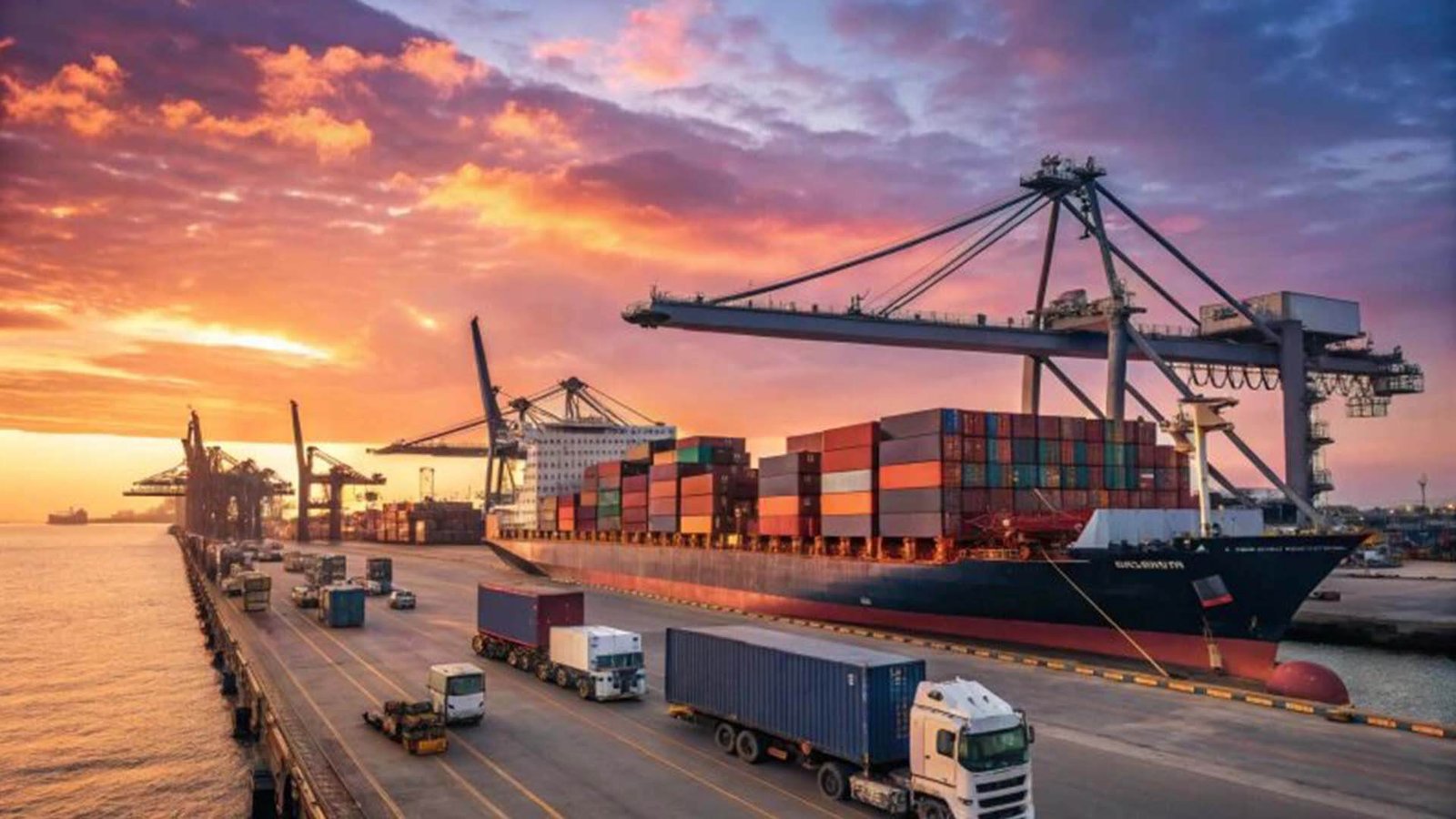
TEU serves multiple purposes. It simplifies discussions across various stakeholders in shipping, ensures proper planning, and aids in tracking cargo. Here’s a quick overview showing why TEUs matter:
| Use Area | Why TEU Matters |
|---|---|
| Vessel capacity | Measures ship size |
| Port throughput | Tracks cargo volume |
| Booking planning | Determines space needed |
| Global statistics | Standardizes trade metrics |
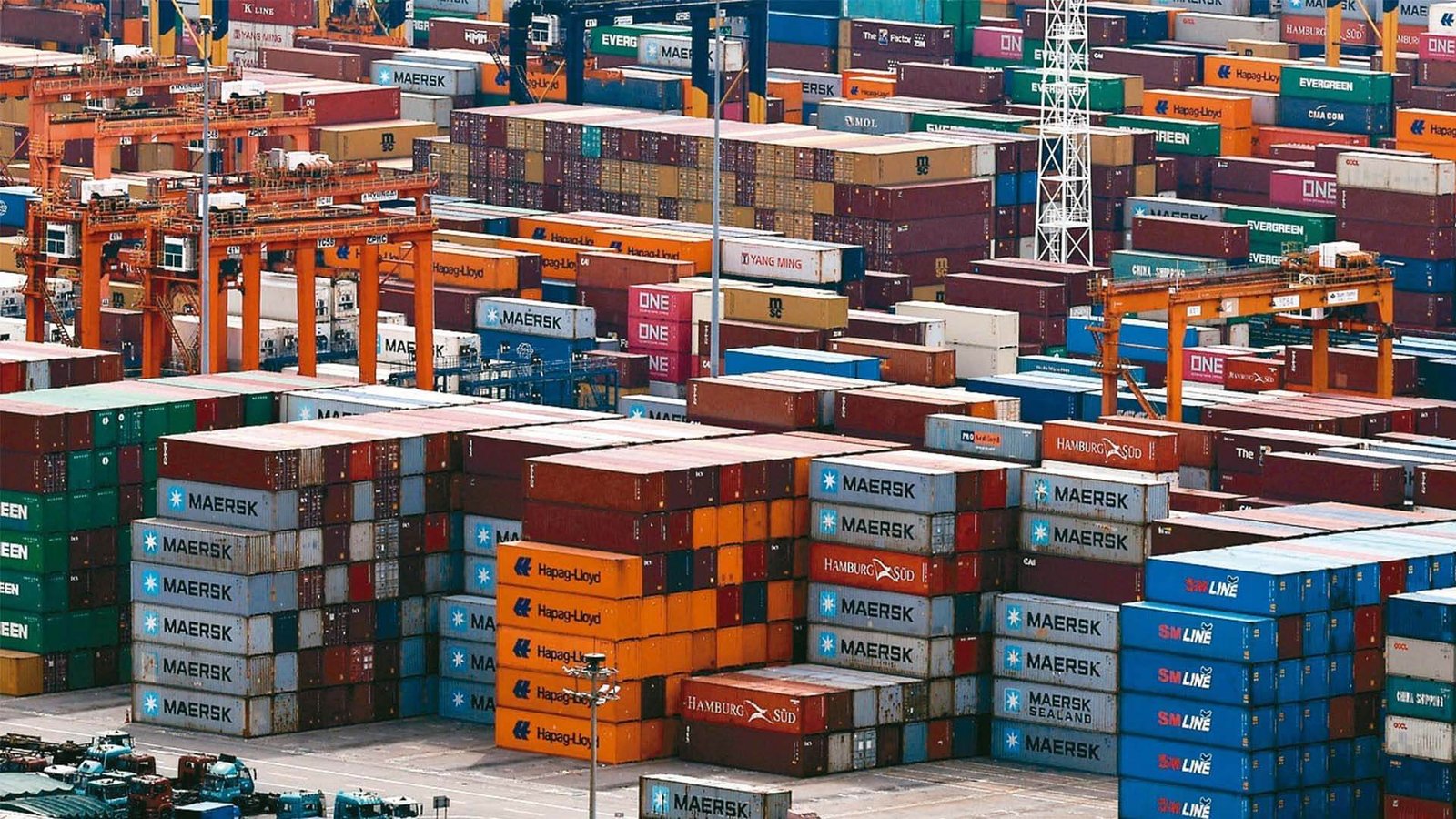
Flow: Cargo Volume → Converted to TEU → Carrier Space Allocation → Vessel Planning
TEU vs FEU: How Container Size Affects Cargo Volume, Weight Limits, and Freight Rates
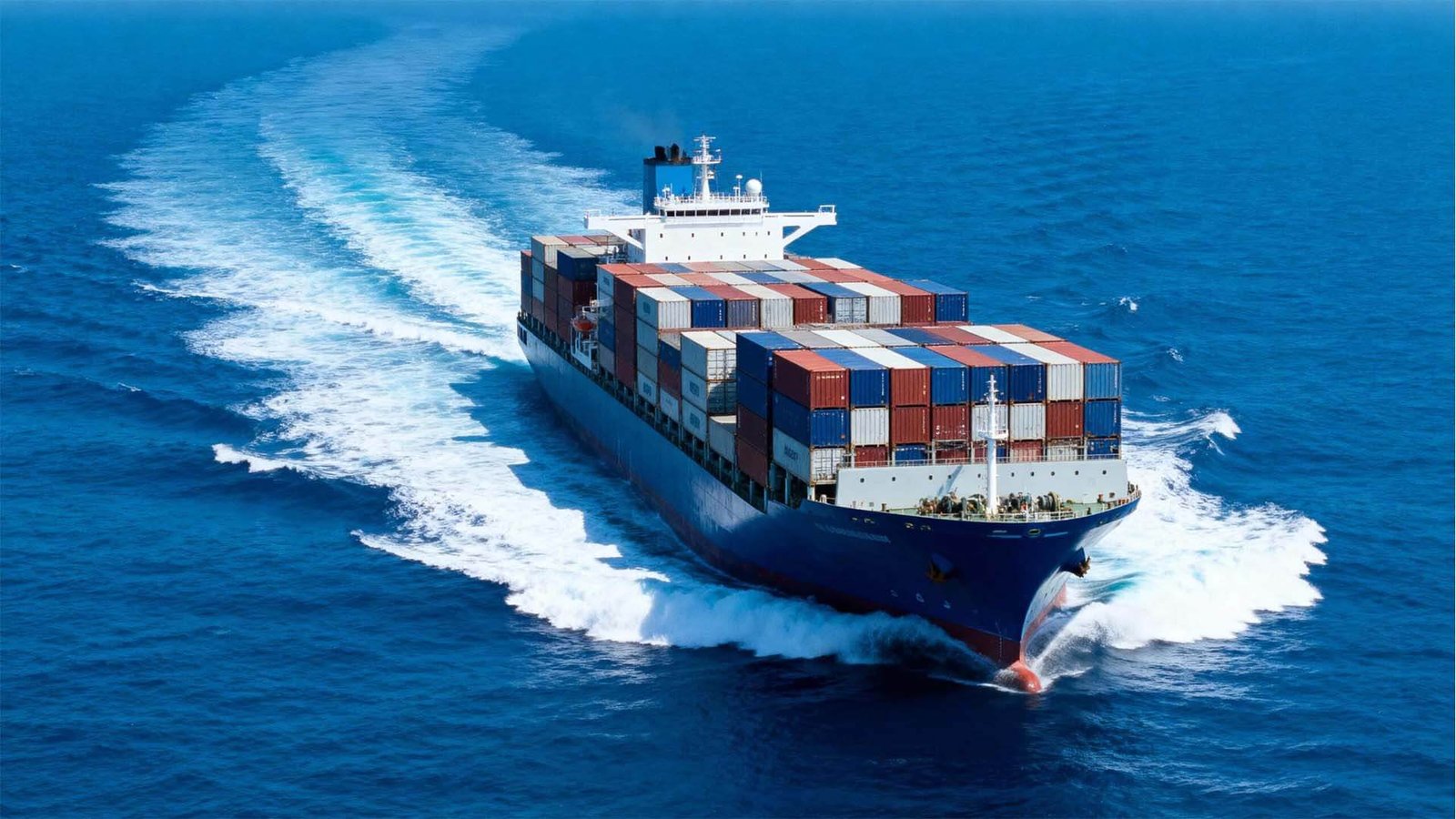
One FEU (Forty-Foot Equivalent Unit) equals two TEUs, but container choice depends on cargo density6, weight limits7, and rate structures8. While FEUs offer more space, weight restrictions or cargo type may limit how much can be loaded, affecting cost efficiency.
When deciding between TEU and FEU, it is essential to consider the type of cargo. The following table breaks down the key differences:
| Container | TEU Value | Typical Max Payload | Best Use |
|---|---|---|---|
| 20GP | 1 TEU | Heavy cargo | Dense goods |
| 40GP | 2 TEU | Medium cargo | Volume goods |
| 40HC | 2 TEU | Light bulky cargo | High cube items |
Flow: Cargo Density → Container Selection → Weight Check → Cost Efficiency
How TEU Measurements Influence Vessel Capacity, Port Congestion, and Space Availability
Carriers and ports use TEU capacity to plan vessel deployment and terminal operations. During peak seasons or disruptions, TEU demand may exceed capacity, leading to space shortages9, rate increases, and congestion that affect importer shipment schedules.
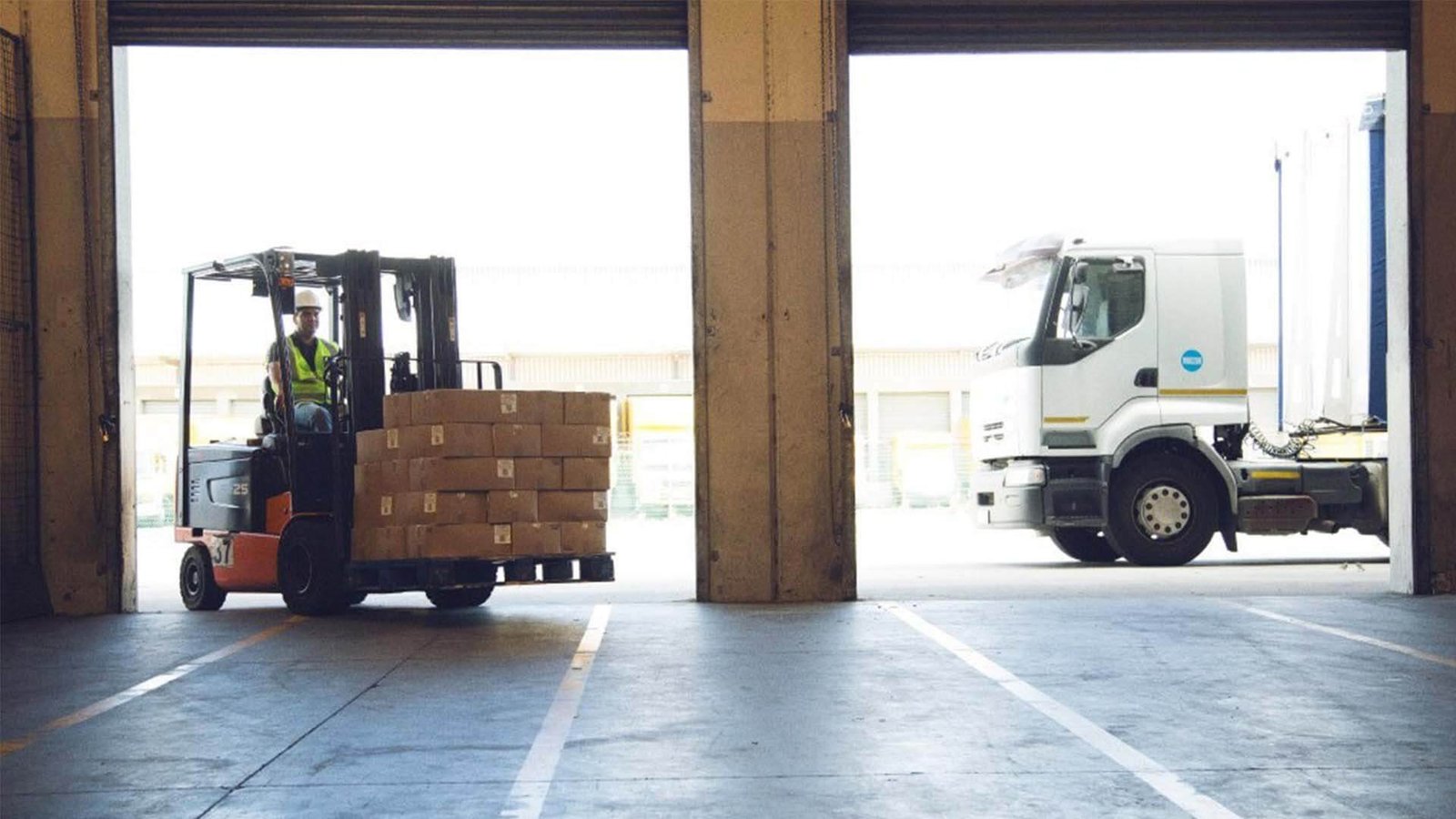
TEU measurements are critical for operational efficiency. Understanding how TEU impacts vessel capacity helps in managing the logistics flow better. Here's how high TEU demand can affect you:
| Factor | Importer Effect |
|---|---|
| High TEU demand | Space tightness |
| Limited vessel slots | Booking delays |
| Port congestion | Longer dwell times |
Flow: High Cargo Volume → TEU Capacity Strain → Space Allocation Limits → Shipment Delays
How to Convert Cargo Volume Into TEUs for Shipment Planning and Container Booking
Importers estimate TEUs by converting cargo volume and weight into container equivalents. This helps determine how many containers are required, compare LCL vs FCL options, and avoid underutilization10 or overweight penalties.
To make effective shipping decisions, you need to calculate TEUs accurately. Here’s an example calculation:
Example Calculation:
[ text{Cargo Volume (CBM)} div text{Container Capacity (CBM)} = text{Container Requirement} ]
Then convert containers to TEU equivalent.
| Cargo Volume | Likely Option | TEU Estimate |
|---|---|---|
| 12 CBM | LCL | 0.5 TEU approx |
| 28 CBM | 20GP | 1 TEU |
| 55 CBM | 40GP | 2 TEU |
Flow: Cargo Specs → Volume & Weight Check → Container Fit → TEU Calculation → Booking
How TEU Impacts Ocean Freight Costs, Equipment Allocation, and Peak Season Pricing
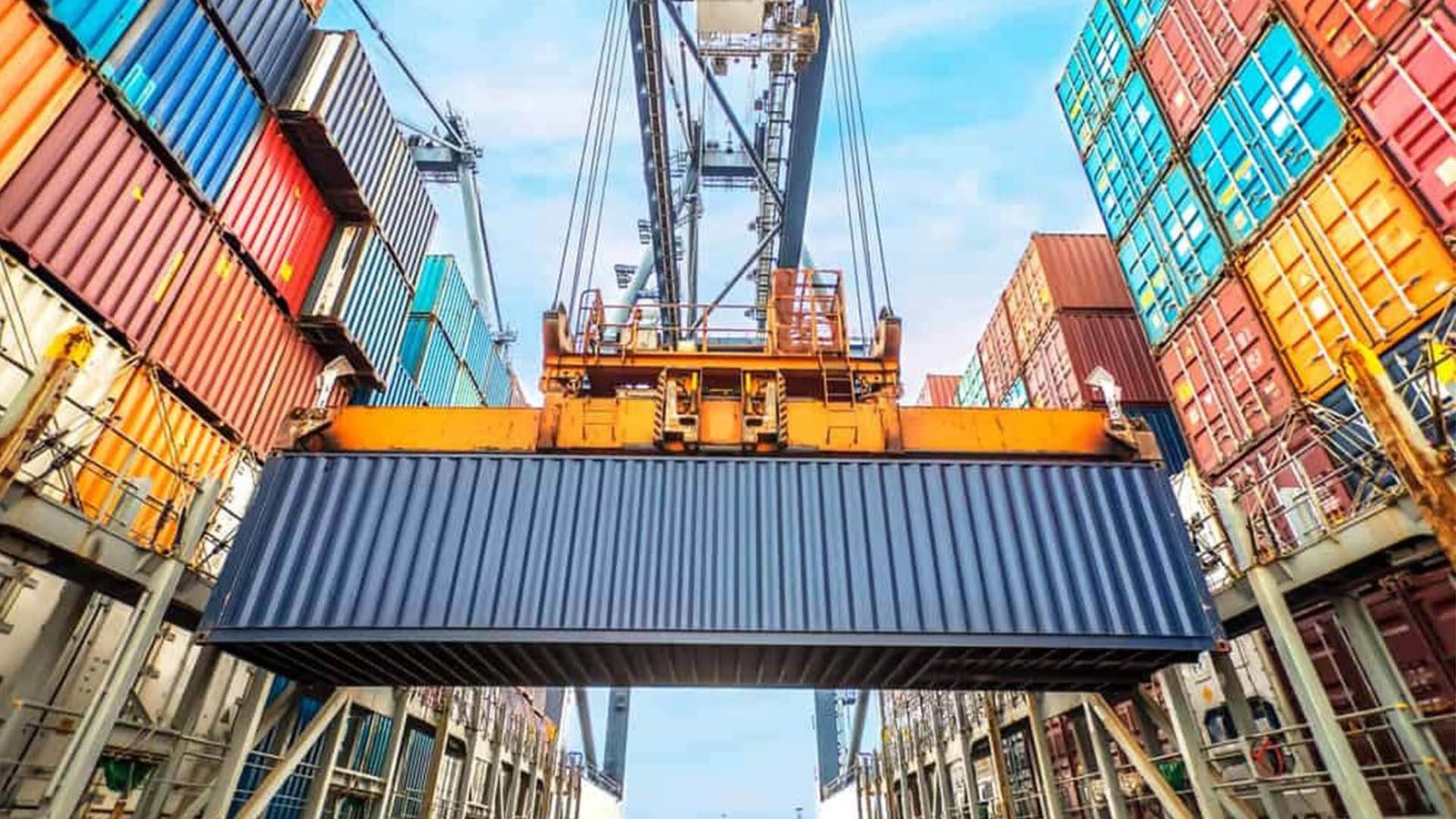
Freight rates and equipment allocation are tied to TEU capacity. When TEU demand rises, carriers adjust rates, impose peak season surcharges11, and prioritize high-volume bookings, influencing importer costs and space availability.
Understanding how TEU affects costs is crucial for budget management. The following table illustrates key impacts of TEU on costs:
| Area | Impact |
|---|---|
| Freight rates | Demand-driven |
| Equipment shortages | Container imbalance |
| Surcharges | Peak TEU demand |
| Booking priority | Larger shippers favored |
How Freight Forwarders Use TEU Planning to Optimize Container Utilization and Importer Supply Chains
Forwarders analyze shipment volume in TEUs to optimize container loading, consolidate cargo, and choose cost-effective routing. This improves utilization, reduces wasted space, and supports smoother customs clearance and inland delivery planning.
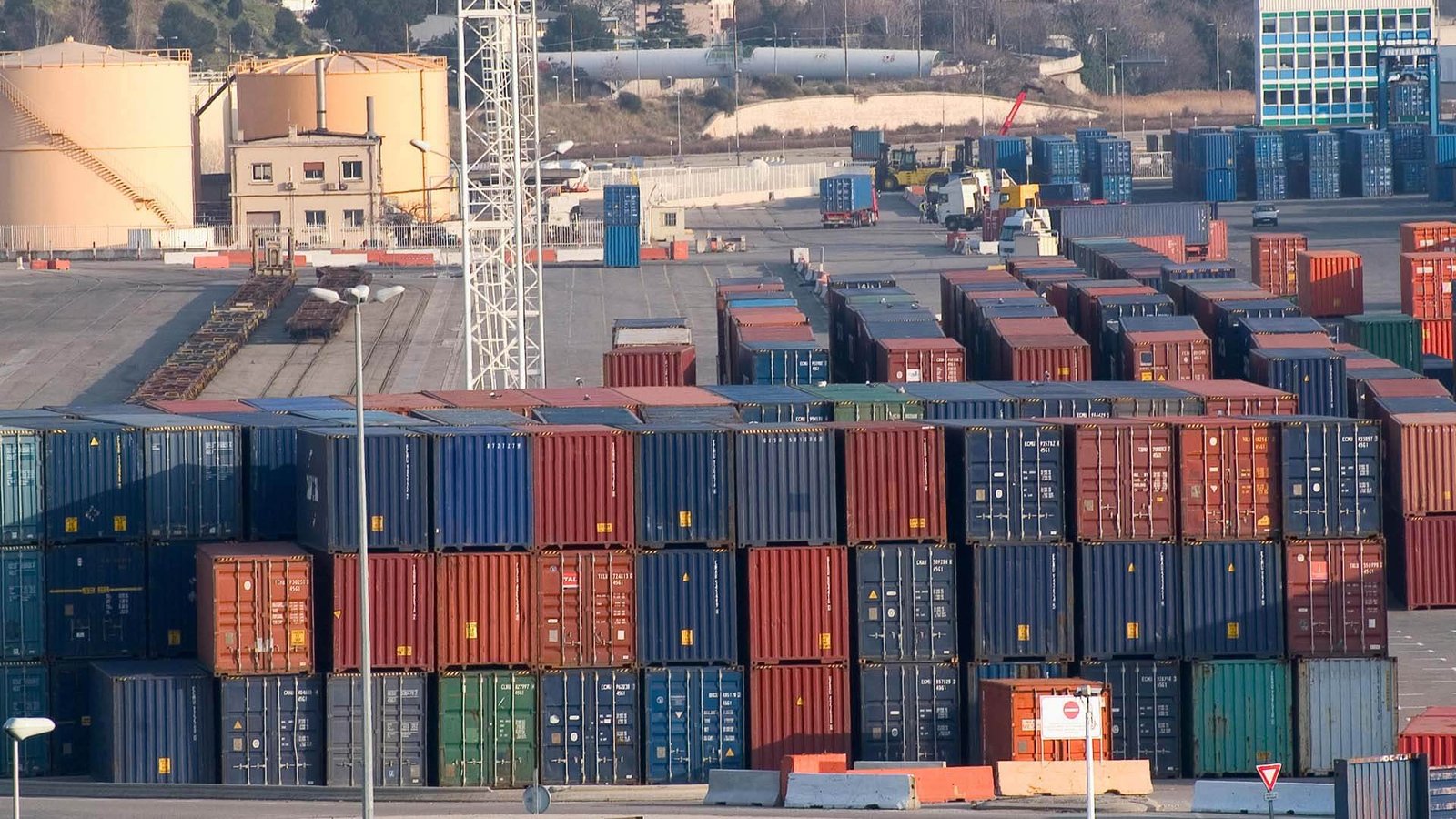
Freight forwarders play a vital role in maximizing the efficiency of your shipping operations. Here’s how they do it:
Importer → Forwarder → Carrier Planning Flow:
- Shipment Forecast
- TEU Volume Planning
- Container Booking
- Loading Optimization
- Ocean Transit
- Customs Clearance
- Final Delivery
| Service | Importer Benefit |
|---|---|
| Volume planning | Avoids unused space |
| Consolidation strategy | Cost efficiency |
| Booking management | Space security |
| Customs coordination | Faster release |
In conclusion, understanding TEUs is essential for optimizing your logistics strategy. Effective TEU planning can lead to improved cost control and better resource allocation. If you need help with container optimization and end-to-end logistics planning, feel free to reach out.
Exploring this link will provide insights into enhancing your shipping operations, leading to cost savings and improved delivery times. ↩
Discovering effective logistics management techniques can streamline operations and reduce overhead costs. ↩
Understanding the importance of standardized measurements can help in maintaining consistency and accuracy in shipping operations. ↩
Learning about TEU's role in global trade planning can enhance strategic decision-making for international shipping. ↩
Exploring TEU's impact on operational efficiency can lead to better resource allocation and reduced shipping delays. ↩
Understanding cargo density's influence on container choice can optimize space utilization and cost efficiency. ↩
Learning about weight limits can prevent penalties and ensure safe and compliant shipping practices. ↩
Exploring rate structures can help in budgeting and negotiating better shipping rates. ↩
Understanding space shortages can aid in planning and securing necessary shipping capacity during peak times. ↩
Learning how to prevent underutilization can optimize container usage and reduce shipping costs. ↩
Understanding peak season surcharges can help in budgeting and planning for seasonal shipping cost fluctuations. ↩