Understanding the terminology of supply chain, logistics, and trade compliance is essential for U.S. importers. It helps control costs and mitigate risks during transit.
Supply chain terminology describes how goods move from supplier to final delivery. Understanding terms like lead time1, transit time2, safety stock3, and capacity planning4 helps importers forecast inventory, manage delays, and reduce disruption risk in global shipping networks.
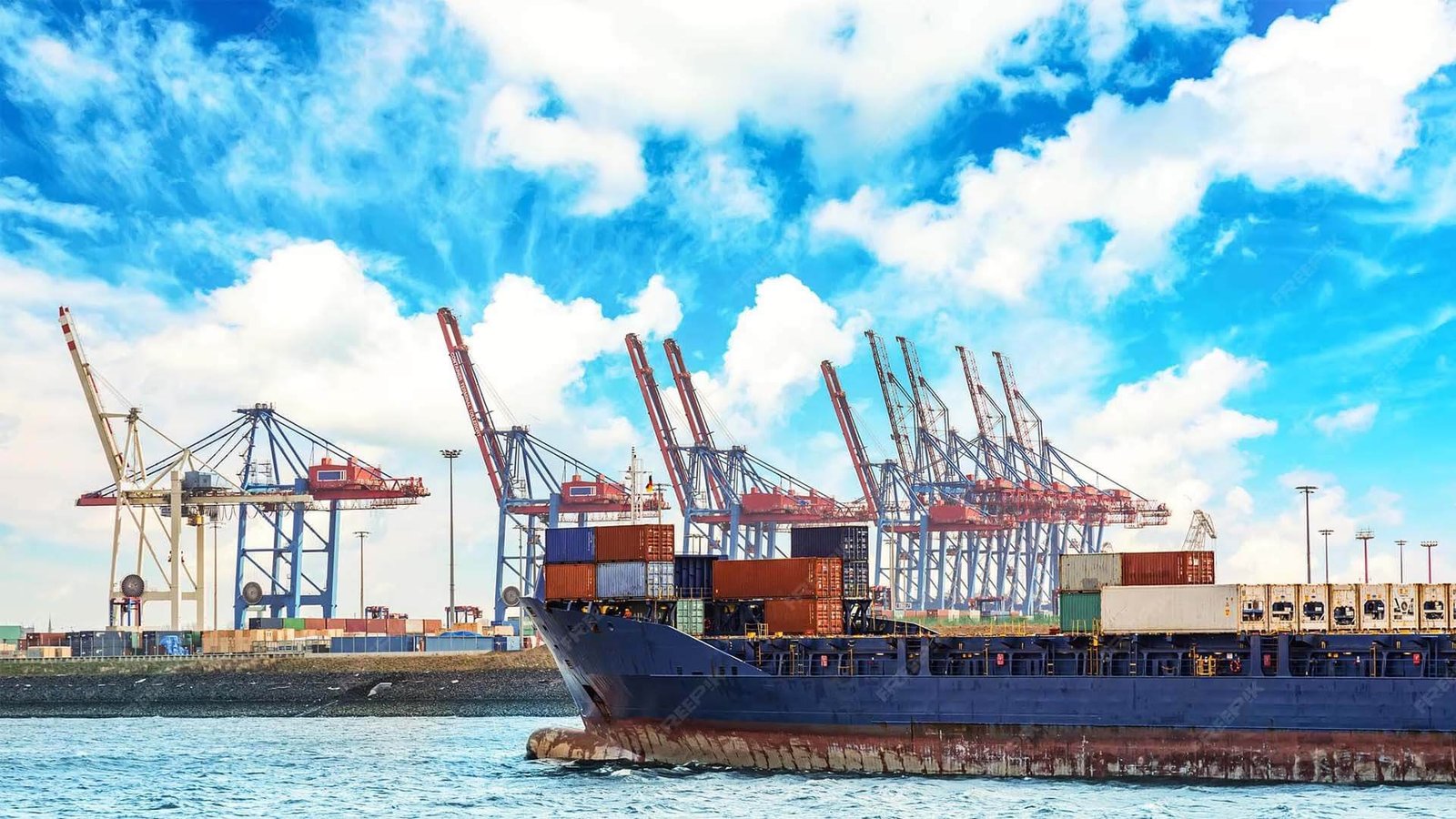
To navigate the complexities of logistics and supply chain, familiarity with key terms is essential. These terms can dramatically affect your operational efficiency and financial outcomes.
Core Supply Chain and Logistics Terms Every U.S. Importer Must Understand to Control Cost and Transit Risk
Lead Time: Impacts inventory planning.
Transit Time: Affects delivery reliability.
Safety Stock: Reduces stockout risk.
Capacity: Limits booking availability.
Bottleneck: Causes delays.
| Term | Why It Matters to Importers |
|---|---|
| Lead Time | Impacts inventory planning |
| Transit Time | Affects delivery reliability |
| Safety Stock | Reduces stockout risk |
| Capacity | Limits booking availability |
| Bottleneck | Causes delays |
Flow: Supplier → Production → Export → Transit → Import → Distribution
Understanding these core terms allows importers to accurately project inventory needs and anticipate potential delays. For instance, knowing lead time1 enables effective scheduling, while awareness of bottlenecks helps identify vulnerabilities in supply chains. When you grasp these concepts, you can better manage costs and risks.
Freight and Shipping Terminology That Directly Impacts Ocean, Air, and Inland Transportation Costs
Freight terminology explains how transportation is priced and structured. Terms like FCL5, LCL6, DIM weight7, BAF8, and accessorial charges influence freight invoices and total landed cost, making it critical for importers to understand rate structures and surcharge models.
A thorough understanding of freight terms is vital for cost management during transportation.
| Term | Cost Impact |
|---|---|
| FCL5 | Flat container rate |
| LCL6 | Volume-based pricing |
| DIM Weight | Air/parcel pricing factor |
| BAF8 | Fuel surcharge |
| Accessorial | Extra service fees |
Flow: Freight Quote → Surcharges Added → Final Invoice → Cost Review
Freight costs can make or break your budget. FCL5 and LCL6 impact pricing strategies, while DIM weight7 considerations can lead to unexpected charges. By comprehending these terms, importers can negotiate better rates and manage transportation costs effectively.
Trade Compliance Terms Importers Need to Know to Avoid Customs Penalties and Clearance Delays
Trade compliance terms define regulatory obligations. HTS codes, country of origin9, valuation methods, and entry types determine duties, eligibility for trade programs, and customs clearance outcomes, directly affecting cost and legal exposure.
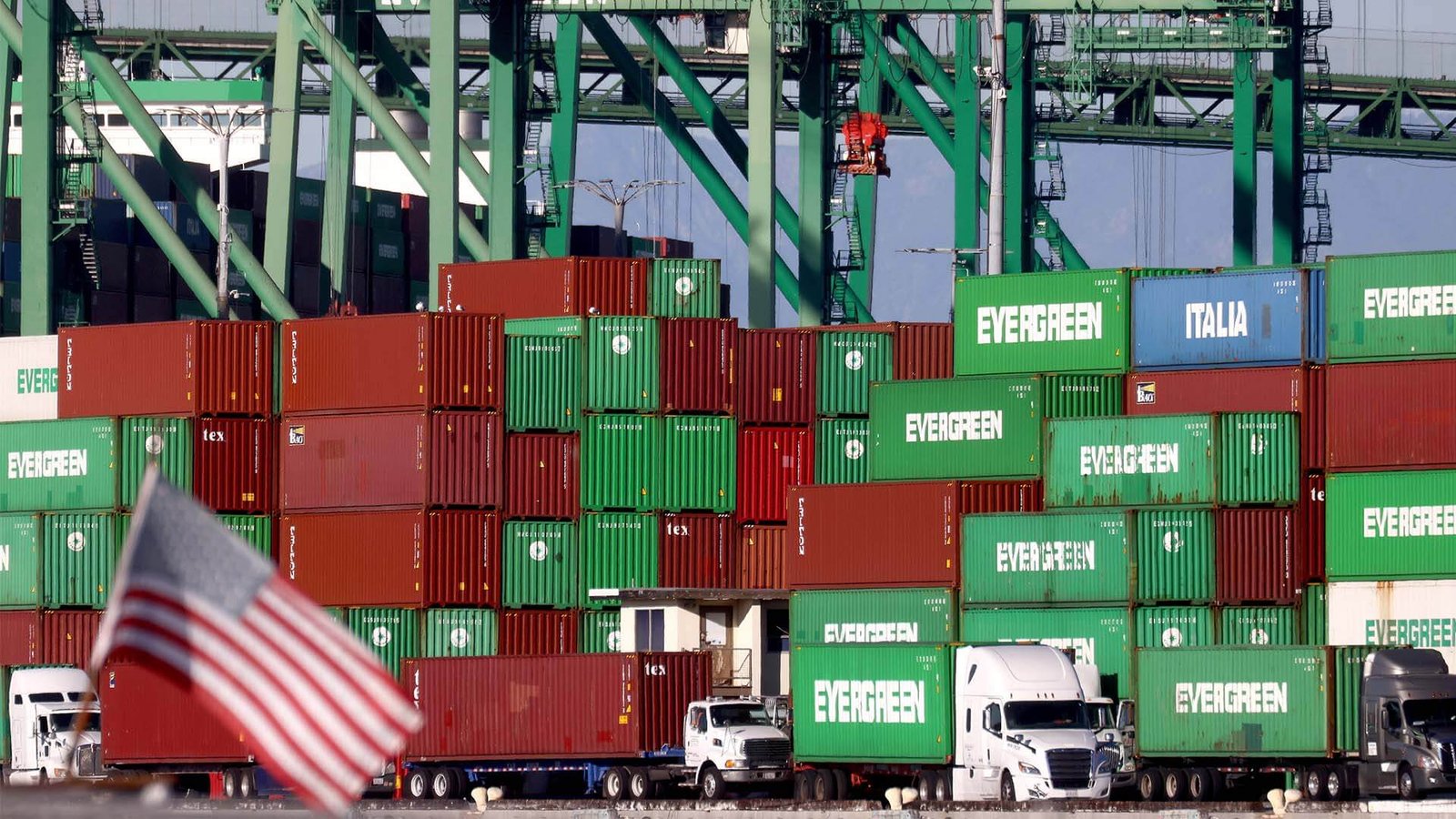
Knowing compliance-related terminology is crucial to avoid penalties and delays at customs.
| Term | Compliance Role |
|---|---|
| HTS Code10 | Duty classification |
| Country of Origin | Tariff & FTA eligibility |
| Customs Value | Duty calculation |
| Entry Type | Clearance procedure |
| PGA | Partner agency oversight |
Flow: Importer → Broker → CBP Filing → Review → Release
This understanding can save time and reduce exposure to fines. For instance, correctly classifying goods with HTS codes can significantly affect duties owed and ensure eligibility for favorable trade agreements. By staying informed, importers can ensure smoother customs processes.
Incoterms and Responsibility Terms That Determine Who Pays, Who Risks, and Who Controls the Shipment
Incoterms allocate cost, risk, and control between buyer and seller. Understanding FOB11, CIF12, DDP, and EXW clarifies who arranges freight, pays charges, and assumes risk at each stage of transport.
Knowing who is responsible for what can avoid costly misunderstandings.
| Incoterm | Buyer Responsibility | Seller Responsibility |
|---|---|---|
| FOB11 | Ocean freight onward | Export delivery |
| CIF12 | Import clearance | Freight + insurance |
| DDP | Minimal | Door delivery |
| EXW | Most transport steps | Goods at factory |
Flow: Seller → Export → Ocean → Import → Delivery
Understanding Incoterms is critical. For example, with CIF12, the seller covers insurance and freight, which may lead to higher costs. By clearly defining responsibilities, importers can manage expectations and avoid disputes.
Documentation and Customs Filing Terms That Affect Cargo Release, Exams, and Entry Processing
Documentation terms refer to the paperwork required for shipment and clearance. Bills of lading, commercial invoices, ISF13 filings, and packing lists ensure compliance and determine whether cargo is released smoothly or held for review.
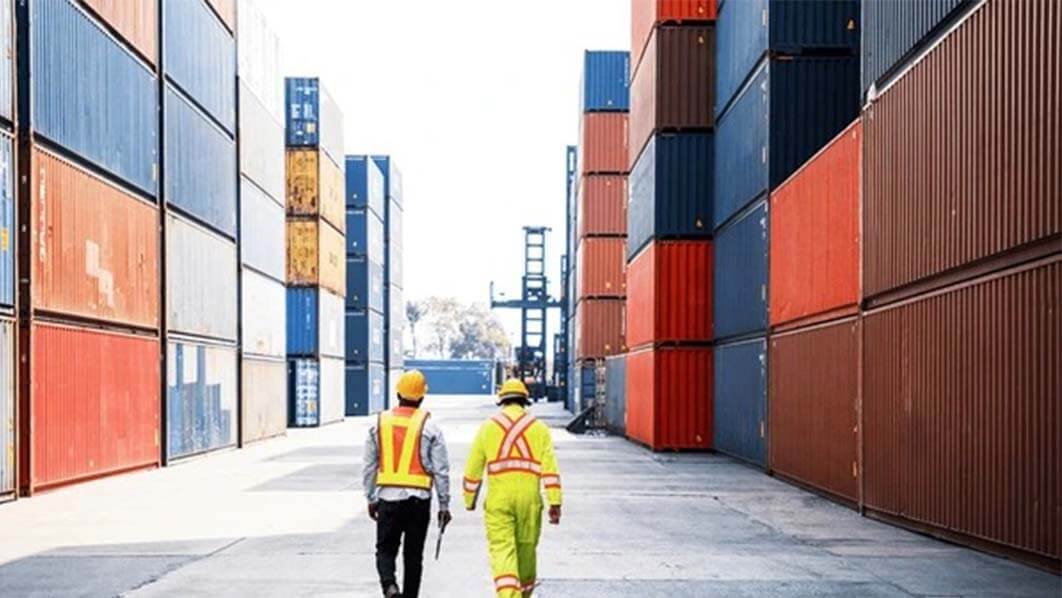
The right documentation can expedite the customs process.
| Document | Purpose |
|---|---|
| Bill of Lading14 | Transport contract |
| Commercial Invoice15 | Valuation & duties |
| Packing List | Cargo verification |
| ISF13 | Security filing |
| Entry Summary | Final customs declaration |
Flow: Documents Prepared → Filing → CBP Review → Cargo Release
Being accurate with documentation is non-negotiable. Errors can lead to delays and compliance issues. For instance, an incorrect commercial invoice can result in underpayment of duties or penalties.
How Freight Forwarders and Customs Brokers Translate Complex Logistics and Compliance Terminology Into Action
Forwarders and brokers convert terminology into operational steps by planning freight modes, managing documentation, ensuring compliance filings, and coordinating delivery, allowing importers to focus on business operations instead of regulatory complexity.

Freight forwarders and customs brokers simplify the logistics process.
| Service | Importer Benefit |
|---|---|
| Rate analysis | Cost control |
| Compliance review | Risk reduction |
| Documentation prep | Fewer delays |
| Delivery coordination | End-to-end visibility |
Flow: Shipment Planning → Freight Booking → Documentation Review → Entry Filing → Customs Clearance → Inland Delivery
Partnering with a freight forwarder or customs broker is not just advantageous; it’s essential. They take the burden of terminology off your shoulders and turn it into actionable steps. This streamlines processes and allows importers to concentrate on their core business.
Conclusion
Understanding supply chain, logistics, and compliance terminology is crucial for U.S. importers to optimize costs, manage risks, and ensure smooth operations.
Understanding lead time helps importers schedule effectively and manage inventory, reducing the risk of stockouts and delays. ↩
Knowing transit time is crucial for importers to ensure timely deliveries and maintain customer satisfaction. ↩
Safety stock acts as a buffer against uncertainties in demand and supply, preventing stockouts. ↩
Capacity planning helps importers optimize resource allocation and avoid bottlenecks in the supply chain. ↩
Understanding FCL helps importers choose the right container shipping options, impacting cost and efficiency. ↩
LCL pricing affects importers' freight costs, making it essential to understand for budget management. ↩
DIM weight influences air and parcel shipping costs, crucial for importers to manage expenses. ↩
BAF, or bunker adjustment factor, affects fuel surcharges, impacting overall shipping costs. ↩
Country of origin determines tariff eligibility and compliance with trade agreements. ↩
Correct HTS code classification can significantly impact duties owed, affecting import costs. ↩
FOB defines who is responsible for ocean freight, crucial for importers to manage costs and risks. ↩
CIF includes insurance and freight, impacting cost and risk allocation between buyer and seller. ↩
ISF filing is a security measure that ensures compliance and smooth cargo release. ↩
A Bill of Lading is a transport contract essential for cargo release and compliance. ↩
A Commercial Invoice determines valuation and duties, crucial for accurate customs processing. ↩