Core Logistics and Transportation Terms U.S. Importers Must Understand to Manage Freight, Costs, and Delivery Risk
Core logistics terms describe how goods move through the supply chain and how performance is measured. Understanding lead time1, transit time, capacity, and service level helps importers plan inventory, reduce delays, and manage transportation risk in global shipping networks.
| Term | Importer Impact |
|---|---|
| Lead Time | Affects inventory planning |
| Transit Time | Determines delivery reliability |
| Capacity | Influences booking availability |
| Service Level | Impacts carrier selection |
| Bottleneck | Causes shipment delays |

Flow: Supplier → Export → Transit → Import → Distribution
Freight Mode Terminology2 That Affects Ocean, Air, Rail, and Truck Shipping Decisions
Freight mode terms define how cargo moves across different transport methods. Choosing between FCL, LCL, air freight, rail, or truck affects speed, cost, capacity, and risk, making terminology critical for shipment planning.
| Mode | Best For | Trade-Off |
|---|---|---|
| Ocean FCL | Large volumes | Slower transit |
| Ocean LCL | Small shipments | More handling |
| Air Freight | Urgent cargo | Higher cost |
| Rail | Inland bulk | Limited routes |
| Truck | Final delivery | Distance limits |
Pricing and Surcharge Terms That Directly Influence Freight Invoices and Landed Cost
Freight pricing terms explain how transportation costs are structured. Charges such as base rate, BAF, PSS, accessorials, and demurrage directly affect invoices, making it essential for importers to understand surcharge categories.
| Term | Meaning |
|---|---|
| Base Freight3 | Core transport charge |
| BAF | Fuel adjustment |
| PSS | Peak season surcharge |
| Accessorial | Extra services |
| Demurrage | Port storage fee |
Flow: Freight Rate → Surcharges → Invoice → Cost Review
Transit, Routing, and Handling Terms That Impact Delivery Time and Cargo Reliability
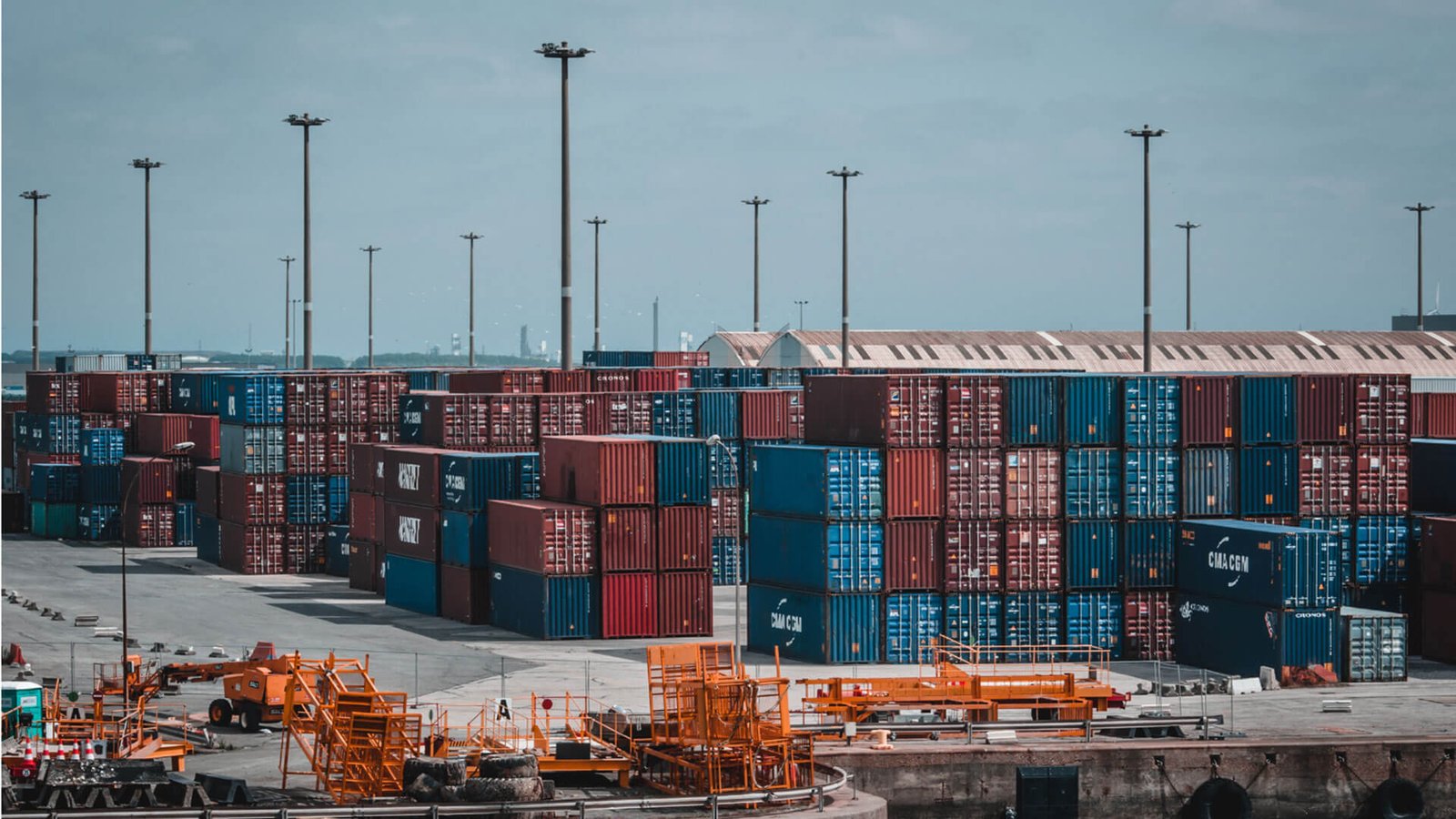
Transit terminology explains routing and cargo movement stages. Terms such as transshipment, direct service, dwell time, and handling points determine how long cargo takes and the risk of delay or damage.
| Term | Effect |
|---|---|
| Transshipment4 | Longer transit |
| Direct service | Faster delivery |
| Dwell Time | Port delay risk |
| Handling Point | Damage exposure |
Customs and Documentation Terms That Determine Clearance Speed and Compliance Risk
Customs terms define regulatory requirements. HTS code, country of origin, ISF, entry summary, and PGA filings affect duties, inspections, and release speed, making documentation accuracy critical for importers.
| Term | Purpose |
|---|---|
| HTS Code5 | Duty classification |
| Country of Origin | Tariff determination |
| ISF | Security filing |
| Entry Summary | Customs declaration |
| PGA | Agency review |
Flow: Importer → Broker → Filing → CBP Review → Release

How Freight Forwarders and Brokers Translate Logistics Terminology Into Actionable Shipping Solutions
Forwarders and brokers turn terminology into operational execution by selecting modes, managing documentation, coordinating carriers, and ensuring customs compliance, giving importers visibility and control across the entire shipment process.
Flow: Importer → Forwarder → Broker → CBP
| Service | Importer Benefit |
|---|---|
| Mode analysis6 | Cost optimization |
| Surcharge review7 | Invoice control |
| Compliance checks8 | Risk reduction |
| Delivery coordination | End-to-end visibility |

Understanding logistics terminology is vital for U.S. importers. By mastering key terms, importers can make informed decisions that reduce costs, ensure compliance, and streamline the shipping process. Partnering with a professional freight forwarder and customs broker can simplify these complexities, enabling businesses to focus on their core activities while we manage their logistics needs.
Understanding lead time helps importers plan inventory effectively, reducing delays and managing transportation risks in global shipping networks. ↩
Knowing freight mode terminology aids in choosing the right transport method, affecting speed, cost, capacity, and risk for shipment planning. ↩
Base freight is the core transport charge, essential for understanding how transportation costs are structured and affect freight invoices. ↩
Transshipment can lead to longer transit times, impacting delivery schedules and increasing the risk of cargo delay or damage. ↩
HTS codes are crucial for duty classification, affecting tariffs and compliance with customs regulations, impacting overall import costs. ↩
Mode analysis helps importers optimize costs by selecting the most efficient transportation modes, enhancing overall shipping efficiency. ↩
Surcharge review allows importers to manage and control additional charges on freight invoices, ensuring accurate cost assessments. ↩
Compliance checks reduce risk by ensuring adherence to regulations, preventing costly delays and penalties in the shipping process. ↩