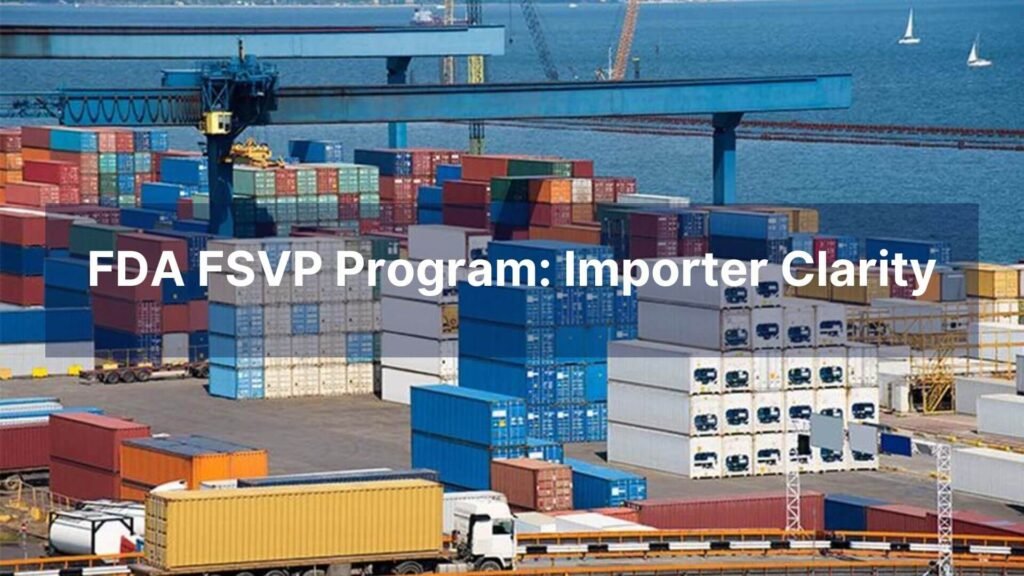
The FDA Foreign Supplier Verification Program1 (FSVP) plays a crucial role in ensuring that food imported into the U.S. meets safety standards. Understanding your obligations as an importer can help mitigate risks and maintain compliance.
The FDA Foreign Supplier Verification Program1 (FSVP) requires U.S. importers of food to verify that foreign suppliers produce food meeting U.S. safety standards. The FSVP importer2 is the U.S.-based owner or consignee responsible for ensuring compliance, regardless of who acts as the customs importer of record.
The FSVP Program is essential for safeguarding public health. As regulations continue to evolve, understanding the role of the FSVP importer2 is vital. As an importer, you must stay informed to avoid compliance issues that can lead to severe penalties.
What the FDA FSVP Program Requires and Who Qualifies as the FSVP Importer?

The FDA mandates that U.S. importers verify their foreign suppliers to ensure compliance with U.S. safety standards. This compliance responsibility primarily falls on the FSVP importer2, who is the entity responsible for ensuring that all safety measures are met.
| Role | FSVP Responsibility |
|---|---|
| U.S. owner/consignee | Usually FSVP importer2 |
| Customs broker | Not FSVP responsible |
| Freight forwarder | Logistics only |
| Foreign supplier | Provides safety documentation |
Flow:
Foreign Supplier → FSVP Importer → FDA Compliance Oversight
A clear understanding of these roles helps maintain a compliant supply chain. The FSVP importer2 is crucial in the verification process, reinforcing the importance of selecting reliable foreign suppliers.
Key Responsibilities of an FSVP Importer Including Hazard Analysis, Supplier Approval, and Verification Activities
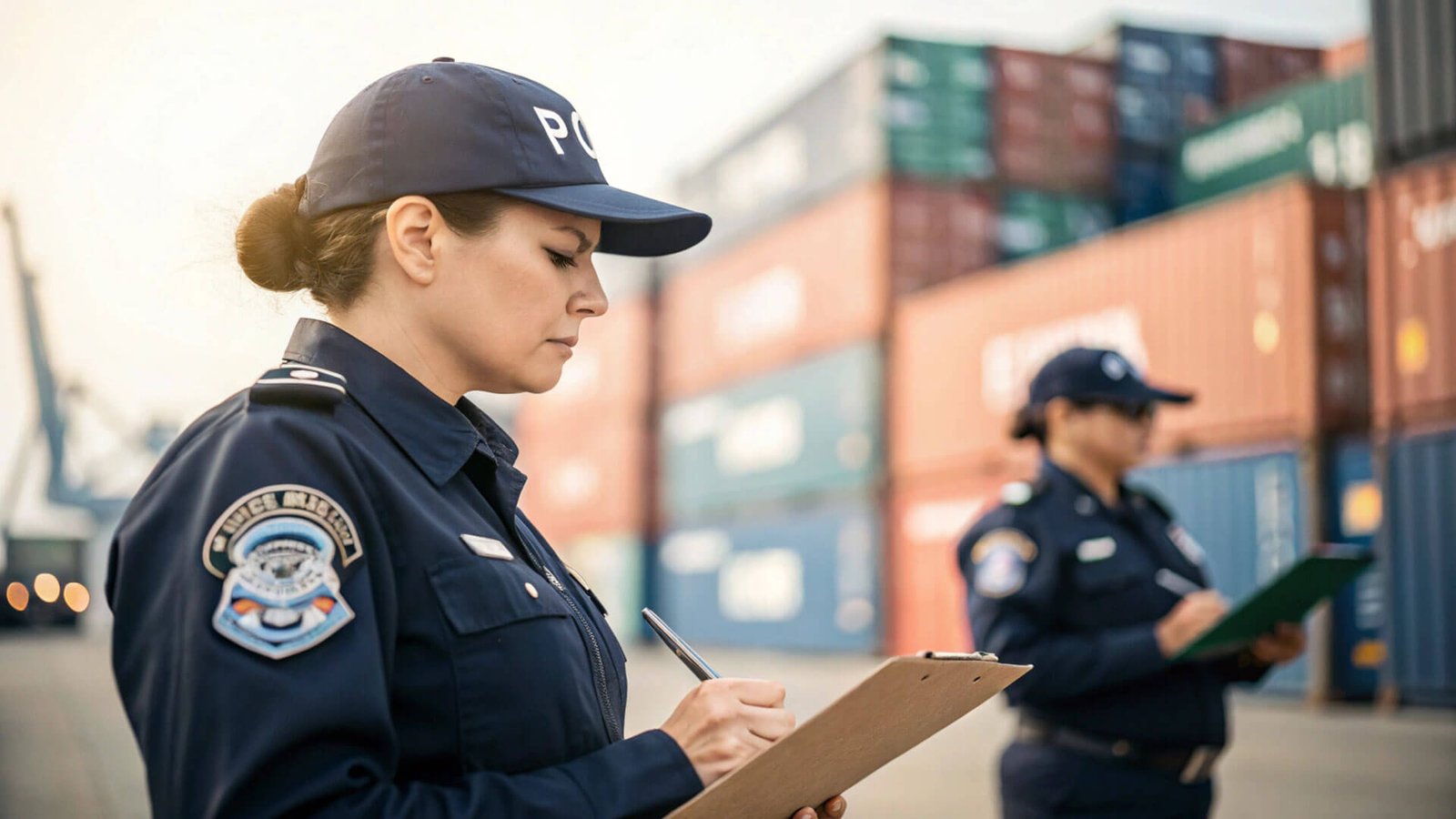
FSVP importer2s are required to conduct hazard analyses3, approve foreign suppliers, and perform verification activities4. These steps are critical to ensuring that imported food meets FDA standards equivalent to U.S. preventive control rules.
| Task | Purpose |
|---|---|
| Hazard analysis | Identify food safety risks |
| Supplier approval | Confirm safe practices |
| Verification activities | Ongoing compliance |
| Corrective actions | Address safety issues |
Flow:
Hazard Analysis → Supplier Evaluation → Verification → Records Maintained
By systematically following these responsibilities, importers can reduce risks in their supply chains. Proper hazard analysis and supplier approval5 are fundamental to safeguarding public health and compliance.
FSVP Importer vs Importer of Record6: Roles, Legal Liability, and Compliance Differences
The FSVP importer2 is responsible for food safety verification, while the importer of record manages customs clearance and duties. Although one entity may serve both roles, understanding the distinct responsibilities is essential for compliance.
| Role | Main Responsibility |
|---|---|
| FSVP Importer | FDA food safety compliance |
| Importer of Record | Customs entry & duties |
| Broker | Filing support |
Understanding the differences between these roles can help mitigate compliance gaps. Misinterpretation of these responsibilities can lead to legal liabilities and increased regulatory scrutiny.
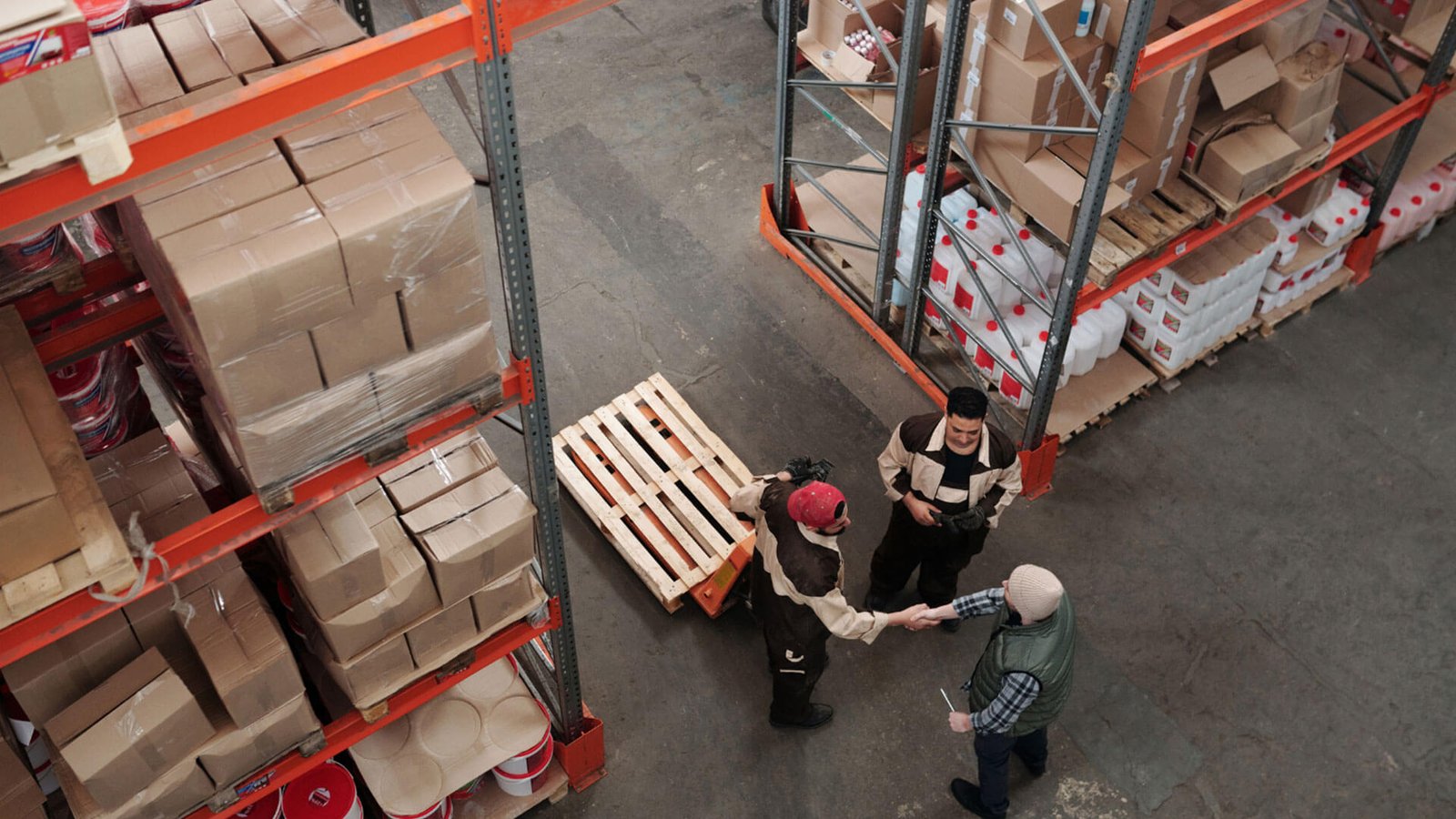
FSVP Documentation and Recordkeeping7 Requirements Importers Must Maintain for FDA Inspections
FSVP importer2s are required to maintain several key documents, including written hazard analyses3, supplier approval5 records, and verification results. These records must be accessible and retained to demonstrate compliance during FDA inspections.
| Document | Purpose |
|---|---|
| Hazard analysis | Risk evaluation |
| Supplier approval records | Qualification proof |
| Verification reports | Compliance evidence |
| Corrective action records | Issue resolution |
| Written FSVP plan8 | Program structure |
Flow:
Documentation Prepared → Maintained → Provided During FDA Review
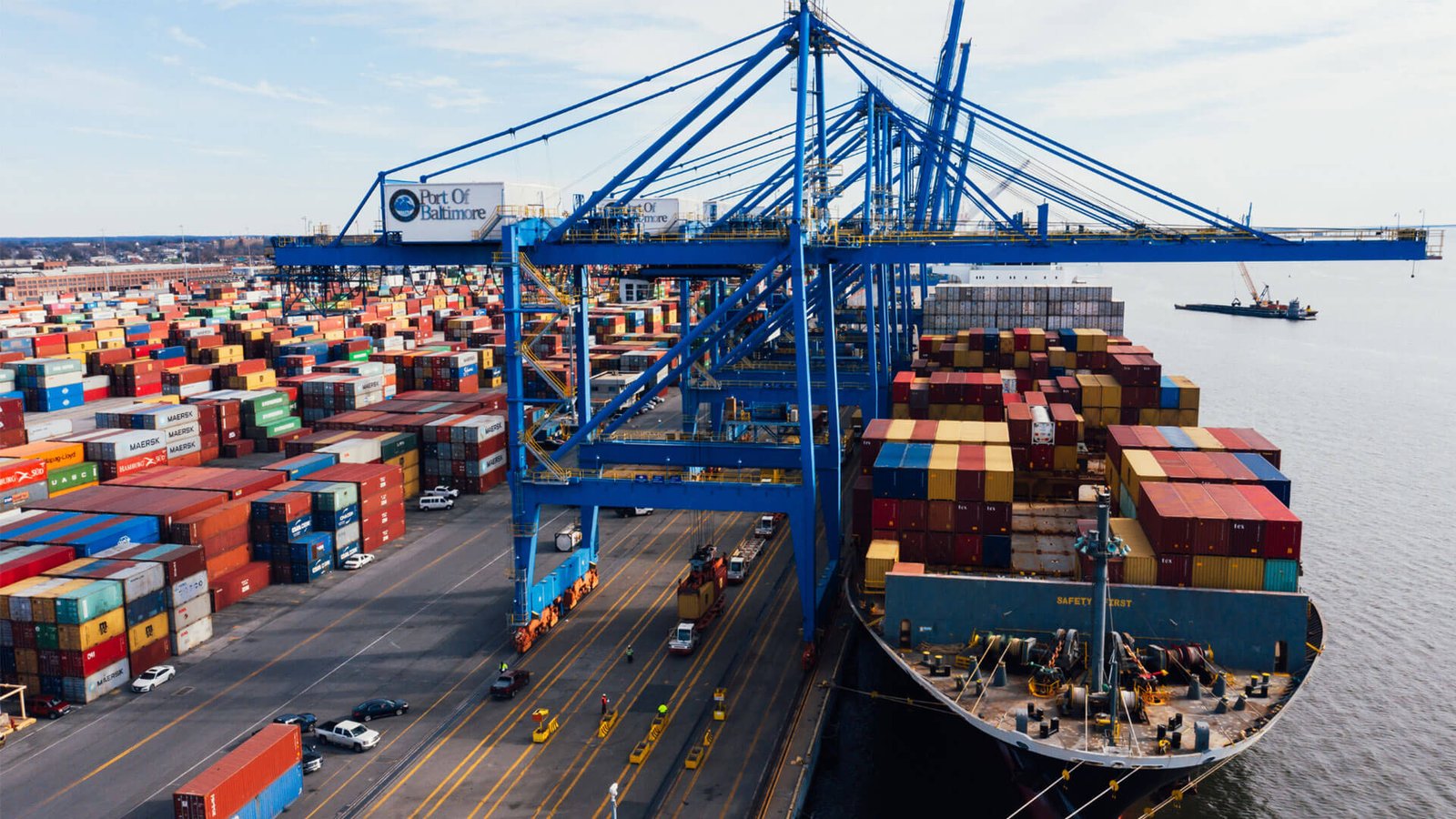
Proper documentation is vital to avoid enforcement actions. Ensuring that all records are up-to-date and readily available will prepare you for any inspections that may arise.
What Triggers FDA FSVP Inspections9 and Common Compliance Failures That Lead to Warning Letters
Inspections by the FDA can be triggered by high-risk food categories, supplier issues, or routine oversight. Common compliance failures include missing hazard analyses3, lack of supplier verification, and incomplete records, which can lead to warning letters or import alerts.
| Failure | Regulatory Risk |
|---|---|
| No hazard analysis | Major violation |
| Unapproved supplier | Import alert risk |
| Missing verification | Compliance gap |
| Incomplete records | Inspection finding |
By understanding the potential triggers for inspections, you can proactively address issues that may arise. Staying ahead of compliance failures is crucial to maintaining your import business.
How Customs Brokers and Compliance Partners10 Help Importers Integrate FSVP With Customs Clearance and Supply Chain Controls
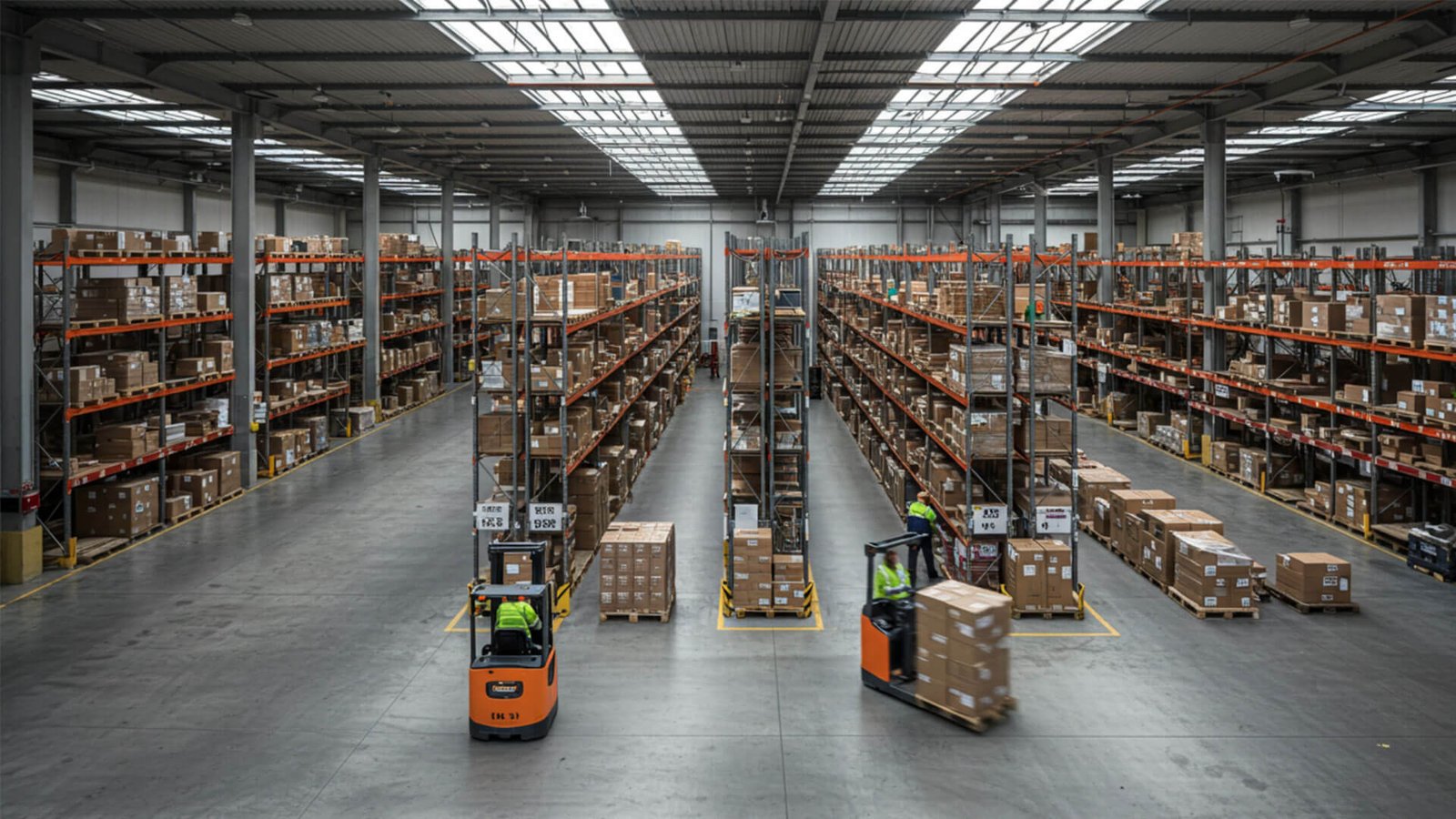
Compliance partners play a vital role in aligning FSVP documentation with customs filings and managing data flow between suppliers and regulators. This ensures that shipments move smoothly without delays caused by missing FDA requirements.
Flow:
Supplier Data → Documentation Review → Entry Filing → FDA Coordination → Shipment Release
| Service | Importer Benefit |
|---|---|
| Documentation review | Fewer FDA issues |
| Filing coordination | Clearance efficiency |
| Supplier data management | Better oversight |
| Inspection prep | Reduced enforcement risk |
Working with a knowledgeable customs broker can streamline your compliance efforts. This partnership is essential for navigating the complexities of FDA regulations and ensuring that your supply chain remains robust.
Conclusion
Understanding the FSVP requirements and maintaining compliance is essential for importers. Partnering with experienced customs brokers can enhance your regulatory readiness and streamline your operations.
Explore this link to understand the critical role of the FSVP in ensuring food safety for imported goods. ↩
Learn about the responsibilities and qualifications of an FSVP importer to ensure compliance with FDA regulations. ↩
Discover how hazard analyses help identify food safety risks and maintain compliance with FDA standards. ↩
Explore the ongoing compliance measures that FSVP importers must perform to meet FDA requirements. ↩
Understand the process of approving foreign suppliers to ensure safe practices and compliance with U.S. standards. ↩
Clarify the distinct roles and responsibilities to avoid compliance gaps and legal liabilities. ↩
Learn about the essential documents importers must maintain for FDA inspections to demonstrate compliance. ↩
Discover the structure and components of a comprehensive FSVP plan to ensure regulatory readiness. ↩
Understand the factors that lead to FDA inspections and how to prevent common compliance failures. ↩
Explore how partnering with customs brokers can streamline compliance efforts and ensure smooth shipment processes. ↩