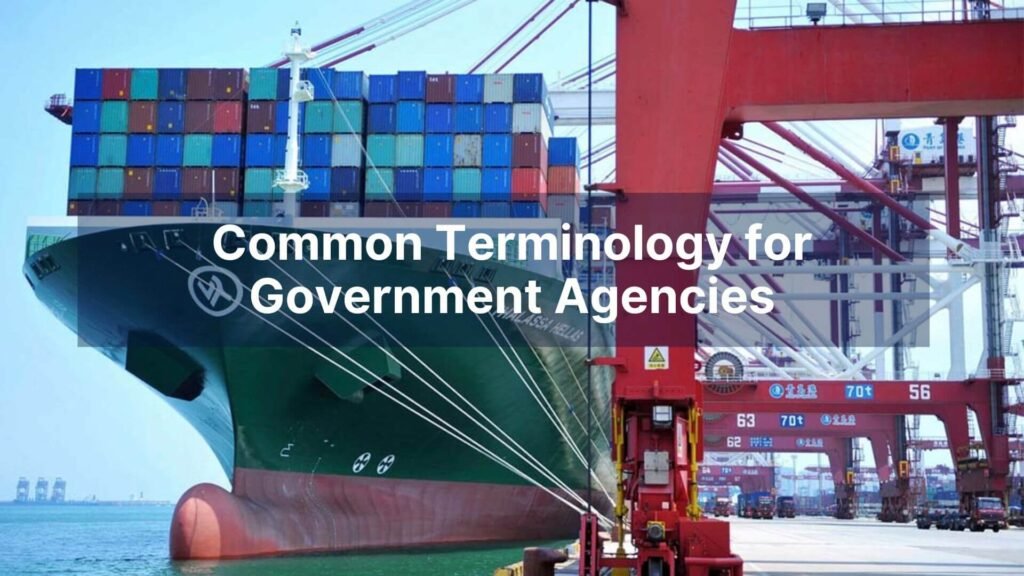
Importing goods can be a complex process. Understanding the terminology used by government agencies is essential for smooth customs clearance. This article aims to clarify key terms and agency roles impacting importers.
Multiple U.S. government agencies regulate imports depending on product type. Customs and Border Protection (CBP)1 oversees entry processing, while other agencies manage food safety, agriculture, environmental compliance, and consumer product standards, creating a multi-agency compliance framework for importers.
Importers face different regulations depending on the products they are bringing into the U.S. It is vital to know which agency oversees your goods to ensure compliance. The coordination between agencies can significantly affect the speed and success of your imports.
Key U.S. Government Agencies Involved in Imports and What Each One Regulates?
Multiple U.S. government agencies regulate imports depending on product type. Customs and Border Protection (CBP)1 oversees entry processing, while other agencies manage food safety, agriculture, environmental compliance, and consumer product standards, creating a multi-agency compliance framework for importers.
| Agency | Regulatory Focus |
|---|---|
| CBP | Customs clearance & duties |
| FDA | Food, drugs, medical devices |
| USDA | Agriculture & plant products |
| EPA | Environmental compliance |
| CPSC | Consumer product safety |

Importer → Broker → CBP + PGAs → Release
Importers must be aware of which agencies are involved in regulating their specific products. For example, food products will require FDA approval2, while agricultural items fall under USDA jurisdiction. Knowing these details can save time and prevent costly compliance issues.
CBP Terminology Importers Must Understand for Customs Clearance and Border Compliance

CBP terminology defines entry processes, duty assessments, and enforcement actions. Terms such as HTS classification3, entry summary, ISF, and customs valuation directly influence clearance speed and compliance risk.
| Term | Meaning |
|---|---|
| HTS Code | Tariff classification |
| Entry Summary | Formal declaration |
| ISF | Security filing |
| Customs Value | Duty basis |
| Bond | Financial guarantee |
Importers should familiarize themselves with essential CBP terms to avoid delays. For instance, the HTS code determines duty rates, while the entry summary is a formal declaration required for customs clearance. Understanding these terms is critical for smooth operations.
Partner Government Agencies (PGAs)4 Like FDA, USDA, and EPA and Their Role in Import Controls

Partner Government Agencies (PGAs)4 enforce product-specific regulations beyond CBP. Importers may face FDA prior notice5, USDA permits6, or EPA certifications7 depending on cargo type, making cross-agency coordination essential.
| PGA | Controls |
|---|---|
| FDA | Food & pharmaceuticals |
| USDA | Animal & plant health |
| EPA | Chemicals & emissions |
| DOT | Hazardous materials |
Shipment Filed → CBP Entry → PGA Review → Release or Hold

Each PGA plays a unique role in ensuring that products meet U.S. standards. For example, the FDA requires prior notice for food shipments, while the USDA checks for permits related to agricultural items. This collaboration is crucial for maintaining the safety and compliance of imported goods.
Trade Enforcement and Export Control Agencies That Impact Importers Indirectly
Some agencies influence imports through trade enforcement, sanctions, and export controls. Regulations from agencies such as BIS or OFAC may restrict transactions involving certain goods, countries, or entities, affecting importer supply chains.
| Agency | Impact Area |
|---|---|
| BIS | Export controls |
| OFAC | Sanctions |
| ITC | Trade investigations |
Importers must remain vigilant regarding trade enforcement and export controls. Even if a product is approved for import, sanctions or restrictions on specific countries can affect availability and costs. Understanding these regulations is vital to avoid unexpected issues.
Government Filing Systems and Portals Importers Encounter Including ACE, AES, and Other Platforms
Government systems like ACE for imports8 and AES for exports manage electronic filings, compliance data, and regulatory reporting. Importers rely on these platforms directly or through brokers to submit documentation and track shipment status.
| System | Purpose |
|---|---|
| ACE | Import entry filing |
| AES | Export filing |
| FDA Prior Notice | Food import reporting |
Importers encounter various electronic filing systems. The Automated Commercial Environment (ACE) assists with import entries, while the Automated Export System (AES)9 handles exports. Knowing how to navigate these platforms can streamline the import process and enhance compliance.
How Freight Forwarders and Customs Brokers Coordinate With Multiple Agencies to Keep Cargo Moving
Forwarders and brokers coordinate documentation, filings, and communications across CBP and PGAs, ensuring shipments meet all regulatory requirements and move without unnecessary holds or penalties.
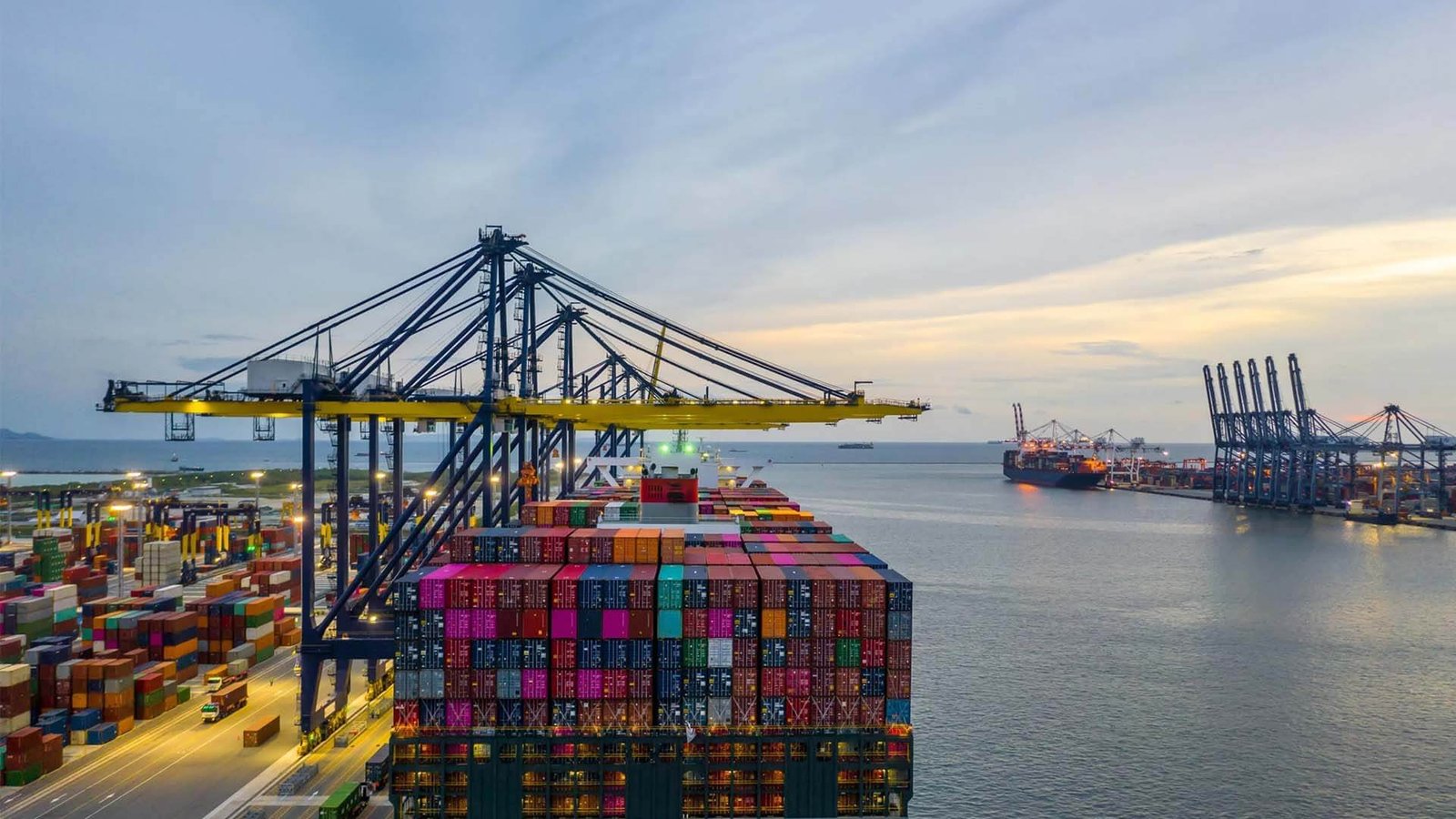
Importer → Broker → CBP/PGA Flow
| Service | Importer Benefit |
|---|---|
| Multi-agency coordination | Fewer delays |
| Documentation management | Compliance assurance |
| System filing support | Faster processing |
| Regulatory updates | Risk reduction |
Customs brokers10 and freight forwarders play a pivotal role in the import process. They handle documentation and communicate with multiple agencies to ensure everything aligns with regulations. This coordination is crucial for minimizing delays and ensuring smooth cargo movement.
Conclusion
Understanding government agency terminology and processes is vital for successful importing, ensuring compliance and efficiency in every shipment.
CBP is crucial for entry processing and customs clearance, impacting the speed and success of imports. ↩
FDA approval ensures food safety and compliance with U.S. standards, preventing costly compliance issues. ↩
HTS classification determines duty rates, influencing the cost and compliance of imported goods. ↩
PGAs enforce product-specific regulations, making cross-agency coordination essential for compliance. ↩
FDA prior notice is required for food shipments to ensure compliance and prevent import delays. ↩
USDA permits ensure animal and plant health compliance, preventing delays and costly issues. ↩
EPA certifications ensure environmental compliance, crucial for legal and safe importation of chemicals. ↩
ACE manages electronic filings and compliance data, streamlining the import process for importers. ↩
AES handles export filings, ensuring compliance and efficient processing of export documentation. ↩
Customs brokers ensure regulatory compliance and smooth cargo movement by managing documentation and communication. ↩