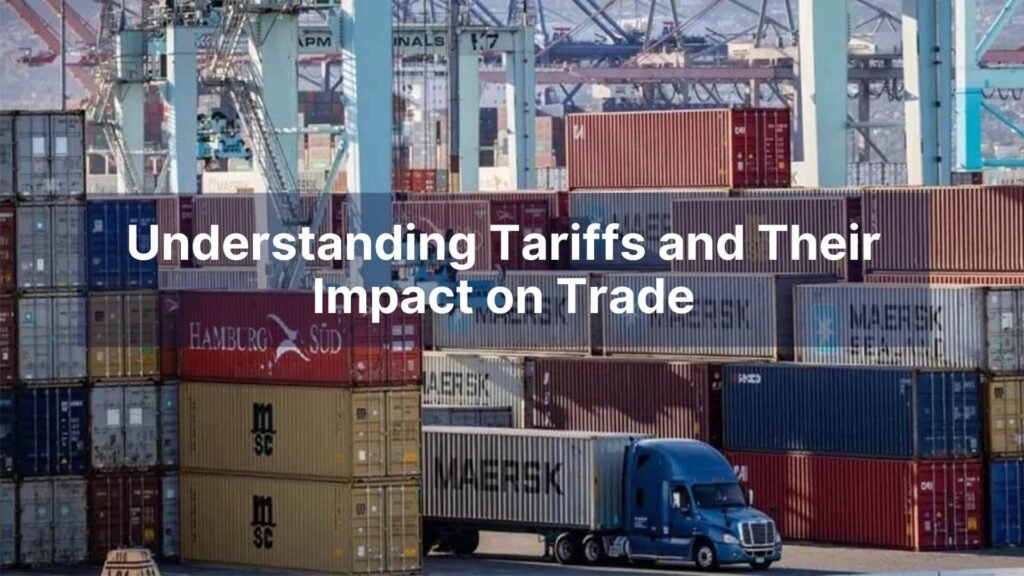
Tariffs can significantly affect import costs and landed pricing1 for businesses. Understanding tariffs is essential for importers to manage expenses and make informed sourcing decisions.
Tariffs are government-imposed duties2 on imported goods, calculated based on product classification and customs value3. They directly increase landed cost, influencing pricing, profit margins, and sourcing decisions for importers4.

Tariffs play a crucial role in international trade. They not only affect the price you pay for goods but also impact your overall business strategy. Increased tariffs can lead to higher landed costs, which affect your profit margins and competitiveness in the market. As the landscape of trade evolves, understanding how tariffs influence your business is vital for navigating these changes.
What Tariffs Are and How They Directly Affect Import Costs and Landed Pricing?
Tariffs are government-imposed duties2 on imported goods, calculated based on product classification and customs value3. They directly increase landed cost, influencing pricing, profit margins, and sourcing decisions for importers4.
Tariff Impact Table:
| Area | Effect on Importers |
|---|---|
| Landed cost | Higher total expense |
| Pricing | Margin pressure |
| Cash flow | Duties paid at entry |
| Competitiveness | Affects sourcing choices |
Flow: Supplier Price → Freight → Tariff Applied → Landed Cost → Sale Price
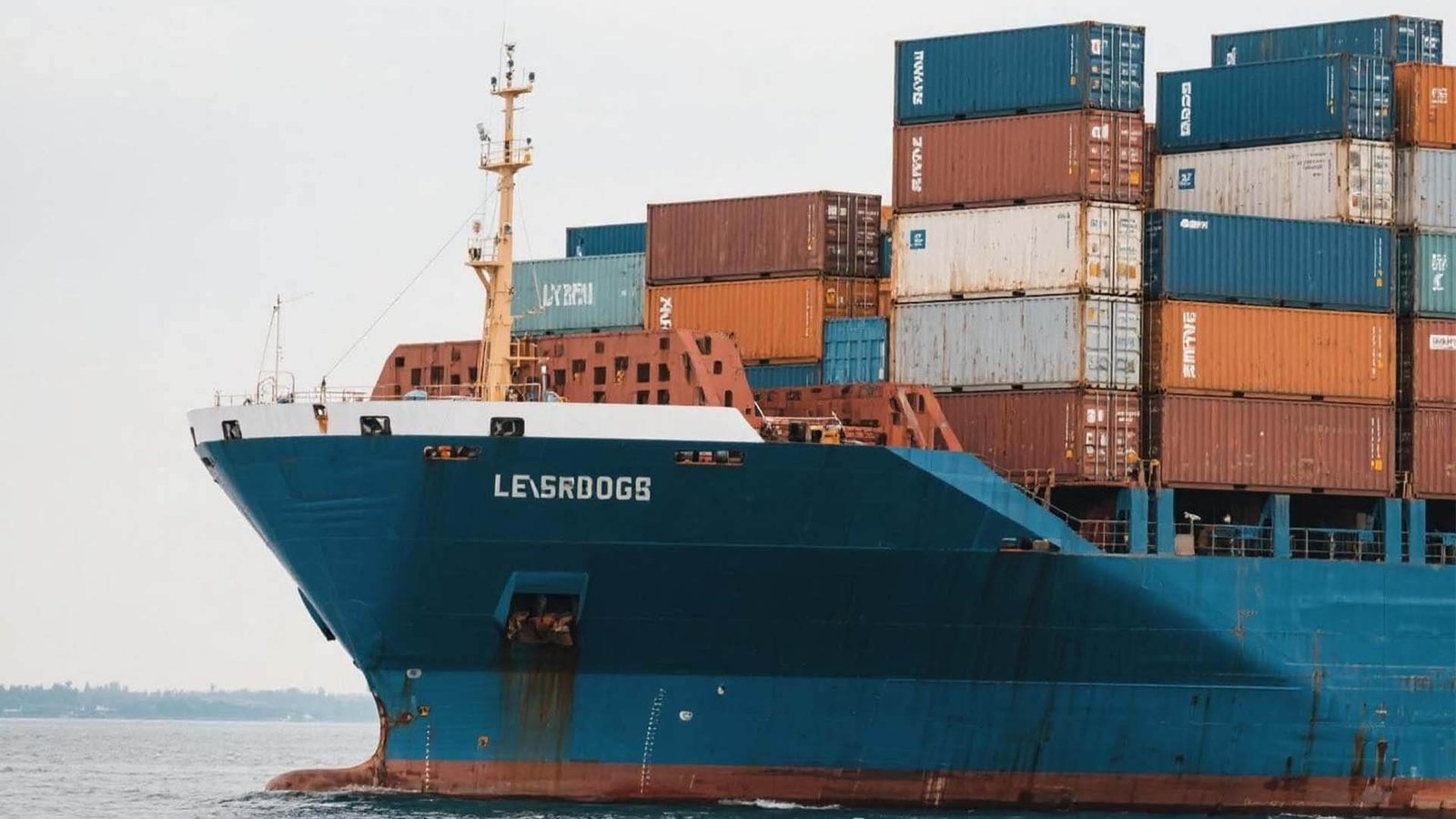
When you import goods, tariffs are a key cost component. They add to the total price you pay, making it critical to understand how they work. If tariffs increase, your landed cost rises, which means you might have to raise your sale prices to maintain margins. This can affect your competitiveness in the market.
Different Types of Tariffs Importers Face Including Ad Valorem, Specific, and Section 301 Duties5
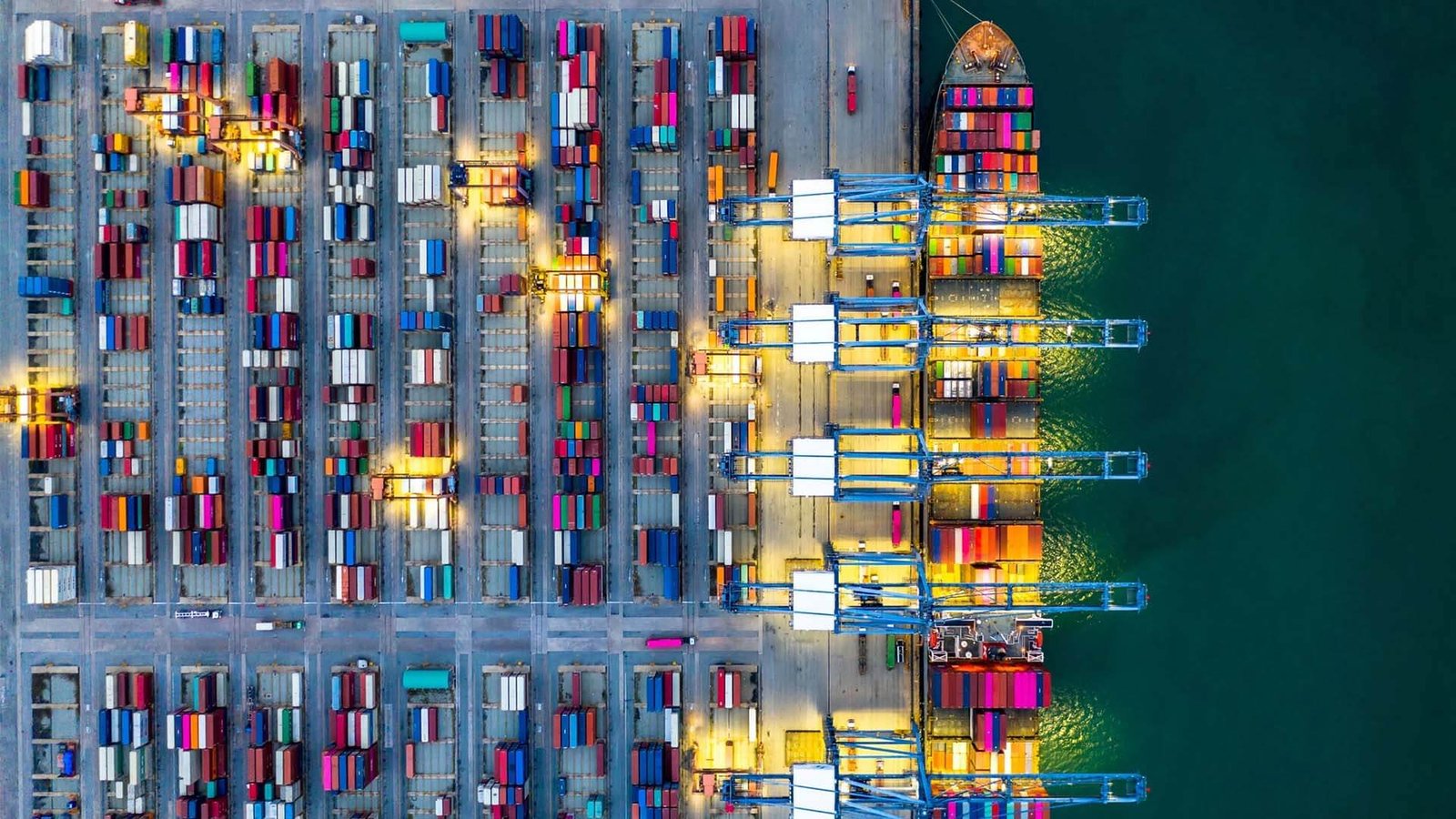
Importers may encounter percentage-based (ad valorem), per-unit (specific), or additional trade remedy duties such as Section 301. Each type impacts cost differently and depends on product classification and trade policy.
Tariff Type Table:
| Tariff Type | How Charged |
|---|---|
| Ad Valorem | % of value |
| Specific | Fixed per unit |
| Section 301 | Additional trade duty |
| Anti-dumping | Penalty duty |
| Countervailing | Subsidy offset |
Each type of tariff has its own structure and implications for your cost calculations. Ad valorem tariffs are based on the value of the goods, while specific tariffs are fixed amounts per unit. Understanding these differences can help you predict and manage your costs more effectively.
How Tariff Changes Disrupt Supply Chains, Sourcing Decisions, and Inventory Planning
Tariff increases or new duties can force importers to shift suppliers, adjust shipment timing, and build safety stock. Sudden changes create cost volatility and supply chain instability6.
Disruption Table:

| Change | Supply Chain Effect |
|---|---|
| New duties | Cost spikes |
| Rate increases | Budget uncertainty |
| Policy shifts | Supplier changes |
When tariffs change, they can disrupt your entire supply chain. For instance, if new duties are imposed, you may need to find alternative suppliers who can offer better pricing. This shift can lead to increased costs and potentially affect your inventory planning. Having a flexible supply chain strategy can help you navigate these challenges.
How Tariffs Are Calculated Using HTS Classification7, Customs Value, and Trade Programs
Tariff calculation depends on the correct HTS code, declared customs value, and eligibility for trade programs. Errors in classification or valuation can lead to overpayment or penalties.
Calculation Flow: HTS Classification7 → Customs Value → Duty Rate Applied → Final Tariff

Example Table:
| Product Value | Duty Rate | Tariff Due |
|---|---|---|
| $10,000 | 10% | $1,000 |
To ensure you pay the correct tariffs, you must accurately classify your products using the Harmonized Tariff Schedule (HTS) codes. If you misclassify a product, you could end up paying more than necessary or face penalties. Understanding how tariffs are calculated is essential for managing your import costs.
Tariff Reduction Strategies Importers Use Such as FTAs, Duty Drawback, and Classification Planning
Importers reduce tariff exposure through Free Trade Agreements, duty drawback programs8, accurate classification, and strategic sourcing. Compliance planning helps lower costs while maintaining regulatory adherence.
Strategy Table:
| Strategy | Benefit |
|---|---|
| FTAs | Reduced or zero duty |
| Duty Drawback | Refund on re-export |
| Classification review | Lower legal rate |
| Sourcing shift | Avoid high tariffs |
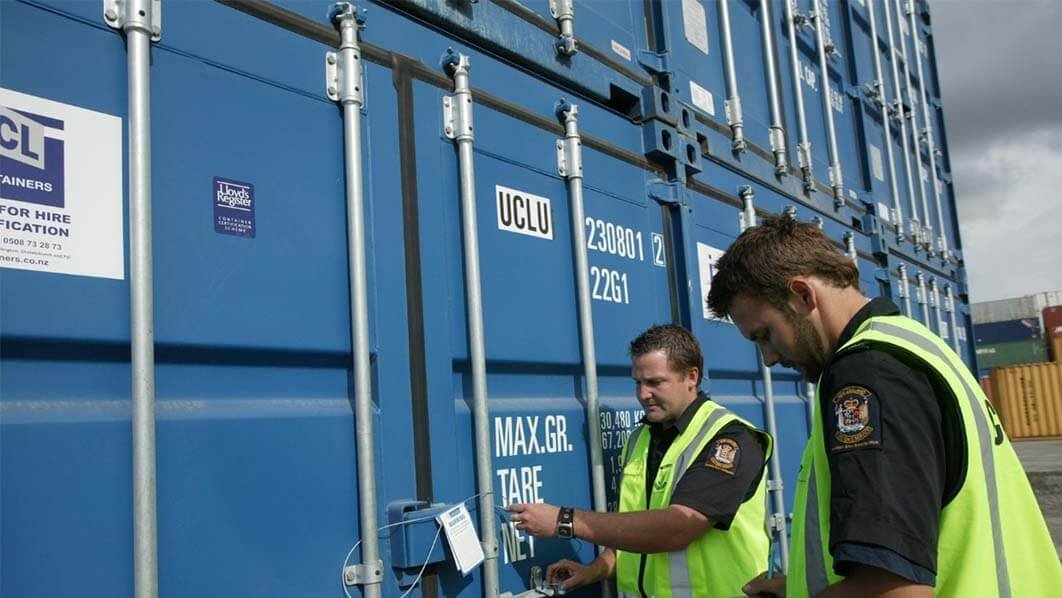
There are several strategies to reduce tariff exposure. Free Trade Agreements (FTAs)9 can provide significant savings by reducing or eliminating tariffs. Additionally, duty drawback programs8 allow you to recover duties on goods that are re-exported. Reviewing your product classifications can also help lower your tariff rate, making it crucial to stay compliant while optimizing costs.
Customs brokers and trade specialists provide classification expertise10, monitor policy changes, and structure entries to ensure accurate duty payment and cost optimization.
Importer → Broker → CBP Duty Flow: Product Analysis → Classification → Entry Filing → Duty Assessment → Payment → Compliance Monitoring

Support Table:
| Service | Importer Benefit |
|---|---|
| HTS analysis | Accurate duties |
| Policy monitoring | Risk awareness |
| Trade program guidance | Cost savings |
| Audit support | Compliance protection |
Working with customs brokers and trade experts11 can greatly reduce your tariff risk. They provide essential support in classifying your products accurately and staying updated on changing regulations. This guidance helps ensure that you're paying the correct duties and maintaining compliance, enabling you to focus on your core business operations.
Conclusion
Understanding tariffs is vital for importers to manage costs and navigate compliance effectively.
Understanding how tariffs impact import costs and landed pricing is crucial for businesses to manage expenses and maintain competitiveness. ↩
Learn about government-imposed duties to understand how they increase costs and affect your business strategy. ↩
Discover how accurate product classification and customs value are essential for correct tariff calculation and cost management. ↩
Find out how tariffs affect sourcing decisions, impacting your supply chain and overall business strategy. ↩
Explore the different types of tariffs to understand their unique impacts on import costs and business decisions. ↩
Learn how sudden tariff changes can disrupt supply chains, leading to cost volatility and the need for strategic adjustments. ↩
Understanding HTS Classification is key to ensuring accurate tariff payments and avoiding costly errors. ↩
Duty drawback programs offer refunds on re-exported goods, helping importers recover costs and improve profitability. ↩
Explore how FTAs can significantly lower or eliminate tariffs, providing cost savings for importers. ↩
Accurate classification expertise helps importers avoid overpayment and penalties, optimizing tariff costs. ↩
Customs brokers and trade experts provide vital support in navigating tariff regulations and ensuring compliance. ↩