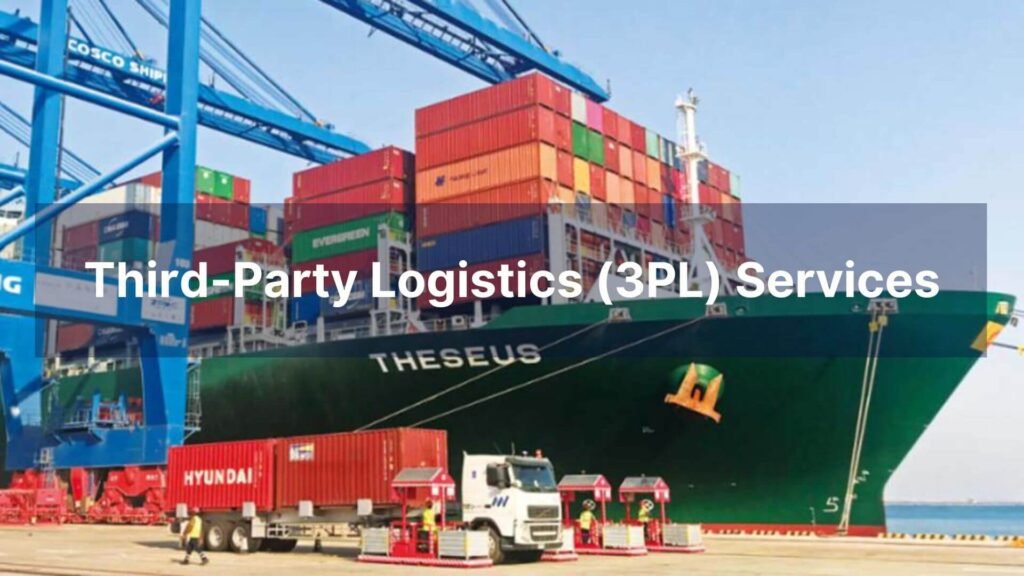
Third-party logistics (3PL) providers are essential in streamlining the import supply chain1. They help manage logistics, improve efficiency, and support businesses as they scale.
Third-party logistics (3PL) providers offer outsourced logistics services2 such as warehousing, inventory management, transportation coordination, and distribution. For importers, 3PLs help bridge international freight with domestic fulfillment3, improving visibility, reducing operational burden, and enabling scalable supply chain operations.
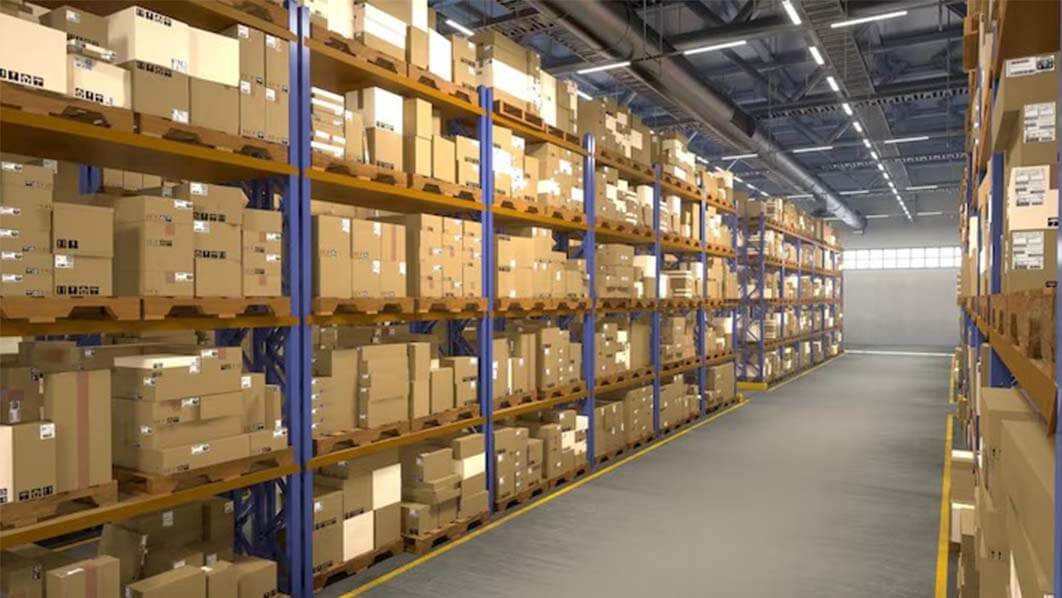
Importers face numerous challenges in managing logistics. These can range from finding reliable shipping partners to navigating customs clearance4. 3PLs can significantly alleviate these pressures. By outsourcing logistics to a 3PL, importers gain access to specialized services and infrastructure5 that can enhance their overall supply chain efficiency.
What Third-Party Logistics (3PL) Services Include and How They Support Import Supply Chains?
Third-party logistics (3PL) providers offer outsourced logistics services2 such as warehousing, inventory management, transportation coordination, and distribution. For importers, 3PLs help bridge international freight with domestic fulfillment3, improving visibility, reducing operational burden, and enabling scalable supply chain operations.
| Service | Importer Benefit |
|---|---|
| Warehousing | Inventory storage |
| Distribution | Order fulfillment |
| Transportation | Inland movement |
| Inventory control | Stock visibility |
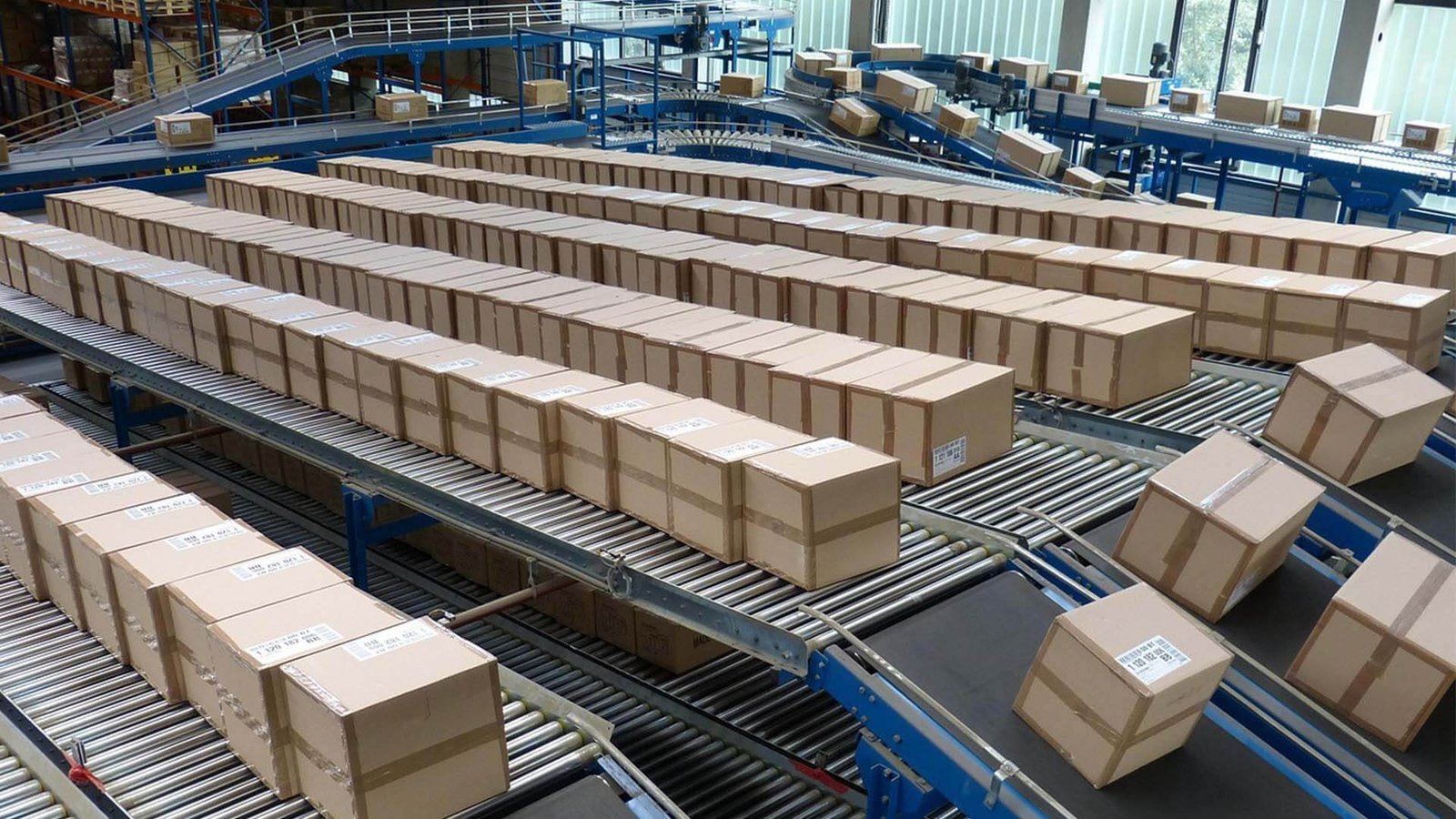
For importers, using a 3PL means they can focus on their core business while leaving logistics to the experts. 3PLs manage the flow of goods from overseas suppliers, through ocean freight to U.S. ports, and into distribution centers. This seamless operation enhances efficiency and allows for improved inventory management.
Core 3PL Functions Importers Use Including Warehousing, Distribution, and Transportation Management
Core 3PL functions include storage, order processing, inventory tracking6, and coordination of trucking or rail services. These functions help importers manage product flow after customs clearance.
| Function | Role in Supply Chain |
|---|---|
| Storage | Holds goods post-import |
| Order fulfillment | Ships to customers |
| Inventory tracking | Prevents stockouts |
| Transportation mgmt | Coordinates delivery |
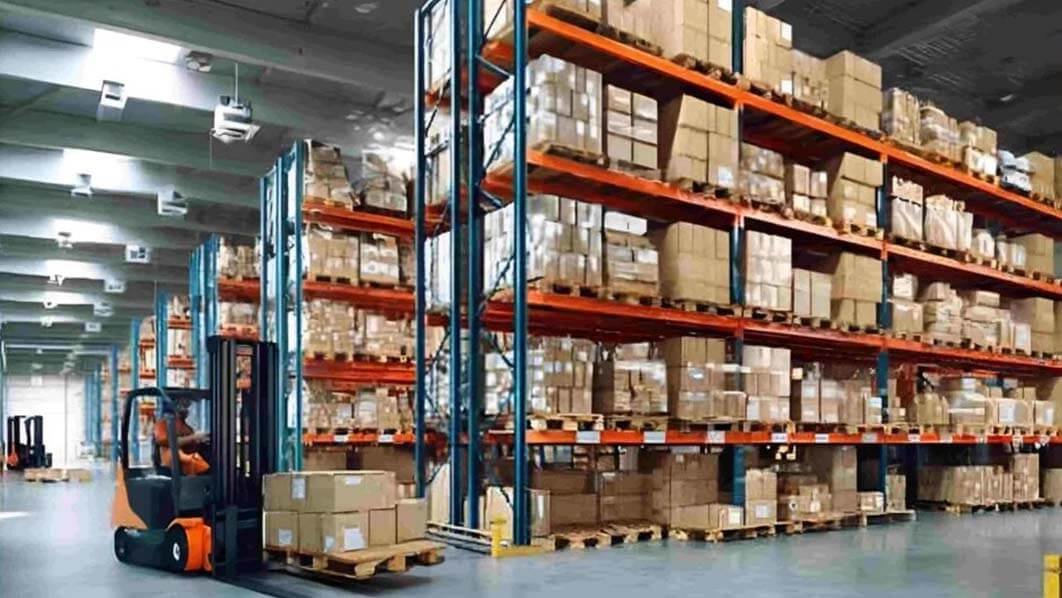
Core functions of 3PLs ensure that importers can streamline their operations. After customs clearance, 3PLs take over the logistics of holding goods in their warehouses and facilitating order fulfillment7. They also provide critical inventory tracking6 services, which help minimize stockouts and optimize supply chain efficiency.
How 3PL Providers Integrate Ocean Freight, Customs Clearance, and Inland Delivery
3PLs integrate with forwarders and brokers to ensure containers move from port to warehouse smoothly, with documentation and customs release aligned with delivery schedules.
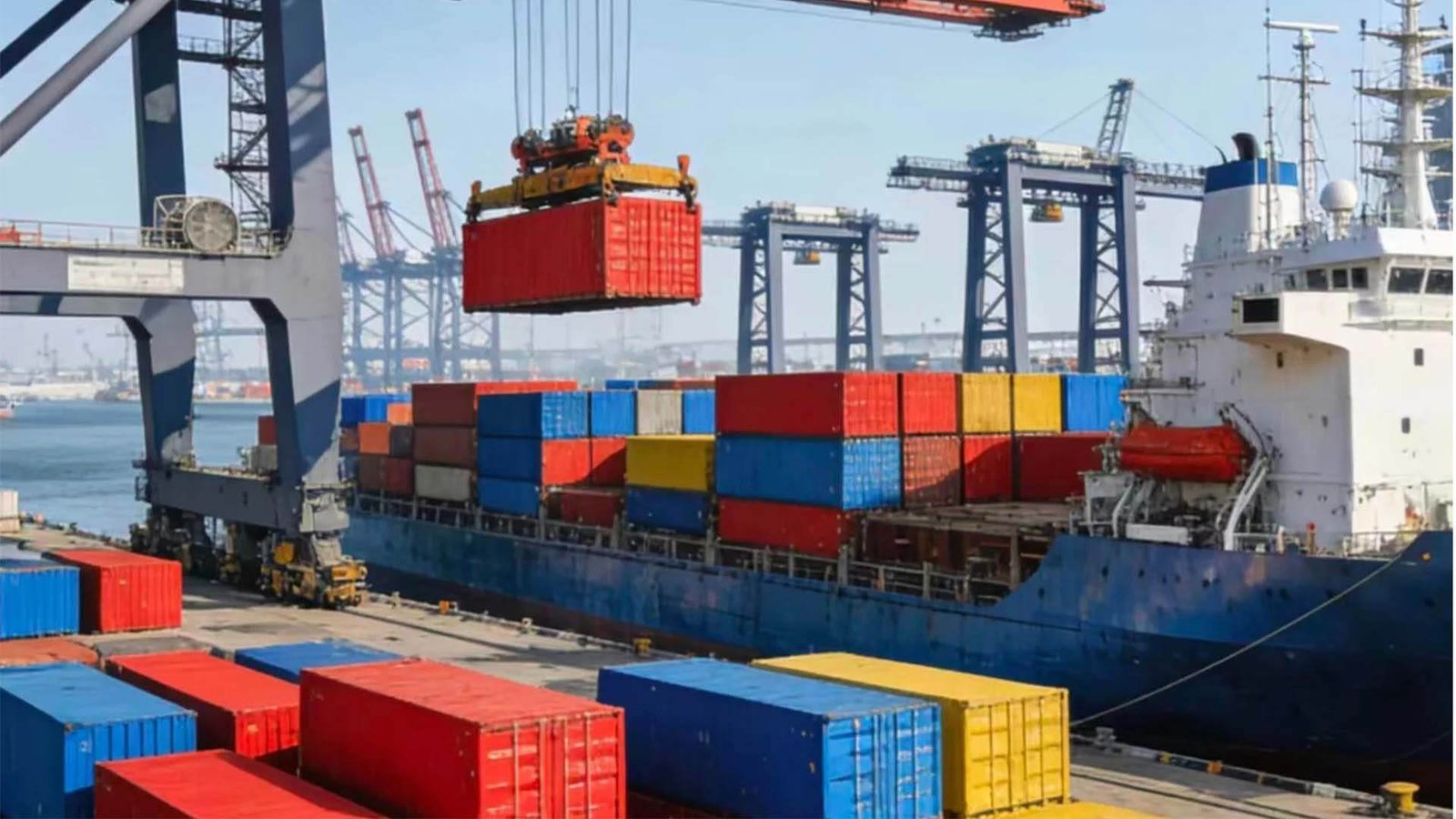
The integration of ocean freight, customs clearance, and inland delivery8 is vital to maintaining a smooth supply chain. The flow of goods typically follows this path:
Supplier → Freight Forwarder → Customs Broker → Port Release → Drayage → 3PL Warehouse
This integration allows for a streamlined process, reducing delays and improving overall logistics management. 3PLs work closely with freight forwarders and customs brokers to ensure all documentation is in order and that shipments are released timely from ports.
When Importers Should Use a 3PL Instead of Managing Logistics In-House
Importers often turn to 3PLs when shipment volume grows9, distribution complexity increases, or internal logistics capacity becomes limited.
| Scenario | Why Use 3PL |
|---|---|
| Rapid growth | Scalability |
| Multi-channel sales | Distribution flexibility |
| Limited warehouse space | Outsourced storage |
| High order volume | Operational efficiency |
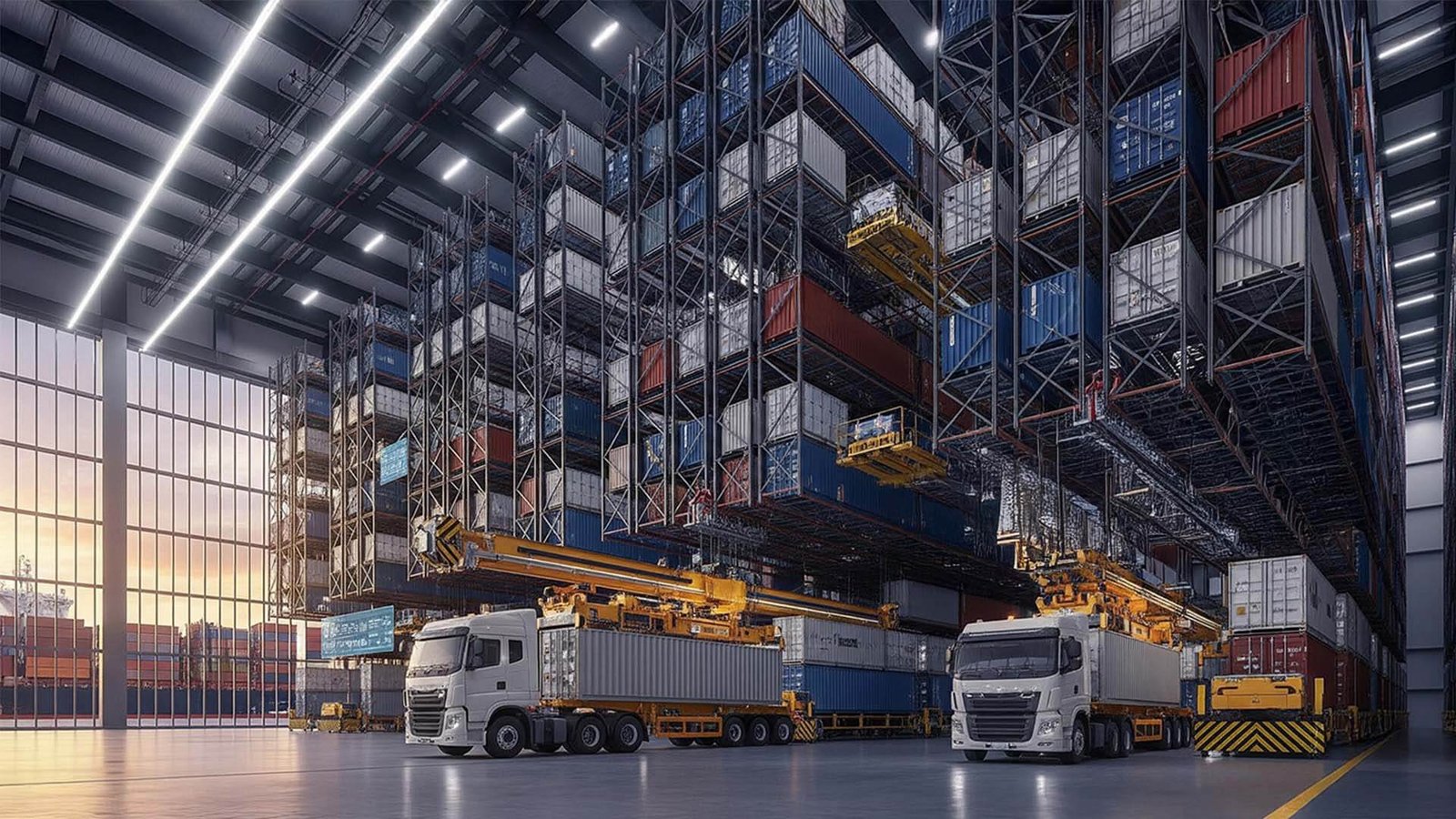
Knowing when to engage a 3PL is crucial. As businesses grow, the logistics needs usually become more complex. If a company is experiencing rapid growth or has limited warehouse space, outsourcing to a 3PL can provide the necessary scalability and operational efficiency needed to manage increased demand.
Cost, Visibility, and Risk Considerations When Selecting a 3PL Partner
Choosing a 3PL involves evaluating service fees, system integration, location, and risk management capabilities.
| Factor | Importance |
|---|---|
| Location | Faster delivery |
| System visibility | Real-time tracking |
| Cost structure | Budget control |
| Compliance support | Reduced risk |
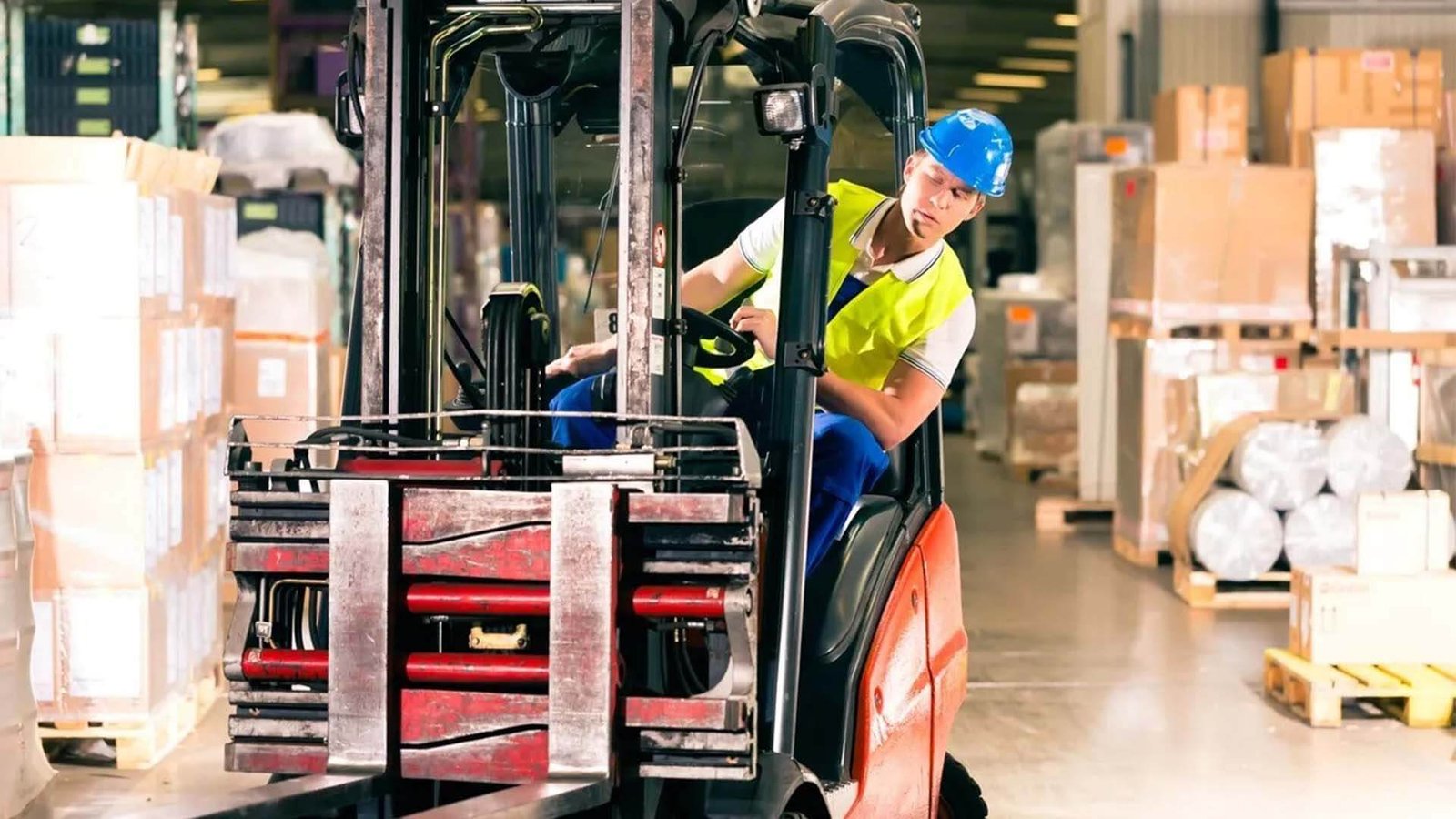
When selecting a 3PL partner, importers must consider several factors. The location of the 3PL can impact delivery times, while system visibility10 can lead to better tracking and management. Cost structures need to be evaluated against the services offered, and compliance support11 can help mitigate risks associated with international shipping.
How a 3PL Coordinates With Freight Forwarders and Customs Brokers to Manage End-to-End Cargo Flow
3PLs work with forwarders and brokers to align freight arrival, customs release, and warehouse receiving12 schedules.
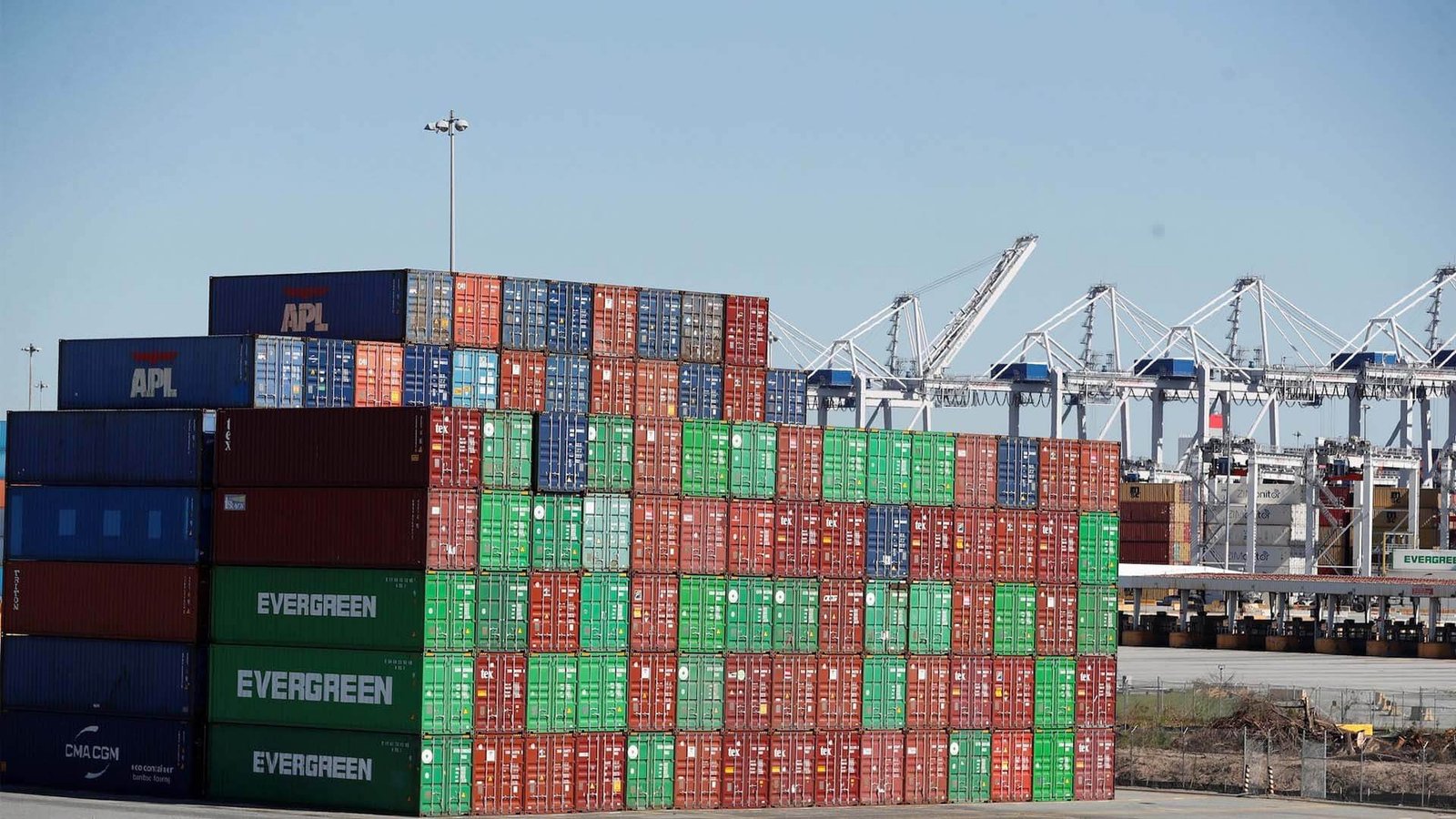
The coordination process generally follows this flow:
Supplier → Forwarder → Broker → 3PL → Delivery
This dynamic relationship allows for efficient shipment planning from booking through customs clearance, port pickup, warehouse receiving, and final delivery.
| Coordination Area | Importer Benefit |
|---|---|
| Scheduling | On-time receiving |
| Documentation | Fewer delays |
| Inventory integration | Stock accuracy |
| Delivery planning | Faster distribution |
Effective coordination between all parties is crucial for smooth logistics management. 3PLs facilitate this by ensuring that all schedules align and necessary documentation is completed, which minimizes delays and enhances supply chain visibility13.
Conclusion
Engaging a 3PL can significantly enhance an importer's logistics operations, providing integrated solutions14 that improve efficiency, reduce costs, and increase supply chain visibility13.
Understanding how 3PLs streamline the import supply chain can help businesses improve efficiency and reduce costs. ↩
Exploring outsourced logistics services can reveal how businesses can focus on core activities while experts handle logistics. ↩
Learning about this connection can help businesses manage cross-border logistics more effectively. ↩
Customs clearance can be complex; understanding 3PL support can simplify this process for importers. ↩
Knowing the specialized services offered by 3PLs can help businesses leverage these for better logistics management. ↩
Inventory tracking is vital for supply chain efficiency; discover how 3PLs help prevent stockouts. ↩
Efficient order fulfillment is crucial for customer satisfaction; learn how 3PLs manage this process. ↩
Integration of these elements is key to smooth logistics; learn how 3PLs manage this process. ↩
Understanding when to engage a 3PL can help businesses scale efficiently as shipment volumes increase. ↩
System visibility ensures real-time tracking and management, crucial for effective logistics operations. ↩
Compliance support is essential for international shipping; learn how 3PLs help mitigate risks. ↩
Alignment of these processes ensures timely and efficient logistics management. ↩
Increased supply chain visibility helps businesses manage logistics more effectively and respond to changes swiftly. ↩
Integrated solutions from 3PLs can significantly improve logistics efficiency and reduce costs. ↩