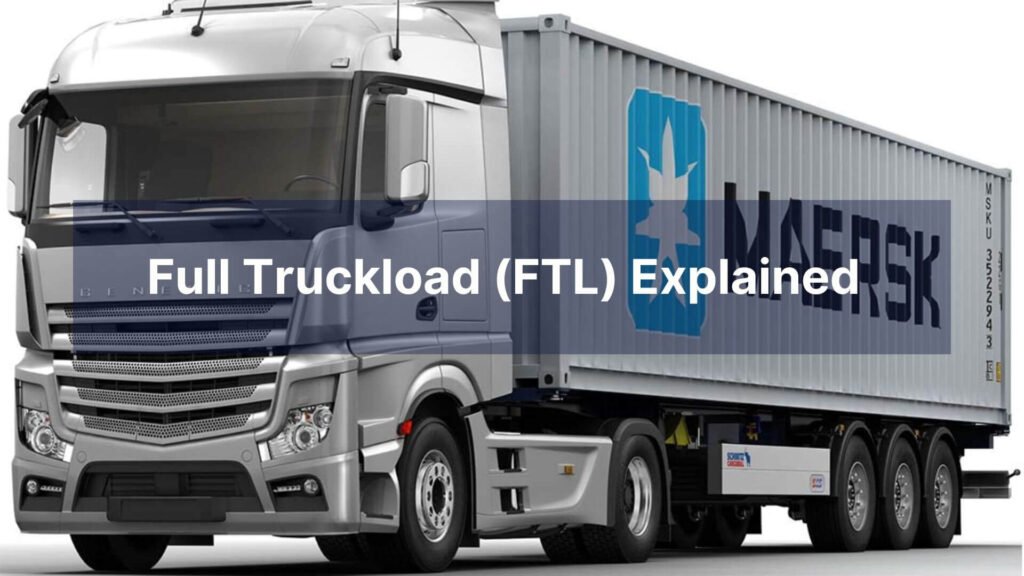
FTL shipping is a key aspect of logistics that can greatly benefit importers. Understanding how FTL works can help make your transportation process smoother and more efficient.
Full Truckload (FTL) shipping1 means one shipment occupies an entire truck trailer, giving the importer exclusive use of the vehicle2. Importers use FTL for large-volume cargo, high-value goods3, or time-sensitive deliveries4 after customs clearance, where speed, security, and direct routing5 are priorities.
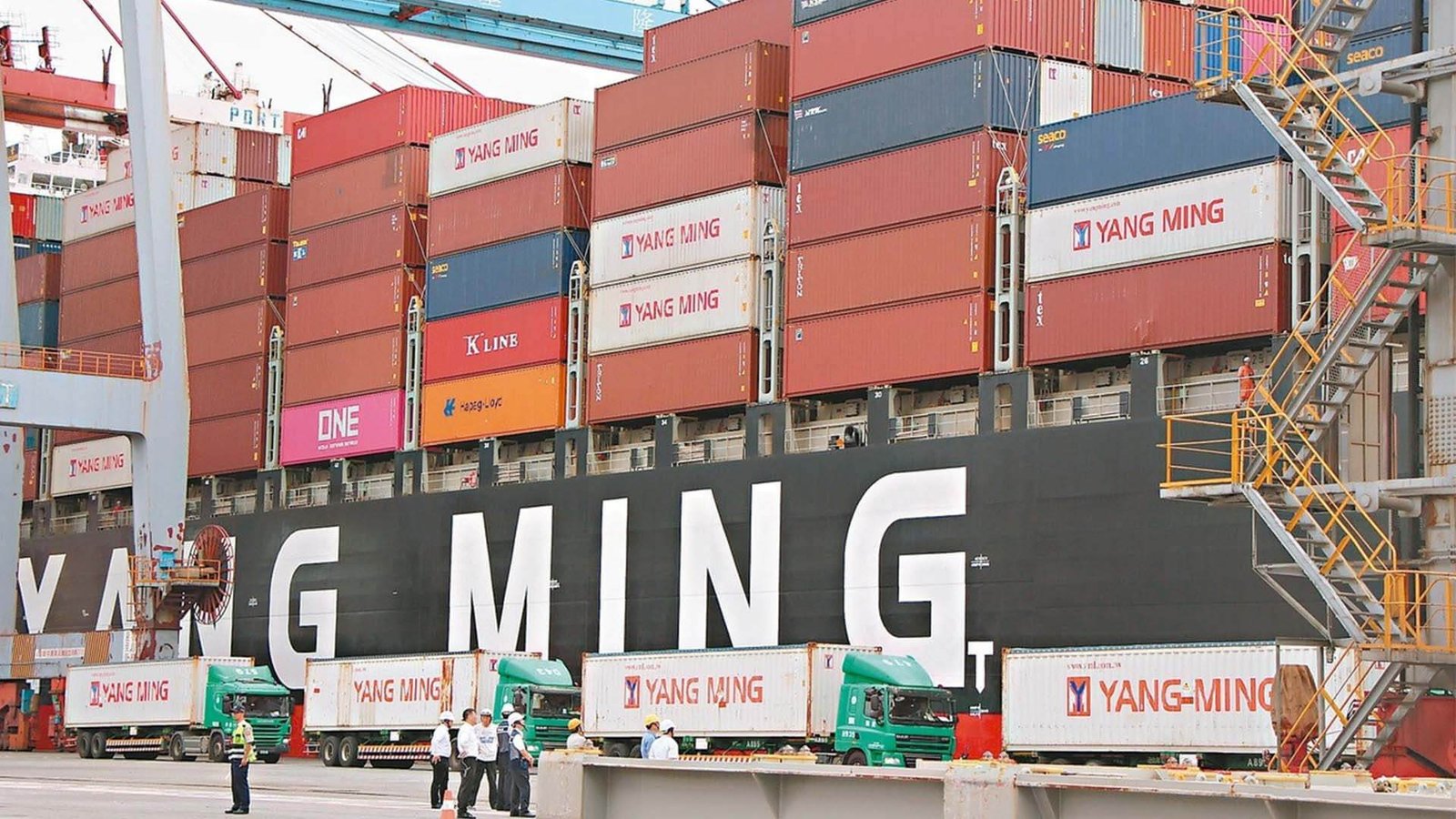
FTL shipments are ideal for businesses needing to transport sizable loads efficiently. When using FTL, importers avoid the complications of shared shipments, reducing the risk of damage and delays. This also ensures a more straightforward transit process, from the port to the final destination.
Flow: Port Arrival → Drayage6 Pickup → FTL Transfer → Distribution Center
What Full Truckload (FTL) Shipping Means and When Importers Use It for Inland Transportation?
Full Truckload (FTL) shipping1 is efficient for transporting large quantities of goods. Importers often opt for FTL when dealing with full loads, ensuring reduced handling risk7s and faster delivery times compared to other methods.
Importers may choose FTL for several reasons:
| Feature | Benefit to Importer |
|---|---|
| Exclusive truck use | Reduced handling risk |
| Direct routing | Faster delivery |
| Higher weight capacity | Suitable for dense cargo |
FTL shipments are particularly beneficial for businesses with high volume or heavy items. The exclusive use of an entire truck means less risk of damage and more predictable delivery schedules.
Flow: Port Arrival → Drayage6 Pickup → FTL Transfer → Distribution Center
FTL vs LTL vs Drayage6: How Trucking Modes Differ After Cargo Arrives at U.S. Ports
FTL, LTL, and drayage serve different roles in inland transport. Drayage6 moves containers short distances from ports, LTL consolidates smaller shipments, and FTL handles large direct deliveries with minimal handling.
Understanding the distinctions between these options is crucial for effective logistics management:
| Mode | Best For | Trade-Off |
|---|---|---|
| Drayage6 | Port-to-yard | Short haul only |
| LTL | Small loads | Multiple stops |
| FTL | Full loads | Higher per-load cost |
Importers must evaluate their needs carefully. FTL is optimal for large shipments needing direct delivery, while LTL may be more cost-effective for smaller loads.
How FTL Improves Transit Time, Cargo Security, and Delivery Reliability
FTL shipments move directly from origin to destination without transfers, reducing delays and cargo handling. This improves delivery predictability and lowers damage or loss risk.
The reliability of FTL can be illustrated through its advantages over other shipping methods:
| Factor | FTL Advantage |
|---|---|
| Transit time | Faster |
| Handling | Minimal |
| Security | Higher control |
Using FTL not only speeds up delivery but also enhances cargo security8. Fewer handling points mean there is less opportunity for damage or loss, making it a preferred option for valuable shipments.
How FTL Pricing Works Including Mileage, Equipment Type, and Fuel Surcharges
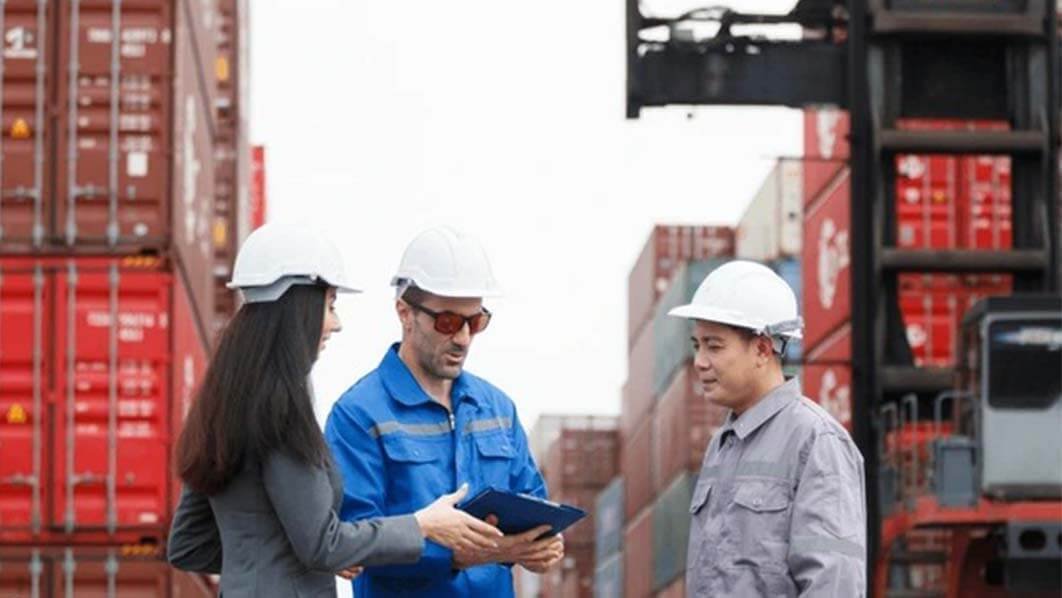
FTL pricing is based on distance, trailer type, fuel surcharges9, and seasonal demand. Specialized equipment like refrigerated or flatbed trailers may increase cost.
Understanding the pricing structure can help importers manage costs more effectively:
| Factor | Cost Impact |
|---|---|
| Mileage | Base rate |
| Equipment | Specialized fees |
| Fuel | Surcharge |
| Demand | Seasonal price changes |
Importers should be mindful of these factors when budgeting for FTL services. Planning for fuel surcharges9 and potential seasonal demand shifts can lead to better financial outcomes.
When FTL Becomes More Cost-Effective Than LTL Based on Volume, Weight, and Urgency
FTL often becomes more cost-effective when shipment volume approaches trailer capacity, when goods are heavy, or when delivery speed reduces business risk.
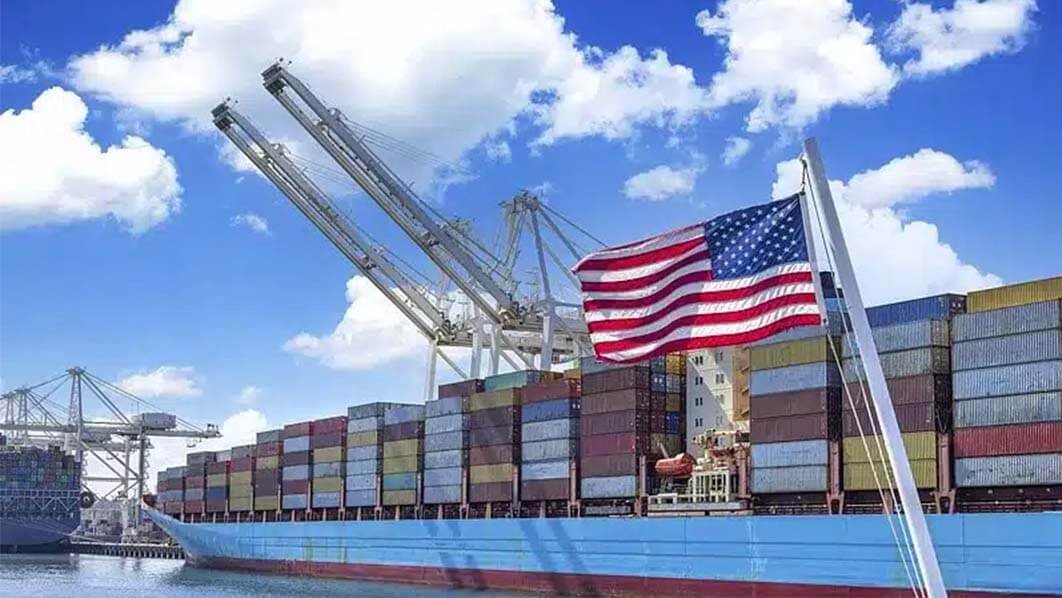
The decision between FTL and LTL can be guided by the following conditions:
| Condition | Preferred Mode |
|---|---|
| Large volume | FTL |
| Small shipments | LTL |
| Urgent delivery | FTL |
For importers, weighing the volume and urgency of shipments against potential costs is vital. When in doubt, opting for FTL can often provide better service and reliability.
How Freight Forwarders10 Coordinate FTL With Port Pickup, Customs Release, and Final Delivery
Forwarders align drayage schedules, customs clearance, and FTL trucking to ensure cargo moves seamlessly from port to warehouse without storage delays or detention charges.
The coordination flow is straightforward:
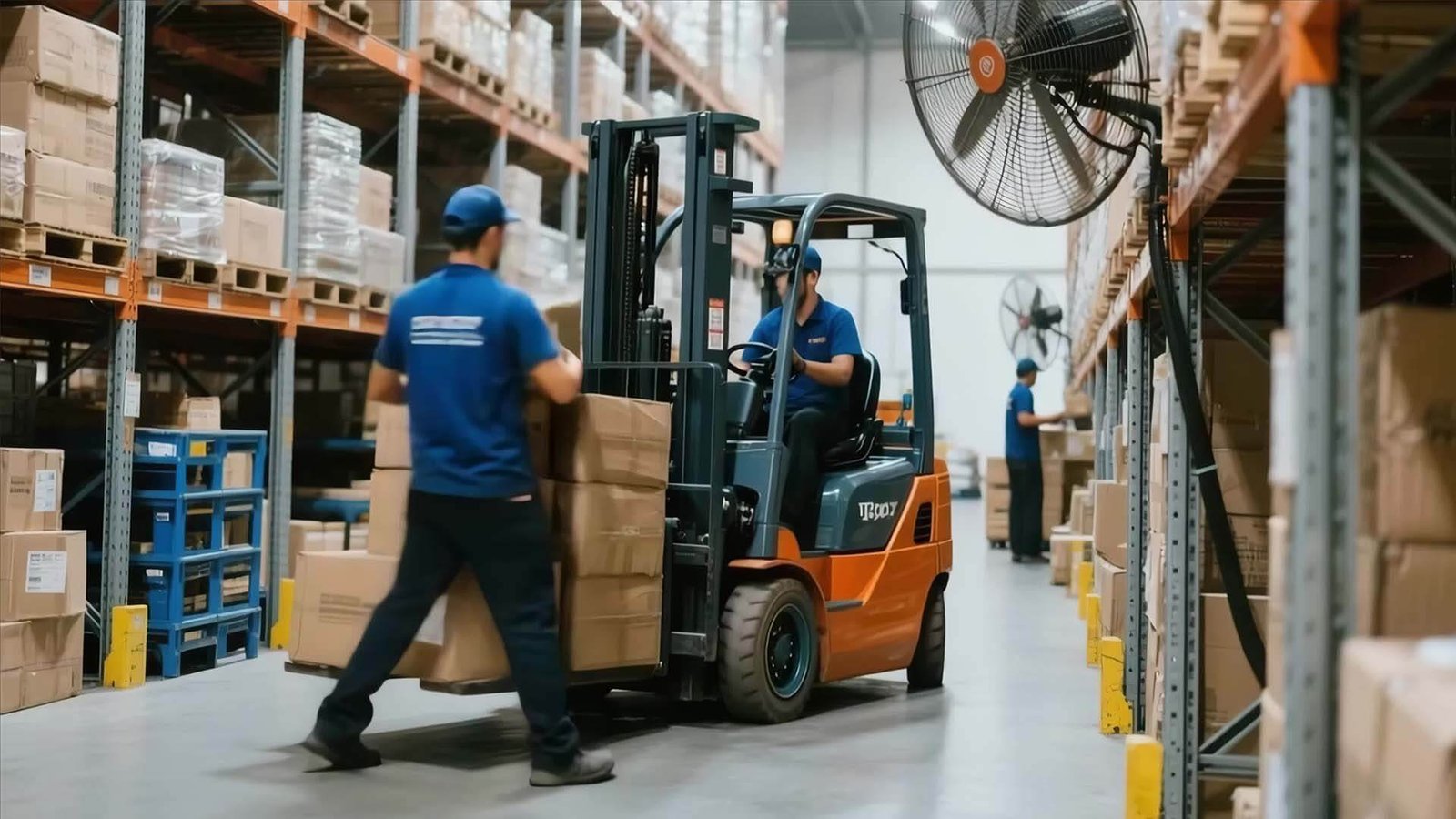
Container Arrival → Customs Release → Drayage6 Pickup → FTL Transfer → Warehouse Delivery
A freight forwarder's role is critical in ensuring that all pieces of the logistics puzzle fit together efficiently. They help eliminate unnecessary delays and reduce costs through effective coordination.
| Coordination Area | Importer Benefit |
|---|---|
| Scheduling | Avoids delays |
| Documentation | Faster release |
| Carrier selection | Reliable service |
| Cost control | Optimized trucking rates |
In conclusion, FTL shipping is a vital service for importers managing large shipments. It streamlines inland transportation, improves delivery reliability, and enhances cargo security8. Partnering with a professional freight forwarder can optimize your logistics process and reduce costs significantly.
Understanding FTL shipping can help you optimize logistics for large shipments, ensuring efficiency and security. ↩
Learn how having exclusive use of a truck in FTL shipping reduces handling risks and ensures faster delivery. ↩
Discover how FTL shipping provides enhanced security for transporting high-value goods. ↩
Explore how FTL shipping ensures timely delivery for urgent shipments, minimizing delays. ↩
Find out how direct routing in FTL shipping speeds up delivery and reduces handling. ↩
Gain insights into the role of drayage in moving containers from ports to distribution centers. ↩
Learn about the advantages of reduced handling in FTL shipping, minimizing damage to goods. ↩
Explore the security benefits of FTL shipping, reducing the risk of damage or loss. ↩
Learn how fuel surcharges impact the cost of FTL shipping and how to budget for them. ↩
Discover the role of freight forwarders in ensuring seamless FTL shipping from port to warehouse. ↩