U.S. import duties can significantly impact your bottom line. Understanding how to reduce these duties legally can save your business money while staying compliant with regulations.
U.S. import duties are determined by the HTS classification1, declared customs value, and country of origin. Errors in classification or valuation can lead to overpayment or penalties, making accuracy the foundation of any duty reduction strategy.
The importance of accurate classification and valuation cannot be overstated. When importers misclassify their goods or misstate their value, they risk overpaying duties or facing penalties from Customs and Border Protection (CBP). Understanding the duty determination process is crucial for any importer aiming to minimize costs legally.
Duty Determination Table
| Factor | Role in Duty Calculation |
|---|---|
| HTS Code | Determines duty rate |
| Customs Value2 | Basis for calculation |
| Country of Origin3 | Affects trade program eligibility |
The flow of duty determination is simple: Product → Classification → Valuation → Duty Rate Applied → Final Duty. Ensuring each step is correctly executed is the key to reducing customs duties effectively.
Free Trade Agreements (FTAs)4 and Origin Planning as Legal Ways to Reduce Duty Rates?
FTAs allow reduced or zero duties for qualifying goods, but importers must prove origin through documentation and supplier certifications. Strategic sourcing and origin planning help maximize eligibility.
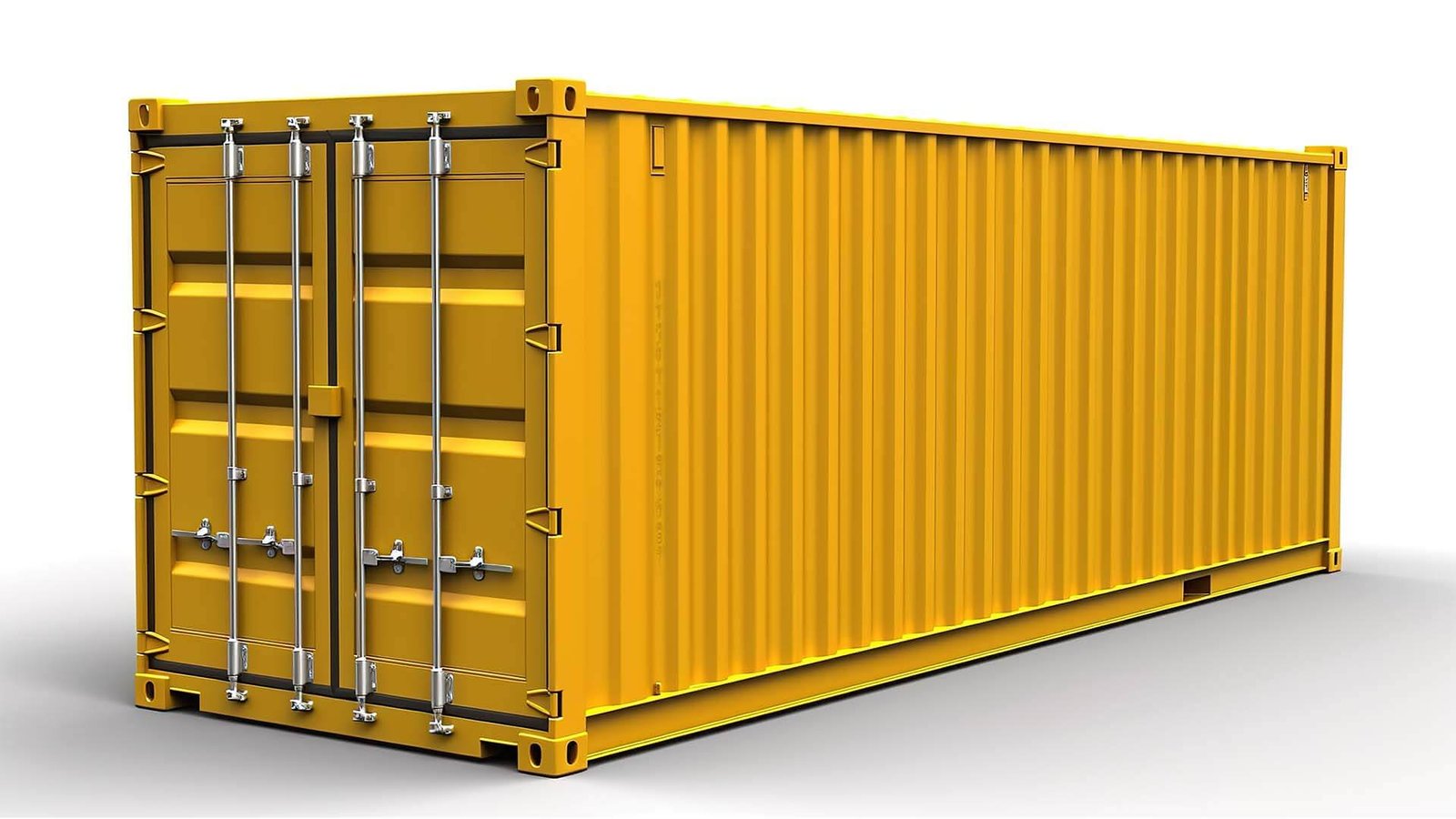
Free Trade Agreements, such as the United States-Mexico-Canada Agreement (USMCA)5, provide opportunities for duty savings. However, the benefits are only available to eligible goods. Importers must carry out proper documentation and maintain strong relationships with suppliers to leverage these agreements.
FTA Table
| Program | Benefit |
|---|---|
| USMCA | Reduced or zero duty |
| Other FTAs | Preferential rates |
The flow for maximizing duty savings through FTAs involves Supplier Sourcing → Origin Analysis → Certification → Entry Filing → Reduced Duty. A thorough understanding of each requirement is essential to take full advantage of the benefits offered by FTAs.
Duty Drawback Programs That Allow Importers to Recover Duties on Re-Exported Goods?
Duty drawback programs6 allow importers to reclaim duties paid on goods that are later exported or destroyed. This reduces net duty cost for businesses involved in re-export or manufacturing operations.
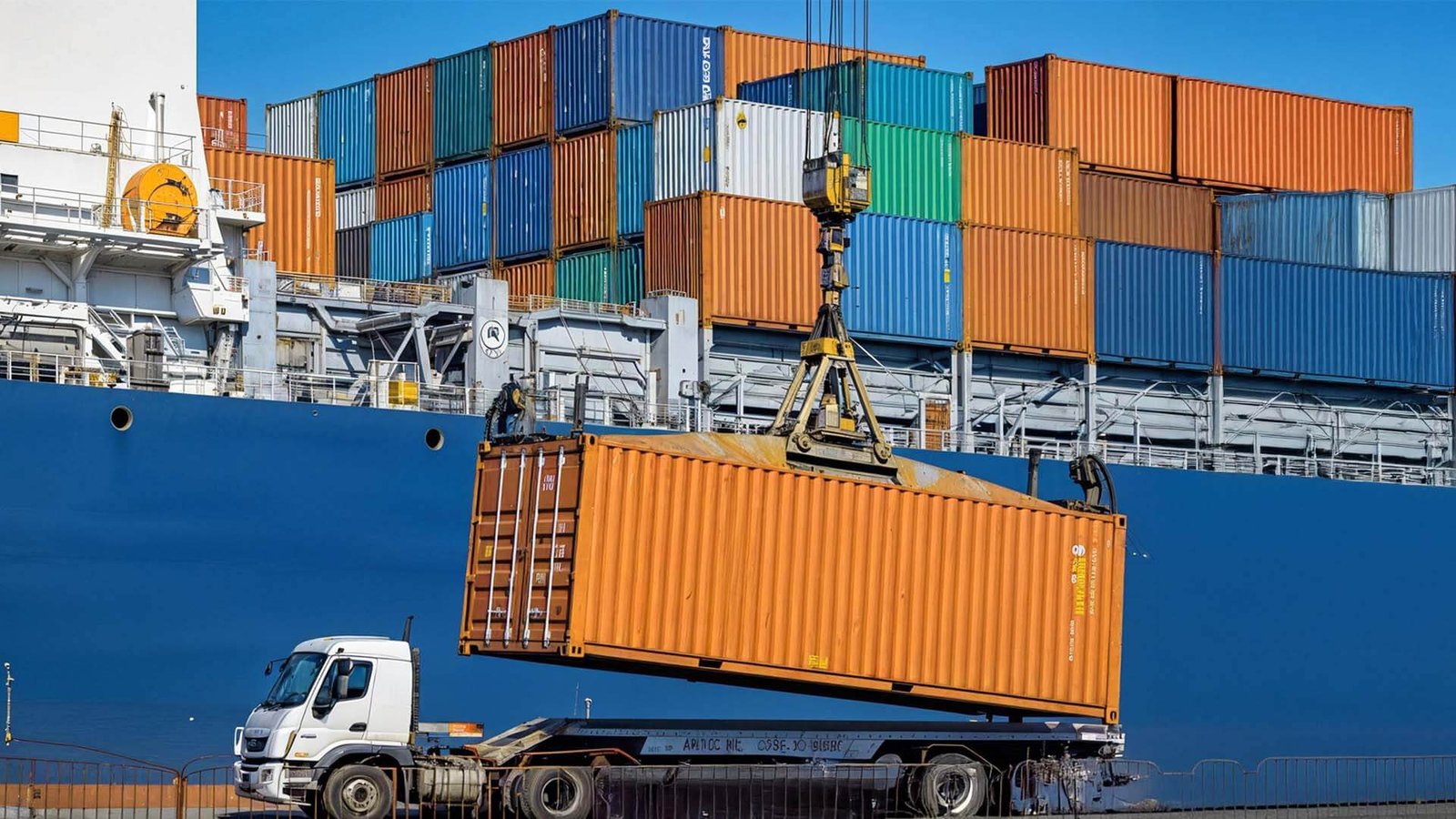
Duty drawback programs6 are often underutilized due to a lack of understanding. These programs offer a way for importers to recover up to 99% of duties paid on goods that are re-exported or destroyed. Understanding the eligibility criteria can help businesses significantly reduce their net duty costs.
Drawback Table
| Scenario | Eligibility |
|---|---|
| Re-exported goods | Refund possible |
| Manufacturing drawback | Component-based claims |
By carefully considering the types of goods involved, importers can structure their processes to take advantage of drawback programs.
Tariff Engineering and Product Structuring Within Legal Compliance Boundaries?
Tariff engineering7 involves designing products to fit legal classification criteria with lower duty rates. This must be done transparently and within CBP rules.

Tariff engineering7 is a strategy that allows importers to structure their products to qualify for lower duties. This process must be carefully navigated to ensure compliance with CBP regulations. Any misrepresentation can lead to significant penalties.
Engineering Consideration Table
| Aspect | Impact |
|---|---|
| Product composition | Classification outcome |
| Assembly stage | Tariff heading |
| Functionality | Duty category |
Tariff engineering7 requires a clear understanding of product specifications and regulatory requirements to ensure compliance while optimizing costs.
Using Trade Programs, Exclusions, and Special Tariff Provisions to Lower Duty Exposure?
Special tariff provisions, temporary exclusions, and trade preference programs offer legal duty reductions. Importers must monitor eligibility and documentation requirements.
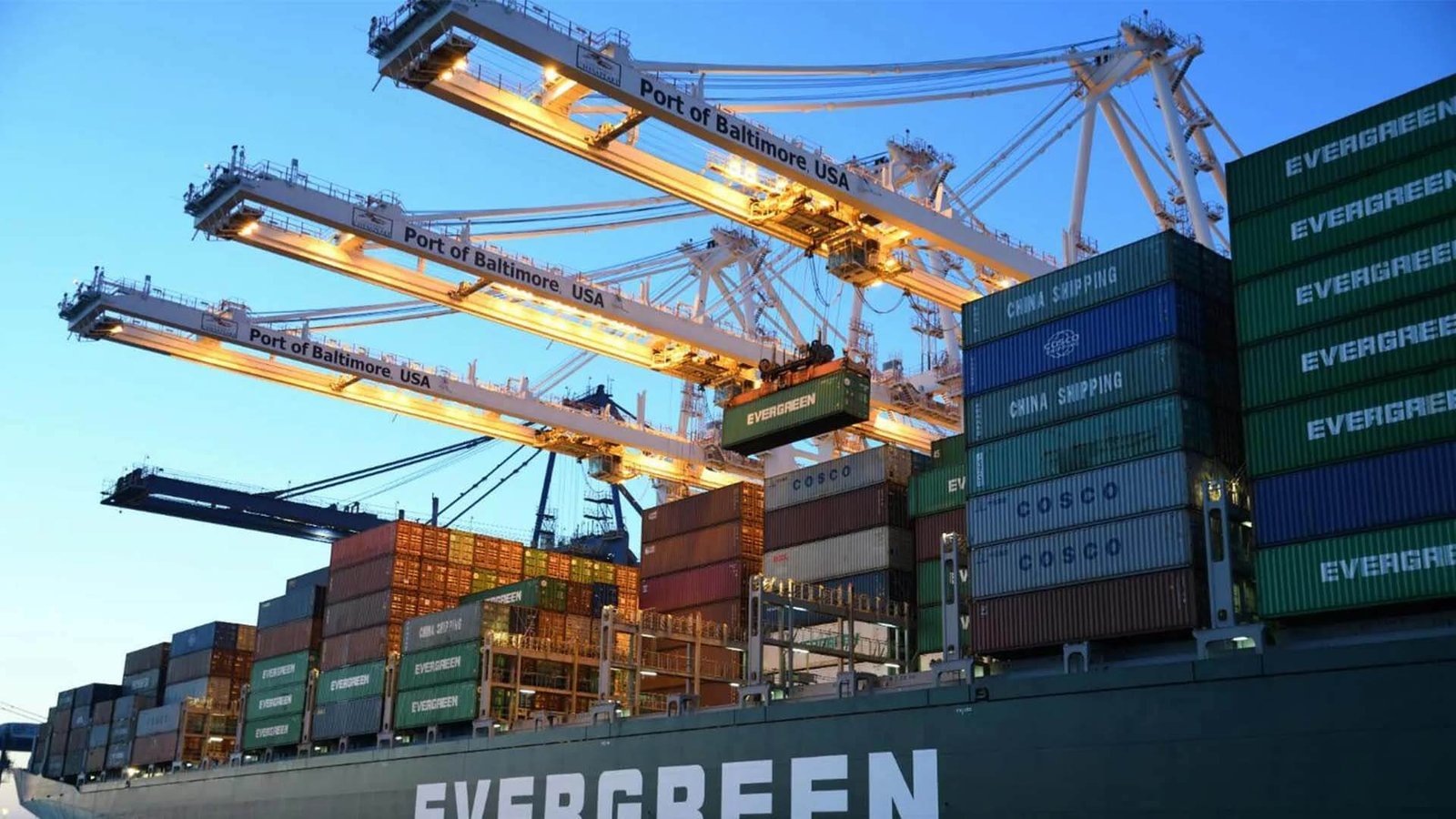
Legal avenues such as trade programs and special tariff provisions can provide significant savings. Importers must stay informed about their eligibility and maintain accurate documentation to benefit from these programs effectively.
Program Table
| Program | Purpose |
|---|---|
| Temporary exclusions | Section 301 relief |
| Special tariff provisions | Reduced rates |
By actively managing their imports, businesses can take advantage of these programs to lower their duty exposure legally.
How Customs Brokers and Trade Experts Help Importers Reduce Duties While Maintaining Full Compliance?
Trade experts review classifications, identify program eligibility, and ensure documentation accuracy to reduce duties legally while protecting importers from audit risk.
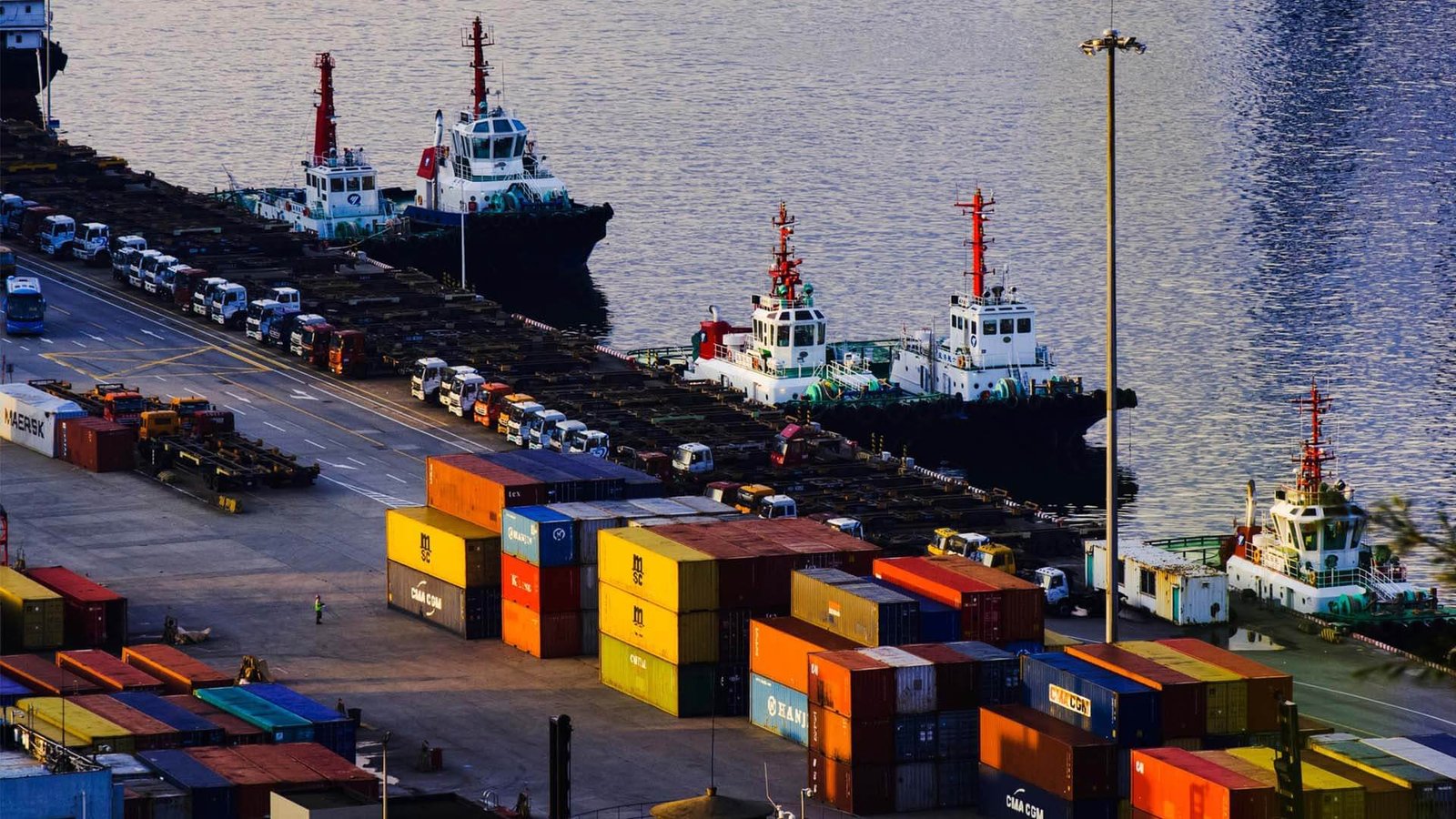
Customs brokers8 and trade professionals play a critical role in helping importers navigate the complexities of customs duties. They ensure compliance while optimizing duty savings. Their expertise can be invaluable in today’s fast-paced trade environment.
Importer → Broker → CBP Duty Planning Flow
Product Analysis → Strategy Selection → Documentation Prep → Entry Filing → Duty Optimization9
Support Table
| Service | Benefit |
|---|---|
| Classification review10 | Correct duty |
| FTA verification11 | Reduced rates |
| Drawback support12 | Duty recovery |
| Compliance oversight13 | Risk protection |
Incorporating a customs broker into your logistics strategy provides an added layer of expertise, ensuring that your business remains compliant while exploring all available avenues to reduce customs duties.
In conclusion, understanding and implementing these legal strategies for reducing customs duties can significantly enhance your business's financial health while ensuring compliance with all regulations.
Understanding HTS classification is crucial for determining the correct duty rate, which can help avoid overpayment and penalties. ↩
Knowing how Customs Value is calculated ensures accurate duty payments and prevents costly errors in valuation. ↩
Country of Origin can influence eligibility for trade programs, impacting duty rates and potential savings. ↩
FTAs offer reduced or zero duties for qualifying goods, providing significant savings opportunities for importers. ↩
The USMCA offers reduced or zero duty rates for eligible goods, making it a valuable agreement for importers. ↩
Duty drawback programs allow importers to reclaim duties on goods that are exported, reducing net duty costs. ↩
Tariff engineering involves designing products to fit lower duty classifications, optimizing costs legally. ↩
Customs brokers provide expertise in classification and compliance, optimizing duty savings for importers. ↩
Duty optimization involves strategic planning to minimize duty costs while maintaining compliance. ↩
Accurate classification review ensures correct duty rates, preventing overpayment and compliance issues. ↩
FTA verification ensures eligibility for reduced rates, maximizing savings through trade agreements. ↩
Drawback support helps importers reclaim duties on exported goods, reducing overall duty costs. ↩
Compliance oversight protects importers from audit risks while ensuring legal duty reductions. ↩