The recent increase of Section 301 List 3 tariffs1 from 10% to 25% affects many U.S. importers. This change imposes additional costs, creating challenges for managing landed cost2s and compliance.
Section 301 List 3 tariffs1 apply to a wide range of goods imported from China. The duty rate increased from 10% to 25% as part of U.S. trade enforcement measures3, significantly raising import costs for affected products.
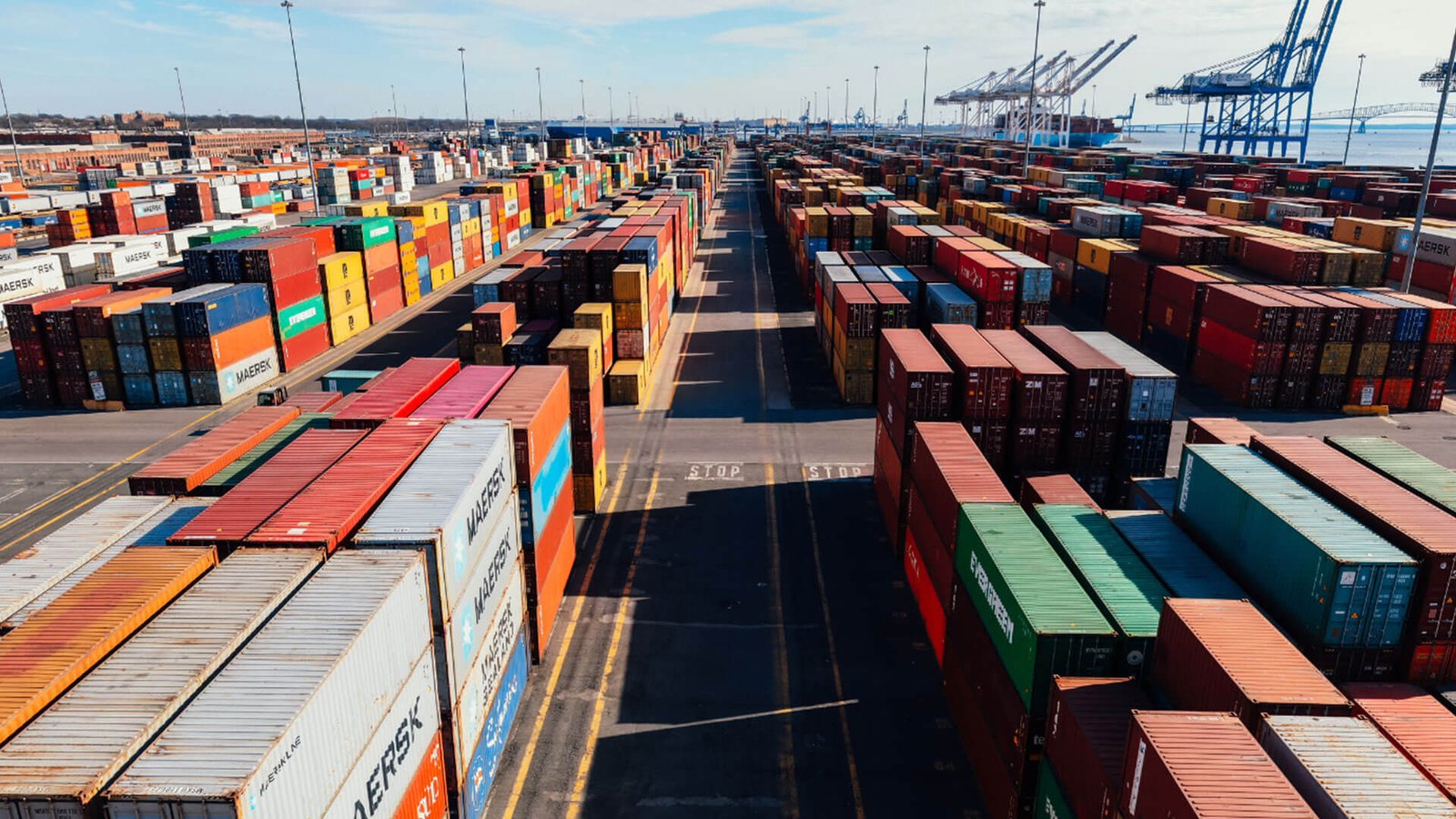
The increase in tariffs has created anxiety among importers. It is crucial to understand the implications of these changes to navigate the challenges ahead.
What Section 301 List 3 Tariffs Cover and Why the Rate Increased from 10% to 25%?
Section 301 List 3 covers numerous manufactured goods imported from China4, reflecting U.S. trade policy changes aimed at addressing unfair practices. The shift to a 25% duty heightens financial pressure on importers.
| Aspect | Description |
|---|---|
| Scope | Broad range of manufactured goods |
| Country | China-origin goods |
| Rate | Increased to 25% |
The Section 301 List 3 tariffs1 encompass a wide array of products that fall under the category of manufactured goods. These tariffs are part of a broader strategy by the U.S. government to combat unfair trade practices by China. The rate increase from 10% to 25% signifies an escalation in trade enforcement efforts.

As importers, we must remain aware of these changes and understand the products affected. This awareness will help us mitigate costs and adjust our strategies accordingly.
How the 25% Section 301 Duty Is Applied on Top of Regular HTS Tariffs
The 25% Section 301 duty is an additional tariff layered on top of normal HTS duties, increasing total duty liability significantly.
| Customs Value | Base Duty (5%) | Section 301 (25%) | Total Duty |
|---|---|---|---|
| $10,000 | $500 | $2,500 | $3,000 |
Flow: Classification → Base Duty → Section 301 Added → Total Tariff
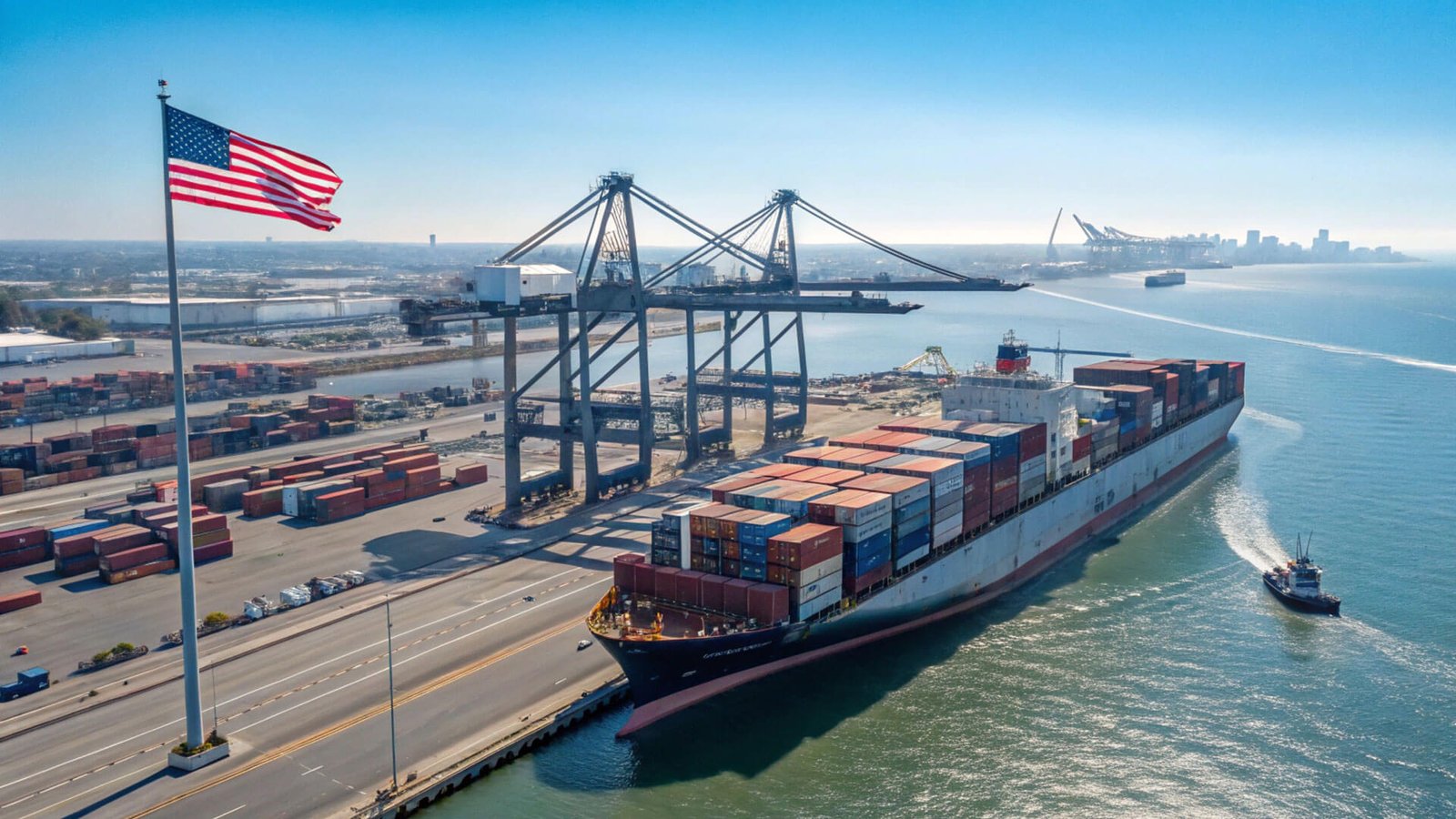
When we import goods, we apply normal Harmonized Tariff Schedule (HTS) duties5 first. The Section 301 duty is subsequently added, amplifying the total duty we owe. For example, on a customs value of $10,000, the total duty after applying the 25% Section 301 duty can be significant, leading to higher overall costs.
Understanding this structure helps us plan for the financial implications effectively.
Which Types of Products Commonly Fall Under List 3 and How to Verify Coverage
List 3 covers numerous consumer goods, components, and industrial items. Importers verify coverage by checking HTS classification against USTR and CBP lists6.
Verification Flow: Product → HTS Code → Cross-Check List 3 → Confirm Applicability
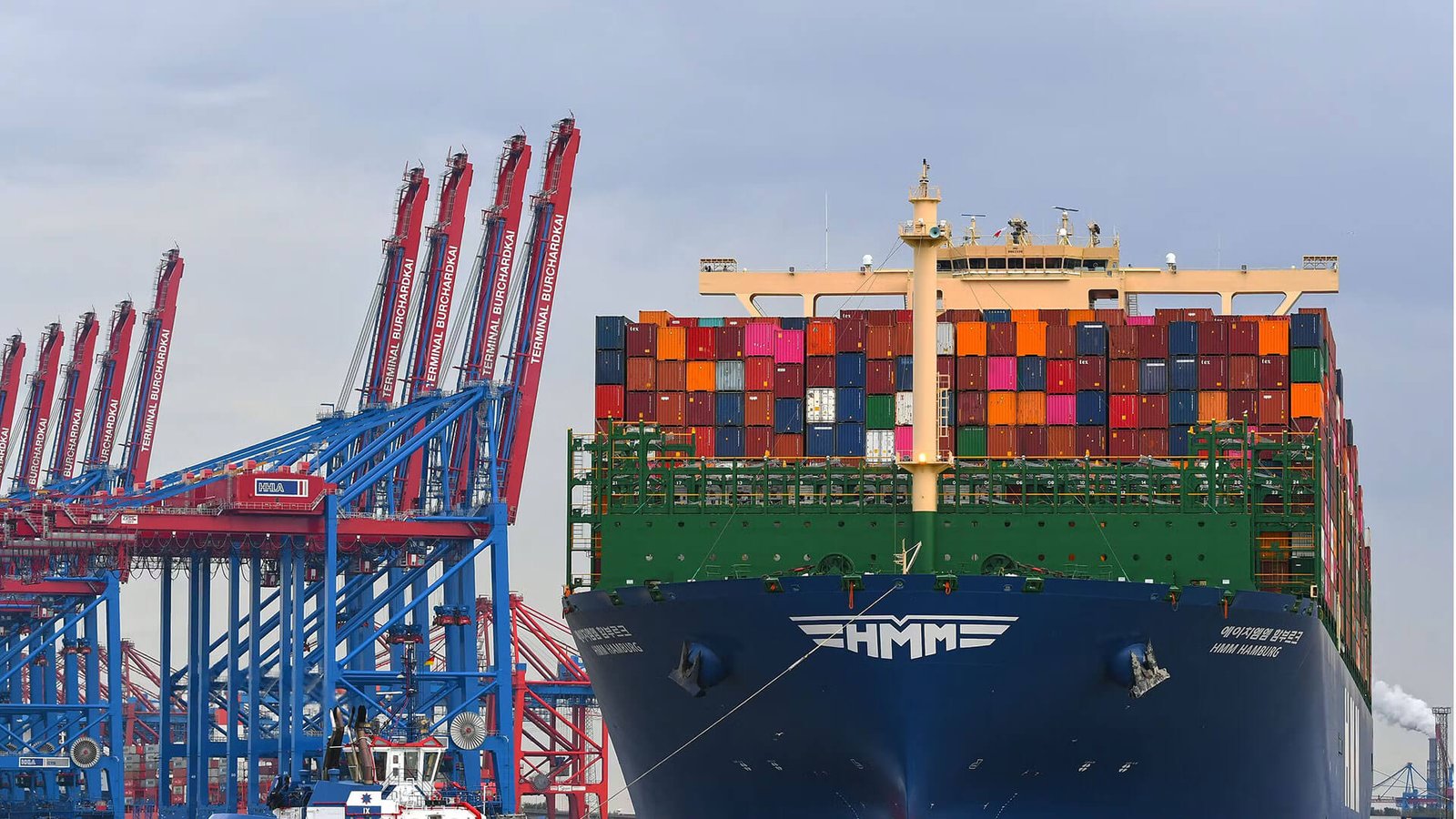
Examples of products under List 3 include electronics, furniture, and various consumer goods. To determine if a product is covered, we need to verify its HTS code. Cross-referencing this code with USTR and CBP lists6 allows us to confirm whether the additional tariff applies.
Being diligent in verifying coverage can prevent unexpected costs and enhance our compliance efforts.
How the Tariff Increase Impacts Landed Cost, Cash Flow, and Pricing Strategy
The duty increase raises landed cost2 and cash outlay at entry, affecting margins and pricing strategies7 for importers.
| Area | Effect |
|---|---|
| Landed cost | Significant increase |
| Cash flow | Higher upfront duties |
| Pricing | Potential cost pass-through |
The increase in tariffs directly impacts landed cost2s. This, in turn, affects cash flow8 as importers must now pay higher duties upfront. An increase in landed cost2 may lead to an evaluation of pricing strategies7, where passing costs onto consumers becomes a consideration.
It is crucial to analyze these factors closely to maintain competitive pricing while managing expenses effectively.
Options Importers Use to Manage List 3 Tariff Exposure Including Exclusions, FTAs, and Sourcing Shifts
Importers manage exposure through product exclusions9, alternative sourcing10, and trade program use to mitigate costs associated with the increased tariffs.
| Strategy | Purpose |
|---|---|
| Exclusions | Temporary relief from tariffs |
| Sourcing shifts | Avoiding products from China |
| Classification review | Ensuring accurate duty classification |
Importers can explore various strategies to manage List 3 tariff exposure. Seeking exclusions may provide temporary relief. Additionally, considering alternative sourcing10 options can help avoid the burdensome tariffs associated with Chinese-origin goods. Reviewing product classifications is essential to ensure accurate duty assessments and compliance with regulations.

Employing these strategies will support effective tariff management.
How Customs Brokers Help Importers Ensure Correct Reporting and Avoid Section 301 Penalty Risks
Brokers ensure accurate HTS reporting, correct duty application, and compliance with evolving trade rules, minimizing risks for importers.
Flow: Product Review → Classification → Entry Filing → Duty Assessment → Compliance Monitoring
| Service | Benefit |
|---|---|
| Classification check | Ensures accurate duty assessments |
| Regulatory updates | Keeps importers informed of changes |
| Entry review | Protects against compliance risks |
Customs brokers play an essential role in the import process. They help with accurate HTS classification and ensure the correct duties are applied. With the complexities and frequent changes to trade regulations, their expertise helps mitigate risks associated with non-compliance.

Partnering with a knowledgeable customs broker is vital for managing the intricacies of Section 301 tariffs effectively.
Conclusion
The increase in Section 301 List 3 tariffs1 to 25% presents substantial challenges for U.S. importers. By understanding the implications, we can better manage compliance and costs.
Understanding these tariffs is crucial for importers to navigate increased costs and compliance challenges effectively. ↩
Analyzing landed cost impacts helps importers manage pricing strategies and maintain profitability. ↩
Exploring these measures helps importers understand the broader context of tariff increases and their implications. ↩
Knowing which goods are affected aids importers in planning and adjusting their sourcing strategies. ↩
Understanding HTS duties is essential for calculating total import costs and ensuring compliance. ↩
Verifying product coverage helps importers avoid unexpected costs and ensures compliance with tariff regulations. ↩
Adjusting pricing strategies is crucial for maintaining competitiveness and managing increased costs. ↩
Understanding cash flow implications is vital for financial planning and maintaining business operations. ↩
Exploring product exclusions offers potential relief from tariffs, aiding in cost management. ↩
Considering alternative sourcing can reduce dependency on affected goods and mitigate tariff impacts. ↩