Building strong customer relationships1 is key to a successful logistics operation. When you understand your customers’ needs and challenges, you can provide better support.
Strong logistics relationships start with understanding the importer’s supply chain pressures2 — including lead times, inventory risks, compliance exposure, and cost targets. Providers who understand these factors can design freight and customs strategies that prevent disruptions instead of simply reacting to them.
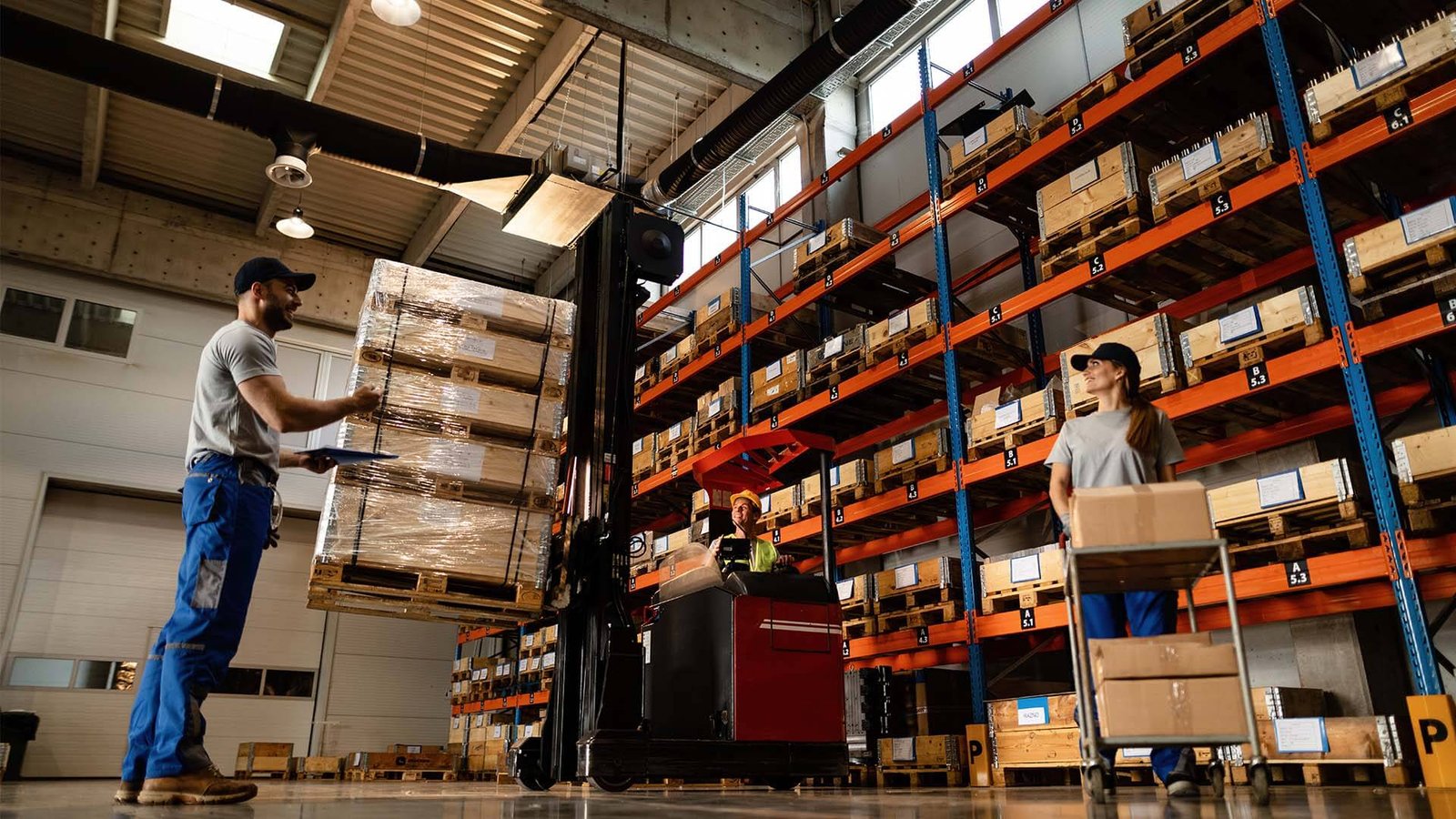
To build a strong relationship, it's important to be aware of the customer's supply chain pressures2. This means understanding various aspects that affect their logistics operations.
Seasonal demand can fluctuate, impacting inventory levels and lead times. For example, during peak seasons, importers may face tighter schedules and higher costs. Port congestion can exacerbate these issues, causing delays and increasing shipping expenses. Regulatory risk exposure also poses a threat, as compliance requirements change frequently, potentially leading to costly penalties. Moreover, cash flow can be tied to cargo delays, affecting the importer’s operational stability.
Communicate Proactively About Delays, Compliance Risks, and Cost Changes?
Importers value proactive communication3 more than reactive updates. Early warnings about port congestion4, customs exams5, regulatory changes, or rate increases allow businesses to adjust inventory, budgets, and timelines before disruptions escalate into costly problems.
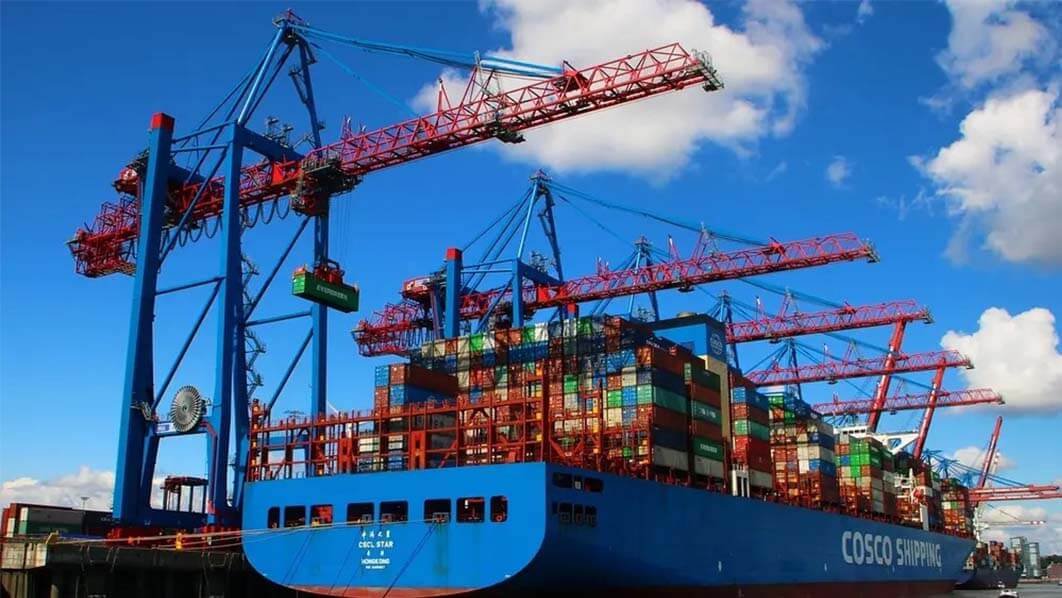
Proactive communication is essential for building trust. When importers are informed early about potential issues, they can take measures to mitigate risks.
For instance, tariff changes can affect cost structures, and timely updates allow importers to adjust their pricing strategies. Exam notices from customs can lead to delays; notifying customers in advance enables them to prepare documentation or seek alternative solutions. Carrier blank sailings can disrupt schedules, and early alerts help importers secure alternative shipping options. Issues like FDA or EPA holds can create compliance challenges, making proactive communication3 crucial to avoid missed deadlines.
Provide Clear Visibility Across Shipping, Customs, and Final Delivery?
End-to-end visibility across freight movement, customs status, and delivery milestones builds trust and operational stability. Importers need to know where cargo is, what stage customs clearance is in, and whether any risks could impact arrival.
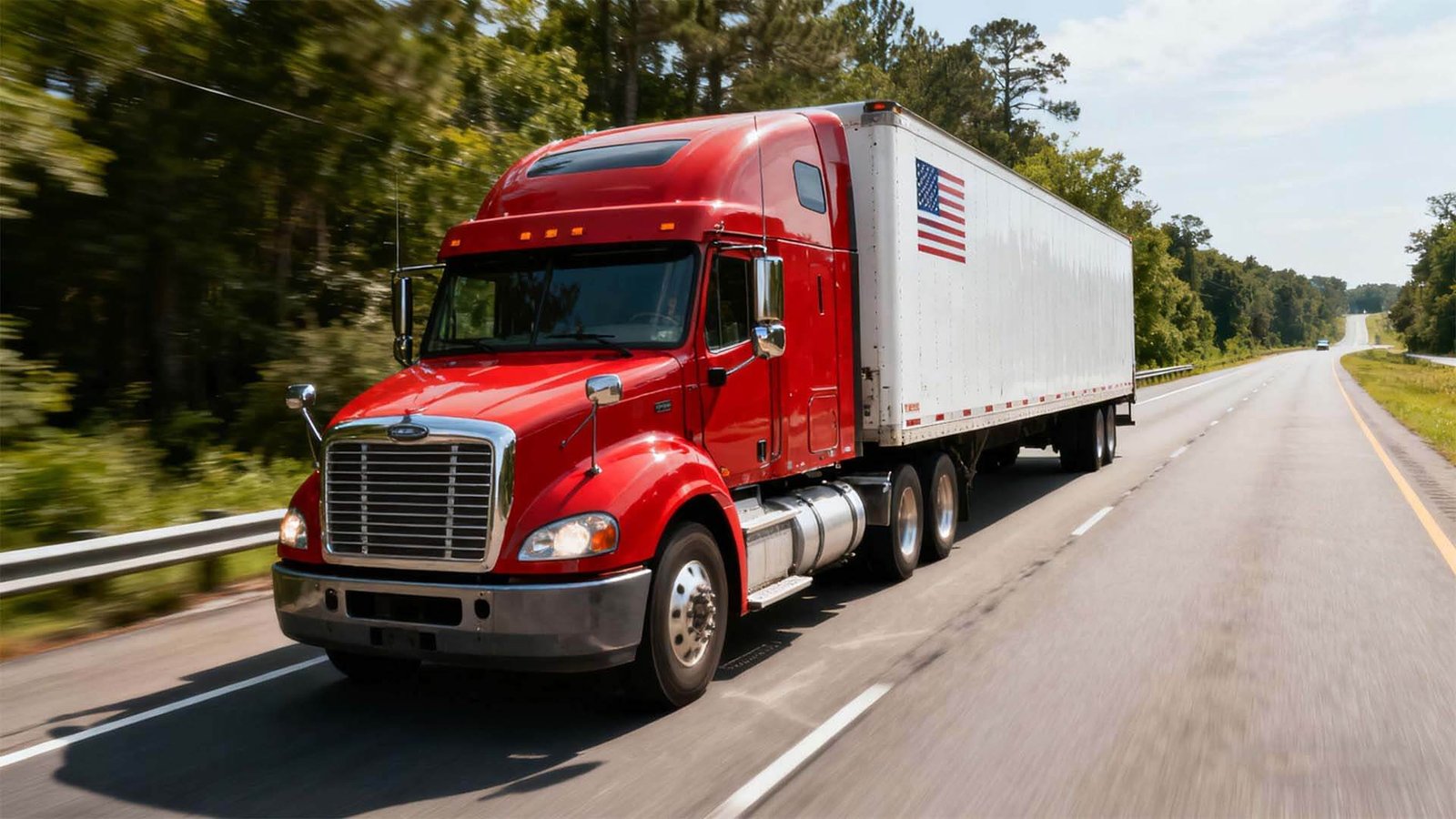
Visibility is a critical aspect of logistics management. It allows importers to stay informed and make decisions based on real-time data.
Milestone tracking provides updates on shipping progress. Customs entry status informs importers about clearance stages, enabling them to anticipate issues. Exam notifications alert customers to any customs examinations that may impact their shipments. Proof of Delivery (POD) confirmation is essential for ensuring that customers know when their goods arrive.
Solve Problems Fast When Customs, Exams, or Port Issues Occur?
When shipments face customs exams5, documentation issues, or port delays, fast resolution defines relationship strength. Experienced logistics partners coordinate with CBP, terminals, carriers, and truckers to minimize storage charges and keep supply chains moving.
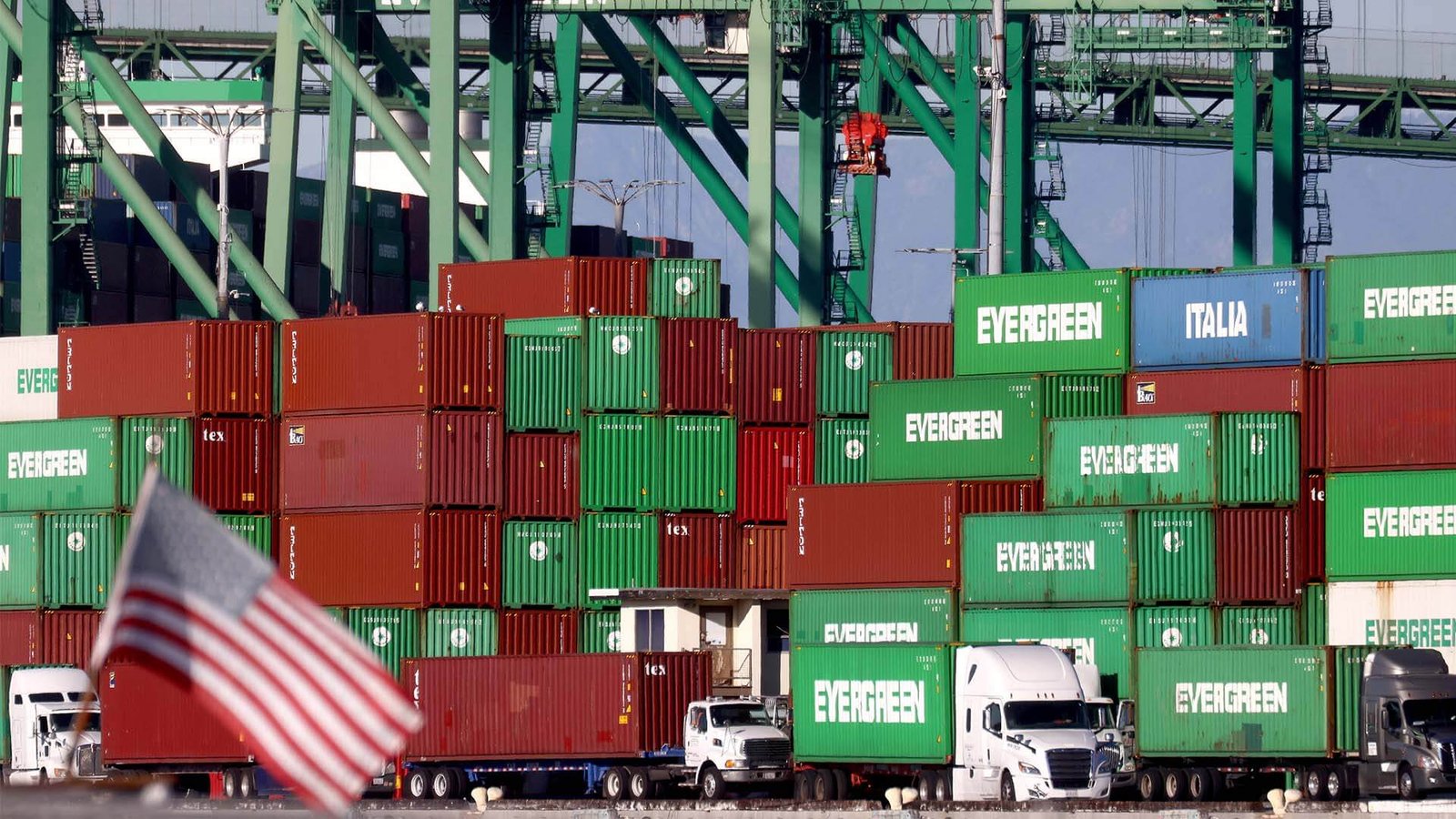
Quick problem-solving is vital in maintaining strong customer relationships1. When customs exams5 or delays occur, an efficient logistics partner can make all the difference.
For example, handling CBP exams requires thorough documentation and coordination. Mitigating demurrage involves understanding storage fees and working swiftly to resolve issues. Emergency document corrections can prevent significant delays. Rerouting shipments due to port congestion4 can also be a strategic solution.
Offer Strategic Advice That Reduces Risk and Total Landed Cost?
Trusted logistics partners go beyond transportation by advising on Incoterms, classification, duty exposure, and routing strategies that reduce landed costs and compliance risk. Strategic insight strengthens partnerships by aligning logistics decisions with business outcomes.
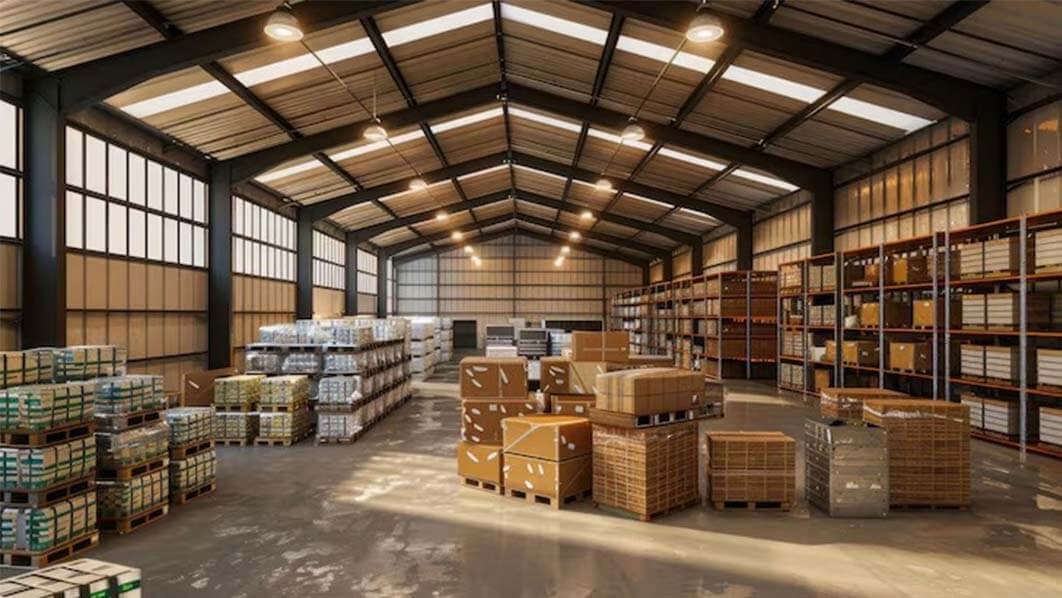
Strategic advice can enhance the entire logistics operation. It helps importers save costs and avoid compliance issues.
For example, providing guidance on HS classification can prevent costly misclassifications. Duty optimization strategies can significantly reduce total landed cost6s. Making informed port selections can streamline transit times. Deciding between Full Container Load (FCL) and Less than Container Load (LCL) options can also impact cost efficiency.
Build Trust Through Consistent Performance and Regulatory Expertise?
Consistency in performance, documentation accuracy, and regulatory knowledge builds long-term trust. Importers depend on partners who prevent errors, ensure compliance, and maintain predictable transit outcomes over time.
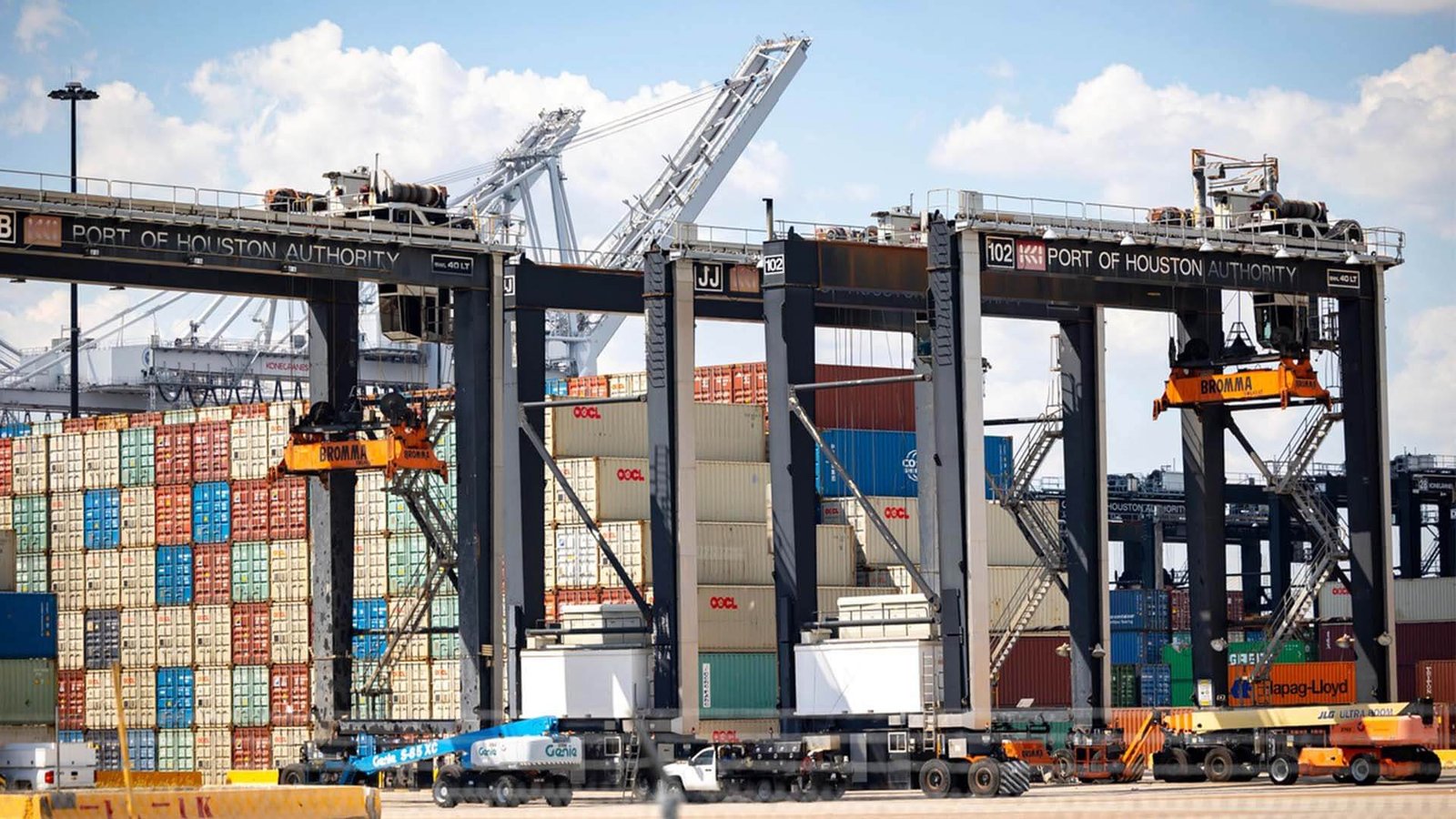
Building trust hinges on a reliable performance record. When importers see consistent service, they are more likely to rely on their logistics partners.
Entry accuracy is crucial for avoiding penalties. ISF compliance ensures that importers meet regulatory requirements. Timely FDA and EPA filings prevent holds that can disrupt supply chains. A strong history of reduced exam rates builds confidence and demonstrates expertise.

Conclusion
Strong relationships with freight forwarders and customs brokers are essential for reducing risk, preventing delays, and improving total landed cost6s.
Understanding the importance of customer relationships can enhance logistics operations by aligning services with client needs, leading to better support. ↩
Exploring supply chain pressures helps logistics providers design strategies to prevent disruptions, ensuring smooth operations for importers. ↩
Proactive communication allows importers to adjust plans before disruptions occur, fostering trust and preventing costly problems. ↩
Understanding port congestion effects can aid in planning and mitigating delays, reducing shipping expenses and maintaining schedules. ↩
Efficient handling of customs exams minimizes delays and storage charges, keeping supply chains moving smoothly. ↩
Reducing total landed costs through strategic logistics decisions can enhance cost efficiency and competitiveness for importers. ↩