Managed transportation services can significantly improve your import operations. Here are five powerful ways they can help your business.
Managed transportation reduces landed cost1 by treating freight as a portfolio2—not a series of one-off shipments. Importers improve results by optimizing mode (ocean/air/rail/truck), consolidating orders3, selecting reliable routes4, and using the right mix of contract and spot capacity5. Savings come from fewer premium moves and fewer operational mistakes.
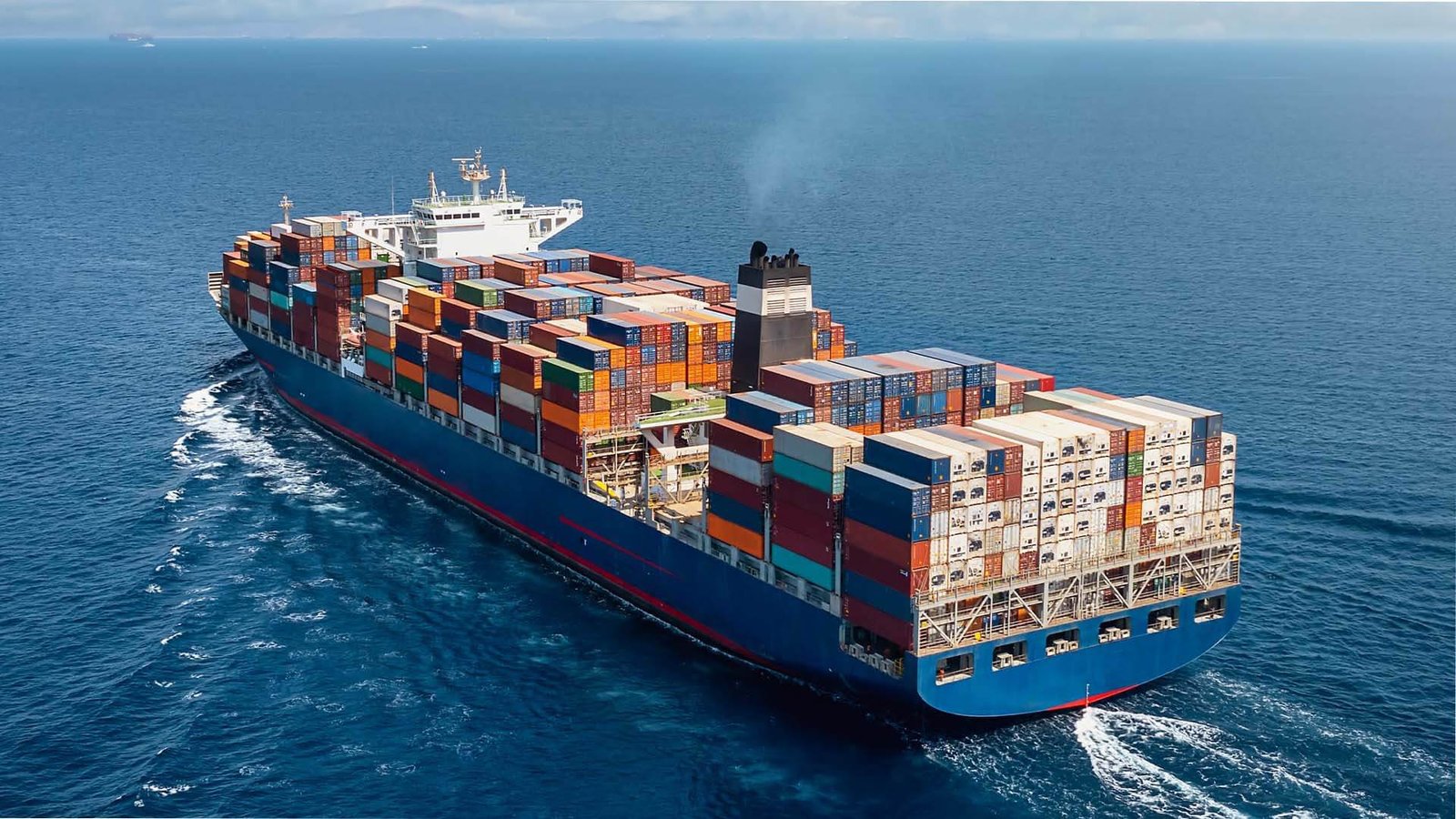
The world of shipping can be daunting. Many importers feel overwhelmed by rising costs and complex logistics. But managed transportation services can simplify everything. You can reduce costs and streamline operations with the right strategies.
Lower total landed cost by using managed transportation to optimize mode selection6, routing, consolidation, and contract vs spot purchasing?
Managed transportation services encompass a variety of strategies to help businesses save money. By optimizing mode selection, routing, and consolidation, importers can lower their total landed costs significantly.
Understanding how to manage your transportation can be the key to unlocking savings. By treating freight like a portfolio, you take a more comprehensive approach that ensures every dollar counts. Rather than viewing each shipment in isolation, you can optimize your operations.
Managed Transportation Cost Levers (Importer View)
| Lever | What it changes | Typical savings impact | Implementation notes |
|---|---|---|---|
| mode optimization | Chooses the best transport options | 10-20% | Evaluates all shipping modes |
| consolidation | Combines shipments to reduce costs | 5-15% | Analyzes shipment schedules |
| network routing strategy | Identifies the most efficient routes | 5-10% | Uses historical data for predictive routing |
| contract vs spot allocation | Balances long-term contracts with spot rates | 3-8% | Regularly reviews market rates |
| freight audit & payment | Ensures billing accuracy and identifies discrepancies | 1-3% | Conducts monthly audits |
| accessorial controls | Prevents unnecessary fees | 2-5% | Tracks fees and implements preventive measures |
Cost Optimization Checklist:
- lane baseline costs
- shipment profile analysis
- contract strategy
- consolidation rules
- premium freight triggers
- monthly savings reporting
Reduce delays and disruptions with a control-tower approach7 that tracks milestones and resolves exceptions early (port dwell, drayage failures, missed appointments)?
Control-tower execution reduces delays by detecting issues early and acting before they become service failures. Managed transport teams monitor ETD/ETA changes, port dwell, customs status, drayage pickup windows, and DC appointments.
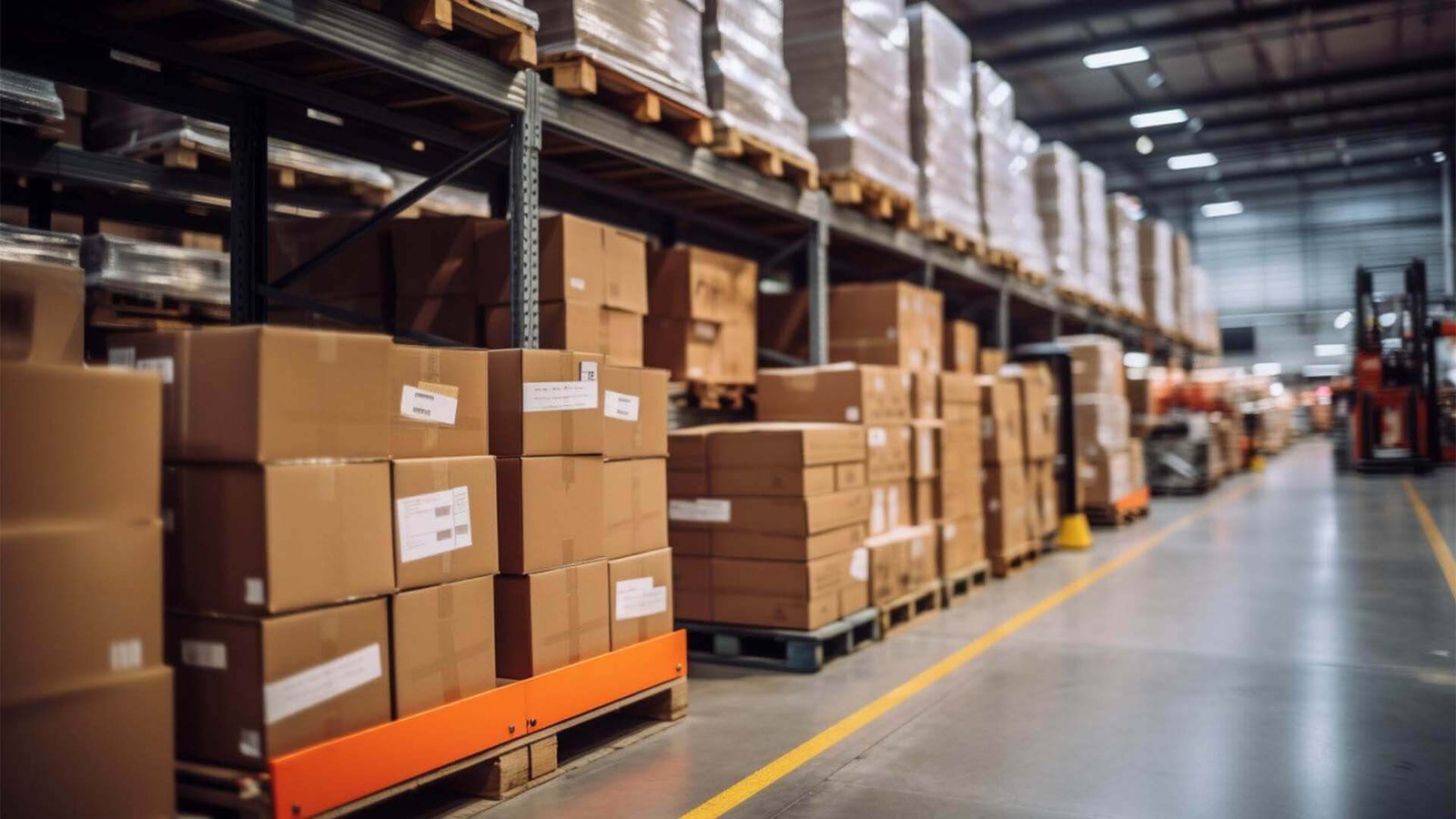
Every minute counts in logistics. When delays occur, they can lead to costly disruptions. A control-tower approach7 keeps you informed and ready to tackle any issues before they escalate. This proactive management helps you maintain service levels and meet customer expectations.
Milestone Visibility List
- Booking
- Gate-in
- Departure
- ETA updates
- Arrival
- Discharge
- Customs release
- Drayage appointment
- Pickup
- Delivery to 3PL/DC
- POD captured
Import Disruptions + Control-Tower Response
| Disruption | Early signal | Business impact | Action playbook |
|---|---|---|---|
| vessel rollover | Alert from carrier | Delayed delivery | Reroute to alternative vessel |
| port dwell spike | Increased wait times | Increased costs | Investigate and escalate |
| customs hold | Notification from customs | Delayed clearance | Work with customs broker |
| drayage missed appointment | Late arrival | Stockouts | Reschedule pickup |
| DC receiving congestion | Slow processing | Delayed deliveries | Increase workforce at DC |
| rail delay | Service alert | Inventory shortages | Rebook alternative transport |
Improve carrier performance through KPI scorecards8, tender compliance9, and capacity planning10 that stabilizes lead times across seasons?
Managed transportation improves reliability by managing carriers with measurable standards. Importers use tender compliance9 rules, on-time pickup/delivery KPIs, claims and damage rates, and seasonal capacity planning10 to reduce service failures.
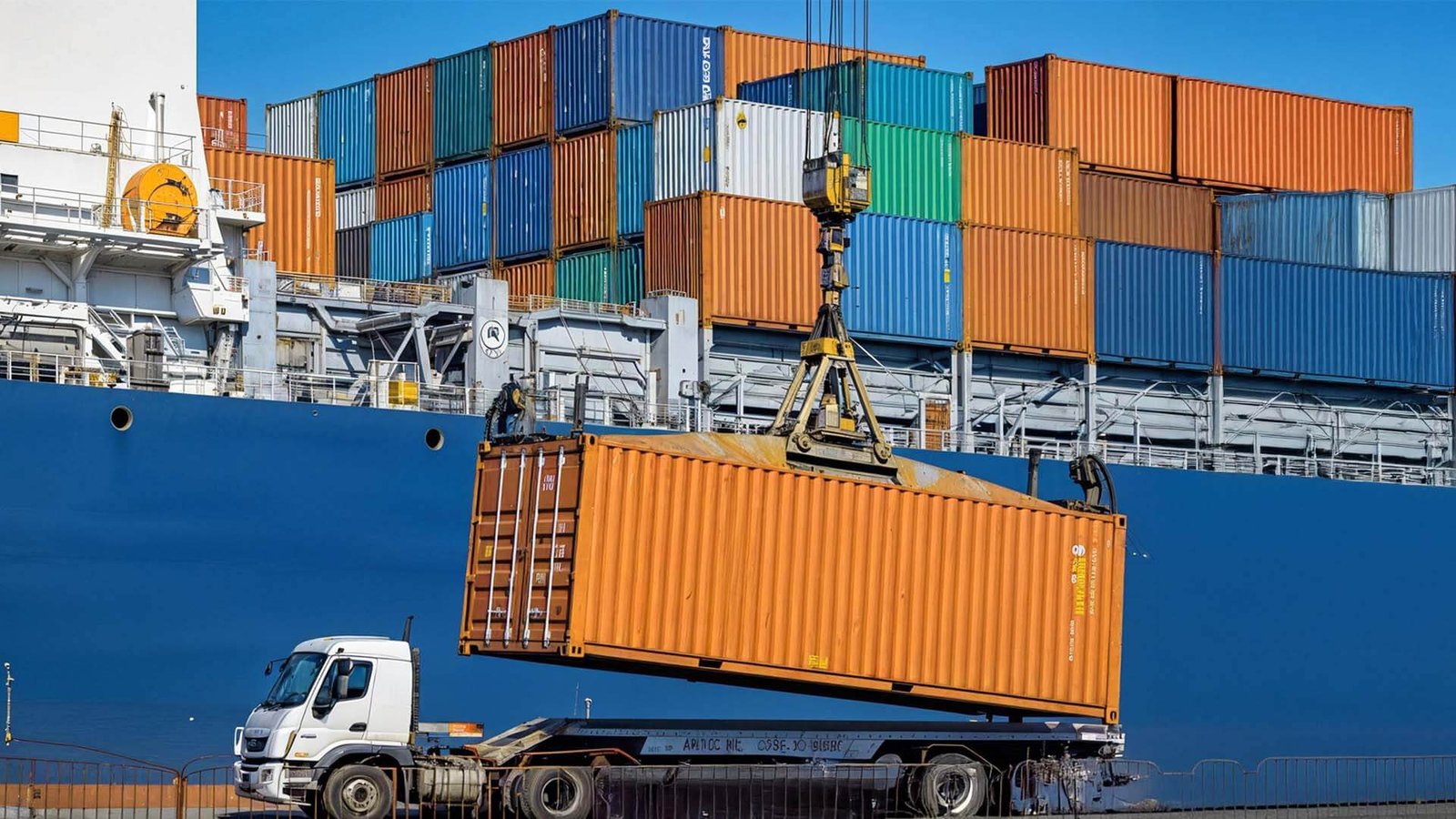
Knowing how your carriers perform is essential for maintaining a smooth operation. By utilizing KPI scorecards8, you can identify underperformers and make strategic shifts to improve reliability. This keeps your lead times stable and ensures a better experience for your customers.
Carrier Performance Scorecard
| KPI | Target | Why it matters | Corrective action |
|---|---|---|---|
| on-time pickup | 95% | Ensures timely departures | Review scheduling |
| on-time delivery | 95% | Prevents stockouts | Shift volume as needed |
| tender acceptance | 100% | Enhances reliability | Monitor tender compliance9 |
| ETA accuracy11 | 90% | Builds trust with customers | Regular communication |
| claims rate | <1% | Reduces operational costs | Improve handling procedures |
| exception closure time | <24 hours | Keeps operations running smoothly | Regular training |
| appointment success rate | 90% | Ensures timely pickups | Tighten appointment controls |
Governance bullets:
- weekly carrier reviews
- peak season planning
- lane-level performance shifts
- corrective action deadlines
Cut accessorial fees12 (detention, demurrage, re-delivery, storage) by tightening appointment management13, container return planning14, and documentation readiness15?
Accessorials are often controllable costs caused by late planning and poor handoffs. Managed transportation reduces detention, demurrage, and storage fees by improving appointment discipline, accelerating pickup after release, and planning container returns.
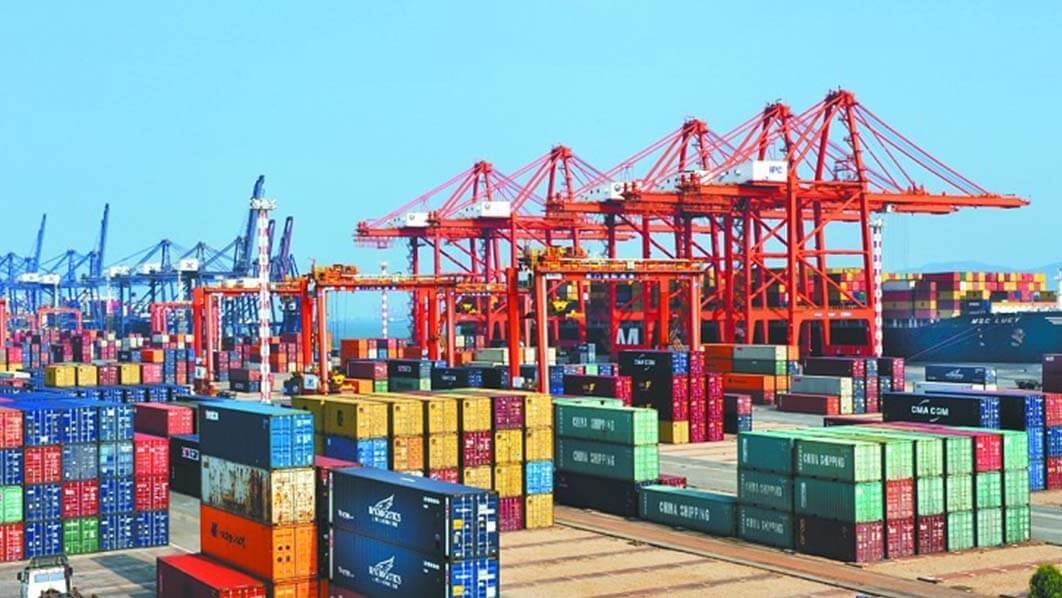
Accessorial fees can add up quickly and threaten your bottom line. By tightening your appointment management13 and being proactive about container returns, you can prevent these fees from impacting your budget. Strong documentation readiness15 is also key to avoiding gate issues.
Accessorial Fees + Root Causes + Prevention Controls
| Fee | Root cause | Prevention control | Owner |
|---|---|---|---|
| detention | Delayed pickups | Improve appointment management13 | Logistics manager |
| demurrage | Late container returns | Plan return schedules | Operations |
| terminal storage | Slow customs clearance | Expedite customs processes | Customs broker |
| redelivery | Missed appointments | Secure timely bookings | Scheduling team |
| appointment missed fee | Poor communication | Set reminders | All stakeholders |
| chassis/terminal wait time | Inefficient planning | Optimize resource usage | Operations |
| rework/relabeling delays (DC) | Insufficient prep | Ensure labeling compliance | Warehouse team |
Port-to-Door Checklist:
- release notice received
- drayage booked
- appointment secured
- chassis plan
- documentation confirmed
- container return plan
- daily dwell tracking
Increase visibility and decision-making speed by integrating TMS + forwarder/broker data16 into one shipment tracking and reporting system17 for import operations?
Visibility improves performance when data is unified. Managed transportation programs integrate TMS data with forwarder milestones, broker customs status, and warehouse receiving updates to create one operational view.

Data is the lifeblood of logistics. By integrating TMS data with other critical information, you create a holistic view of your operations. This improved visibility not only enhances decision-making but also helps you forecast inventory needs accurately.
Integration Map
Carrier/TMS events + forwarder milestones + customs release + warehouse receiving → single dashboard → alerts + KPIs → weekly performance review
Managed Transportation Dashboard Metrics (Importer Ops)
| Metric | What it indicates | Used for |
|---|---|---|
| ETA accuracy11 | Reliability of delivery | Customer communication |
| dwell time18 | Efficiency of operations | Performance improvement |
| clearance cycle time | Customs efficiency | Resource allocation |
| premium freight spend19 | Cost management | Budget forecasting |
| accessorial rate | Cost control | Performance analysis |
| OTIF (On Time In Full) | Customer satisfaction | Service level improvements |
| cost per unit shipped | Overall shipping efficiency | Pricing strategy |
End-to-End Workflow
Supplier → Freight Booking → International Transit → Port/Airport Arrival → Customs Clearance → Port/Drayage Pickup → 3PL/DC Receiving → Order Fulfillment → Final Delivery
Where Managed Transportation Creates Savings
| Savings area | How savings happens | Example KPI |
|---|---|---|
| fewer premium moves | Better planning | Premium freight spend |
| lower accessorial spend | Improved management | Accessorial rate |
| better lane contracting | Negotiated contracts | Contract acceptance rate |
| improved consolidation | Reduced shipments | Average shipment volume |
| reduced claims/damages | Better handling | Claims rate |
| faster exception resolution | Proactive management | Exception closure time |
FAQ
What are managed transportation services and what do they include?
Managed transportation services involve outsourcing the management of your logistics operations. These services include mode optimization, carrier management, and cost control strategies designed to streamline your shipping processes.
How does a TMS benefit businesses using managed transportation?
A Transportation Management System (TMS) helps businesses gain visibility into their logistics operations. This improves decision-making, increases efficiency, and ultimately leads to cost savings across the supply chain.
What KPIs prove managed transport improves performance?
Key performance indicators (KPIs) such as on-time delivery rates, claims rates, and cost per unit shipped showcase the effectiveness of managed transportation. These metrics highlight areas for improvement and opportunities for cost reduction.
How do managed transport services reduce detention and demurrage?
Managed transportation services proactively manage timelines and appointments, ensuring that pickups and returns occur on schedule. By tightening controls and improving communication, these services minimize unnecessary delays and fees.
When should an importer outsource transportation management?
Importers should consider outsourcing transportation management when they face challenges with cost control, visibility, or operational efficiency. If internal resources are stretched or if complexity increases significantly, outsourcing can provide valuable expertise and support.
Conclusion
As a U.S. importer, you can optimize your operations and save costs with managed transportation services. Reach out to us for a freight network review, control-tower visibility setup, accessorial reduction audit, or carrier KPI scorecard implementation. Let's improve your logistics together!
Explore how managed transportation can lower your overall shipping expenses by optimizing various logistics strategies. ↩
Learn how viewing freight as a portfolio can enhance your shipping efficiency and cost-effectiveness. ↩
Understand how combining shipments can lead to significant cost savings and streamlined logistics. ↩
Find out how choosing dependable routes can minimize delays and improve delivery times. ↩
Learn about the advantages of balancing contract and spot capacity to optimize shipping costs. ↩
Discover strategies to choose the best transport modes for your shipments, reducing costs and improving efficiency. ↩
Explore how a control-tower approach can enhance visibility and reduce disruptions in your supply chain. ↩
Discover how using KPI scorecards can help you monitor and improve the performance of your carriers. ↩
Understand the importance of tender compliance in ensuring reliable and efficient shipping operations. ↩
Learn how effective capacity planning can help maintain consistent lead times across different seasons. ↩
Find out how accurate estimated time of arrival (ETA) can enhance customer trust and satisfaction. ↩
Find strategies to minimize additional shipping fees, such as detention and demurrage, to protect your budget. ↩
Explore how effective appointment management can prevent costly delays and improve operational efficiency. ↩
Learn about the significance of planning container returns to avoid unnecessary fees and delays. ↩
Understand the role of proper documentation in ensuring smooth and timely shipping operations. ↩
Learn how combining forwarder and broker data can provide a comprehensive view of your shipping operations. ↩
Explore how a unified tracking system can improve logistics efficiency and customer satisfaction. ↩
Understand the impact of dwell time on shipping efficiency and how to manage it effectively. ↩
Learn strategies to control premium freight costs and improve overall shipping efficiency. ↩